
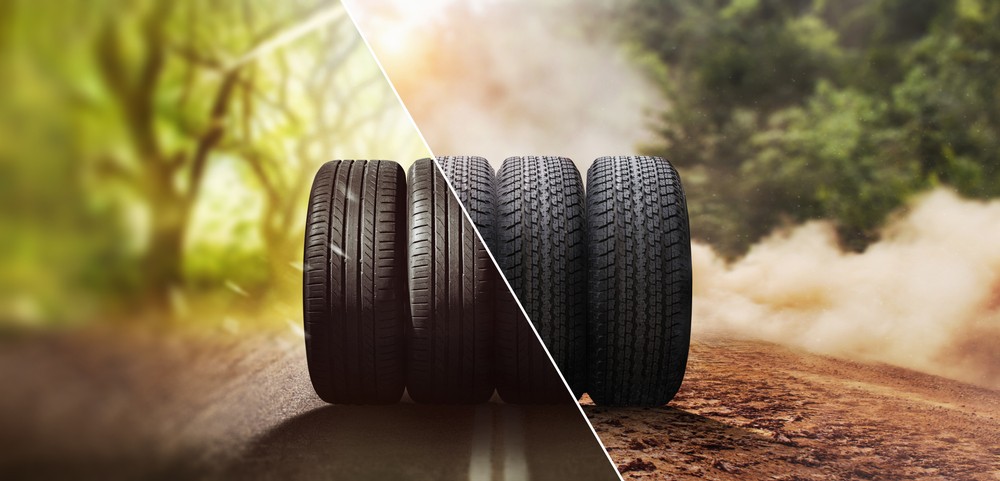
Winter vs All-Season Tyres: UAE Driving in Cooler Months
A Complete Guide to Choosing the Right Tyres for UAE’s Winter Roads

As the UAE’s long summer finally gives way to cooler mornings and breezy evenings, many drivers breathe a sigh of relief. But here’s something most people overlook, your tyres feel the change too, especially when it comes to the difference between Winter vs All-Season Tyres.
Even though we don’t see snow-covered roads in Dubai or Abu Dhabi, those early-morning fogs, drops in temperature, and slightly damp highways can quietly affect your car’s grip, handling, and braking.
That’s where understanding the right tyre choice becomes important for UAE drivers. Choosing wisely not only improves safety but also saves fuel, extends tyre life, and enhances overall driving comfort.
Before we dig deeper into the technical differences and official safety guidelines, here’s a quick snapshot of what you’ll learn in this guide.
Key Highlights
-
Cooler UAE months can subtly affect tyre grip, braking, and comfort.
-
Understand the real difference between Winter vs All-Season Tyres and which suits your lifestyle.
-
Learn expert-backed maintenance tips and how temperature impacts tyre life.
-
Practical insights, RTA Dubai guidelines, and brand-specific recommendations for UAE roads.
Want a complete checklist for the season? See our winter-prep guide for UAE cars, with advice on tyres, fluids, and inspections.
Driving in Cooler UAE Weather: Why Tyres Suddenly Matter More
You may not see snow in Dubai or Abu Dhabi, but that doesn’t mean the UAE’s winter months don’t challenge your tyres. As the mercury dips to 15–25°C, early-morning dew, fog, and desert sand can make roads slick.
That’s where tyre performance comes into play. The question many drivers ask around this time of year is simple:
Do I need winter tyres, or are all-season ones good enough for the UAE weather?
Let’s break it down clearly and practically, so you can make a safe, informed choice before hitting the road.
Understanding the UAE’s Winter Road Conditions
The UAE’s winter isn’t icy, but it is unpredictable. One day it’s 26°C and sunny; the next, your morning drive is wrapped in fog and moisture.
According to RTA Dubai, even minor drops in temperature can reduce tyre pressure, roughly 1 PSI for every 10°C decrease. That may sound small, but it’s enough to affect grip and fuel efficiency.
In simple terms: cooler air = lower pressure = reduced control.
That’s why regular pressure checks and proper tread depth are essential throughout the season.
Winter vs All-Season Tyres: What’s the Real Difference?
| Feature | Winter Tyres | All-Season Tyres |
|---|---|---|
| Rubber Compound | Softer, stays flexible in the cold | Medium blend, adapts to various temperatures |
| Tread Design | Deep grooves, lots of biting edges | Balanced tread for wet & dry stability |
| Best Temperature Range | Below 7°C | Above 7°C |
| Grip on UAE Roads | Excellent on cool mornings, damp sand | Consistent all-year performance |
Expert Insight
Winter tyres are masters of cold-weather grip, perfect if you’re driving through Ras Al Khaimah’s mountain roads or fog-prone highways at dawn.
But for most city drivers in Dubai or Sharjah, all-season tyres make far more sense. They’re practical, durable, and built for everyday conditions in the UAE.
Best Tyres for UAE Weather
If you want one set of tyres that handles both winter mornings and scorching afternoons, all-season tyres are your best bet.
Here are some driver-approved models popular across the UAE:
-
Michelin CrossClimate 2: Great for wet grip and low noise.
-
Pirelli Cinturato All Season Plus: Excellent balance between comfort and control.
-
Bridgestone Turanza T005A: Designed for high-speed stability and comfort on UAE highways.
However, if you often drive up north or through foggy mountain roads, you might appreciate the added confidence of winter tyres from December to February. When the season flips again, you’ll want to prepare your car for the heat. Read our summer car-care tips for UAE drivers.
What It Means for You as a Driver
So, what does all this technical talk mean for you?
It’s simple, your tyres are the only contact between your car and the road. Cooler weather, fog, and humidity affect that connection. Even without snow, those changes can impact your stopping distance and handling.
Here’s how you can stay safe:
-
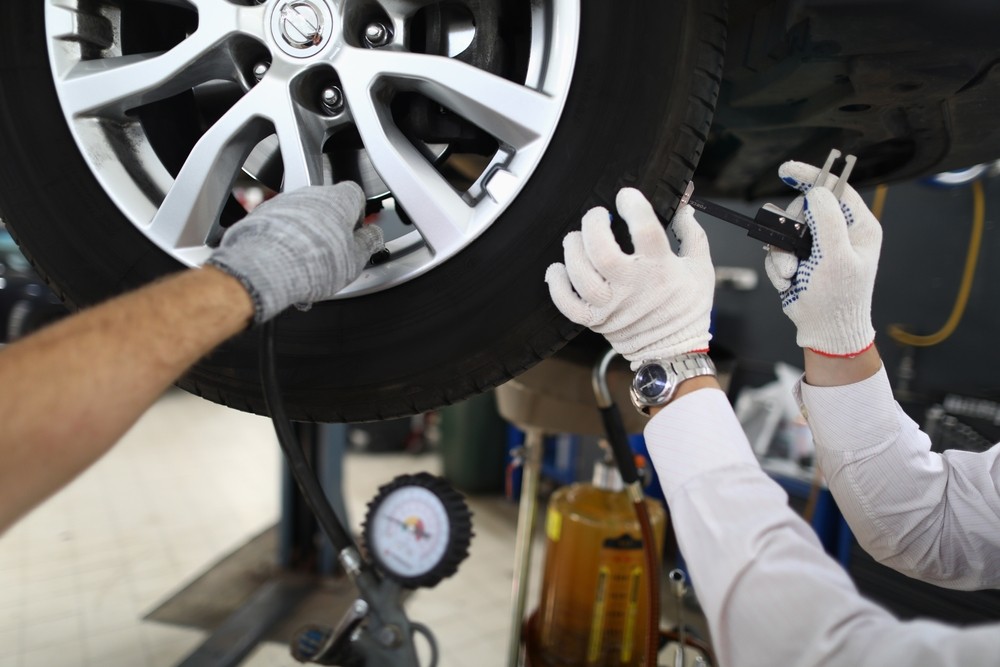
Check tread depth regularly (minimum 1.6 mm, but aim for 3 mm in winter).
-
Top up tyre pressure monthly; cold air lowers PSI.
-
Avoid mixing tyre types; Stick with one kind for balanced handling.
-
Inspect your tyres visually; Small cracks or bulges can worsen when temperatures drop.
A few minutes of maintenance can mean the difference between smooth driving and sudden skidding. If you’re also looking to cut your fuel bill during hot months, check out our detailed guide on saving fuel this summer.
Tyre Safety in the UAE’s Cooler Months
Tyre care isn’t seasonal, it’s strategic. But winter months demand extra attention.
Follow these safety practices:
-
Inflate to the manufacturer’s recommended PSI.
-
Rotate tyres every 10,000 km to avoid uneven wear.
-
Park in shaded areas when possible; even cool sun can harden rubber over time.
-
Balance and align tyres regularly for smoother steering.
For more detailed care advice, explore our top tyre maintenance tips in the UAE.
Car Maintenance Tips for the UAE’s Cool Season
Winter isn’t just about tyres, it’s about keeping your car in peak shape.
Quick checklist for UAE drivers:
-
Replace worn-out wiper blades and refill the washer fluid.
-
Check your battery health; cooler mornings can weaken the charge.
-
Clean and adjust headlights for better visibility in fog or mist.
Combining tyre maintenance with general care ensures your car performs flawlessly, even on those chilly Sharjah mornings or misty Dubai highways. For a broader overview of vehicle health, check out these essential car-maintenance tips for the UAE.
Seasonal Tyre Change: Necessary or Not?
Let’s be honest, complete seasonal tyre swaps aren’t essential in the UAE. But there’s a catch: if you drive long distances, own a sports car, or live near mountain terrain, a winter-focused set might help.
UAE Tyre Guide: Expert Tips
-
Inspect before long trips: Check for cuts, cracks, or nails.
-
Mind your load rating: Overloading increases wear and reduces safety.
-
Store spares correctly: Keep them dry, shaded, and away from heat.
These small habits extend tyre life and improve safety across all driving conditions.
Frequently Asked Questions (FAQs)
Q1: Do I need winter tyres in the UAE?
Usually not; unless you drive in foggy or mountainous areas, all-season tyres are perfect for the UAE’s mild winter.
Q2: How often should I check tyre pressure?
Every month, ideally when tyres are cold. Also, before long drives or road trips.
Q3: What’s the safe tread depth for UAE roads?
Minimum 1.6 mm. For best safety during cooler months, aim for 3 mm or higher.
Final Thoughts: Choose Smart, Drive Safe
The Winter vs All-Season Tyres debate isn’t about temperature, it’s about confidence. In the UAE, all-season tyres usually win for practicality, safety, and cost.
Still, understanding your car’s needs and the region’s road conditions helps you drive smarter.
Keep your tyres inflated, rotate them regularly, and check them often; it’s the simplest way to stay safe on every journey.
Tip: Before winter starts, schedule a quick inspection with your trusted service provider and ensure your tyres are ready for cooler months.
Ready to find out which tyres truly match your driving style and the UAE’s winter roads? Head over to ArabWheels for expert car reviews, tyre comparisons, and detailed insights from automotive specialists.
You can also explore the ArabWheels Blog for the latest guides on car maintenance, safety checks, and seasonal driving tips tailored for UAE motorists. Stay informed, drive more safely, and make more intelligent choices every season.
