

Top Car Tire Maintenance Tips in UAE: Ensure Safety and Longevity
Essential Car Tire Maintenance Tips in UAE: Boost Safety, Performance, and Longevity

Car tire maintenance is crucial for vehicle safety, particularly in regions with extreme climates like the UAE. The scorching temperatures and long stretches of dry roads in the UAE can cause tire degradation if they are not regularly maintained. With 5% of road accidents in the UAE being attributed to faulty tires, it is essential to give your tires the attention they deserve. Proper tire care not only ensures safety but also extends tire lifespan, enhances vehicle performance, and improves fuel efficiency.
In this blog, we will discuss essential car tire maintenance tips tailored to the unique conditions in the UAE. These tips will help you take the best care of your tires to ensure they perform optimally, keep you safe, and improve your driving experience.
Key Insight
1. Regular tire checkups are essential in the UAE’s hot climate.
2. Correct tire pressure can drastically impact vehicle safety and fuel efficiency.
3. Tire rotations should be done every 10,000 miles for even wear and tear.
4. Proper care can help avoid premature tire damage and accidents.
Why Tire Maintenance is Crucial for UAE Drivers
Driving in the UAE presents unique challenges, particularly when it comes to maintaining your car’s tires. The hot desert climate, high temperatures, and rough roads can cause tires to wear out more quickly compared to cooler regions. According to the Road and Transport Authority (RTA), tire-related issues are a significant factor in road safety in the UAE, contributing to around 5% of road accidents.
As a driver in the UAE, it’s essential to adopt a proactive approach to tire maintenance to avoid accidents and costly repairs. Here are some practical tips to keep your tires in optimal condition, following RTA’s best practices:
Regular Checkups: Inspect for Wear and Tear
Perform Regular Tire Inspections
One of the most critical steps in tire maintenance is regularly checking tire condition. Hot temperatures in the UAE can cause rapid wear, leading to cracks, bulges, and tire blowouts. Check for signs of damage, including:
-
Cracks and cuts: These can result from extreme heat or debris on the road.
-
Blisters and bulges: These typically indicate tire weakening, especially under pressure.
-
Tread depth: The standard tread depth should not fall below 1.6mm. A shallow tread can significantly reduce traction, especially on wet or uneven roads.
If you notice any of these issues, it’s time to consult a tire expert or replace the tires to avoid dangerous driving conditions.
Tire Pressure: Maintain Optimal Levels
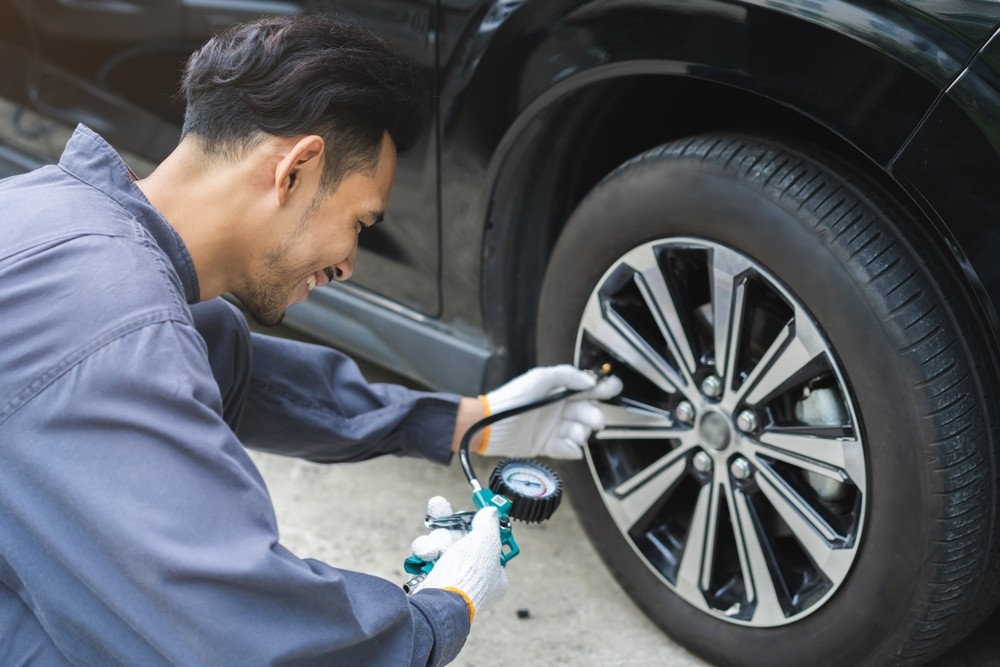
Check Tire Pressure Regularly
Tire pressure plays a pivotal role in ensuring both safety and fuel efficiency. In the UAE’s extreme heat, underinflated tires can increase rolling resistance, reduce fuel economy, and cause unnecessary tire wear. Overinflation can also be dangerous, especially in high temperatures, as it increases the risk of tire bursts.
To maintain optimal performance:
-
Check pressure monthly: Use a pressure gauge to ensure the tires are at the manufacturer-recommended pressure (usually 32–35 psi for most passenger vehicles).
-
Check when cold: Tire pressure should be measured when the tires are cool, ideally after the car has been stationary for at least two hours.
Regular pressure checks will ensure that your vehicle performs efficiently, extends tire lifespan, and enhances road safety.
Avoid Overloading Your Vehicle
Be Mindful of Load Limits
One often-overlooked aspect of tire maintenance is ensuring your car isn’t overloaded. Overloading your vehicle puts unnecessary strain on the tires, causing them to wear out prematurely. Additionally, excessive weight can decrease your car’s fuel efficiency and affect its handling.
Before loading your car, check the vehicle’s manual for the maximum load capacity. If you regularly carry heavy loads, consider using heavier-duty tires designed to withstand increased weight.
Tire Rotation: Even Wear for Longer Life
Rotate Tires Every 10,000 Miles
Tires wear unevenly depending on your vehicle’s drivetrain. To ensure that your tires wear evenly, it’s essential to rotate them regularly. Front tires, for example, tend to wear faster in front-wheel-drive cars, while rear tires may wear more quickly in rear-wheel-drive vehicles.
By rotating your tires every 10,000 miles (or as recommended in your car’s manual), you help distribute the wear more evenly, leading to longer tire life and improved performance. If you’re unsure about how to rotate your tires, it’s best to consult a mechanic or take your vehicle to a tire specialist.
Keep Tires Clean and Protected
Clean and Protect Your Tires
The harsh sun in the UAE can be tough on your tires. UV rays can degrade the rubber over time, leading to cracking and reduced durability. Regular tire cleaning and protection can help mitigate this. Use a tire cleaner to remove dirt, debris, and brake dust, which can accelerate wear. You can also apply a tire UV protectant to shield them from harmful sunlight.
Cleaning your tires also ensures they maintain optimal grip and performance on both dry and wet roads.
Drive Mindfully: Avoid Speeding and Harsh Turns
Drive Responsibly for Tire Longevity
Driving habits play a significant role in the lifespan of your tires. In hot climates like the UAE, speeding, sudden braking, and aggressive cornering can place undue stress on your tires. These actions increase the chances of tire damage and wear out your tires more quickly.
-
Avoid speeding: High speeds generate extra heat, which can cause tires to overheat and burst.
-
Slow down over bumps and speed breakers: These can cause impacts that may damage tires over time.
-
Drive cautiously in rainy or flooded conditions: Waterlogged roads can reduce tire traction, increasing the risk of skidding or hydroplaning.
By adopting mindful driving habits, you can preserve your tires and enhance your overall road safety.
Frequently Asked Questions(FAQ)
Q1: How often should I check my car tire pressure in the UAE?
A: You should check your tire pressure at least once a month, especially in the hot climate of the UAE, where tire pressure can fluctuate rapidly.
Q: When should I rotate my car tires?
A: It is recommended to rotate your car tires every 10,000 miles, or as per the guidelines in your car’s manual.
Q3: What are the signs of tire wear?
A: Signs of tire wear include cracks, bulges, low tread depth (less than 1.6mm), or visible damage. Regularly inspect your tires for these issues.
Q: Can overloading my car damage the tires?
A: Yes, overloading puts excessive strain on the tires, leading to faster wear and potential tire failure. Always adhere to the load limits specified in your car’s manual.
Conclusion: Regular Car Tire Maintenance for Safe Driving
In the UAE, tire maintenance is especially critical due to the intense heat and driving conditions. Regular tire inspections, maintaining proper tire pressure, rotating tires, and avoiding overloading your vehicle will go a long way in ensuring your tires perform optimally, enhancing safety, and prolonging their lifespan.
Investing in high-quality tires designed for hot climates and having your vehicle professionally checked monthly will ensure your tires stay in top shape, providing a smoother, safer ride and reducing the risk of accidents caused by faulty tires.
Ready to Keep Your Tires in Top Shape? Follow these essential tire maintenance tips and stay safe on the roads of the UAE. For more expert advice on car care and driving tips, check out ArabWheels and explore our latest articles on the ArabWheels Blog for more helpful insights!
