
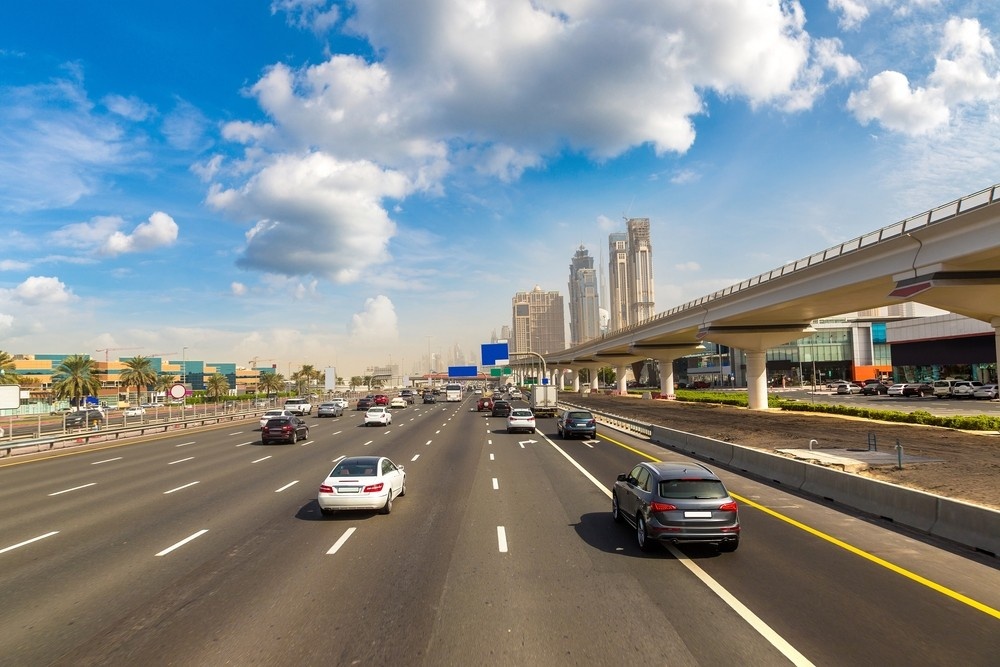
How to Avoid Engine Overheating During Dubai Traffic
Simple Maintenance Tips to Keep Your Engine Cool During Dubai’s Extreme Heat & Heavy Traffic

If you’ve ever crawled through Dubai’s evening traffic, you know how intense it can get. Cars inch forward at a snail’s pace, the sun is still beating down long after sunset and the AC feels like it’s fighting a losing battle. On days where temperatures hit 45°C or more, it’s almost impossible not to glance at the temperature gauge and hope it stays in the safe zone. That’s when many drivers start worrying about engine overheating in Dubai and for good reason.
It isn’t just the heat. It’s the harsh mix of slow-moving vehicles, long idling, and the extra strain of keeping the cabin cool. These everyday situations slowly push your engine harder than you might realize. The good news? With a few smart habits and basic maintenance routines, you can keep your car cool and avoid those stressful breakdown moments on the side of the road.
Key Highlights

1. Practical steps to prevent car overheating in traffic, especially during extreme UAE summers
2. Technical explanation of why engines heat up and what components require regular inspection
3. An actionable cooling system maintenance checklist you can follow at home
4. Clear signs of overheating and what to do immediately
5. Expert tips tailored for Dubai’s climate and stop-and-go traffic conditions
Why Engines Overheat in Dubai’s Stop-and-Go Traffic
Understanding what causes engine overheating in Dubai helps you take preventive steps before the problem turns into a costly breakdown. The city’s unique climate creates challenges that drivers in cooler countries never have to think about. Between the intense heat, slow-moving traffic, and long idling periods, engines are pushed far harder than usual. Add in constant AC usage, and it becomes clear why cars here are more prone to rising temperatures. Let’s break down the main reasons engines tend to overheat in UAE conditions.
1. Heavy AC Load
Running the AC at full capacity is unavoidable here, but it increases engine strain and raises coolant temperatures.
2. Low Coolant Levels
Coolant is your engine’s lifeline in the heat. If levels drop, heat builds up quickly and the engine can’t cool itself efficiently.
3. Radiator Problems
Sand, dust, and debris block radiator fins over time, slowing heat dissipation.
4. Slow Moving Traffic
Less airflow means less cooling. In bumper-to-bumper traffic, engines rely heavily on fans to stay cool.
5. Weak Water Pump
If the pump isn’t circulating coolant properly, overheating becomes inevitable.
How to Avoid Overheating in Dubai Traffic (Technical Checklist)
Here’s a practical checklist to keep your cooling system in top shape.
1. Regular Coolant Level Check
Coolant directly controls engine temperature. Make it part of your routine:
| Item to Check | Why It Matters | Frequency |
|---|---|---|
| Coolant Level | Prevents heat buildup | Every 2 weeks |
| Coolant Color | Detects contamination | Monthly |
| Coolant Mixture | Ensures boil-over protection | Every service |
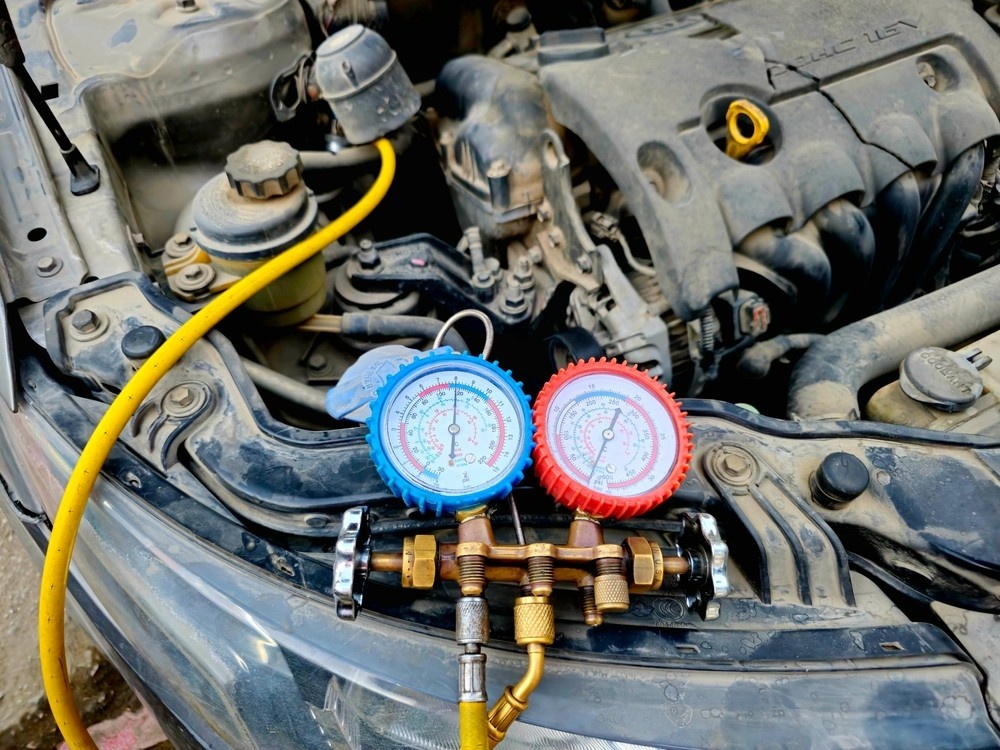
Pro Tip: Use a coolant designed for hot climates, as it withstands higher temperatures.
2. Radiator Maintenance
The radiator collects sand and dust easily. To maintain efficiency:
-
Wash radiator fins every 3–4 months
-
Replace the radiator cap if the rubber seal loosens
-
Check for hose leaks or cracks
Keeping the radiator clean can instantly improve your engine’s cooling performance.
3. Follow Car Cooling System Tips from Experts
More helpful habits:
-
Park under shade whenever possible
-
Accelerate gently in traffic
-
Turn off unnecessary electrical systems
These minor adjustments reduce engine load and temperature.
4. AC Impact on Engine Heat
Because the compressor loads the engine, try these during peak heat:
-
Use AC “recirculation mode.”
-
Keep the cabin temperature moderate.
-
Briefly turn off the AC if the gauge rises.
These short changes help stabilize the temperature during long traffic delays.\
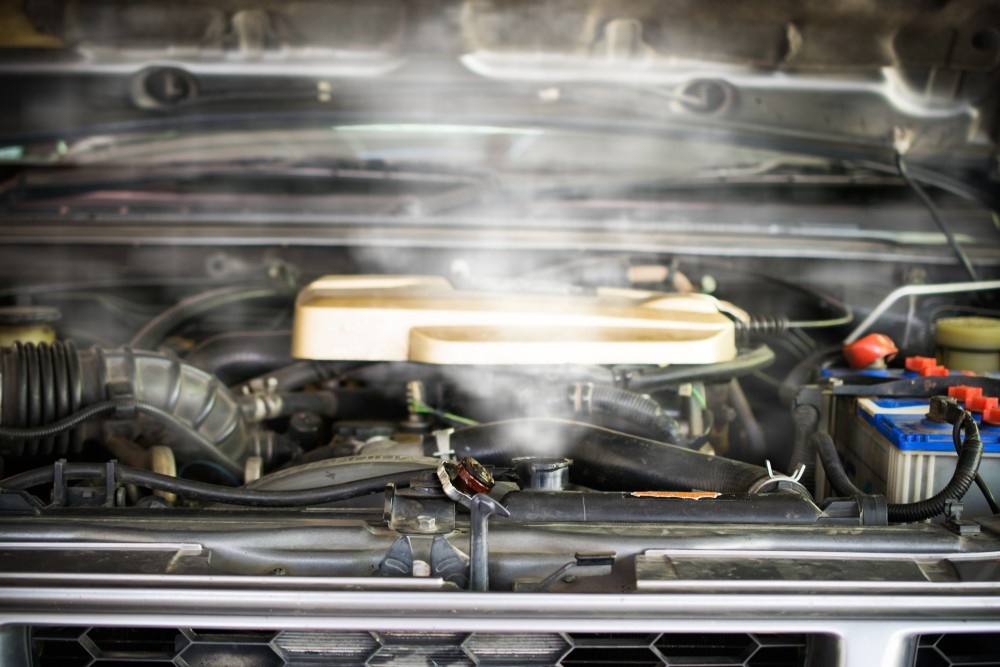
5. Prevent Car Overheating in Hot Weather
-
Replace coolant every 12–18 months
-
Inspect the thermostat
-
Ensure the fan motor works properly
-
Look for worn or loose belts
What Does This Mean for You as a Driver?
If you drive daily on Al Khail Road, SMZ Road, or through Downtown, your engine is exposed to extreme heat stress that drivers in colder regions never encounter.
This means:
-
Small temperature spikes can turn into expensive repairs
-
Regular checks save time and money
-
Preventive care avoids breakdowns in dangerous or inconvenient areas
-
Your drives become smoother, safer, and more predictable
Basically, a cool engine = peace of mind.
Recognizing Overheating Signs and Symptoms
Watch for:
-
Rising temperature gauge
-
Burning smell
-
Weak AC airflow
-
Ticking or knocking noises
If you see any of these, pull over safely and let the engine cool.
Traffic Jam Car Overheating: What to Do Immediately
If your gauge starts rising in traffic:
-
Turn off the AC
-
Shift into neutral
-
Rev lightly to circulate coolant
-
Please turn on the heater (yes, it helps)
-
Pull over if needed
Never open the radiator cap while the system is hot.
Best Coolant for Dubai Weather
Look for:
-
Long-life coolant (LLC)
-
High-boiling-point formulas
-
OEM-approved brands
-
50/50 or 60/40 coolant-to-water mix
These provide stable performance in extreme temperatures.
Car Overheating Solutions (Quick Fixes vs. Long-Term Care)
Quick Fixes
-
Add coolant (after cooling down)
-
Turn off the AC
-
Stop and rest the engine
Long-Term Solutions
-
Replace the faulty thermostat
-
Flush the radiator annually
-
Inspect fan motor/fan clutch
-
Replace old belts and hoses
Frequently Asked Questions
1. Why do cars overheat in Dubai traffic?
Extreme heat, slow traffic, and heavy AC use put extra strain on the cooling system, causing overheating.
2. What should I do if my engine overheats?
Turn off the AC, shift to neutral, rev lightly, and pull over safely. Let the engine cool before checking anything.
3. How often should I check my coolant in summer?
Every two weeks, as high UAE temperatures can cause coolant to drop faster.
Conclusion
By now, you’ve seen that keeping your car cool in Dubai’s intense heat isn’t about complicated repairs; it’s about small habits that protect your engine day after day. Every driver here has watched the temperature gauge climb during a long traffic jam, but with a bit of attention and regular checks, avoiding engine overheating in Dubai becomes second nature.
Think of it as looking after a trusted partner on the road. When you give your car the care it needs, you get peace of mind, smoother drives, fewer breakdowns, and a lot less stress in peak summer traffic.
If you want more expert guides, maintenance tips, and real-world car advice tailored for UAE drivers, don’t miss our full coverage on ArabWheels Blogs.
Explore more on ArabWheels and stay one step ahead on the road.
