
How Do Electric Cars Work? Complete Guide
Exploring the Technology Behind Battery-Powered Vehicles

How Do Electric Cars Work in Today’s Rapidly Evolving Automotive World? They are reshaping how we think about transportation. These advanced vehicles operate without traditional gasoline engines, relying entirely on electric power. Unlike internal combustion cars, electric cars produce zero tailpipe emissions, helping reduce pollution and improve air quality in cities. This is especially relevant in the UAE, where major cities like Dubai and Abu Dhabi are pushing for cleaner, greener mobility solutions to address rising urbanization and sustainability goals.
Moreover, it offers a smooth, quiet, and highly efficient driving experience. Their instant torque, simplified mechanics, and low running costs make them a compelling alternative to fuel-powered cars. In this complete guide, we’ll explore how EVs function, from battery storage and electric motors to charging systems and regenerative braking. Whether you’re a daily commuter in Sharjah or planning weekend drives across the UAE’s highways, understanding how EVs work in this climate is essential.
Key Insight
1. Learn precisely how electric cars work, from the battery to the motor and inverter system.
2. Understand EV performance in the UAE’s heat and what that means for long-term reliability.
3. Discover charging methods available across Dubai and Abu Dhabi.
4. Explore benefits, maintenance tips, and government incentives for EVs in 2025.
5. Includes internal links to more ArabWheels EV guides and external sources like RTA Dubai for trusted info.
Key Components of an Electric Vehicle
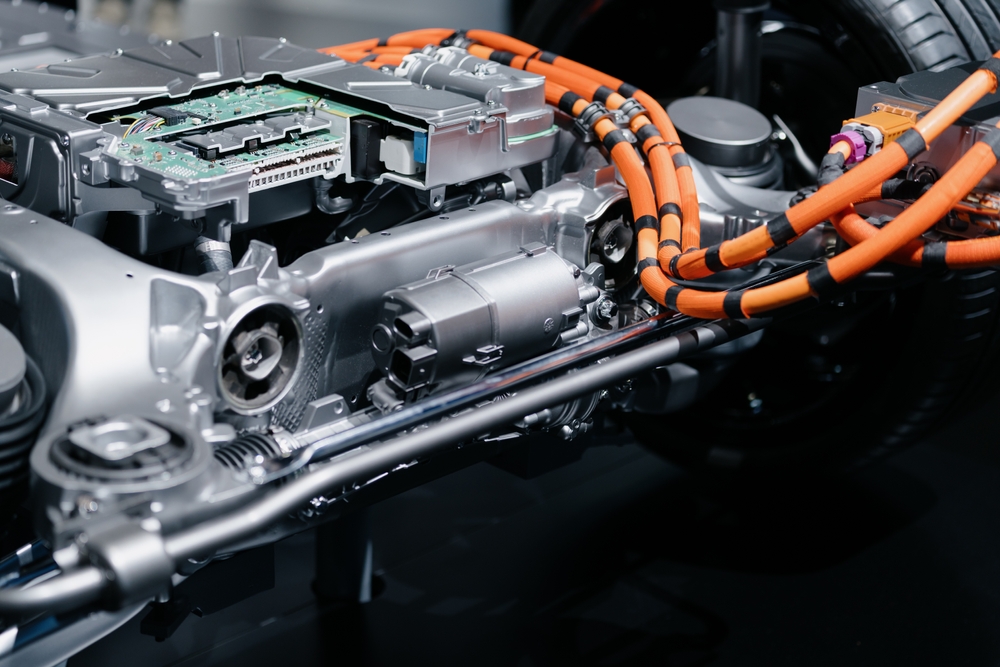
Understanding how electric cars work begins with their essential parts:
| Component | Function |
|---|---|
| Battery Pack | Stores electrical energy. EV range depends on battery capacity (measured in kWh). |
| Electric Motor | Converts electrical energy into motion. Delivers instant torque to the wheels. |
| Inverter | Converts DC power from the battery into AC for the motor. |
| Charging Port | Entry point for electricity from a home outlet or public station. |
| Thermal Management System | Maintains optimal temperature in the UAE heat. |
| Onboard Charger | Regulates electricity flow during charging. |
All these systems work together through a Vehicle Control Unit (VCU) that manages energy flow, acceleration, and regenerative braking, which are crucial for consistent performance on roads like Sheikh Zayed Road.
How Driving an EV Differs
When you press the accelerator in an electric car, the VCU signals the inverter to send current to the motor. The motor then produces torque instantly, giving EVs their signature quick acceleration.
Because there are fewer moving parts, EVs are typically smoother and quieter to drive. There’s no gear shifting in most models, which also simplifies maintenance. Notably, many powertrains use single-speed transmissions, as electric motors can operate efficiently across a wide RPM range.
In cities like Dubai and Abu Dhabi, this seamless acceleration is ideal for stop-and-go traffic. Plus, EVs’ quiet ride significantly reduces noise pollution in residential communities.
Regenerative Braking: Turning Motion into Energy
Another unique aspect of how it works is regenerative braking. When you lift your foot off the accelerator or apply the brake, the motor reverses its function. Instead of consuming energy, it acts like a generator, converting motion back into electrical energy and sending it to the battery.
This process not only increases range but also reduces brake wear. In fact, many EV drivers rely heavily on regenerative braking in daily driving, rarely touching the actual brake pedal. Given the flat road network in the UAE and the frequent speed zones, regenerative braking is highly efficient for energy recovery.
EV Charging Methods in the UAE
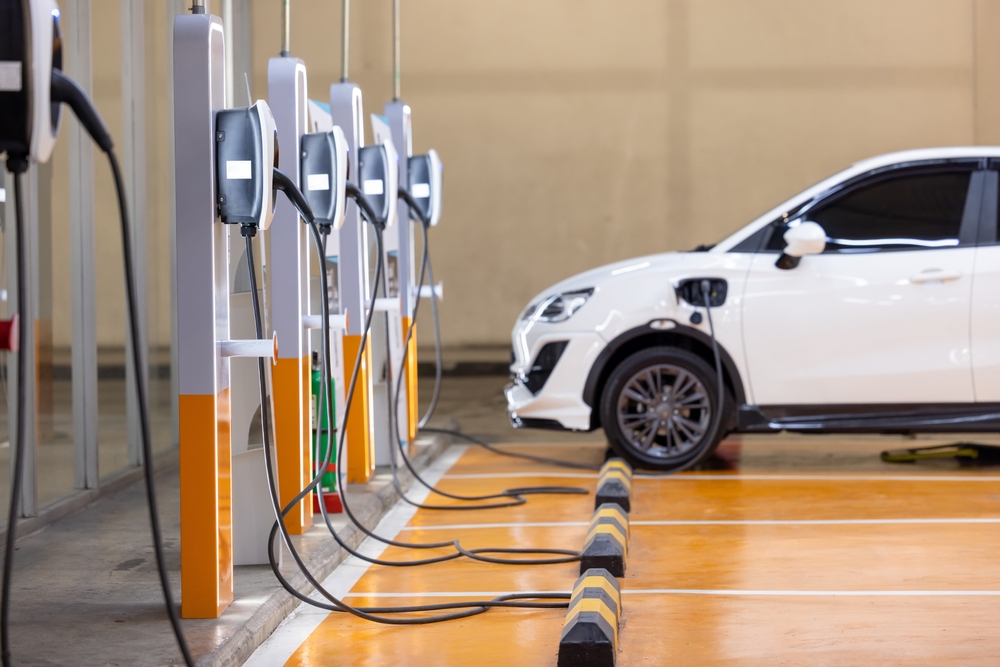
Electric cars can be charged in multiple ways:
| Charging Type | Voltage | Speed | Ideal For |
|---|---|---|---|
| Level 1 | 120V | Adds 5–8 km per hour | Occasional home use |
| Level 2 | 240V | Adds 25–60 km per hour | Home or office setups |
| DC Fast Charging | 400V+ | 80% in 30 minutes | Long-distance travel |
In Dubai, the DEWA Green Charger Network provides hundreds of public charging stations across malls, business hubs, and highways.
For a deeper dive into local infrastructure, explore our post on EV Charging Stations in Dubai.
Thermal Management and Efficiency
Electric vehicles must manage heat effectively, especially during high-speed driving or rapid charging. A built-in thermal management system continuously monitors the battery temperature and circulates coolant to keep it within safe limits. Without this system, overheating could shorten battery life and reduce performance, so it’s a vital part of every EV’s design.
EVs are also far more energy-efficient than traditional cars. While internal combustion engines convert only 20–30% of the fuel energy into motion, electric motors achieve efficiencies of 85% or higher. This means more power goes directly to the wheels instead of being lost as heat.
Thanks to this efficiency, electric cars handle the UAE’s long-distance routes and desert conditions remarkably well. Even when air conditioning is running constantly, EVs maintain strong performance and range, making them both cost-effective and climate-resilient for daily driving across Dubai, Abu Dhabi, and beyond.
How Do Electric Cars Work in Hot Weather?
Electric cars rely on electric motors rather than internal combustion engines. Their primary power source is a high-voltage lithium-ion battery pack, which stores the energy needed to drive the vehicle. When you plug an EV into a charger, electricity flows into the battery and is stored for later use.
Please think of this battery as the fuel tank of a conventional car, but instead of burning fuel, it delivers clean electric power to the motor. This design eliminates the need for engine oil, spark plugs, or fuel lines, making EVs simpler and cleaner to maintain.
The drive unit then converts the stored electrical energy into mechanical energy, turning the wheels with minimal energy loss. Because this process is highly efficient, electric cars use far less power than gasoline engines to achieve the same performance.
In the UAE’s extreme heat, modern EVs are engineered with advanced thermal management systems. These cooling systems regulate battery temperature, ensuring reliable performance and safety even during peak summer months, when temperatures can exceed 45 °C.
Benefits of Electric Cars
Owning an EV offers multiple benefits:
-
Zero emissions: Cleaner air, especially in city centers.
-
Lower running costs: Electricity is far cheaper than petrol.
-
Instant torque: Quick acceleration without gears.
-
Minimal maintenance: Fewer moving parts, less servicing.
-
Government incentives: Free parking, Salik exemptions, and reduced registration in some emirates.
Still wondering if 2025 is the right time to switch? Check out Should You Buy an Electric Car in 2025? Complete Guide.
What About Maintenance & Longevity?
EVs need minimal maintenance:
-
No oil changes or spark plugs.
-
Less brake wear due to regenerative braking.
-
Battery health checks every 6–12 months.
Most manufacturers offer 8–10-year warranties on batteries, providing peace of mind. Many UAE dealerships now offer EV service packages tailored to desert driving conditions.
What It Means for You as a Driver
For UAE drivers, switching to electric means:
-
Smoother commutes in urban traffic.
-
Savings on fuel and service costs.
-
Access to a growing network of fast chargers.
-
Contribution to national sustainability goals.
As more EVs arrive in 2025, the resale value and convenience of ownership continue to rise, making it a wise long-term investment.
Frequently Asked Questions (FAQs)
Q1. Do electric cars handle the UAE’s hot weather?
Yes, modern EVs feature thermal cooling systems to maintain battery temperature even above 45 °C.
Q2. How long does it take to charge an EV in Dubai?
Level 2 chargers add 50 km/h, while DC fast chargers reach 80% in 30 minutes.
Q3. Are there incentives for EV owners?
Yes, free parking, reduced registration, and Salik exemptions in select emirates.
Final Thoughts
So, how do electric cars work? They rely on advanced batteries and electric motors to deliver clean, efficient transportation. With robust infrastructure, supportive government policies, and tech built for heat resilience, electric cars in the UAE are becoming the future of mobility.
Explore further:
Best Electric Cars for Sale in UAE Right Now (2025)
Top 5 Electric Cars in the UAE for 2025
To explore more helpful guides like this, visit ArabWheels and stay informed on everything related to cars and leasing in the UAE.
