
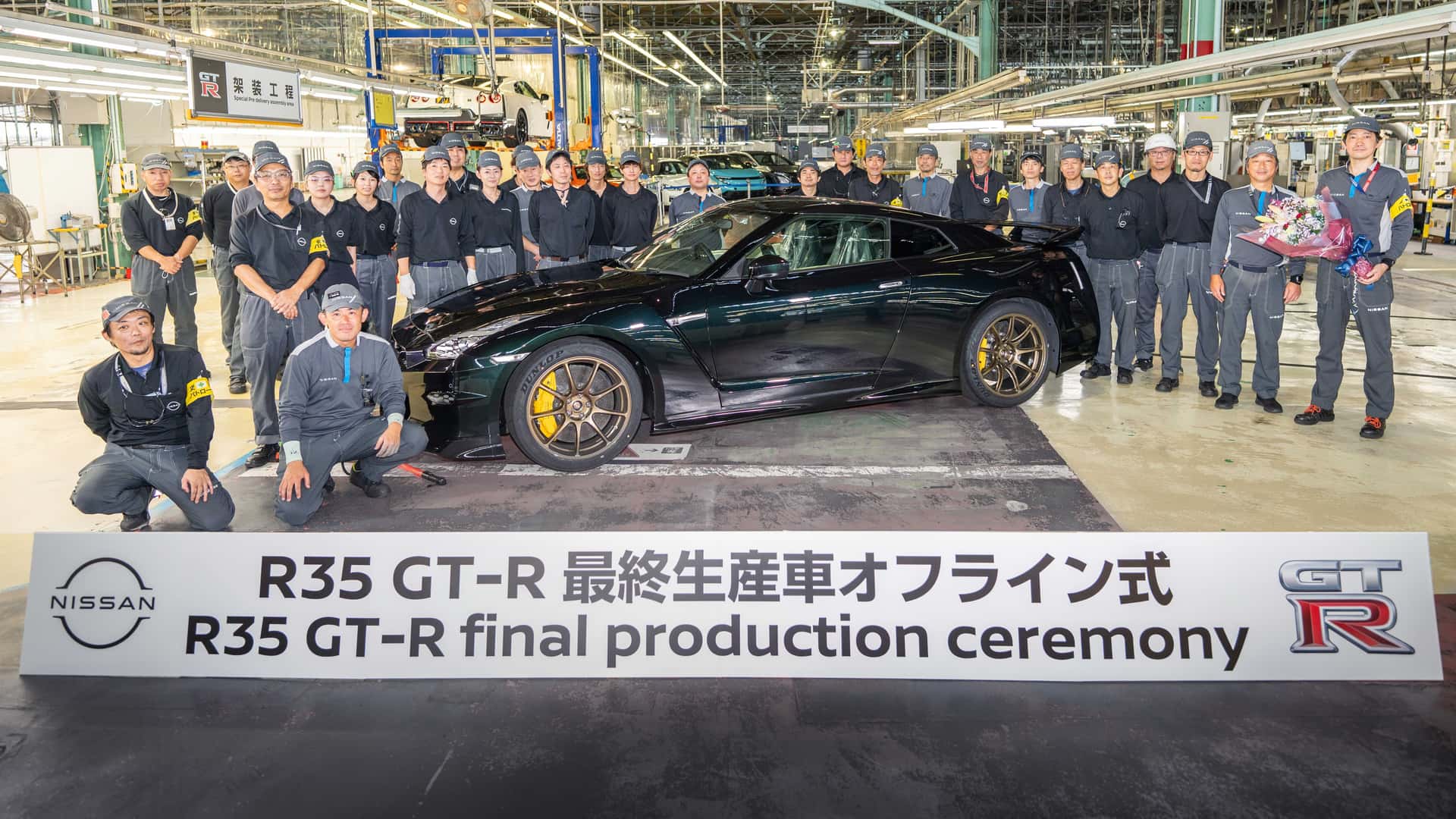
After 18 Years, The Final Nissan GT-R Leaves the Tochigi Factory
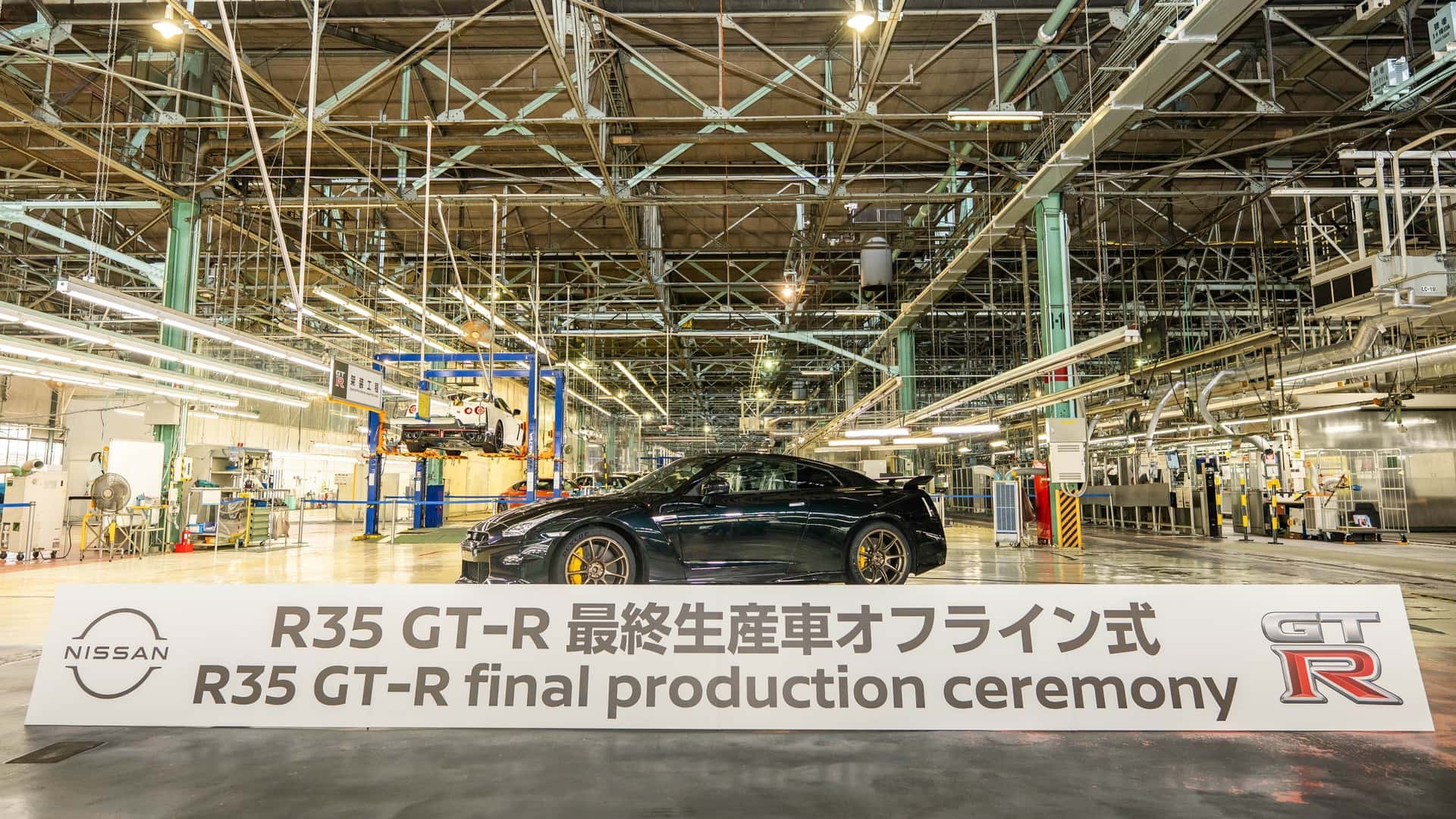
This isn’t easy to write, and it probably won’t be easy to read either. The final Nissan GT-R has just rolled out of the Tochigi factory. Frankly, it feels like watching a beloved friend pack their bags for good. After 18 magnificent, mad years of terrorizing European supercars, the R35 has finally called it quits.
When David Became a Giant
Cast your mind back to 2007. Supercar ownership was still the exclusive playground of oil barons and hedge fund managers. Then along came this angry-looking Japanese beast with a mission: to absolutely demolish everything in its path—that too for roughly the price of a well-specced BMW M3.
The GT-R wasn’t just another sports car. It was a declaration of war written in twin-turbo V6 and delivered at 320 km/h. While Ferrari owners were still arguing about cup holders, Nissan was busy creating a monster that could embarrass them all.
Eighteen Years of Pure Automotive Anarchy
Here’s what always got us about the R35: it never tried to be pretty or sophisticated. It looked like a bunch of angry triangles welded together. The interior had all the charm of a PlayStation console, and the ride quality was “uncompromising.” But it went seriously fast. Fast enough to break Top Gear’s Jeremy Clarkson’s neck.
While other supercars went soft with creature comforts and eco-friendly messaging, the GT-R just got angrier and faster.
The Numbers That Mattered
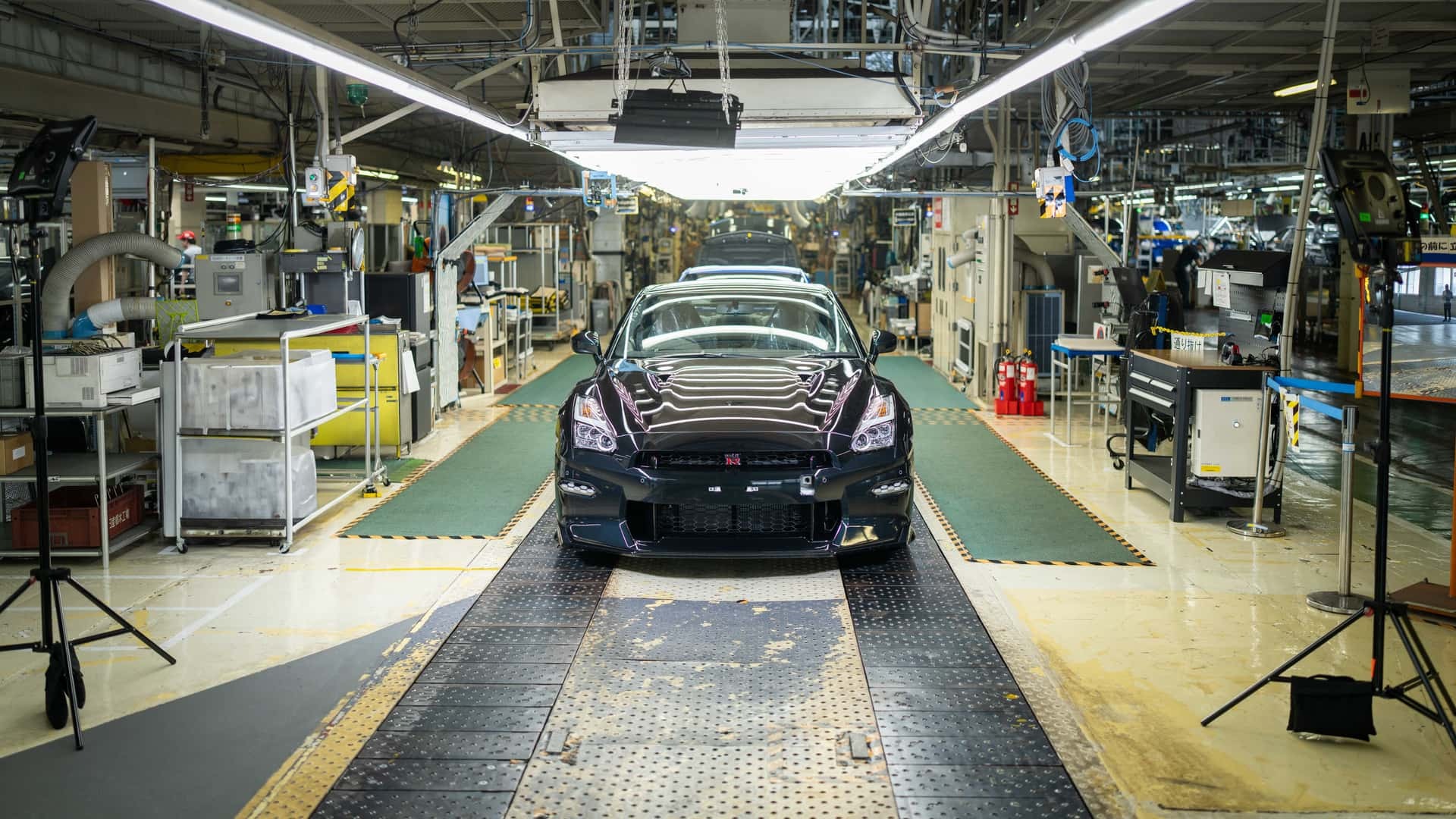
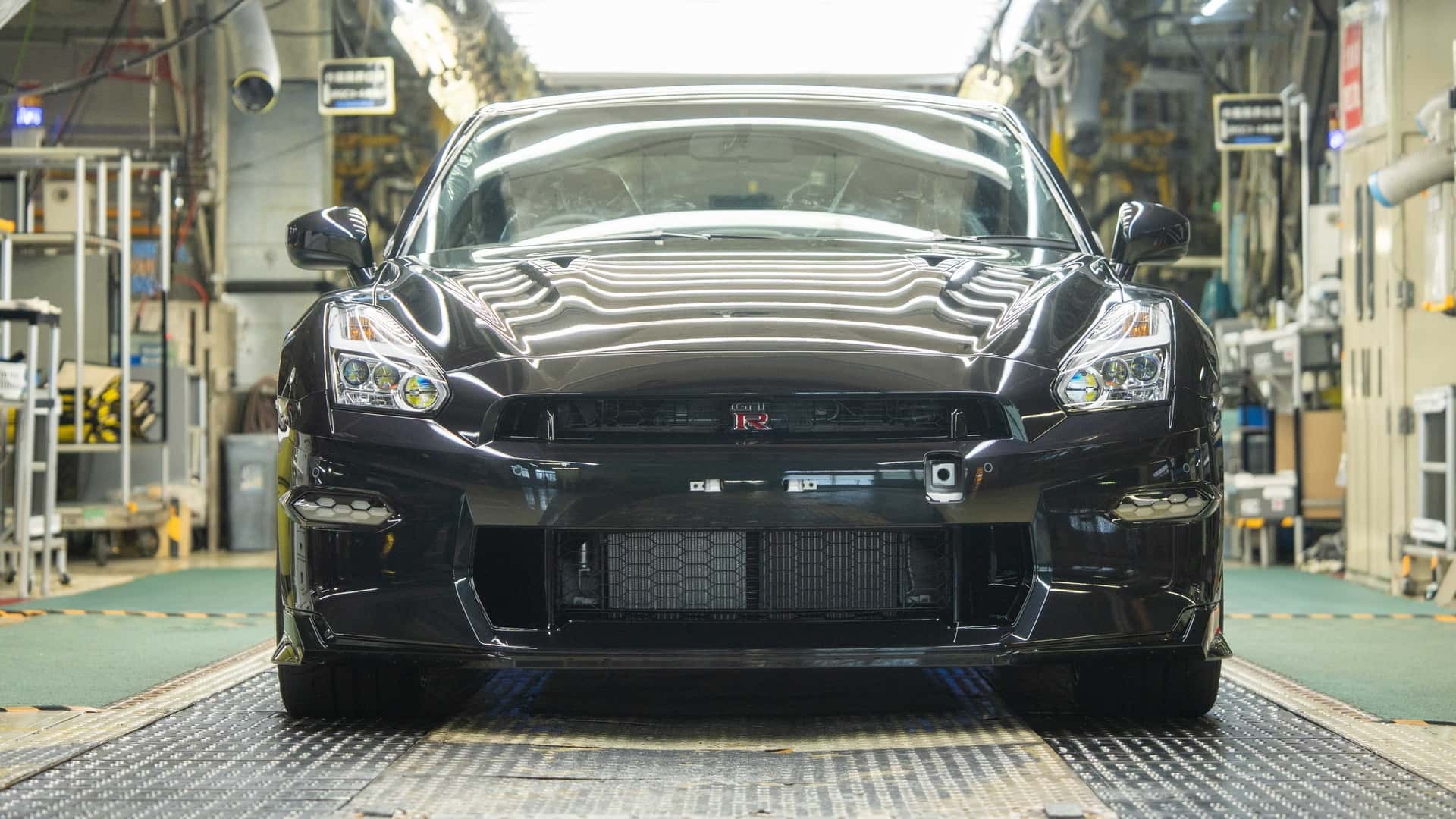
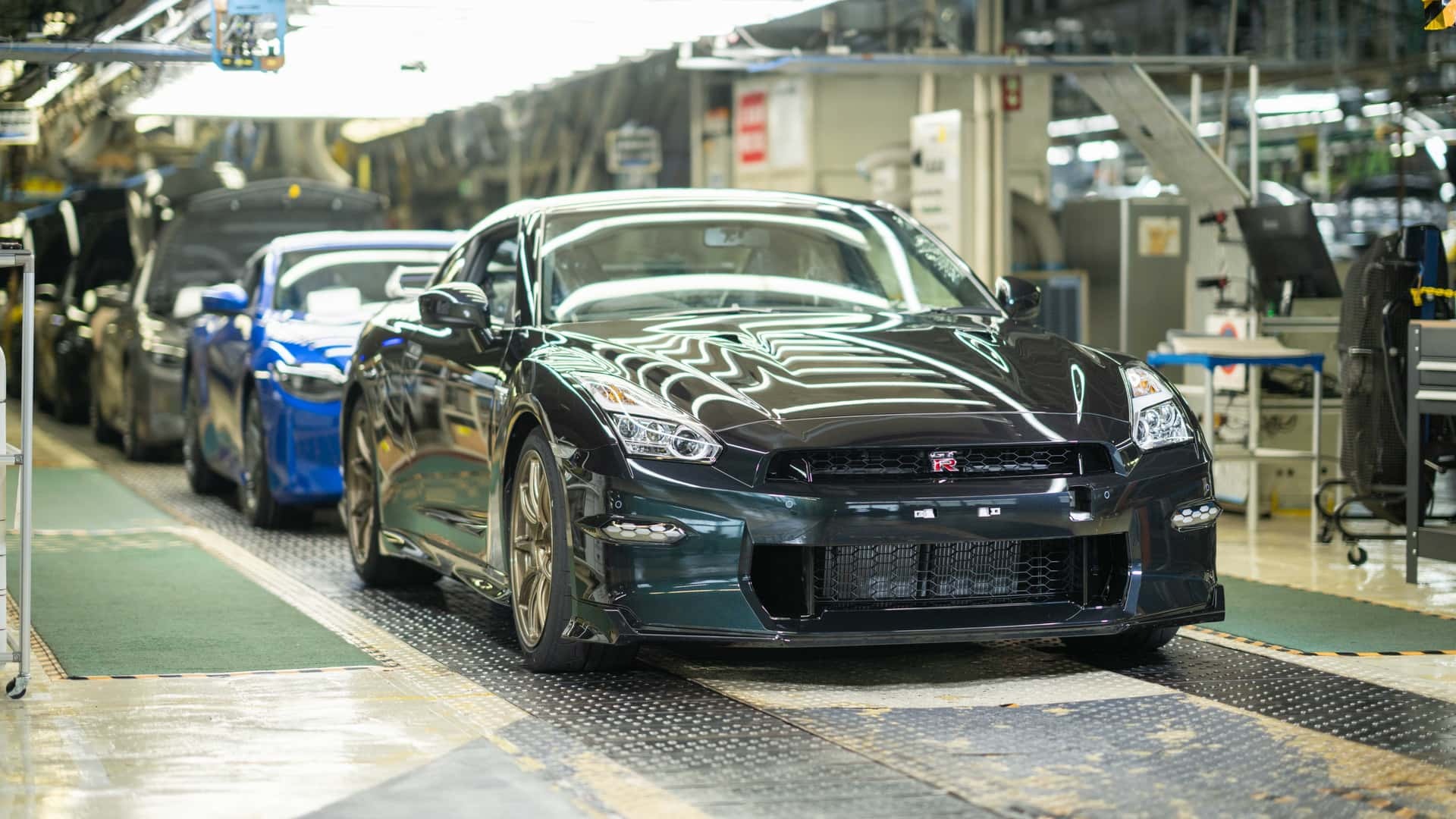
Nearly 48,000 GT-Rs found homes worldwide, making this the most accessible GT-R generation ever built. Each carried a hand-built VR38DETT engine, signed by one of nine Takumi masters who treated every motor like mechanical poetry.
That personal touch in our increasingly automated world meant everything. The final Nissan GT-R was painted Midnight Purple, a color that resonates deeply with every Skyline enthusiast’s soul. Sadly, it’s staying in Japan.
Why This Hurts So Much
The GT-R proved that world-beating performance didn’t require selling your house. It was the people’s supercar, the everyman’s exotic, the car that made Ferrari owners check their mirrors with genuine concern.
More importantly, it maintained its mechanical soul right until the end. No electric assistance, no hybrid complications, just pure, unfiltered internal combustion fury. While other cars got softer and more digital, the GT-R stayed hardcore and hands-on.
What Comes Next
Nissan promises Godzilla will return, probably electrified and definitely more complex. The Hyper Force concept looks properly mental, and if it captures even half the R35’s spirit, we might be alright. But will an electric GT-R make that same earth-shattering noise? Will it have that mechanical brutality that made the R35 special?
We’re losing something irreplaceable here. The final Nissan GT-R represented the last hurrah of affordable supercar simplicity, the final chapter of the “just add more power and see what happens” engineering.
A Proper Goodbye
The GT-R made supercars affordable, embarrassed expensive rivals, and proved Japan still built legendary performance cars. As that last Midnight Purple GT-R sits in its garage, it carries the dreams of everyone who ever wanted something special. The R35 taught us that heroes don’t always wear Italian badges or cost six figures.
Godzilla may be sleeping, but legends never really die. They just wait for their next chance to roar. Thanks for reading till the end. Share your feelings with us in the comments below. Keep following the Arabwheels Blog for more content like this.