
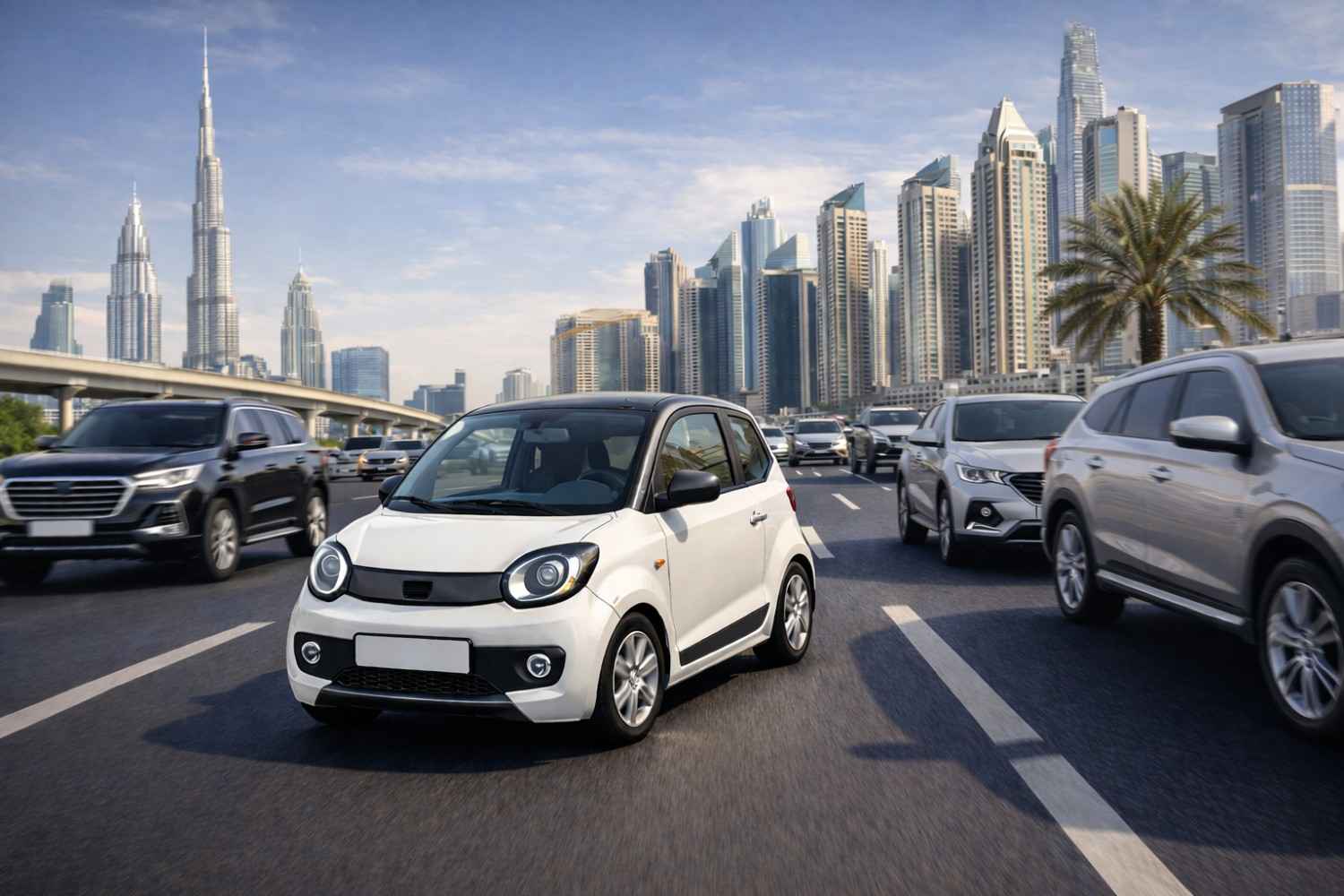
Why Tiny Cars Are Becoming a Top Priority for People in 2026
How urban congestion, rising ownership costs, and sustainability goals are reshaping car choices across UAE cities

Tiny cars have become a top priority, a shift now clearly visible on UAE roads, in crowded parking garages, and on monthly fuel bills. Big vehicles are slowly losing their everyday advantage, while smaller cars are quietly taking over city driving.
UAE cities continue to grow upward and inward. Roads feel tighter. Parking is harder to find. At the same time, owning and running a large vehicle costs noticeably more than it did just a few years ago. For many drivers, the maths has changed.
This change is not about trends or image. It is about what actually works in modern urban life. More people are choosing cars that fit their routines rather than those that simply make a statement.
Key Highlights
-
Traffic congestion and parking pressure are reshaping car-buying decisions
-
Ownership costs now matter more than size or road presence
-
UAE city layouts favour compact vehicles
-
Sustainability policies support smaller and cleaner cars
-
Right-sized cars reduce daily stress and expenses
Cities Are No Longer Built for Oversized Vehicles
UAE cities move quickly and operate with efficiency. Residential areas offer tighter parking spaces, while commercial districts prioritise traffic flow over vehicle bulk. According to data from the Road and Transport Authority (RTA), congestion has steadily increased across major urban corridors.
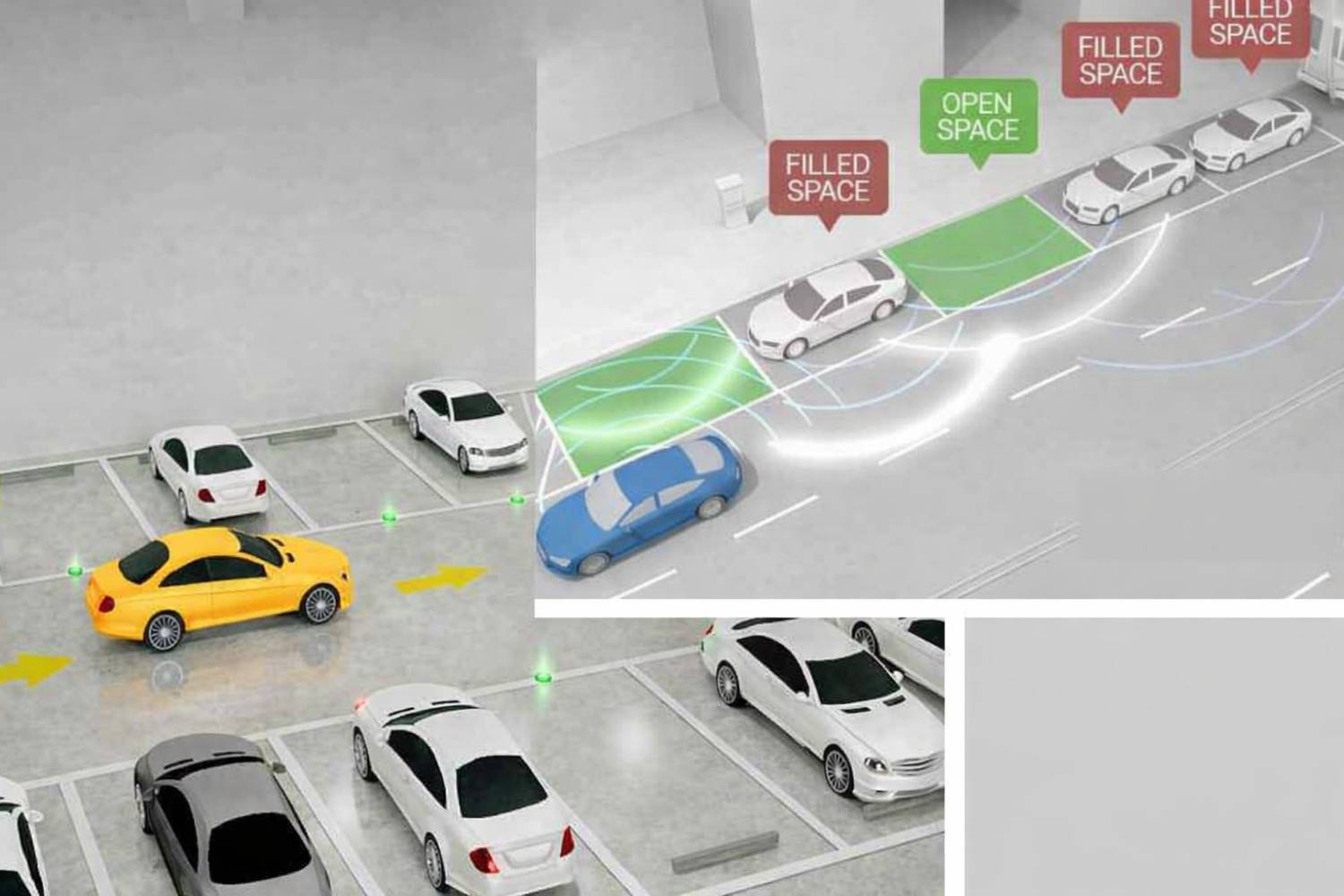
Large vehicles struggle in these conditions. They need more space, consume more fuel in stop-and-go traffic, and turn simple errands into stressful tasks. Smaller cars fit naturally into this environment. They are easier to park, smoother to manoeuvre, and far less demanding during short city trips.
This mismatch between vehicle size and city design explains why tiny cars are becoming a top priority for people who spend most of their time driving within urban limits.
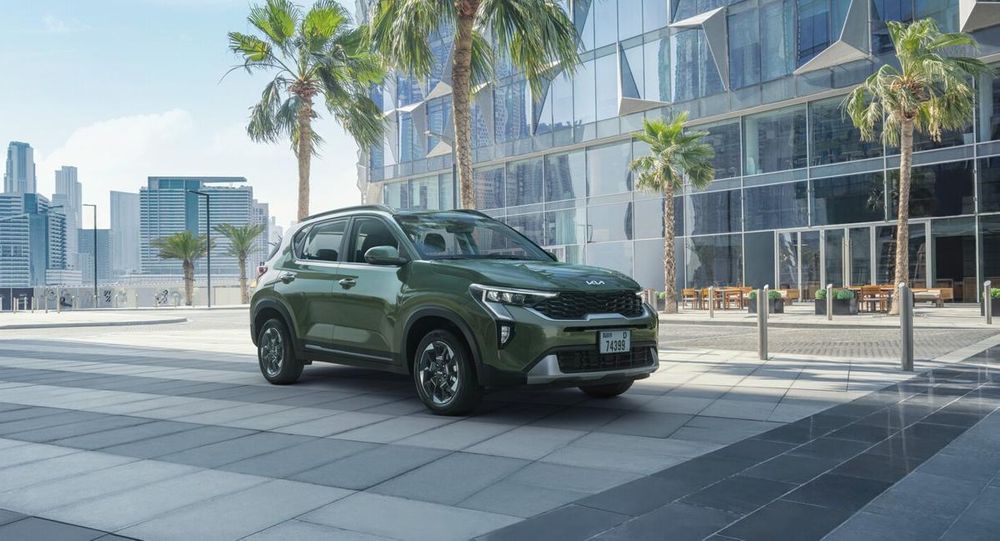
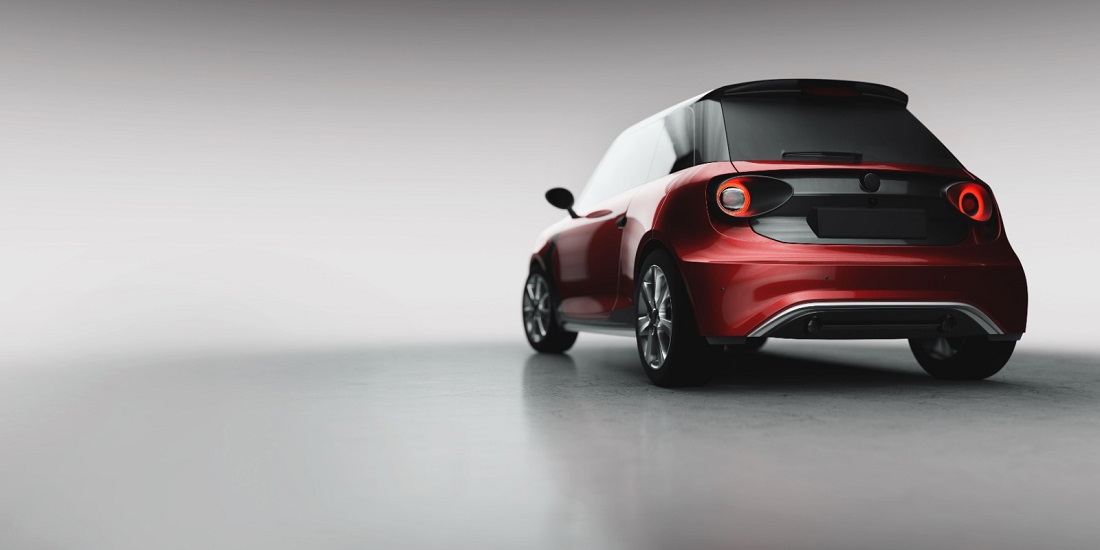
Cost Pressure Is Reshaping Ownership Choices
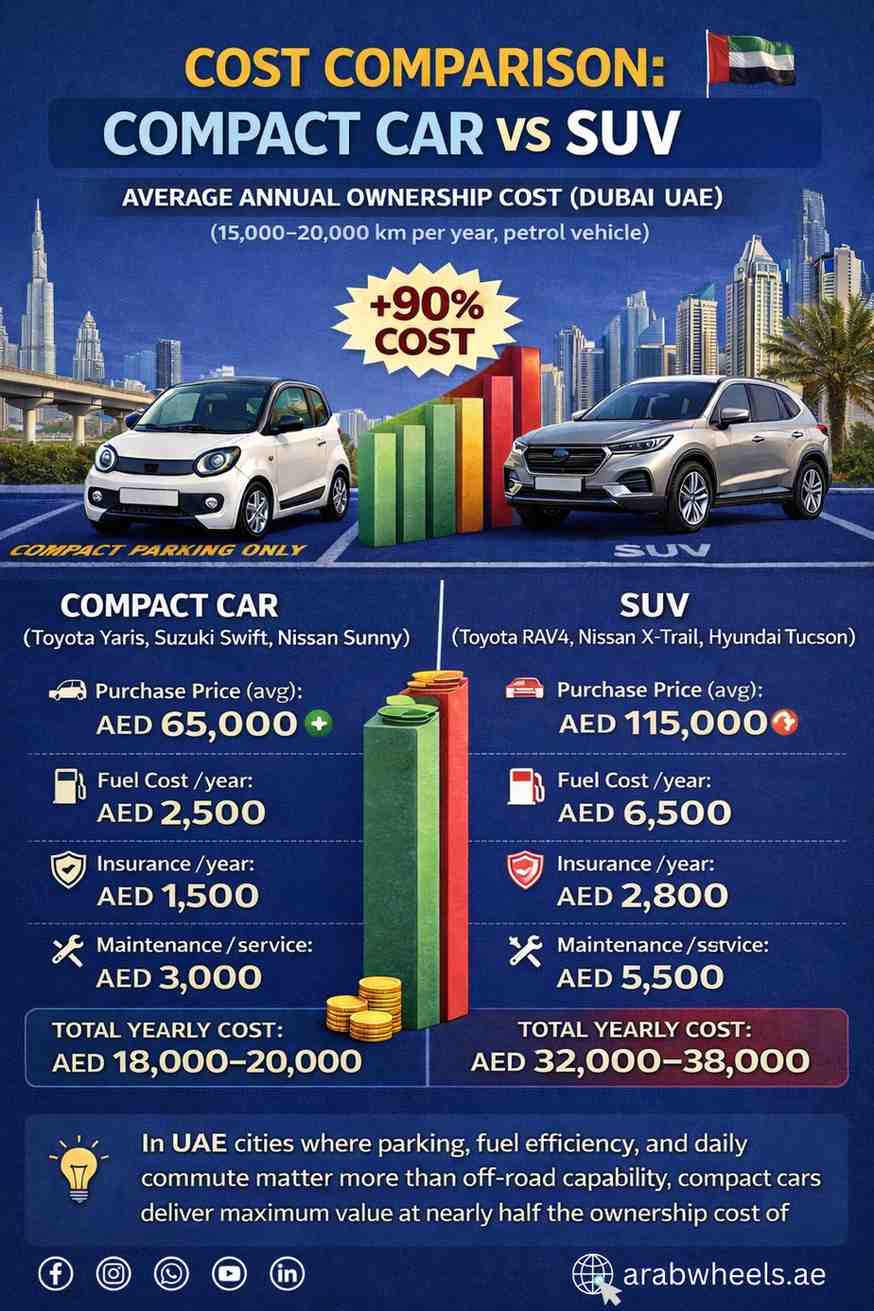
Running a car today is about more than engine power or road presence. Costs now lead the conversation, and compact cars consistently come out ahead.
| Expense Type | Compact Car | Large SUV |
|---|---|---|
| Fuel use | Low | High |
| Insurance | Lower | Higher |
| Maintenance | Simple | Complex |
| Parking fees | Minimal | Higher |
In UAE cities, these differences grow more noticeable over time, especially for drivers covering 15,000 to 20,000 kilometres each year.
Fuel-efficiency data shared by UAE automobile distributors show that compact vehicles can cut monthly fuel spending by 25 to 35% in city driving. For residents balancing rent, utilities, and transport, those savings are real and recurring.
How Does This Affect You as a Daily Driver
This is where the shift becomes personal.
If most of your driving happens inside the city, you already know the pattern. You spend more time braking than accelerating. Parking often takes longer than the drive itself. Highway power rarely matters.
In that context, a smaller car usually makes more sense than a larger one. It costs less to run, takes less effort to live with, and fits better into everyday routines. That practical advantage is exactly why tiny cars are becoming a top priority for people who value ease over excess.
Sustainability Is Accelerating the Shift
Environmental responsibility now sits at the centre of transport planning in the UAE. Both Dubai Municipality and the RTA have made sustainability a core part of their long-term mobility strategies.
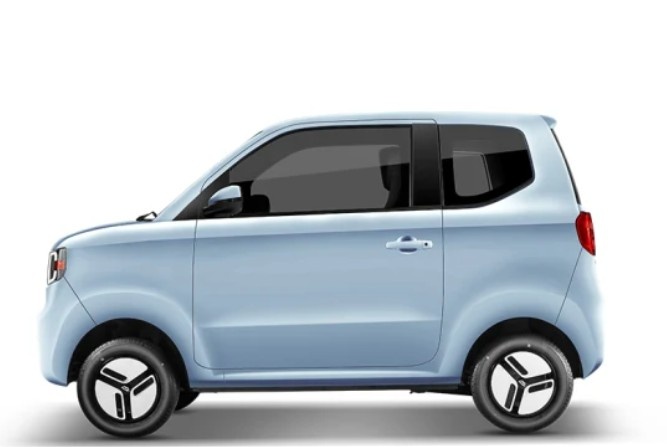
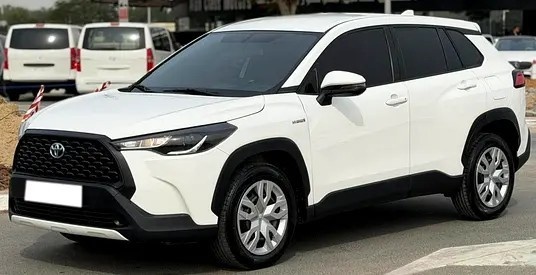
Compact vehicles support these goals naturally. They consume fewer resources, produce lower emissions, and transition more easily to hybrid and electric power. As charging infrastructure expands, smaller electric cars are becoming a logical solution for city-based travel.
Technology Has Removed the Old Compromises
Smaller cars no longer mean basic features. That trade-off is gone.
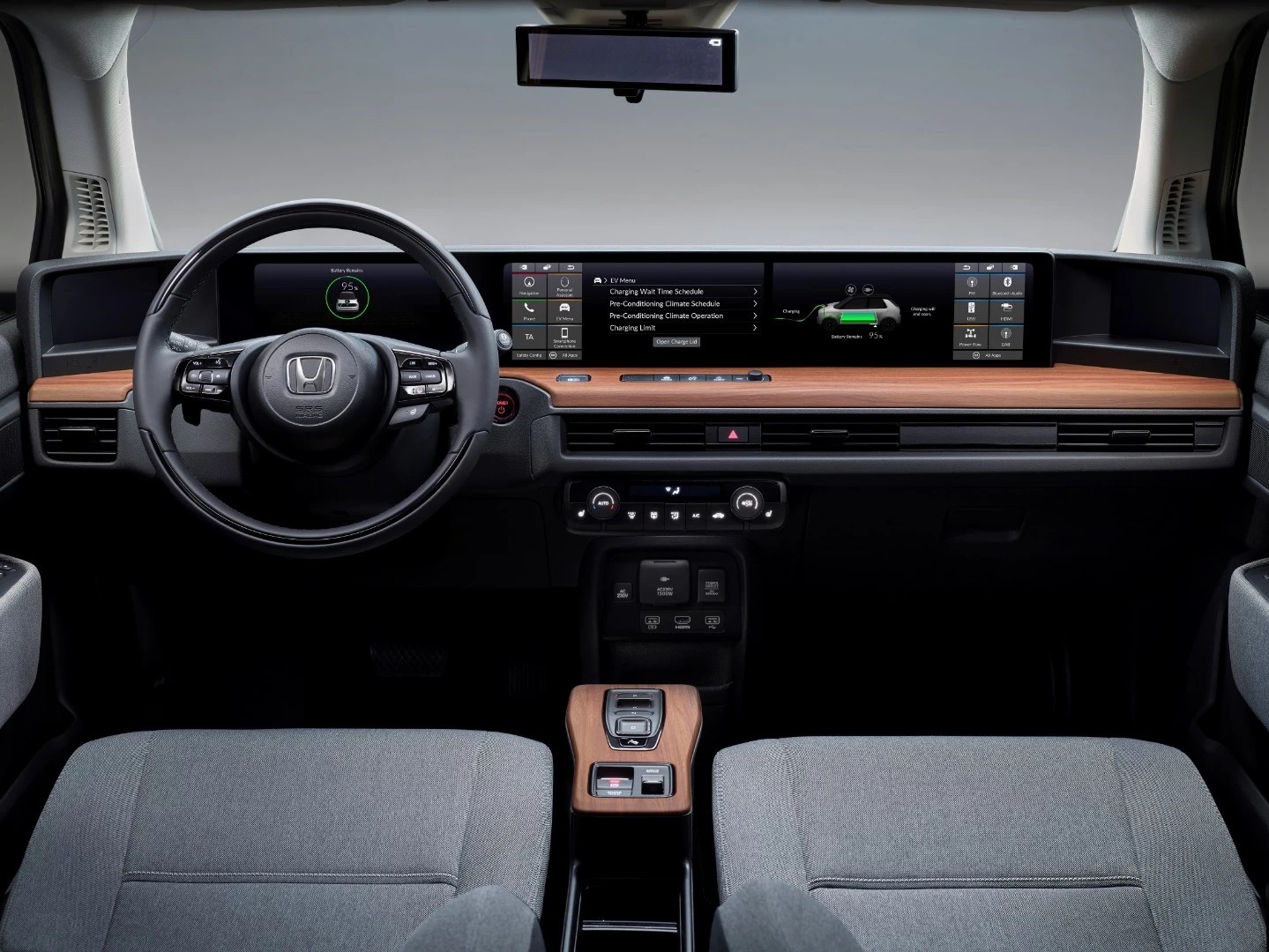
Modern compact vehicles now include systems once limited to premium models. Adaptive cruise control, connected infotainment, advanced driver-assistance features, and electrified drivetrains are increasingly standard. Manufacturers such as Toyota and Hyundai confirm these upgrades through official specifications and press releases.
Drivers get smarter, safer cars without the bulk.
Common Mistakes Buyers Still Make
Despite clear advantages, some habits persist:
-
Buying large vehicles for rare scenarios
-
Assuming size automatically equals safety
-
Ignoring long-term ownership costs
-
Overestimating daily space requirements
Modern compact cars meet international safety standards and comfortably handle everyday urban use.
Practical Tips for Choosing the Right Compact Car
Before buying, focus on real usage:
-
Measure your daily commute distance
-
Check parking access at home and work
-
Compare fuel-efficiency ratings
-
Review local service and parts availability
-
Consider hybrid or electric options
Always test-drive in real city traffic, not empty highways.
Frequently Asked Questions(FAQs)
Are compact cars safe on highways?
Yes, current models meet international safety standards and include modern driver-assist systems.
Do small cars work for families?
Many offer flexible seating and smart storage for small households.
Can electric compact cars handle the UAE heat?
Manufacturers now test batteries under extreme temperatures, including those in the Middle East.
Will resale value hold up?
Rising urban demand suggests stable resale performance.
Final Takeaway: Smaller Makes More Sense Now
If you are wondering why tiny cars are becoming a top priority for people, the answer is simple. They fit real urban life better. As cities tighten and costs rise, practicality matters more than excess. Smaller vehicles match how people actually drive, park, and spend.
Tiny cars are not about giving something up. They are about choosing efficiency, ease, and long-term value in modern UAE cities.
Thinking of switching to a compact car? Explore expert reviews, UAE pricing insights, and real-world comparisons on the ArabWheels blog to find the right small car for your daily drive.
