
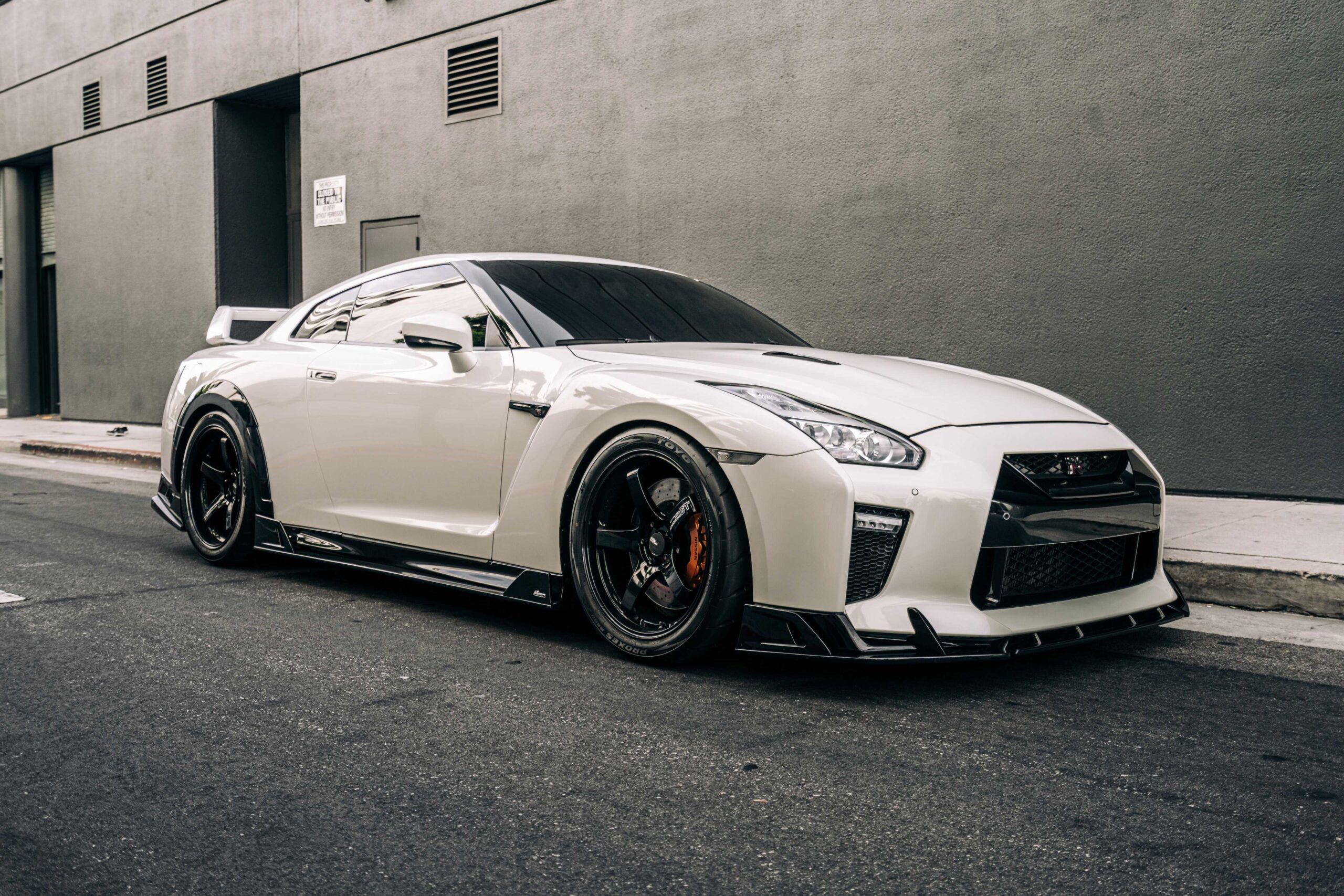
Why Modern Sports Cars Feel Boring: It’s Not the Cars, It’s You
Sports cars have never been faster, sharper, or more capable than they are right now. Yet somehow, keyboard warriors and garage philosophers keep complaining that modern performance cars lack soul. Here’s the uncomfortable truth: the problem isn’t with the cars.
Every grumpy enthusiast has the same tired complaints. No more manual transmissions. Too much electronic interference. Electric motors have no character. Turbo engines don’t sound right. It’s all very predictable and misses the point completely.
The Myth of Manual Transmission
Let’s start with the myth of manual transmission. Yes, stick shifts are disappearing faster than affordable housing in Dubai. Manual transmissions now make up less than 3% of new car sales, down from over 25% in the 1990s. But here’s what the purists won’t admit: modern automatics and dual-clutch boxes shift faster and more precisely than any human ever could.
Your nostalgic heel-and-toe downshifts weren’t as smooth as you remember and weren’t faster than a computer doing the same in 0.1 seconds.
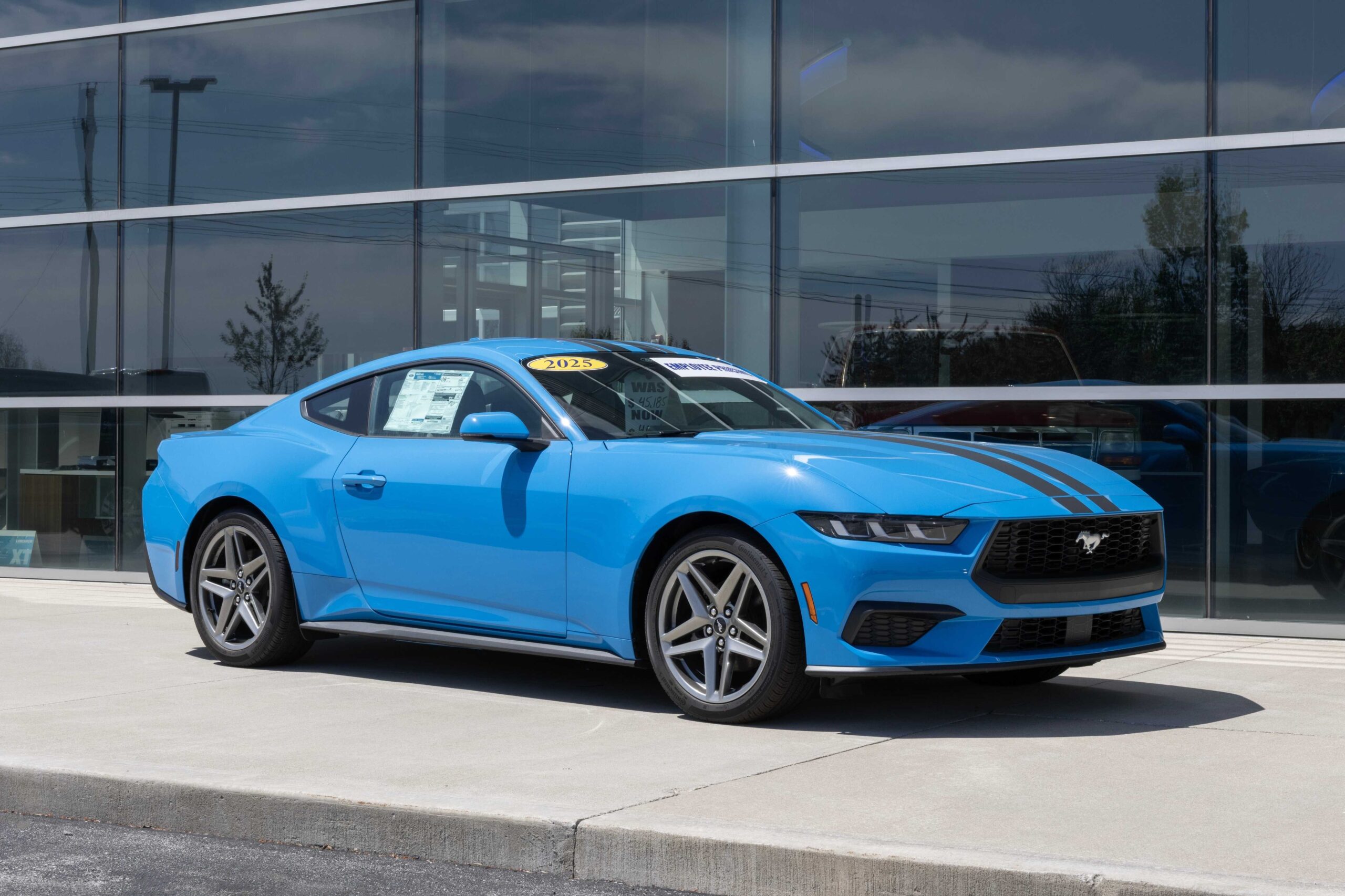
Emissions killed Great Engines
The safety and emissions excuse gets trotted out constantly, too. Stricter crash standards and environmental rules supposedly killed the raw, screaming engines we loved. But this ignores reality completely. Modern turbocharged engines make more power per liter than naturally aspirated monsters ever did.
The current BMW M2 produces 453 hp from its 3.0-liter engine. The legendary E46 M3 needed 3.2 liters to make 333 horsepower. Which one sounds boring now?
ADAS is Proper Ragebait
Then there’s the electronics panic. Stability control, traction control, and torque vectoring apparently disconnect you from the road. Except they don’t. They make you faster and keep you alive when your driving skills hit their limit. Most of these systems can be turned off anyway, but somehow that never makes it into the complaint forums.
Sports cars today are engineering marvels that would embarrass yesterday’s heroes. A base Porsche 911 Carrera hits 100 km/h in 3.8 seconds and handles like it’s on rails. A Tesla Model S Plaid does 0-100 km/h in under 2 seconds while seating seven people.
The Lotus Emira weighs 1,451.5 kg and delivers a pure analog steering feel that purists claim no longer exists.
We are the Problem
The real issue isn’t mechanical. It’s psychological. Enthusiasts built their identity around mastering complicated, flawed machines. When cars got better, faster, and easier to drive quickly, it felt like the challenge disappeared. But the challenge didn’t vanish. It evolved.
Modern sports cars require different skills. Instead of fighting unpredictable handling and crude controls, you’re learning to extract maximum performance from incredibly sophisticated systems. The driving challenge moved from basic car control to understanding advanced dynamics, power delivery, and chassis tuning. That’s actually harder, not easier.
Electric sports cars trigger the most dramatic pearl-clutching. No engine noise means no soul, according to the traditionalists. But instant torque delivery changes everything about how performance feels. A Porsche Taycan Turbo S delivers 750 hp immediately, with no turbo lag, no gear changes, and no waiting for the power band.
It’s so brutally fast that it redefines what sports car acceleration means. The sound argument falls apart quickly as well. BMW’s electric M cars still sound aggressive. Hyundai’s electric N models generate addictive artificial pops and crackles. The audio experience is different, not worse.
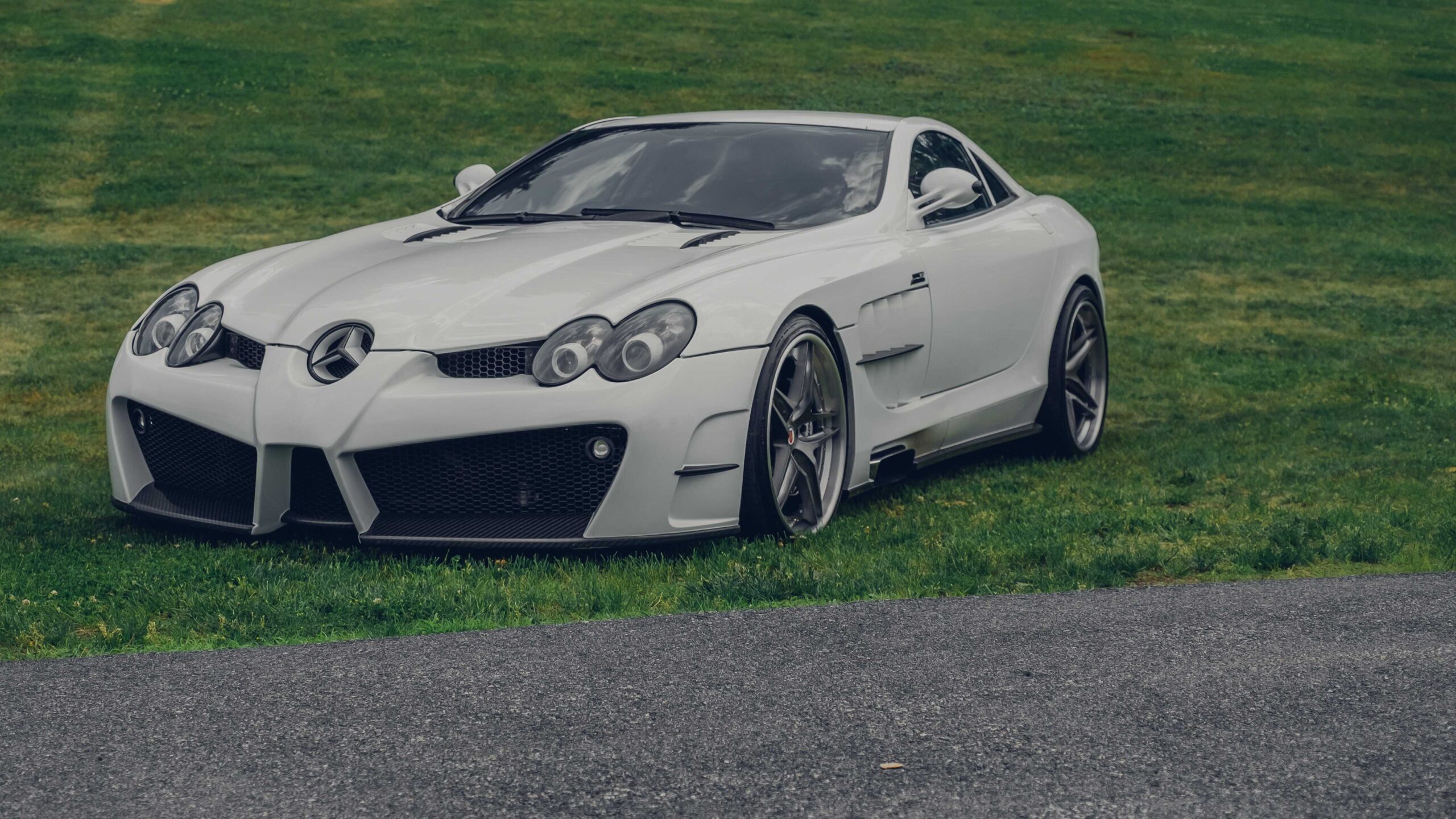
The Weight Factor
Weight complaints ignore modern engineering magic. Yes, batteries and safety equipment add mass. However, active suspension, torque vectoring, and carbon fiber construction counteract these effects effectively. The new Corvette Z06 weighs 1614 kg and laps tracks faster than cars half its weight from previous generations.
Market economics supposedly killed small, lightweight sports cars for boring crossovers. But the market still delivers exactly what enthusiasts claim to want. The Mazda MX-5 Miata remains light, simple, and engaging. The Toyota GR86 offers RWD thrills for under AED 110,100. The Alpine A110 weighs just 1089 kg and prioritizes handling over horsepower. Porsche still builds the Cayman GT4 for people who want pure driving connection.
The problem is that modern sports cars are so good that they make average drivers feel special. When any soccer parent can buy a 300 hp crossover that hits 100 km/h in 6 seconds, owning something quick feels less exclusive. The bragging rights that came with managing a temperamental performance car disappeared when reliability improved.
Stuck in the 90s
Enthusiasts also cherry-pick their nostalgia. They recall classic sports cars’ highlights but forget frequent breakdowns, poor fuel efficiency, uncomfortable seats, and difficult handling. A 1990s Honda NSX was amazing for its time, but it gets destroyed by a current base Corvette in every measurable way.
The aftermarket and track day scenes prove that engagement hasn’t disappeared. Thousands of people spend weekends pushing modern sports cars to their limits on race circuits. Tuning companies make millions modifying already-fast cars to go even faster. If the machines were truly boring, none of this would exist.
Conclusion
Sports cars will continue evolving in ways that scare traditionalists. Synthetic sounds, haptic feedback, and adjustable driving dynamics will replace mechanical compromises with digital precision. However, automakers will continue to build analog experiences for the shrinking group that truly wants them.
The truth is that sports cars aren’t boring. They’re just too good at being sports cars. They’re faster, safer, more reliable, and more capable than ever before. If that feels boring to you, the problem isn’t with the engineering. It’s with your expectations.
What are your views on why modern sports cars feel boring? Let us know if you agree or disagree with our opinion in the comments below. Keep following the Arabwheels Blog for more content like this.