Why JDM Car Culture Is Still Huge in the UAE

From Skyline GT-Rs and Supras to track days and collector cars, here is why JDM culture still has a strong following across the UAE.

0 405

On Dubai roads, a Nissan Skyline can end up beside a Lamborghini at one traffic light and a modified Toyota Supra beside a Land Cruiser at the next. That contrast reflects the lasting appeal of JDM car culture in the UAE, decades after many of these cars first became enthusiast icons.

The scene now extends well beyond modified engines and film-driven nostalgia. Across the Emirates, Japanese performance cars are part of a wider enthusiast scene built around collectors, specialist workshops, car shows, track days, and owners who grew up with names such as the GT-R, Supra, Evo, Silvia, and RX-7.

However, one distinction matters from the start: not every Japanese performance car is technically JDM.

JDM vs Japanese Cars: The Difference Matters

JDM stands for Japanese Domestic Market. Strictly speaking, it refers to vehicles and parts originally produced for sale in Japan.

That means a Japanese-brand car sold new in the UAE is not automatically a JDM model. A GCC-spec Toyota Supra, for example, is still a Japanese performance car, but it was built for markets outside Japan.
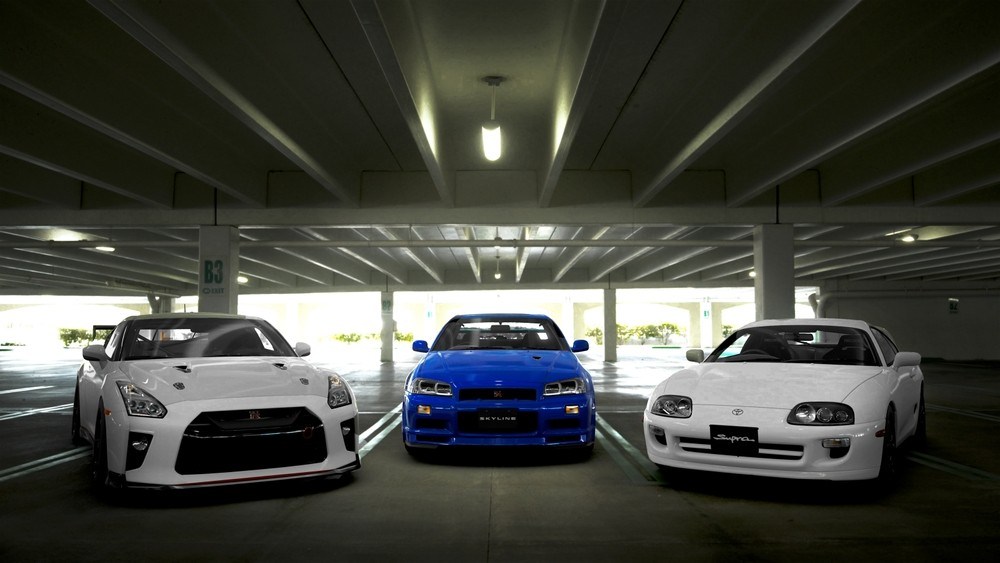
Nissan GT-R, Skyline GT-R and Toyota Supra parked together at a car meet.|Arabwheels.ae
The Nissan GT-R, Skyline GT-R and Toyota Supra remain key icons of JDM performance culture.

In enthusiast circles, however, JDM culture is often used more broadly than the term’s strict technical definition. It can refer to Japanese performance cars, tuning styles, motorsport influences and the communities built around them.

That wider meaning fits the UAE particularly well because genuine Japanese-market imports share the scene with GCC-spec GT-Rs, Supras and other Japanese performance cars.

How JDM Car Culture Took Root in the UAE

The UAE scene predates today’s social-media builds and large organised shows.

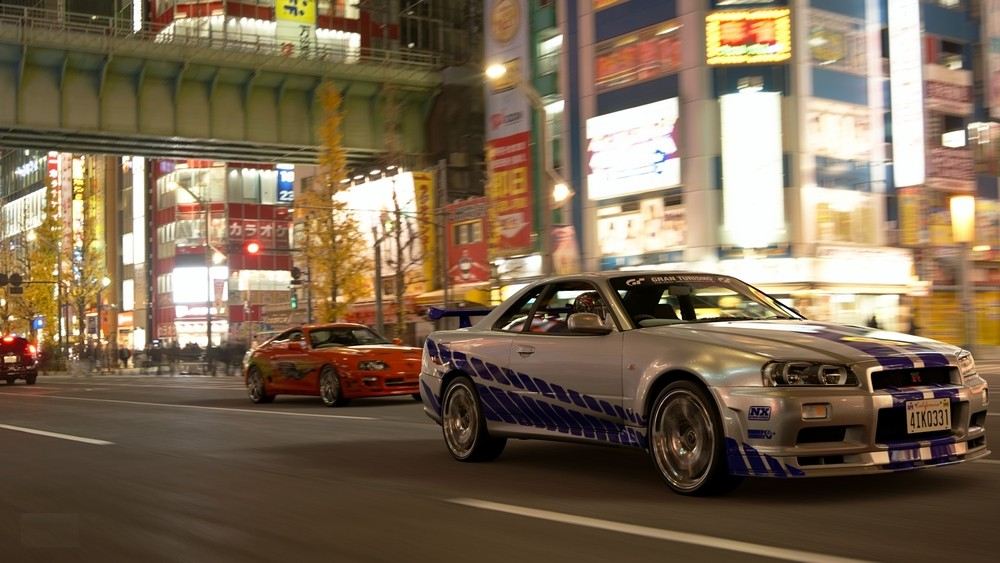
By the early 2000s, Japanese performance cars such as the Skyline, Toyota Supra, Mitsubishi Lancer Evolution and Nissan Silvia had become established enthusiast icons internationally, helped by motorsport, tuning media, video games and films.
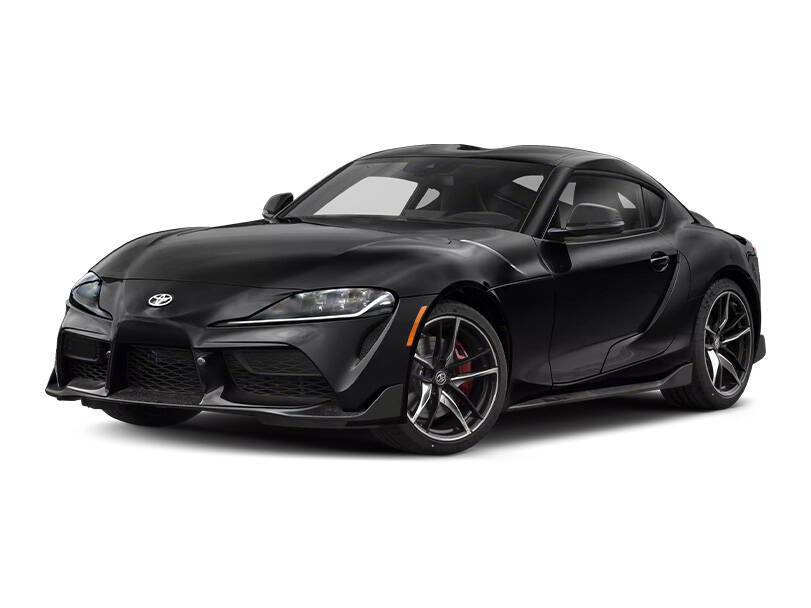
Dubai developed its own community around Japanese performance cars. Today, specialist workshops and UAE-based parts marketplaces support owners in maintaining, modifying and restoring older Japanese performance cars. Over time, the scene became less about simply owning a fast Japanese car and more about the culture surrounding it.

A Gulf News feature on Skyline R34 owner Mohsin Raza Malik captured that community element years ago. Malik described evening cruises around Jumeirah Beach Road, Al Mamzar and Dubai Marina with JDM groups, while also discussing a Silvia project intended for drifting competition.

“Evening cruises along Jumeirah Beach Road, Al Mamzar and around the Marina with my JDM groups is a lot of fun.” — Mohsin Raza Malik, cited by Gulf News

The interview shows that Dubai already had active JDM owner groups and drift-focused projects by 2018, before several of today’s larger enthusiast events became fixtures on the calendar.

Why UAE Enthusiasts Still Keep JDM Culture Alive

Japanese brands also benefit from an established ownership base in the UAE.

Familiar brands, widespread maintenance knowledge and a sizeable parts and aftermarket network have supported Japanese-car ownership for decades. Market analysis also points to reliability, running costs, parts availability and resale value as key factors behind the popularity of Japanese vehicles across the UAE and wider GCC.

For enthusiasts, the performance models added another dimension

Models such as the Skyline GT-R, Supra, Lancer Evolution, RX-7 and Silvia became popular tuning platforms, with owners pursuing everything from factory-style restorations to high-output builds.

One owner might restore an R32 GT-R close to factory specification; another may build a Supra around substantially higher power.
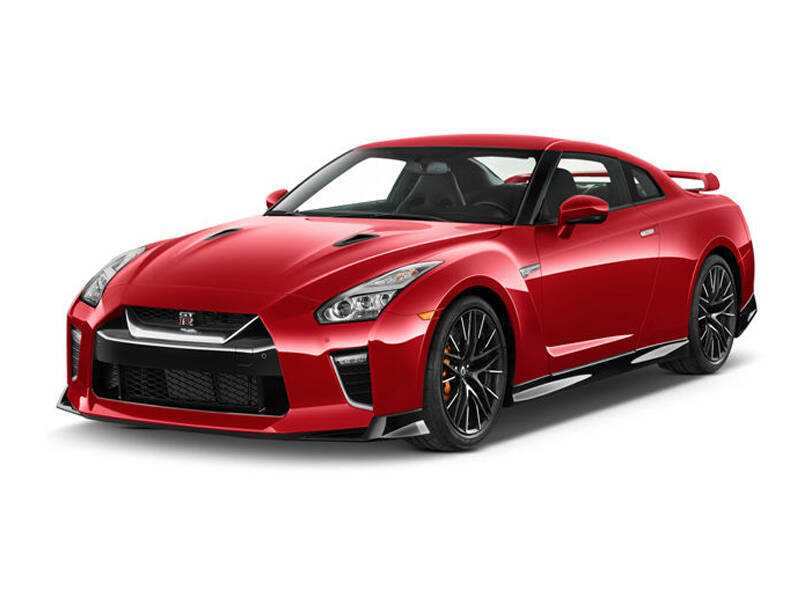
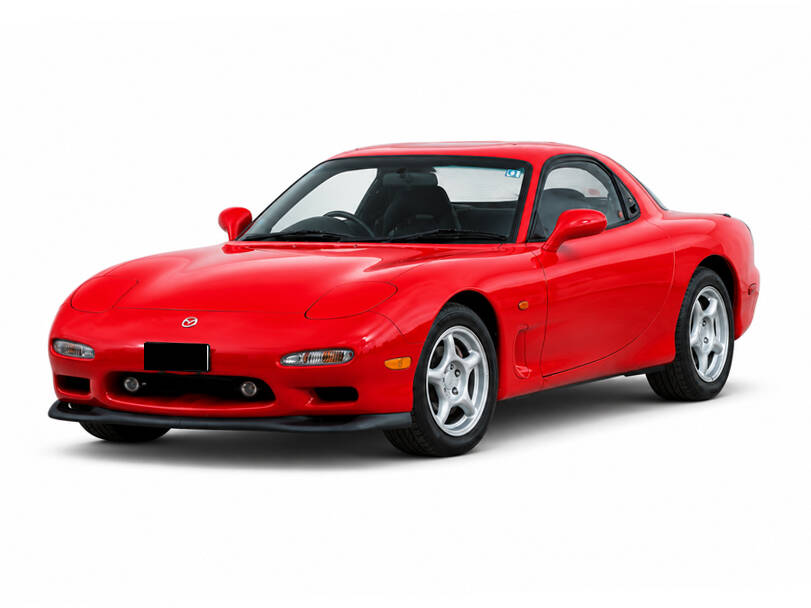
For many owners, that flexibility turns an older Japanese performance car into a long-term restoration or modification project.

GT-Rs, Supras and Evos Still Define the Scene

Several models continue to dominate discussions of 1990s and early-2000s Japanese performance cars.

The Nissan Skyline GT-R remains one of the most recognisable examples, particularly the R32, R33 and R34 generations. Toyota’s A80 Supra holds similar status, while the Mitsubishi Lancer Evolution built its reputation around turbocharged performance, all-wheel drive, and rally influence.

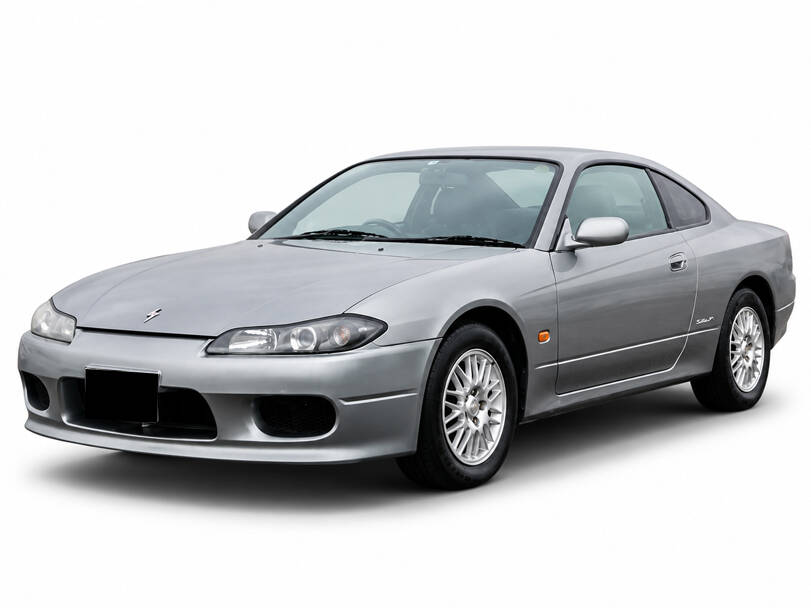
The Nissan Silvia is strongly associated with enthusiast drift builds, while Mazda positioned the RX-7 around low weight, responsive handling, and its rotary engine.

These cars still attract enthusiasts who first discovered Japanese performance culture through games, films, magazines, and motorsport. Titles such as Gran Turismo, Initial D, and Need for Speed helped introduce an entire generation to JDM performance before many later encountered the cars at UAE meets and circuits.

An active UAE market still exists for these cars and their parts. Local marketplaces list Japanese performance cars, engines, wheels, and model-specific components, while specialist workshops offer maintenance, tuning, and restoration services.

From Car Shows to Yas Marina, the Scene Has a Home

Car culture needs places where owners can meet, display their builds and use them safely.

Offset DXB is one example. Its 2024 event displayed 87 customised cars and attracted 3,400 visitors, according to DubiCars. Cars highlighted at the event included a Toyota Sprinter Trueno, Mazda RX-7 and Nissan Skyline R32 GT-R.

Custom Show Emirates has also featured Toyota Supras, R32-R35 GT-Rs, S14 Silvias and Toyota Mark IIs alongside a much broader selection of modified vehicles.

Then there is the circuit.

Yas Marina Circuit offers open track activities and themed sessions for enthusiast communities, including Japanese-car sessions. Yas Marina Circuit states that cars must be roadworthy and pass inspection by its scrutineering team before entering the track.

“From JDM to European builds, these events offer a shared track experience with people who drive what you love.” — Yas Marina Circuit

For enthusiasts with track-prepared or well-maintained cars, those sessions provide a controlled environment in which to explore performance away from public roads. A circuit gives owners a controlled environment in which to explore their cars’ performance without using public roads for high-speed driving.

Nostalgia Has Turned Into Collecting

Cars that were once enthusiast poster favourites now also appear in specialist collections and high-value enthusiast sales.

In April 2025, published coverage of a Dubai collection documented several rare Japanese cars, including a Nissan Skyline R34 GT-R M-Spec Nür. Cars such as this sit at the opposite end of the market from heavily modified project builds.

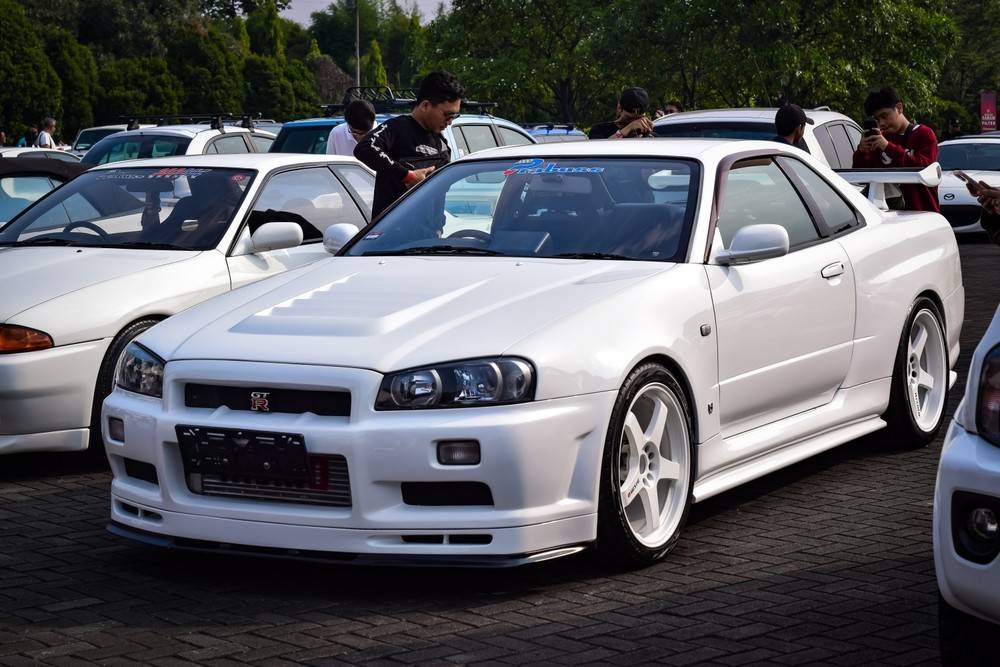
White Nissan Skyline GT-R R34 displayed as a preserved Japanese performance car.|Arabwheels.ae
For collectors, originality, condition, history and specification can make a significant difference to an R34 Skyline GT-R’s desirability.

That shift changes what buyers value.

A modified car may suit a buyer focused on performance, while a collector may prioritise originality, factory components, documented mileage, service history and provenance.

Restoration quality also matters. Two similar-looking Skylines or Supras can have very different histories, mechanical condition, and values depending on the work carried out over the years.

Thinking of Buying a JDM Car in the UAE? Check This First

This is where enthusiasm meets paperwork.

Dubai’s RTA states that a right-hand-drive vehicle cannot be registered unless it has a classic plate.

RTA guidance also states that vehicles with modified bodies or certain special characteristics are transferred to the Technical Inspection Committee for assessment.

A car’s presence at a UAE show, in a collection, or in an online listing therefore does not confirm that it is eligible for the registration a buyer intends to obtain.

Before paying for an older Japanese performance car, check:

  • chassis and registration details
  • accident and service history
  • engine and gearbox condition
  • cooling system and AC performance
  • quality and legality of modifications
  • availability of model-specific parts
  • originality if collector value matters
  • registration eligibility for your intended use
  • pre-purchase inspection by a specialist familiar with the model

Exterior condition alone does not reveal previous accident repairs, the quality of mechanical modifications, or how the car has been used. A pre-purchase inspection by a specialist familiar with the model provides much more useful information than appearance or a modification list alone.

Final Verdict: JDM Culture Has Grown Up

The UAE’s Japanese-performance scene now spans modification, motorsport, restoration and collecting, while nostalgia continues to draw buyers toward some of Japan’s most memorable performance cars.

Owners also approach the scene differently. Some buy the cars they admired growing up, others build track-focused machines, while collectors seek original examples with documented histories.

For a buyer, rarity or a headline power figure should not outweigh condition, history, registration eligibility and the quality of previous modifications.

Together, those factors explain why JDM culture continues to hold a distinct place in the UAE’s automotive scene.

Read more ArabWheels blogs for UAE automotive news, buying guides, and enthusiast stories, including coverage of the region’s Japanese performance-car scene.

Cars You Might Like

Leave A Reply

Your email address will not be published.