
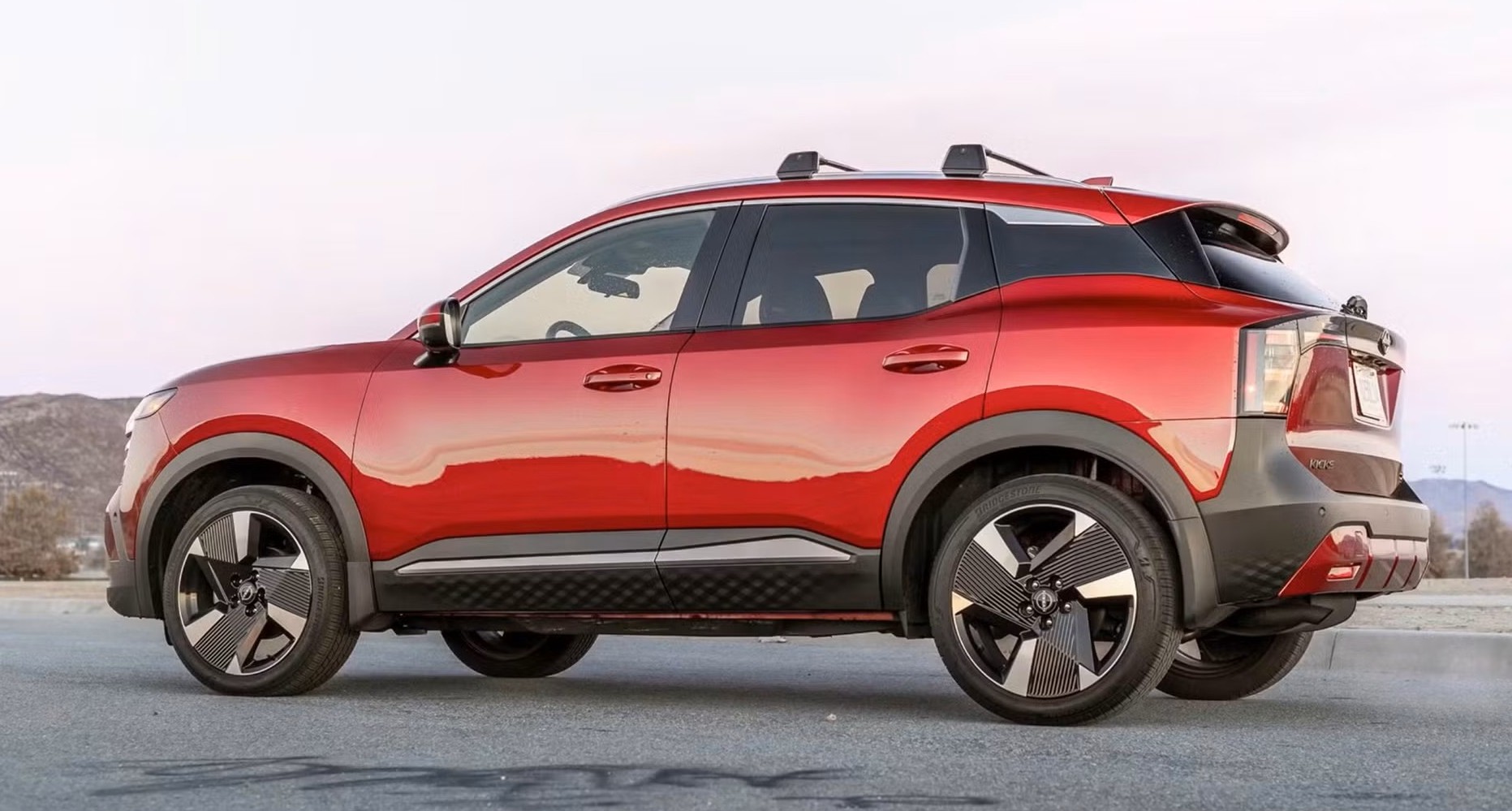
What Is a Crossover SUV? Complete Guide
Understanding the Features, Benefits, and Differences of Crossover SUVs

In today’s fast-changing automotive landscape, one question keeps coming up: What is a crossover SUV? As vehicle styles evolve and consumer preferences shift, the distinction between crossovers and traditional SUVs often blurs. Understanding the difference matters; it could directly affect your buying decision.
In this comprehensive guide, we’ll explore what it is, how it differs from other vehicles, its core features, and why it’s dominating the market in 2025.
What Exactly is Crossover?
It is often referred to simply as a crossover and is built on a unibody platform, the same structural foundation used for cars. Traditional SUVs use body-on-frame construction. In contrast, crossovers integrate both into a single structure.
This design brings many advantages. For one, it creates a lighter vehicle, leading to better fuel efficiency and easier handling. Crossovers drive like sedans. They offer smoother rides and tighter cornering. This car-like behavior is one of the main reasons they’ve become so popular among urban drivers.
Key Features of Crossover SUVs
So, what are the features? Let’s break it down.
-
Unibody Construction
The defining trait of a crossover. It enhances ride quality, reduces weight, and improves crash safety. -
Increased Ground Clearance
While not as high as traditional SUVs, crossovers provide better visibility and can handle rougher terrain than regular cars. -
Optional All-Wheel Drive (AWD)
Many models offer AWD for extra traction, especially useful in rain or mild off-road conditions. -
Flexible Interior Layout
Most crossovers come with fold-flat rear seats, split-folding options, and large cargo areas. -
Car-Like Driving Dynamics
Smooth steering, responsive braking, and refined suspension make daily commuting enjoyable.
These combined traits make crossovers highly adaptable for daily drivers, small families, and adventure enthusiasts alike.
Popular Crossover SUVs in the UAE (2025)
Crossover SUVs are everywhere on UAE roads, and for good reason. They combine style, practicality, and performance in one package. Here are some of the most popular crossover models in the UAE today:
-
Toyota Corolla: A compact crossover that blends Corolla reliability with SUV practicality.
-
Nissan X-Trai: Offers spacious interiors and advanced safety.
-
Hyundai Tucson: Stylish design with excellent tech features.
-
Kia Sportage: A well-rounded performer with a premium cabin.
-
Mazda CX-5: Combines sporty handling with refined interiors.
These models reflect what UAE drivers look for: fuel efficiency, advanced technology, and everyday comfort.
Crossover vs. SUV: Technical Differences
| Feature | Crossover SUV | Traditional SUV |
|---|---|---|
| Platform | Car-based (Unibody construction) | Truck-based (Body-on-frame construction) |
| Handling | Car-like, smoother, ideal for on-road use | Truck-like, rugged, ideal for off-roading |
| Fuel Economy | More fuel-efficient due to lighter build | Lower fuel economy due to a heavier frame |
| Towing Capacity | Generally, lower towing capacity | Higher towing capacity for heavy-duty needs |
| Best For | Urban driving, commuting, light adventure | Towing, off-roading, heavy-duty utility |
Note: If you primarily drive in the city and want better fuel efficiency, it is likely the more intelligent choice. For frequent towing or off-road use, a traditional SUV will serve you better.
Benefits of Driving a Crossover SUV
Understanding it means appreciating the benefits that make it the fastest-growing segment in the auto industry.
1. Superior Fuel Efficiency
Thanks to smaller engines and lighter frames, crossovers generally offer excellent mileage. This makes them cost-effective for everyday use without sacrificing capability.
2. Easier to Drive
With a lower center of gravity and car-like steering, crossovers are easier to maneuver in tight urban environments. Parking is simpler, and highway cruising feels stable.
3. Family-Ready Features
Crossovers suit families well, with roomy cabins and advanced safety tech. Most models come with ISOFIX/LATCH anchor points, ample cargo space, and modern infotainment systems.
4. Urban Versatility
Need a vehicle that can handle city traffic, occasional highway trips, and weekend getaways? Crossovers strike that balance perfectly. They offer the best of both worlds, agility and utility.
Why Crossovers Are the New Norm in 2025
The popularity of crossover SUVs isn’t slowing down. In fact, the segment continues to expand in 2025 as automakers introduce more hybrid and electric models. With rising fuel costs and greater environmental awareness, buyers are leaning toward efficient, practical, and stylish vehicles.
Moreover, many automakers now label crossovers as SUVs for marketing purposes. This sometimes confuses. Still, it proves how mainstream crossovers are now. Brands like Toyota, Nissan, Hyundai, and Kia offer multiple crossover models in different sizes and price ranges, further strengthening the segment’s appeal.
What to Look for When Buying a Crossover
If you’re considering it, several factors should guide your decision:
-
Size: From subcompact to full-size, crossovers come in various shapes. Consider your family size, parking space, and cargo needs.
-
Interior Flexibility: Check for rear seat folding options, boot volume, and overall passenger comfort.
-
Performance: Compare engine options, transmission types (including CVTs), and AWD availability.
-
Towing Capacity: While crossovers aren’t built for heavy towing, some can still handle light trailers. Always check manufacturer specs.
Also, assess infotainment systems, safety ratings, and fuel economy ratings. Crossovers are rich in tech so that you can expect wireless Apple CarPlay, adaptive cruise control, and multiple USB ports in most new models.
Frequently Asked Questions (FAQs)
What is the primary purpose of it?
Crossover SUVs are built for comfort, efficiency, and light versatility. They suit drivers who need space, occasional AWD, and car-like handling in one package.
Are crossovers good for off-roading?
Some can handle light trails or gravel roads, especially with AWD. However, they lack the 4WD systems and underbody protection found in traditional off-road SUVs.
Is it more affordable than an SUV?
Typically, yes! Crossovers often cost less to buy, fuel, and maintain compared to their body-on-frame counterparts.
Final Thoughts
So, what is a crossover SUV? It’s the modern solution for drivers seeking practicality without compromising on comfort. With a unibody frame, impressive fuel efficiency, and flexible interiors, crossovers fit the needs of today’s urban lifestyles.
Are you a daily commuter or weekend adventurer? It could be the perfect match. It’s time to rethink what you need from your next car, because the crossover isn’t just a trend; it’s the future of intelligent driving.
