

What Happens to a Car Left Parked for 30 Days in UAE Summer?
What 30 Days of UAE Summer Heat Can Do to Your Battery, Tyres, Brakes and Interior

Leaving a car unused for a month may not sound like a long time. In a UAE summer, however, leaving a car parked for 30 days can increase the risk of battery discharge and tyre flat-spotting, especially if it is left outdoors in direct sunlight.
One of the main concerns is the 12-volt battery. Tyres can also develop flat spots, brake surfaces may collect light corrosion, and prolonged heat and sunlight can affect interior materials. For more on battery condition in hot weather, read our guide to 12-volt battery problems during UAE summer.
None of this means a properly maintained car will automatically be damaged because it sits for a month. What matters is preparing the car properly before leaving and checking it carefully before driving again.
UAE climate data shows why summer storage deserves extra attention. During the June-to-September summer period, maximum air temperatures can exceed 49°C in some parts of the country, making proper preparation especially important if a car will remain parked for several weeks.
 For more ways to protect your car in extreme heat, see our guide to essential car maintenance for the UAE’s harsh desert climate.
What Happens While a Car Is Parked in UAE Summer
Even when the engine is switched off, the vehicle is not completely electrically inactive. Some systems continue to use a small amount of power, while the 12-volt battery also loses charge naturally over time.
High temperatures add another concern. Prolonged heat accelerates battery ageing, so an older or already weak battery has less reserve capacity than a healthy one. ArabWheels’ UAE battery guide also notes that heat exposure, electrical drain and prolonged parking can all affect battery condition.
At the same time, the tyres remain loaded against the ground in the same position, while the cabin, paint, rubber and trim may go through repeated heating and cooling cycles if the car is parked outdoors.
That does not create a fixed deterioration countdown. Battery age, tyre pressure, vehicle condition and parking environment all matter more than an exact number of days.
The 15-Day Storage Checkpoint
Fifteen days is not a universal maintenance deadline, but some manufacturers use it as a storage checkpoint.
Ford, for example, recommends moving certain stored vehicles at least 7.5 m every 15 days to help lubricate working parts and reduce corrosion. Its guidance also recommends maintaining the correct tyre pressure.
This advice is manufacturer-specific. It should not be treated as a rule for every vehicle.
Simply starting the engine for a few minutes may not meet the manufacturer’s storage requirements. Some manufacturers specify how often the vehicle should be run or moved and how the 12-volt battery should be maintained.
Before leaving the car unused for an extended period, check the owner’s manual for the storage instructions specific to your model.
Battery Health During 30 Days of Summer Parking
A relatively new, fully charged 12-volt battery may still start the car normally after several weeks of parking. For a car parked in the UAE summer, an ageing or partly discharged battery may be more likely to crank slowly or fail to start.
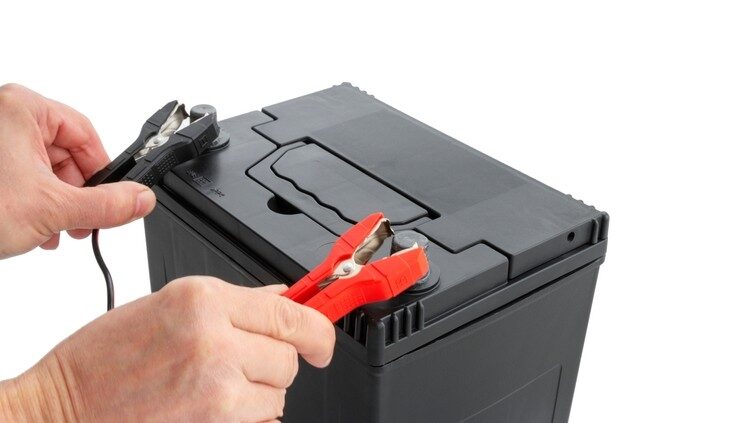
Heat does not drain a battery overnight. The concern is the combination of natural self-discharge, the vehicle’s standby electrical load, and faster battery ageing at high temperatures.
If the battery was already nearing the end of its service life, a month of summer parking may expose that weakness.
“In petrol and diesel cars, heat reduces battery life and increases the risk of weak starts.” — Ahmad Rashad Al Zeer, 2026
Some manufacturers provide specific battery instructions for extended storage. Ford, for example, recommends disconnecting the battery on certain vehicles stored for more than 30 days without recharging, while noting that some stored settings may need to be reset afterwards.
Do not disconnect the battery automatically on a modern vehicle. Check the owner’s manual for the correct storage procedure for your model.
Tyre Flat-Spotting After 30 Days
Tyres can develop flat spots when a car remains parked in the same position for an extended period. The part of the tyre touching the ground stays under constant load, which can temporarily change its shape.
After several days or weeks, this is often temporary. Michelin and Continental note that drivers may notice vibration or a rhythmic thumping sensation when they first set off, which can fade as the tyres warm up and regain their shape.
The risk becomes more relevant over longer storage periods. Continental says more persistent flat-spotting can occur when a vehicle remains stationary for a month or longer, particularly when tyre pressures are low or temperatures are high
“You should also consider rotating them at least 90 degrees to avoid flat spots.” — Mehrunissa, 2020
That does not mean the tyres will be damaged exactly on Day 30. The likelihood and severity depend on tyre pressure, vehicle weight, temperature, tyre construction and how long the car remains parked.
Before leaving the car, check the tyres when cold and set them to the pressure recommended by the vehicle manufacturer. Our UAE tyre pressure guide explains where to find the correct figure and how to check it properly.
If the vibration continues after the tyres have warmed up, ask a tyre specialist to check them.
6 Things That 30 Days of Parking Can Affect
Some manufacturers recommend extra storage precautions when a vehicle will remain unused for 30 days or more. After a month, a car parked in the UAE summer should be checked carefully before returning to normal use.
Ford, for example, provides guidance covering the battery, tyres, fuel, brakes, bodywork and fluids for vehicles stored for this period.
The 30-day threshold is specific to Ford and should not be treated as an industry-wide rule. Other manufacturers may use different storage intervals or procedures.
1. 12-Volt Battery Condition
If the battery was already ageing or partly discharged, it may struggle to start the car after a month of parking.
If the engine cranks slowly or the car does not start, have the 12-volt battery checked instead of repeatedly trying to start the vehicle.
2. Tyre Flat-Spotting
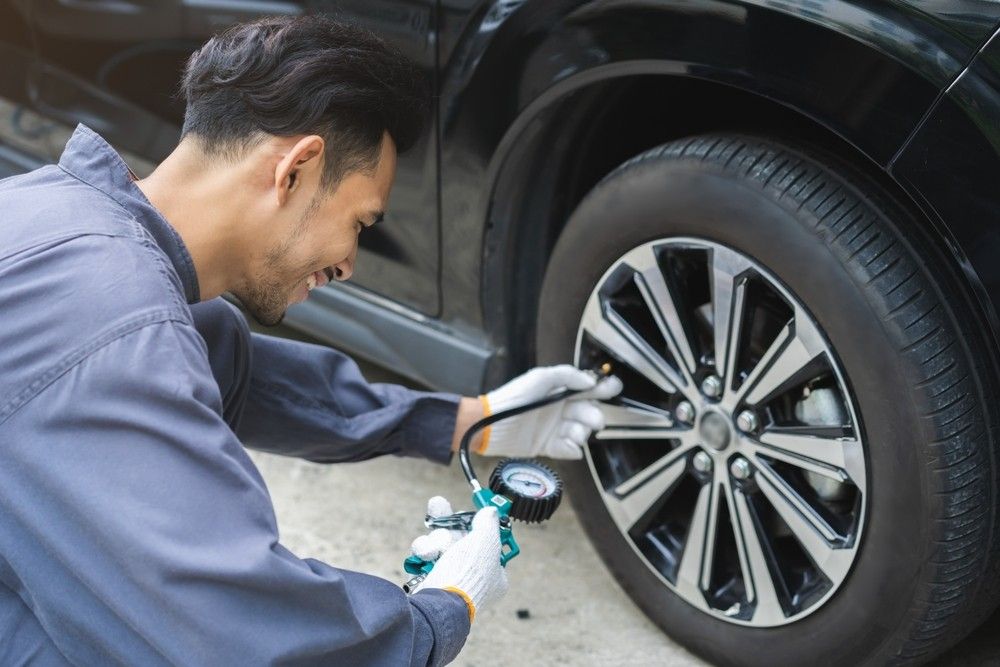
After a month of sitting in the same position, check all four tyres before driving.
Look for low pressure, visible damage or an unusual change in shape. A mild vibration may disappear once the tyres warm up. If it continues, ask a tyre specialist to check them.
3. Brake Disc Surface Corrosion
Exposed brake surfaces can develop light corrosion while a vehicle is stationary, particularly where moisture is present.
Ford’s storage guidance advises making sure the brakes and parking brake release fully. It also notes that driving a recently washed vehicle briefly before extended parking can reduce the risk of corrosion affecting brake discs, pads and linings.
Light surface rust may be present after storage, but persistent brake noise, vibration, pulling or reduced braking performance warrants inspection.
4. UAE Summer Heat and Interior Wear
A car left outdoors is exposed to more heat and direct sunlight than one parked under cover.
Over several weeks, that exposure can contribute to fading and ageing of plastics, upholstery, rubber trim and display surfaces. Manufacturer storage guidance also recommends protecting the cabin from direct sunlight where possible.
Heat may also cause temporary issues with some electronic systems. If a warning or display problem appears after the car has been parked, see our guide to touchscreen and driver-assistance warnings in UAE heat.
For longer summer storage, covered or underground parking is the better option where available.
5. Fuel Condition After 30 Days
No, not simply because the car has been parked for a month.
Ford’s 30-day-plus storage guidance, for example, recommends filling the fuel tank before storage on certain vehicles.
Fuel-storage requirements vary by model and how long the vehicle will remain unused. Check the owner’s manual for the recommended procedure rather than replacing the fuel based on time alone.
6. Fluid Checks After a Month of Storage
Not necessarily. A month of parking does not by itself mean the engine oil, coolant, or other fluids need replacing.
Follow the vehicle’s normal maintenance schedule and any model-specific storage instructions. Ford, for example, recommends changing the engine oil and filter before extended storage on certain vehicles because used oil can contain contaminants.
Before driving again, check the fluid levels and look underneath the car for any signs of leaks.
30-Day UAE Summer Parking Timeline
| Period | What to Watch |
|---|---|
| Throughout the month | The 12-volt battery can gradually lose charge. Cars parked outdoors also remain exposed to prolonged heat and sunlight. |
| After several days or weeks | Temporary tyre flat-spotting may develop. In many cases, it eases once the tyres warm up during driving. |
| Around 15 days | Ford recommends moving certain stored vehicles at least 7.5 m every 15 days. This is manufacturer-specific guidance. |
| Around 30 days | Ford provides additional storage precautions for certain vehicles left unused for 30 days or more. |
| One month or longer | Continental says more persistent tyre flat-spotting can occur, particularly when tyre pressure is low, or temperatures are high. |
These timeframes are only a guide. What happens after a month depends on the battery’s condition, tyre pressure, overall maintenance, and where the car is parked.
A weak battery or underinflated tyres are more likely to cause trouble than the 30-day mark itself.
Preparing a Car for 30 Days of UAE Summer Parking
If you plan to leave a car parked in the UAE summer for 30 days, a few checks can reduce the chance of problems when you return.
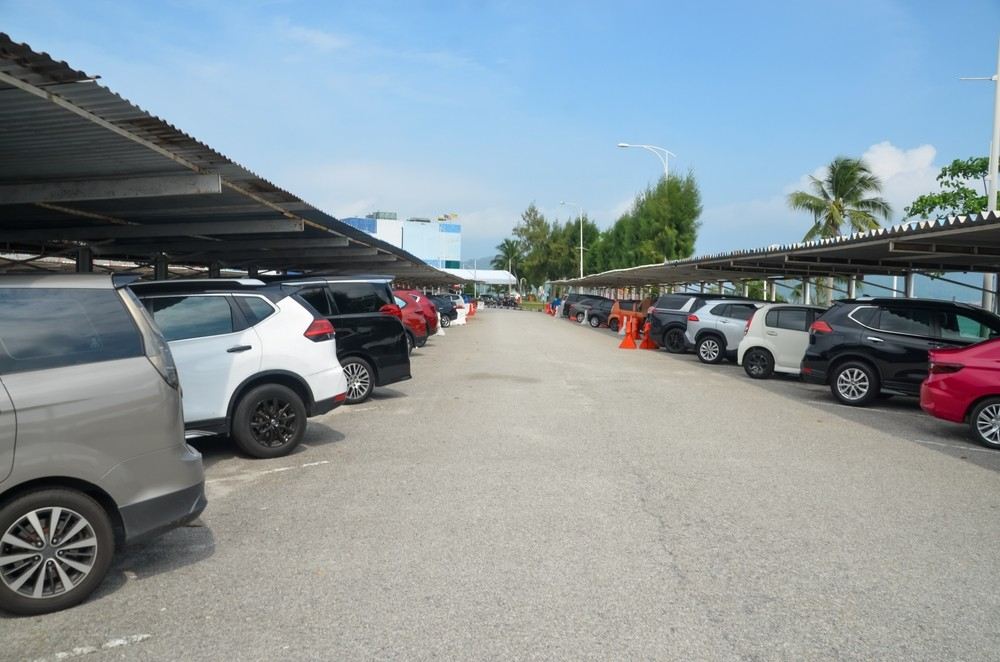
- Park under cover where possible: Underground or shaded parking reduces direct exposure to sunlight and heat.
- Check tyre pressures when cold: Use the pressures stated on the vehicle’s tyre placard or in the owner’s manual.
- Check the 12-volt battery: If it is already weak, deal with the problem before leaving. Use a battery maintainer only where the vehicle manufacturer permits it.
- Check permanently powered accessories: Dashcams, trackers, and other aftermarket equipment may add electrical drain.
- Inspect fluid levels and leaks: Deal with existing maintenance problems before storing the vehicle.
- Clean the exterior: Bird droppings, dirt, and other contaminants should not remain on the paint for weeks.
- Follow the manufacturer’s storage procedure: This is particularly important for modern vehicles, hybrids, and electric vehicles.
For a broader pre-trip check, see our routine car maintenance guide for UAE drivers.
EV and Hybrid Storage Considerations
Electric vehicles and hybrids require model-specific storage procedures because their battery systems differ from conventional petrol vehicles.
Do not assume an EV should automatically be charged to 100% before being left for a month. Manufacturers may specify a preferred state of charge, charging setup, or storage procedure for the model. For more on battery health and charging considerations, see our EV ownership guide for UAE drivers.
EVs and hybrids also rely on a separate 12-volt battery for low-voltage systems, so even if the traction battery has plenty of charge, the 12-volt battery’s condition still matters. For more on heat-related battery and electrical issues in hybrids, see our guide to common hybrid car problems in the UAE.
Check the exact owner’s manual before leaving an EV or hybrid unused for an extended period.
Return-to-Road Checks After 30 Days
Do not return straight to high-speed driving after a month of storage.
Start with a walk-around inspection. Check all four tyres for low pressure, cracks, bulges or other visible damage. Look underneath the vehicle for fluid leaks and inspect the engine bay, where accessible, for anything unusual.
Then start or switch on the vehicle and check the instrument panel for warning lights.
Before driving normally:
- check the tyre pressures
- confirm the brake pedal feels normal
- check fluid levels
- inspect the wipers
- listen for unusual noises
- make sure the parking brake releases correctly
These checks are consistent with manufacturer return-to-service guidance for stored vehicles.
A mild vibration after storage may come from temporary tyre flat-spotting. If it does not ease after a short, cautious drive, or if the vibration is severe, have the tyres inspected. If the engine cranks slowly or does not start, stop repeated start attempts and have the 12-volt battery checked.
Can a Car Sit for a Month Without Being Driven?
A car parked in the UAE summer for a month will not automatically suffer major problems, but its condition before storage still matters.
There is no fixed 30-day failure point. Battery health, tyre pressure, maintenance history, parking location, and the manufacturer’s storage guidance all influence how well the car copes with being left unused.
UAE summer heat adds extra stress. Air temperatures can exceed 49°C in parts of the country, tyres remain loaded in one position, and a weak 12-volt battery may lose enough charge to cause starting problems.
If you are leaving the UAE for several weeks, prioritise covered parking, correct tyre pressure, battery condition and the storage instructions in your owner’s manual.
When you return, inspect the car before driving normally. A quick check can reveal low tyre pressure, battery trouble or fluid leaks before they cause further problems.
For more UAE car ownership advice, prices and reviews, visit ArabWheels.
