
The £37bn EV Exit: Is the US Handing China the Keys to the Future?
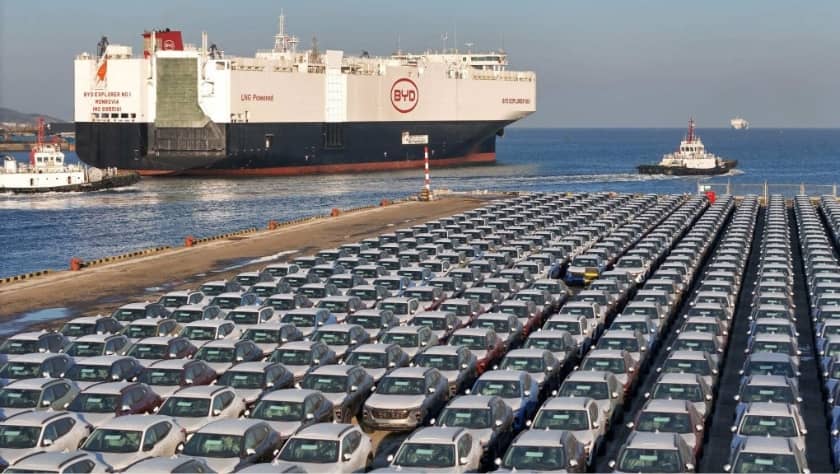
The U.S. automotive sector is facing a $46 billion (£37bn) regulatory shift as Washington pivots toward a fossil-fuel-first strategy. By rolling back the ‘fuel content factor,’ the new administration is effectively stalling domestic EV momentum, handing Chinese giants like BYD and Geely a strategic ‘open goal’.
It is a fundamental shift that could permanently alter the balance of power in the global automotive landscape.
The Rescission of the Fuel Content Factor
The latest blow to American electrification involves the removal of the “fuel content factor” within federal fuel economy standards. This rule previously allowed manufacturers to count every EV as having an artificially high efficiency value when calculating fleet averages.
By removing this incentive, the government has effectively increased the regulatory burden on companies transitioning away from petrol engines. This change effectively penalizes domestic brands that have already invested billions in developing new battery-electric vehicle platforms.
| Market Metric | United States (2026 Strategy) | China (2026 Strategy) |
| Market Focus | Regional / Domestic Protection | Global Expansion / Export Led |
| Government Stance | Deregulation & ICE Support | High Subsidies & Tech Innovation |
| Global Export Value | Declining ($150bn at Risk) | Surging (BYD/Geely Dominance) |
| Infrastructure | Halted Federal Funding | Rapid Ultra-Fast Charger Rollout |
Stranded Assets and the Cost of Uncertainty
American legacy carmakers like Ford and GM are now facing massive financial write-downs as their long-term EV investments lose federal backing. When regulations fluctuate so violently between administrations, the resulting uncertainty makes it nearly impossible for CEOs to plan future production cycles.
Billions of dollars in battery plants and specialized manufacturing facilities now sit as “stranded assets” on corporate balance sheets. This financial bleeding gives Chinese rivals a clear path to capture market share in Europe, Asia, and the Middle East.
Global Consequences and the China Advantage
As reported by the Center for American Progress, Canada has already begun to distance itself from US policy by reaching new trade deals with Beijing. By lowering tariffs on Chinese vehicles, Canada is ensuring its consumers have access to affordable, advanced technology that the US is now rejecting.
Chinese brands like BYD and Xiaomi are no longer just domestic success stories; they are now the global standard for modern mobility. Without a strong domestic market to support innovation, American exports are likely to erode as the rest of the world goes electric.
Our Prediction
At Arabwheels, we believe this US retreat will accelerate the arrival of highly competitive Chinese models into the UAE market. While America focuses on traditional ICE, the Middle East is rapidly building the infrastructure needed for a high-tech EV future.
We predict that within 5 years, the luxury and performance segments in Dubai will be dominated by brands that stayed the course on electrification. The American “U-turn” may save Detroit short-term costs, but it is likely to hand the long-term crown of automotive innovation to the East.
Conclusion
The current US policy shift underscores a widening divide in views on EVs becoming the main mode of transportation. While some regions choose to look backward, others are racing ahead to define the next century of mobility.
The coming years will prove whether protecting legacy technology was a masterstroke or a historic economic blunder for the American auto industry.
What do you think about the US handing China the keys to the future? We’d love to hear your thoughts in the comments below. Keep following the Arabwheels Blog for the latest sharp insights, exclusive UAE updates, and global automotive trends that matter.