
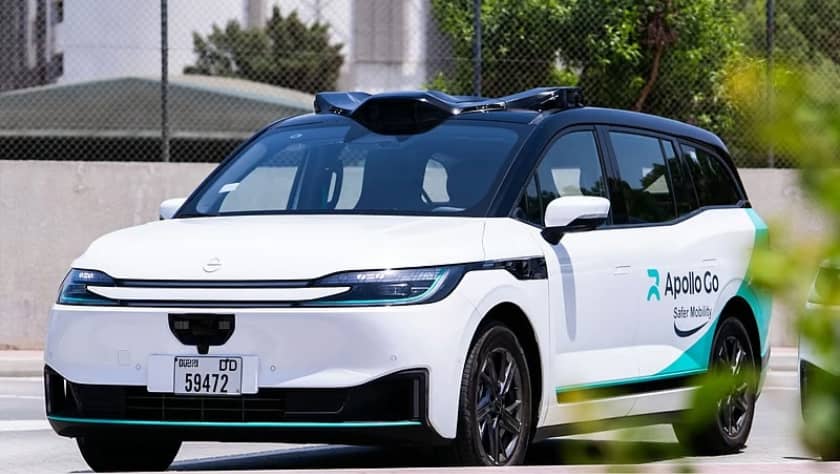
The UAE has approved new federal rules for inspecting, registering, licensing, and testing self-driving vehicles. The Cabinet approved the resolution on 2 September 2026 during a meeting chaired by Sheikh Mohammed bin Rashid Al Maktoum at Qasr Al Watan in Abu Dhabi.
The resolution establishes mechanisms and controls for inspecting, registering, licensing, and renewing self-driving vehicle licenses, as well as procedures for testing new vehicle technologies. The measure adds a federal regulatory layer to the UAE’s existing autonomous-vehicle framework, although emirate-level operating rules remain relevant.
- Federal Requirements: Establishes common national requirements for inspection, registration, licensing, license renewal, and testing alongside existing emirate-level rules.
- Safety and Inspection: Establishes technical inspection controls and procedures for testing new vehicle technologies.
- Environmental Impact: The government says the framework will encourage alternative and environmentally friendly technologies to help reduce road pollution and congestion.
- Local Oversight: Emirate-level authorities continue to apply their own operational, safety, and permitting requirements alongside the federal framework.
Federal Rules for Self-Driving Vehicles Across the UAE
The federal resolution creates a common national layer for self-driving vehicle regulation across the UAE. Emirate-level regimes also govern self-driving vehicle operations, including Dubai’s Law No. 9 of 2023, which gives the RTA responsibility for licensing, inspection, and operational approvals.
Abu Dhabi has also issued permits for fully driverless commercial vehicles and introduced blue license plates for both commercial autonomous vehicles and vehicles in testing programs.
Testing, Licensing and Environmental Goals
Beyond vehicle inspection and licensing, the resolution also supports the government’s stated environmental objectives. The resolution also includes environmental policy, with the Cabinet linking autonomous-vehicle regulation to efforts to reduce road pollution and traffic congestion.
The federal move comes as Dubai continues to pursue its separate target of making 25% of transportation trips smart and driverless by 2030. Dubai already has active robotaxi operations, and Baidu’s fully driverless Apollo Go vehicles became available through Uber in selected parts of Jumeirah and Umm Suqeim on 20 August 2026.
Conclusion
The resolution gives autonomous-mobility companies clearer federal requirements for inspection, registration, licensing and testing as commercial driverless services expand in Dubai and Abu Dhabi. The clearer regulatory structure may make wider Level 4 deployments easier to evaluate, although the Cabinet has not announced any deployment timetable.
Would clearer federal rules make you more willing to ride in a fully driverless taxi in the UAE? Share your thoughts below, and follow ArabWheels Blog for upcoming regulatory updates, commercial robotaxi expansion news, and smart mobility analysis across the region.