


UAE Phantom Traffic Jams: Why Traffic Stops With No Crash
How small changes in speed, tailgating and lane-hopping can trigger stop-and-go traffic on busy UAE roads

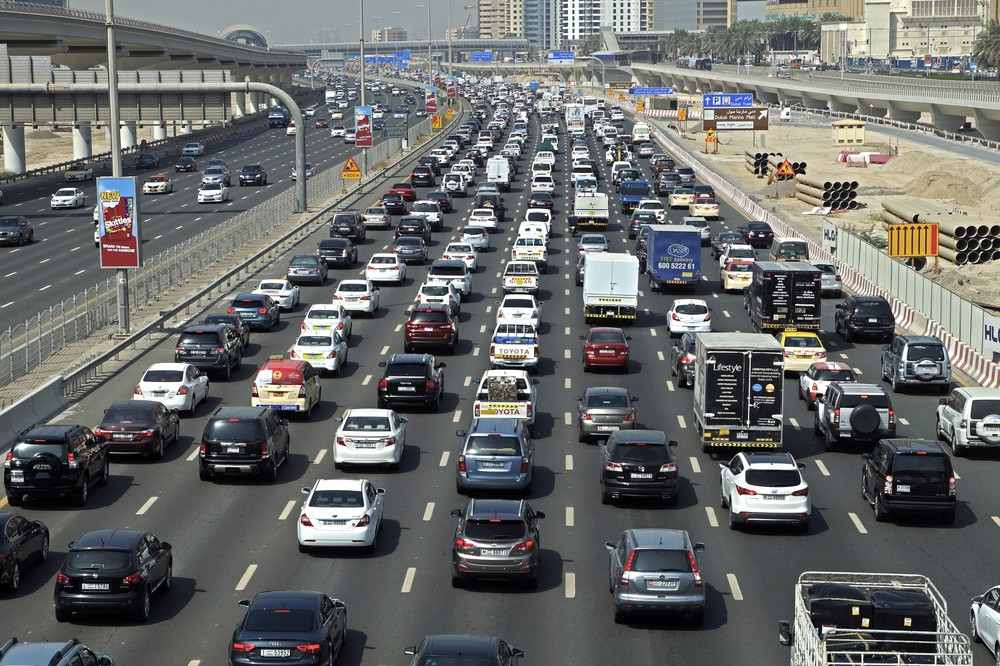
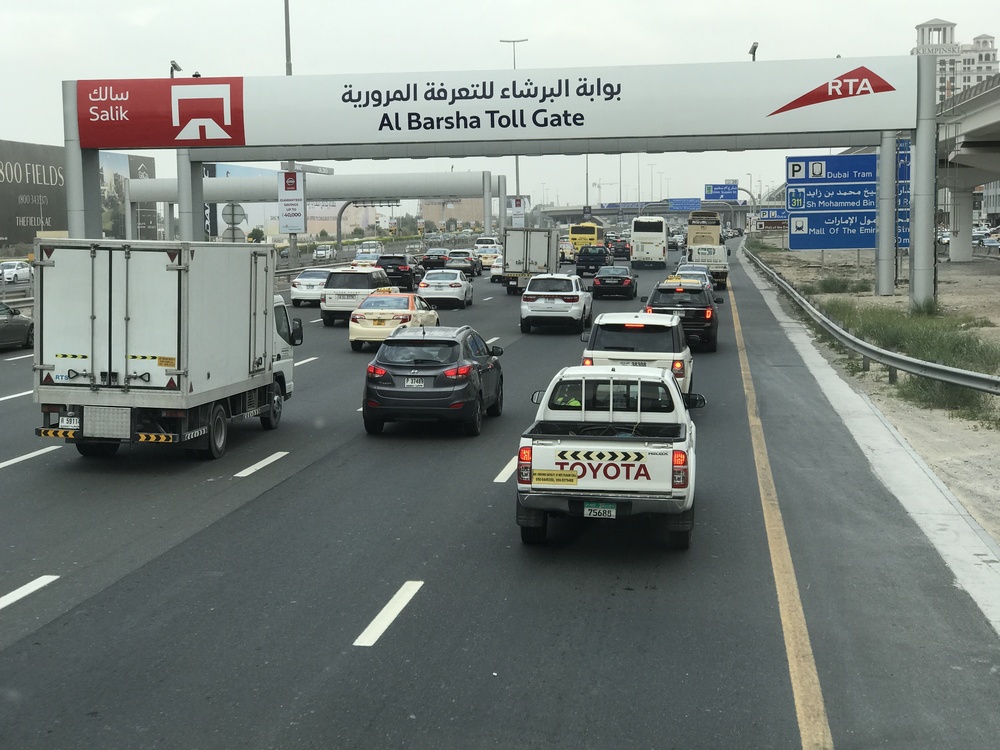
Traffic can be flowing smoothly on Sheikh Zayed Road or E311 one minute, then slow to a crawl as one of those phantom traffic jams UAE drivers know all too well starts to build.
One small change in speed can quickly ripple through several lanes, especially when vehicles are travelling close together.
A few minutes later, traffic may start moving again as if nothing happened.
The reason lies in how drivers react to one another in dense traffic, and why following distance, smooth braking, and fewer unnecessary lane changes can make a real difference.
Why Does Traffic Stop When the Road Is Clear?
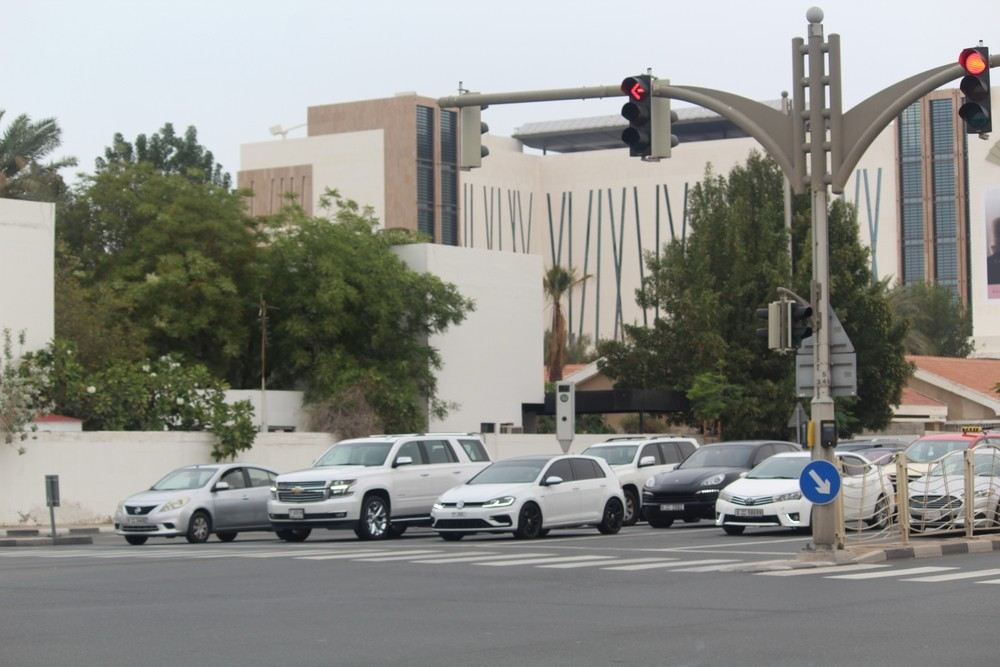
Phantom traffic jams UAE drivers experience can form without any obvious obstruction ahead.
Imagine this: one driver eases off the accelerator or touches the brakes. The driver behind reacts a moment later and slows a little more. The next driver does the same.
Repeat that across dozens of vehicles, and motorists farther back may eventually have to slow dramatically or stop altogether.
By then, the first driver may already be well ahead.
Traffic researchers describe this behaviour as a stop-and-go wave. Small speed changes grow as they pass from one vehicle to another, while the resulting wave travels backwards even though the cars themselves continue moving forwards.
“Phantom jams in dense car traffic are a problem of both fundamental and practical relevance.” — Oscar Dufour et al., PNAS Nexus, 2026
Researchers have reproduced these phantom traffic jams without a physical bottleneck, merge, or lane change, showing that traffic flow itself can become unstable when vehicles travel closely together.
Why Heavy UAE Traffic Makes Phantom Jams More Likely
When drivers have enough space between them, a brief slowdown is less likely to spread.
Heavy traffic leaves far less room for that.
Dubai’s Roads and Transport Authority says more than 3.5 million vehicles use the city’s road network each day. RTA has also reported annual growth of around 10 per cent in registered vehicles, compared with about 2 to 3 per cent globally.
Heavy traffic does not create a phantom jam every time, but it leaves drivers with less space to absorb a sudden slowdown.
One car moves into a tight gap. Another driver brakes. Someone farther back reacts late. Another vehicle changes lanes.
None of those actions needs to cause a crash for the slowdown to spread.
One Brake Tap, Then a Chain Reaction
Think of a line of people walking together.
If there is plenty of room between them, one person slowing down does not create much of a problem. Everyone behind has enough space to adjust gradually.
Put them almost shoulder to shoulder and every small change becomes harder to absorb.
Traffic works in much the same way.
A driver who leaves enough room can often deal with a mild slowdown simply by easing off the accelerator. Someone following too closely has fewer options and may need to brake immediately.
Those brake lights make the next driver react, and the same process continues farther back.
That is how traffic can appear to stop for no obvious reason.
How 22 Cars Created a Jam Without a Bottleneck
One of the clearest examples came from a Japanese experiment published in 2008.
The test involved 22 vehicles driving around a 230-metre circular track at roughly 30 km/h, with each driver asked to keep an even distance from the car ahead.
There was no junction, roadworks or accident ahead.
Still, tiny differences in speed began to build. Before long, smooth traffic had turned into a stop-and-go wave travelling backwards around the circuit. The experiment showed that a traffic jam can form even when nothing is physically blocking the road.
The test took place on a controlled track, but the result will feel familiar to many UAE drivers: you crawl through a long queue expecting to find a crash, only to reach the end and see an open road.
Tailgating Leaves Traffic Nowhere to Go
Tailgating increases the risk of a collision and leaves drivers with less room to absorb small changes in traffic speed.
RTA road-safety guidance advises motorists to maintain a safe following distance and adjust their driving to suit road and weather conditions.
That extra space matters when phantom traffic jams UAE drivers often encounter begin to form, giving each slowdown more room to settle before it triggers a chain reaction.
With a reasonable gap, you can see farther ahead and react more gradually. You may only need to ease off the accelerator when traffic slows.
Following too closely narrows your options. If the driver ahead brakes, you have less time and road space to respond.
There is also a legal reason to leave enough room. Under UAE traffic regulations, failing to maintain a safe distance behind another vehicle carries an AED 400 fine and four black points.
For more on speed rules, fines, and black points, see our guide UAE Speed Limits: Rules, Fines and Safe Driving Tips for 2026.
Why Constant Lane-Hopping Can Backfire
Changing lanes is part of everyday driving, but squeezing into a tight gap can force the driver behind to brake.
That small reaction can spread farther back, especially when traffic is already heavy.
Lane changes can also add to the stop-and-go pattern by creating sudden changes in speed. It does not happen every time, but repeatedly jumping between lanes gives surrounding drivers more reasons to slow down.
One driver may gain a few metres, while several others behind lose momentum.
You can also find common lane markings and warning signs in our UAE Traffic Signs Guide: Meanings, Rules and Safe Driving Tips.
Hard Acceleration Can Keep the Jam Alive
The slowdown does not always end when traffic starts moving again.
Some drivers accelerate as soon as a gap appears, only to catch the next queue and brake again.
That repeated cycle of acceleration and braking can keep stop-and-go traffic going.
Smooth acceleration will not clear a packed motorway, but it can help reduce sudden speed changes. Leaving some room ahead also makes it easier to maintain a steadier pace instead of constantly switching between the accelerator and brake pedal.
In heavy traffic, rushing towards the next queue rarely saves much time.
How Drivers Can Stop Feeding the Jam
Drivers cannot control traffic levels or how other motorists behave.
They can control how they respond.
Leave a safe following distance and look farther down the road when visibility allows. Ease off the accelerator early instead of waiting until the last moment to brake. Avoid squeezing into gaps that force another driver to slow sharply. When traffic starts moving again, accelerate smoothly rather than rushing towards the next queue.
These habits can help traffic flow more smoothly while giving you more time to react if something genuinely dangerous happens ahead.
Technology can help as well. Dubai’s RTA uses its Intelligent Traffic Systems network and dynamic message signs to alert drivers to congestion, crashes, breakdowns and changing road conditions.
In December 2025, RTA said these messages had helped cut journey times by up to 20 per cent on key corridors.
The Takeaway for UAE Drivers
Not every traffic jam has an obvious cause.
On a busy road, one small slowdown can set off a chain reaction. The next driver brakes a little harder, the driver behind reacts again, and the wave keeps moving backwards through traffic.
That is why phantom traffic jams in the UAE can feel so baffling. You can crawl for several minutes expecting a crash or blockage, only for the road to suddenly open up again.
For drivers, the answer is straightforward: leave enough space, look farther ahead, and change speed smoothly.
You cannot control the next traffic jam, but you can avoid adding to it.
Read more UAE road-safety and driving explainers on ArabWheels.
