

UAE Desert Driving Season: How to Prepare Your 4×4 for Winter
How to Check Tyres, Battery, Cooling, 4WD and Recovery Gear Before Heading Into the UAE Desert

The first cool weekend is the wrong time to discover a weak battery, damaged tyre, or faulty 4WD system. Before the UAE desert driving season gets busy, a proper inspection can tell you whether your 4×4 is ready for the dunes or needs attention before leaving the tarmac.
According to Experience Abu Dhabi, October to March generally offers the most comfortable desert conditions, with temperatures typically ranging from 18°C to 28°C. Cooler weather, however, does not undo the wear caused by months of UAE heat, dust and daily driving.
Prepare Your 4×4 for the UAE Desert Driving Season
Start With the Tyres
Inspect all four tyres and the spare before considering modifications or extra accessories. Look for cuts, bulges, sidewall cracks, and uneven wear. Do not rely on a tyre with visible damage when driving far from paved roads.
For normal road driving, use the vehicle manufacturer’s recommended cold tyre pressure. Drivers commonly reduce tyre pressure on sand to increase the tyre’s contact patch, but no single PSI figure suits every vehicle.
Vehicle weight, tyre construction, wheel size, load and sand conditions all influence the appropriate pressure. Base any adjustment on your specific vehicle and tyre setup, and use a reliable pressure gauge.
Popular UAE 4x4s such as the Nissan Patrol, Toyota Land Cruiser and Jeep Wrangler vary in weight, tyre size and drivetrain configuration. A single sand-pressure figure or driving setting will not suit every model. Check the guidance for your vehicle and tyres instead of relying on a universal number.

Before returning to the road, restore the tyres to the appropriate road pressure. Driving at road speeds on tyres still set for soft sand can affect handling, stability and tyre condition.
Check the Cooling System, Battery and Fluids
Dune driving can put extra strain on the engine at low speeds, so the cooling system still needs to be in good condition during the cooler months.
Check the coolant level when the engine is cold and follow the owner’s manual. Inspect visible hoses and connections for leaks, cracks, or swelling. If the vehicle has recently overheated, shows unusual temperature readings, or repeatedly loses coolant, have the issue inspected before heading into remote terrain.
The battery also needs attention after summer. UAE heat can accelerate battery ageing, so slow cranking, intermittent starting or electrical warnings should not be ignored.
Check the engine oil and other service items according to the vehicle’s maintenance schedule. Cooler weather alone does not require a different oil grade or earlier fluid changes unless the manufacturer recommends them.
Test the 4WD System Before Reaching the Sand
A capable 4×4 still depends on a correctly functioning 4WD system and a driver who knows how to use it.
Before the trip, check the owner’s manual and test the relevant four-wheel-drive modes in appropriate conditions. If your vehicle has low-range gearing, differential locks, or selectable terrain modes, understand what each setting is designed to do.
A road-focused AWD crossover does not offer the same capability as a dedicated 4×4. Check the vehicle manufacturer’s guidance and assess the route difficulty before driving onto soft or demanding dunes.
If a 4WD warning appears, a mode fails to engage or the drivetrain makes unusual noises, have the system checked before entering the desert.
Inspect Recovery Gear Before You Need It
Carrying recovery gear is only useful if it is in good condition and suitable for your 4×4. Inspect each item before a desert trip and replace anything that shows damage or excessive wear.
A practical desert kit can include:
- Tyre-pressure gauge
- Air compressor
- Shovel
- Recovery rope or strap suitable for your vehicle
- Rated recovery connectors
- Traction boards
- Basic tools
- Usable spare tyre
- First-aid kit
- Drinking water
- Fully charged communication device
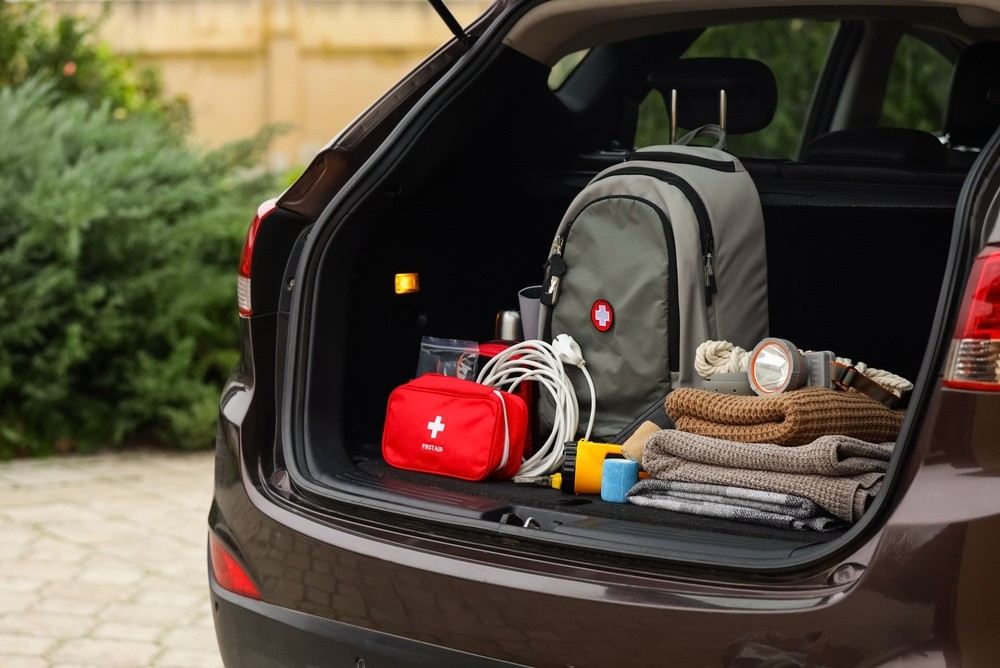
Locate the correct recovery points on your vehicle before the trip and follow the instructions supplied with your recovery gear. Use only recovery points intended for that purpose.
Experience Abu Dhabi advises desert drivers to inspect their vehicle, including the tyres and engine, and carry essentials such as a spare tyre, tool kit, first-aid kit, water, navigation tools and a fully charged communication device.
Plan the Trip, Not Just the Vehicle
Vehicle preparation is only half of a desert trip.
Check the weather before leaving, save offline navigation where appropriate and tell someone outside the group where you plan to go and when you expect to return. New drivers should consider travelling with experienced off-roaders rather than learning vehicle recovery or dune technique alone in a remote area.
Route difficulty also matters. Experience Abu Dhabi lists off-road routes ranging from beginner-level drives to advanced routes such as the Liwa Crossing, which covers 109 km and is intended for experienced off-roaders with sufficient supplies.
Once you return to paved roads, restore the vehicle to its normal road settings. Dubai RTA guidance warns that sand on roads can reduce tyre grip and obscure hazards, so drivers should reduce speed and maintain a safe distance when conditions deteriorate.
Vehicle modifications need similar care. Under UAE Federal Decree-Law No. 14 of 2024, substantial changes to areas including a vehicle’s chassis, body or engine power require approval from the relevant licensing authority. Modified vehicles covered by the provision must also be inspected and approved before use.
Final Verdict
Preparing a 4×4 for winter is not about buying every off-road accessory available. The priority is finding problems before the dunes expose them.
Start with the tyres, cooling system, battery, and 4WD operation. Then check the recovery kit, route, and emergency supplies. If the vehicle has warning lights, coolant loss, damaged tyres, drivetrain problems, or another unresolved fault, fix it before heading away from paved roads.
That approach costs less and creates fewer surprises than discovering a weak component once the nearest workshop is many kilometres away.
Explore more guides like this on ArabWheels.
FAQs About UAE Desert Driving
Start with the tyres and spare, battery, cooling system, fluids, and 4WD operation. Then inspect your recovery gear and make sure you have water, navigation, communication, and basic emergency supplies.
Vehicle requirements depend on the terrain and route. For demanding soft-sand and dune driving, use a vehicle suited to those conditions and check the manufacturer’s off-road guidance.
Do not assume every AWD crossover has the same capability or drivetrain features as a dedicated 4×4.
There is no universal tyre pressure for every 4×4. Vehicle weight, tyre construction, wheel size, load, and sand conditions all matter.
Use guidance appropriate to your specific setup, make adjustments carefully, and restore the correct road pressure before returning to the tarmac.
Some modifications may require regulatory approval. UAE federal traffic legislation states that substantial modifications to areas including the chassis, body, or engine power require approval from the relevant licensing authority, followed by inspection and approval where applicable.
Check current requirements before modifying the vehicle.
Preparing for the UAE desert driving season? Stay ahead with ArabWheels Blogs covering UAE 4x4s, maintenance, ownership advice, and off-road driving. Follow ArabWheels for fresh national and international automotive updates.
