
Top Safety Tech That Prevents Ramadan Crashes
Features to Prioritize for Safer Ramadan Driving

Safety tech in Ramadan becomes more important as daily routines shift across the UAE. Sleep patterns change, evenings extend, and long afternoons feel heavier as Iftar approaches. As a result, many drivers carry subtle fatigue onto the road without fully realizing it.
By late afternoon, traffic builds and urgency increases. Energy dips. Focus softens. In that environment, even a brief delay in braking or a rushed lane change can escalate quickly. That is why safety technology becomes especially important during this month.
Advanced Driver-Assistance Systems (ADAS) are designed for situations like these. They monitor surroundings, calculate distances, issue alerts, and, in some cases, intervene before impact occurs.
For daily commuters, particularly on high-volume roads such as Sheikh Zayed Road and Emirates Road, these systems provide more than convenience. They add a layer of protection.
Key Highlights
-
Pre-Iftar congestion increases crash risk
-
Fatigue slows reaction time and narrows focus
-
ADAS features reduce driver strain and collision severity
-
Many 2026 UAE models now include advanced safety systems
-
Smart planning combined with modern technology improves road safety
Why Top Safety Tech That Prevents Ramadan Crashes Matters
Driving performance depends on alertness, hydration, and rest. During Ramadan, all three fluctuate. Even mild dehydration affects concentration. Reduced sleep slows reflexes. While the change may feel minor, reaction time often stretches just enough to matter.
The Roads and Transport Authority(RTA) advises motorists to maintain safe distances and avoid rushing before sunset. However, heavy traffic makes it difficult to follow that advice consistently. Seasonal traffic advisories issued by the RTA often highlight increased congestion before Iftar, reinforcing the need for defensive driving during this period.
Before Iftar, roads become unpredictable. Sudden stops, tight merges and impatient lane changes are common. In these moments, safety systems help limit consequences.
Automatic emergency braking responds within milliseconds. Lane-keeping assist corrects unintended drifting. Blind-spot monitoring alerts drivers to vehicles outside their view. These systems do not replace responsibility. Instead, they provide backup when attention briefly slips, something more likely during long fasting hours.
Understanding Fatigue Risks During Ramadan
Fatigue primarily impacts:
-
Reaction speed
-
Lane control
-
Hazard awareness
At 100 km/h, one second of inattention equals nearly 28 meters of travel without full control. That distance alone can turn a minor lapse into a serious incident.
This is exactly why safety tech in Ramadan becomes especially important. While technology cannot eliminate risk entirely, modern systems can significantly reduce crash severity and respond faster than delayed human reflexes.
1. Adaptive Cruise Control (ACC)
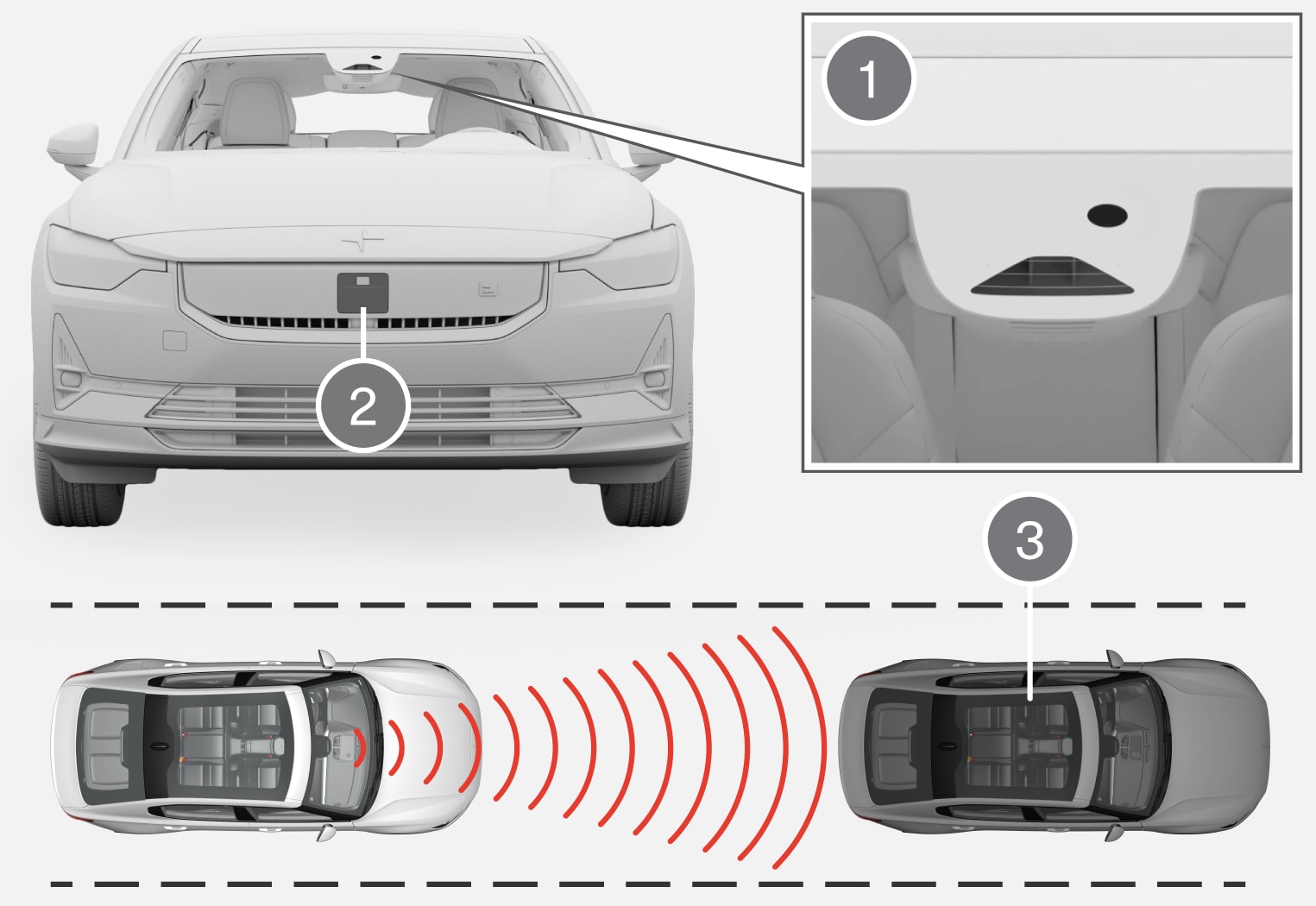
Why It Matters During Ramadan
-
Reduces mental load in traffic
-
Prevents tailgating due to delayed reactions
-
Lowers stress in peak-hour congestion
Popular UAE models with ACC:
-
Toyota Camry 2026 (from approx. AED 122,900)
-
Nissan X-Trail 2026 (from approx. AED 101,900)
-
Hyundai Tucson 2026 (from approx. AED 104,500)
Most brands confirm these features on official websites and press releases.
2. Lane-Keeping Assist (LKA)
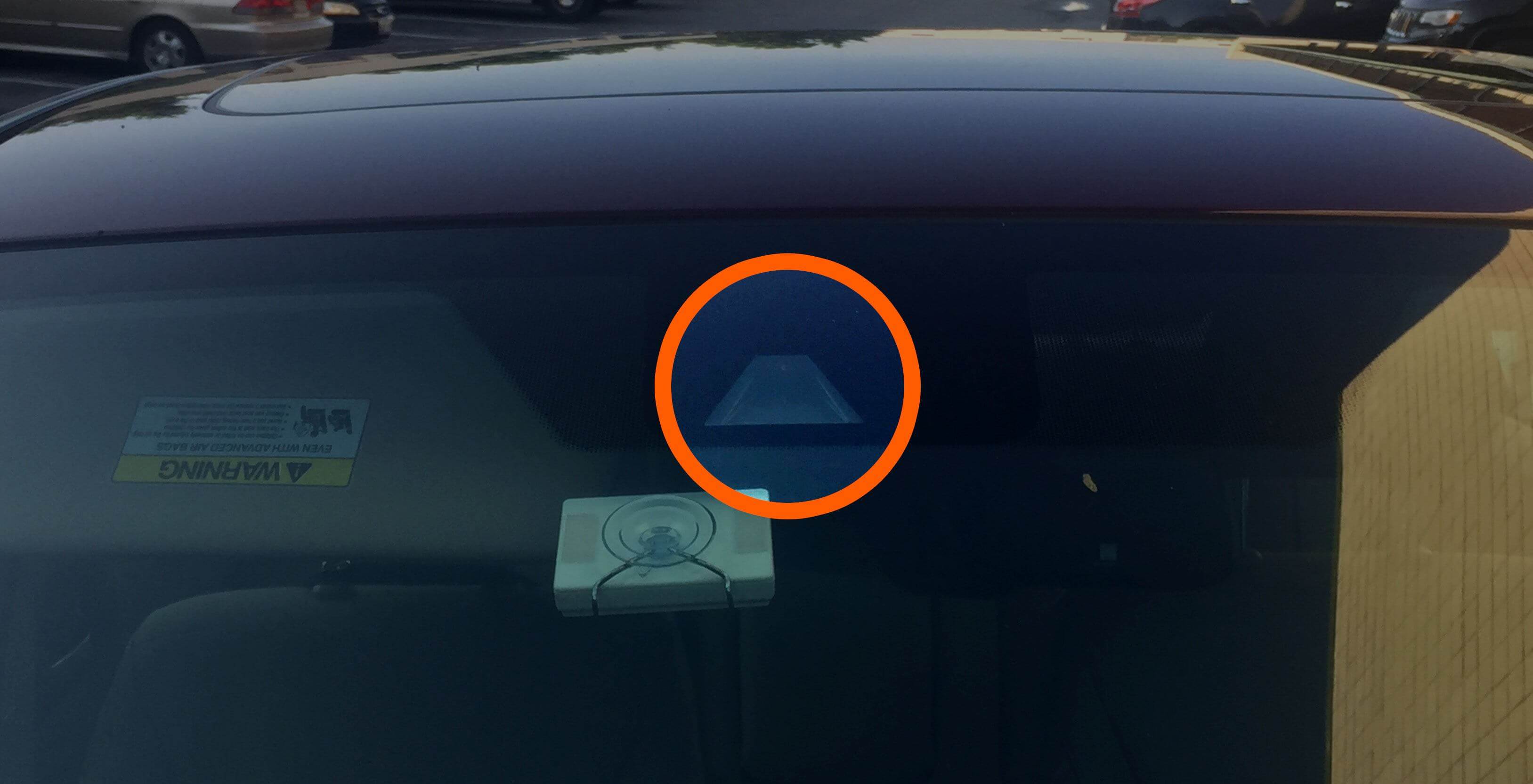
Real Benefit
Even a one-second distraction at 100 km/h equals nearly 28 meters traveled blindly. LKA acts instantly.
Many entry-level trims now include LKA as standard, including:
-
Kia Sportage 2026
-
Honda Accord 2026
-
Mazda CX-5 2026
3. Blind-Spot Monitoring (BSM)
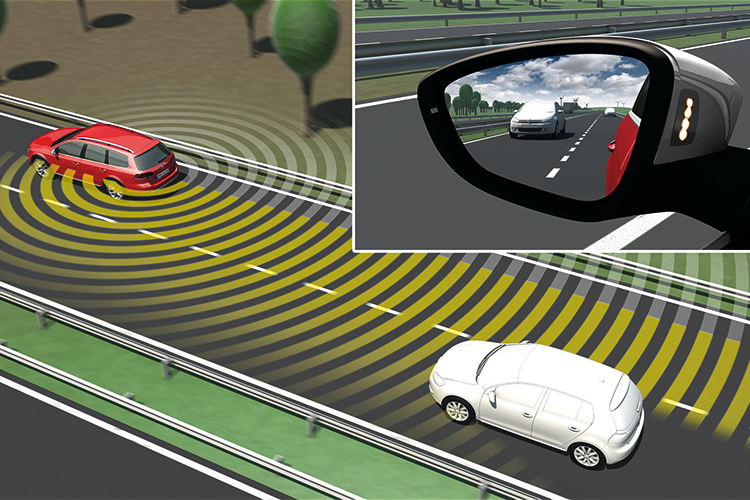
Why It Reduces Crashes
-
Prevents side collisions during lane changes
-
Reduces risky overtaking decisions
-
Supports safer highway driving
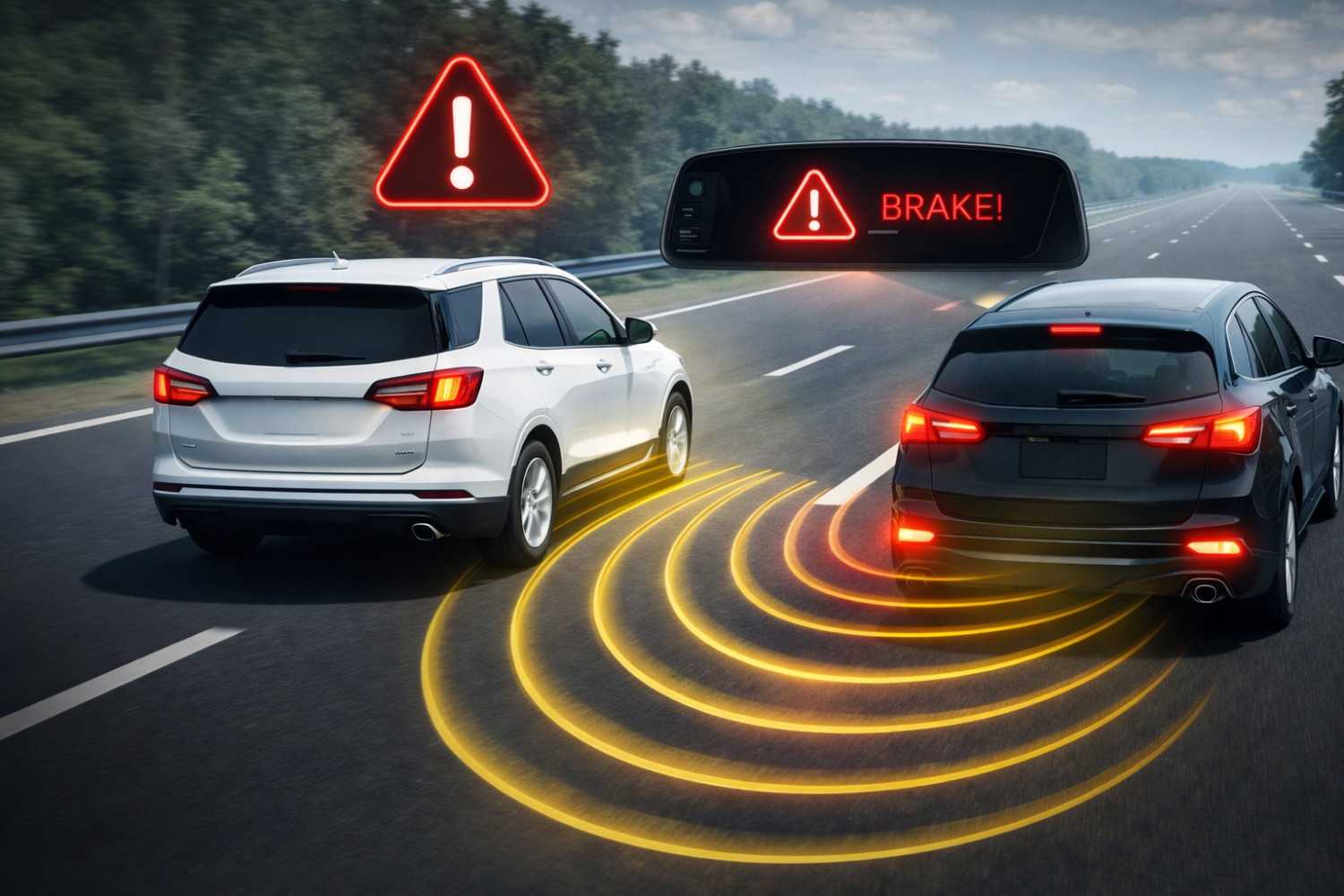
4. Forward Collision Warning and Automatic Emergency Braking
Key Advantage
If fatigue delays your reaction by even half a second, AEB can intervene faster than any human.
Feature Comparison Snapshot
| Feature | Prevents Rear-End Crashes | Reduces Fatigue | Highway Benefit | City Benefit |
|---|---|---|---|---|
| Adaptive Cruise Control | Yes | High | Excellent | Moderate |
| Lane-Keeping Assist | Indirectly | Medium | Excellent | Moderate |
| Blind-Spot Monitoring | No | Medium | Excellent | High |
| Emergency Braking | Yes | High | High | Excellent |
When You’re Just Trying to Get Home Before Iftar
Late afternoon driving during Ramadan feels different. Energy drops and traffic pressure rises.
In those moments, safety systems provide a buffer. They maintain distance, correct drifting, and respond faster than delayed reflexes might allow.
Rest, hydration after Iftar, and responsible planning remain essential. However, vehicles equipped with advanced safety systems reduce the likelihood that a brief lapse results in serious damage.
Additionally, insurers increasingly recognize built-in safety technology as a risk-reducing factor. Over time, that may positively influence premium assessments.
Additional Safety Tips During Ramadan
-
Leave earlier to avoid peak congestion
-
Increase the following distance
-
Avoid aggressive maneuvers
-
Complete vehicle servicing before Ramadan
Drivers can also review road safety advisories from Dubai Municipality for seasonal guidance.
Frequently Asked Questions
Does ADAS prevent all accidents?
No, these systems assist drivers and reduce crash severity, but they do not eliminate risk. Safe driving still depends on awareness and responsible behavior.
Are these features available in affordable cars?
Yes, many vehicles under AED 100,000 now include essential safety systems such as lane assist, collision warnings, and emergency braking.
Is upgrading before Ramadan worthwhile?
If you commute long distances or drive during peak pre-Iftar hours, upgrading to a vehicle with modern safety technology can provide meaningful added protection.
Conclusion
Ramadan alters routines and traffic dynamics. As a result, certain hours of the day carry a higher driving risk. Top safety tech that prevents Ramadan crashes is no longer a premium add-on; it is practical risk management.
Adaptive cruise control, lane-keeping assist, blind-spot monitoring, and automatic emergency braking do not replace discipline. Instead, they reduce the consequences of delayed reactions.
If you are evaluating safer vehicle options this Ramadan, explore detailed comparisons and expert insights on the ArabWheels blog before making a decision.
Drive with awareness. Choose technology wisely. Reach home safely.
