


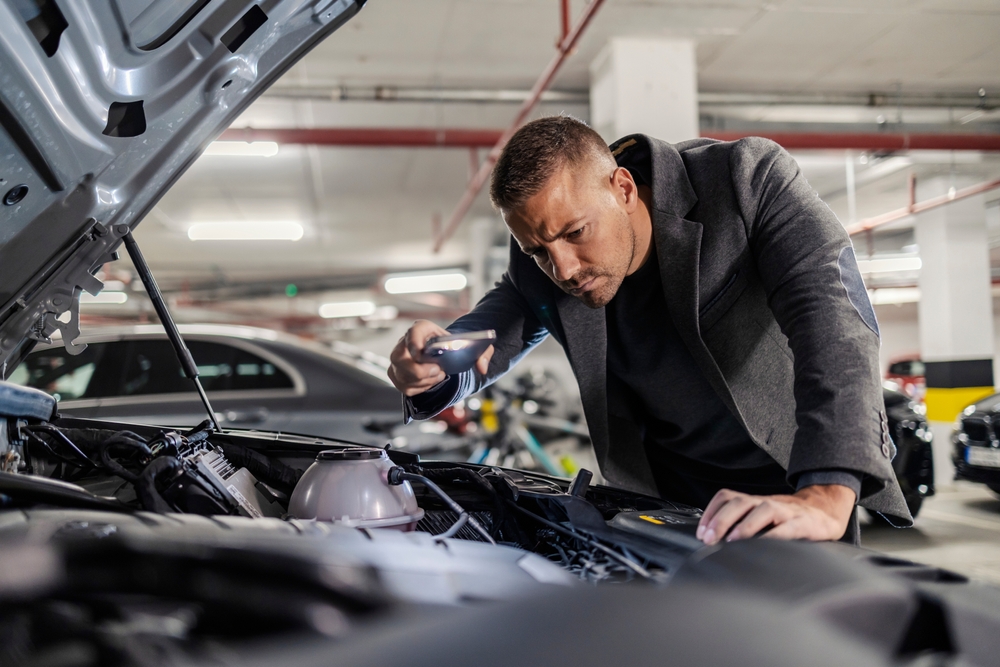
If you drive a Hyundai Elantra, you already know why it’s loved by so many; it’s stylish, reliable, and easy on fuel. But like any vehicle, it has its fair share of quirks. Over time, several Hyundai Elantra problems tend to surface, ranging from minor engine ticking to timing chain noise or even slight transmission slipping.
These issues don’t necessarily mean your car isn’t reliable; most are routine signs of wear and tear that appear as the vehicle ages or misses a few scheduled maintenance appointments. The good news is that they’re easy to detect and often preventable with the proper care and attention.
For a full breakdown of maintenance costs and service insights, you can also explore our in-depth feature, The Real Cost of Owning a Hyundai Elantra, on ArabWheels.
In this blog, we’ll walk you through the top three known issues, explain why they happen, and share practical ways to fix or avoid them. Think of it as your friendly, no-nonsense guide to keeping your Elantra running smoothly for years to come.
Key Highlights:
- Find out what usually goes wrong in the Hyundai Elantra and how to handle engine, timing, and transmission issues with ease.
-
Explains leading causes, warning signs, and quick fixes for ea
-
ch issue.
-
Shares practical maintenance tips to prevent costly repairs and extend vehicle life.
Before We Dive In, if you’ve noticed strange noises, jerky shifts, or rising repair bills, don’t panic, you’re not alone. Thousands of Elantra owners face similar issues. The good news? Most of these troubles can be resolved with proper maintenance and regular checks. Let’s break them down one by one. Whether you’re a new owner or have been driving for years, understanding these Hyundai Elantra problems early can help you stay ahead of costly repairs and keep your car performing at its best.
Engine Ticking and Excessive Oil Consumption
If you’ve ever heard a faint tapping sound when starting your Elantra, you’re not alone. Many owners notice this small but worrying noise long before any warning lights appear, and that’s exactly where this issue begins.
Symptoms
-
Metallic tapping when the engine starts cold
-
Rough idle or mild vibration
-
Frequent need to top up engine oil
-
Check-engine light with codes linked to bearing or misfire
What Causes It
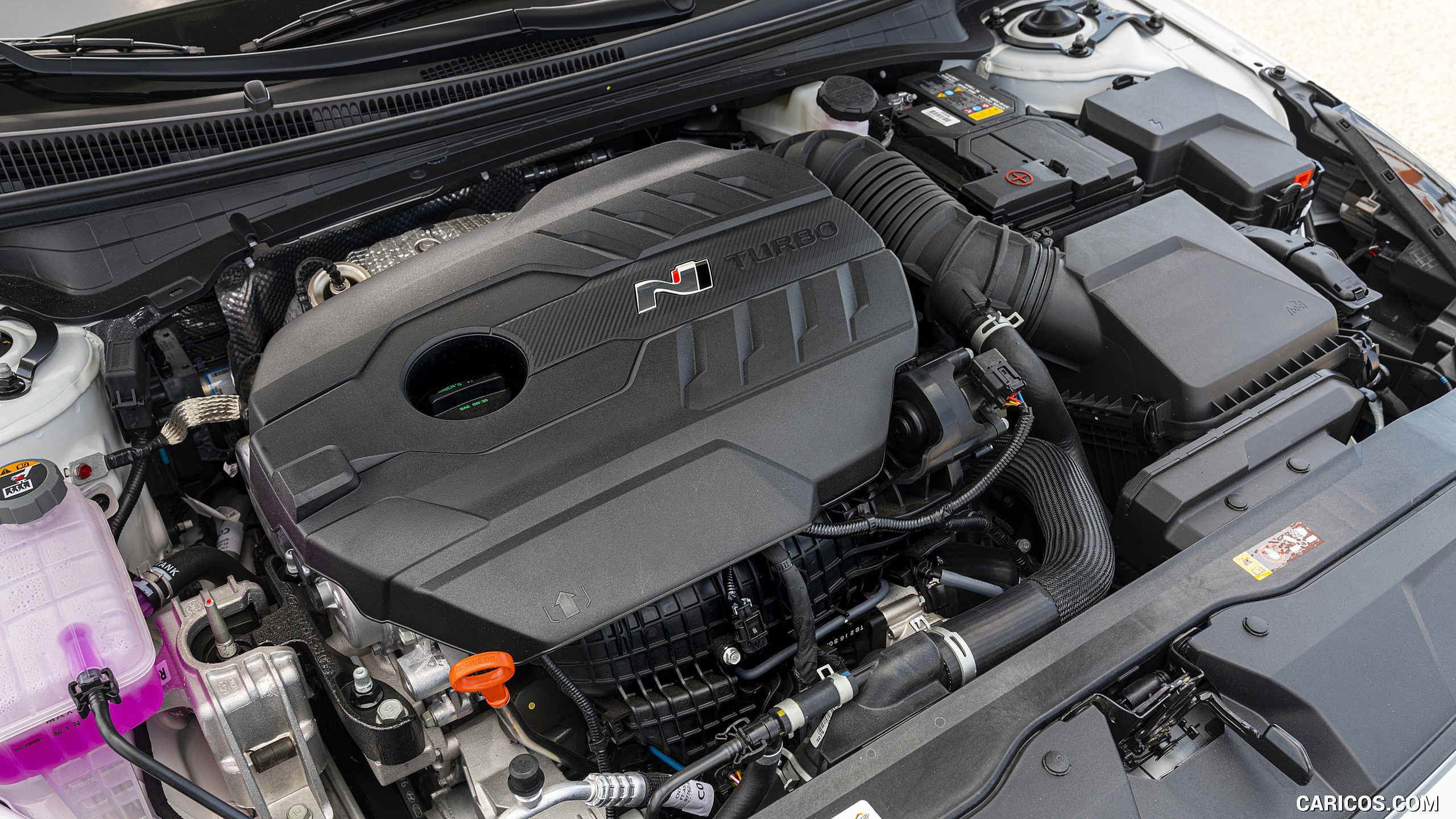
Older Elantras (especially the 1.8 L Nu engines) are prone to piston wear and oil consumption. Over time, the piston rings can let oil seep into the combustion chamber, causing ticking sounds or “piston slap.” Using poor-quality oil or skipping service intervals exacerbates the issue.
How to Fix It
-
Use a high-grade synthetic oil approved by Hyundai, and change it every 5,000 – 8,000 km.
-
Periodically clean the intake valves and flush out any accumulated sludge.
-
If ticking continues, have the piston rings and bearings inspected. A significant repair may be needed, but early attention can prevent catastrophic damage.
-
Check Hyundai’s official site for any recall or extended warranty related to bearing failures.
Pro Tip: Routine oil checks are your cheapest insurance. Never let levels drop below the minimum mark.

Timing Chain Noise and Tensioner Wear
Have you ever started your car and heard a metallic rattle under the hood? That could be your timing chain asking for attention. This is one of those faults that begins quietly but can quickly escalate into a serious issue if left unaddressed.
Signs to Watch For
-
Rattling from the engine front, especially at startup
-
Poor acceleration or rough performance
-
Occasional no-start or backfiring
Why It Happens
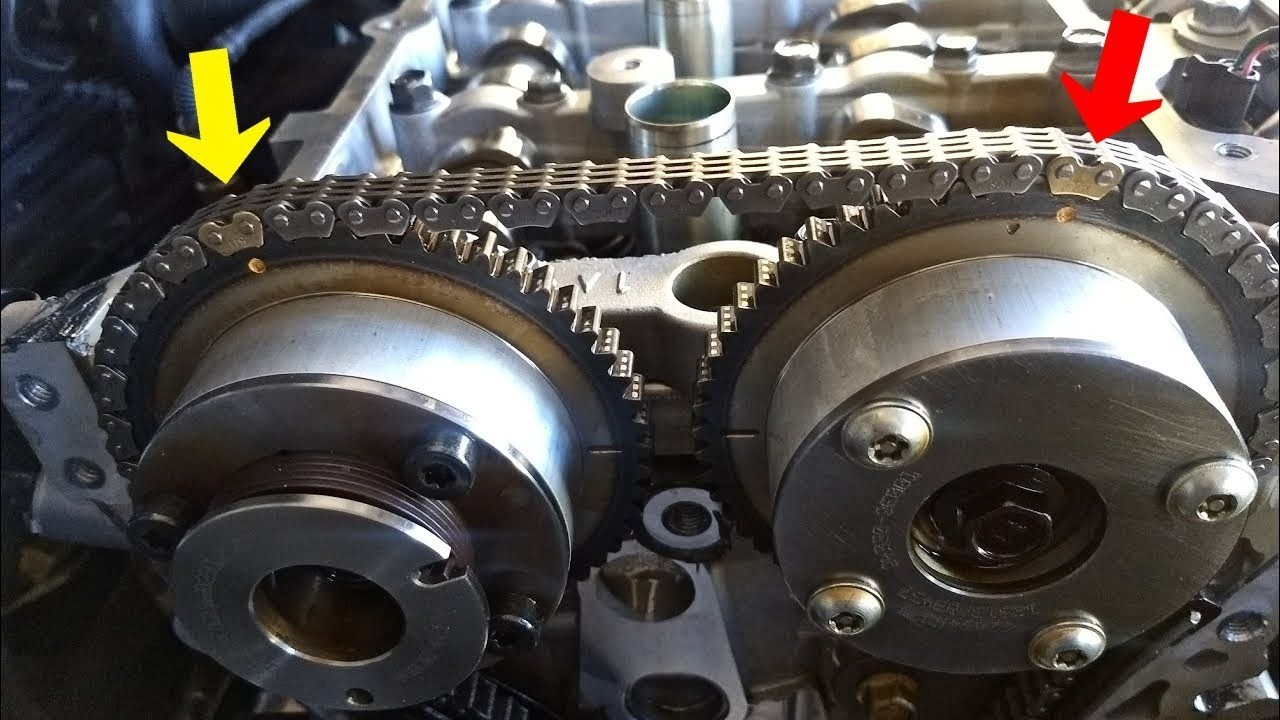
Timing chains are designed to last the life of the engine, but on higher-mileage Elantras, the tensioner or guide rails can wear out. When that happens, the chain slackens, affecting valve timing and overall performance.
Repair or Prevention
-
Replace the entire timing chain kit, including the chain, guides, and tensioner, with Original Equipment Manufacturer (OEM) quality parts.
-
Inspect the camshafts and valves for any related wear.
-
After replacement, ensure proper alignment with diagnostic tools.
-
Stick to a consistent oil-change routine; clean oil keeps the tensioner operating smoothly.
Tip: If you hear a new rattling sound under the hood, don’t ignore it; a skipped chain can bend valves and destroy the engine.
Like many Hyundai Elantra problems, timing-related faults often start small but can escalate into expensive repairs if left unaddressed. Staying proactive with regular maintenance keeps your car smooth, reliable, and worry-free.

Transmission Slipping and Shift Delay
Nothing’s more frustrating than pressing the accelerator and feeling your car hesitate before it moves. That slight lag or jerk when shifting gears is one of the telltale signs that Elantra owners often discuss, and it’s worth understanding why it happens.
What Drivers Notice
-
Jerky gear shifts or hesitation when accelerating
-
Transmission warning light
-
Slight shuddering at low speeds
Why It Develops
Automatic gearboxes in the Elantra rely on clean hydraulic fluid and precise solenoids to function correctly. Over time, heat, friction, and neglected maintenance cause the fluid to degrade. That leads to slipping or delayed shifting.
Fix and Maintenance
-
Drain and replace transmission fluid with the exact specification from your manual.
-
Inspect the valve body and replace worn solenoids if diagnostics show faults.
-
If severe wear is found, consider a professional rebuild.
-
Constantly update the car’s transmission control software when available; Hyundai periodically releases updates to improve shift quality.
Tip: Smooth shifting isn’t just comfort; it prevents further clutch-pack wear and extends gearbox life.
As an owner, you don’t need to be a mechanic to spot these warning signs; just knowing what to listen for can save you a lot of trouble later.
What It Means for You as an Owner
If your Elantra makes a new noise, shifts oddly, or burns more oil than usual, don’t delay inspection; early diagnosis can mean the difference between a quick fluid change and a complete engine rebuild. Additionally, staying aware of the most common Hyundai Elantra problems enables you to take prompt action before they escalate, saving both time and money.
Pro Maintenance Tip: For drivers in Dubai and across the UAE, you can easily check the latest vehicle inspection standards, renewal procedures, and safety guidelines on the official Roads and Transport Authority (RTA) website.
Simple steps to stay ahead:
-
Run an On-Board Diagnostics (OBD) scan every few months or whenever the Check Engine light appears.
-
Keep service records updated.
-
Use only recommended oils and fluids.
-
Build a relationship with a trusted Hyundai-certified mechanic.
Other Notable Concerns
Aside from these central issues, a few more minor but common challenges include:
-
Faulty sensors (e.g., crankshaft position or ignition coil)
-
Power-window regulator failures
-
Steering-column noises or suspension clunks
These are minor compared with the big three, but they can still affect comfort and safety. Regular inspections help catch them early.
Quick Reference Table
| Issue | Common Symptoms | Typical Repair Cost | Preventive Tip |
|---|---|---|---|
| Engine ticking / oil burn | Metallic noise, oil loss | Moderate – High | Use quality oil & keep the level topped |
| Timing chain wear | Rattle, poor performance | High | Replace the kit at the recommended interval |
| Transmission slip | Shift delay, jerking | Moderate – High | Flush fluid regularly |
Frequently Asked Questions
Q1: Is the Hyundai Elantra reliable?
Yes, Most owners enjoy years of dependable service. These issues are limited to specific model years or neglected maintenance.
Q2: Can I do these repairs myself?
Basic maintenance tasks, such as oil and filter changes, are suitable for DIY enthusiasts. But timing-chain and transmission work need professional tools.
Q3: Are newer models better?
Yes, newer Smartstream engines have improved materials and better oil control. Owners report fewer failures overall.
Final Thoughts
Every car has its quirks, and the Hyundai Elantra is no exception. But with the proper care, it remains one of the most dependable sedans you can own. Understanding these Hyundai Elantra problems helps you act fast, save money, and enjoy peace of mind behind the wheel.
Regular maintenance isn’t just about avoiding repairs; it’s about keeping that smooth, confident drive you fell in love with. So, next time you hear a small noise or feel a slight delay, treat it as your car’s way of asking for a bit of attention.
Have you faced any of these Elantra issues? Or found your own clever fix? Share your experience in the comments below; your story might help another driver.
For more expert car advice and maintenance tips, visit ArabWheels Blog, your trusted source for automotive insights across the region.