
Tire Pressure Tips for UAE: 11 Must-Know Guidelines for Drivers
How Proper Tire Pressure Enhances Safety, Fuel Efficiency, and Tire Longevity in UAE Roads

Driving safely in the UAE isn’t just about following speed limits, it also means keeping your car in top condition. One key aspect is maintaining the recommended tire pressure. Correct tire pressure ensures better fuel efficiency, longer tire life, and safer handling on highways like Sheikh Zayed Road or city streets in Dubai and Abu Dhabi. In this guide, we’ll cover 11 essential tips UAE drivers need to know about tire pressure.
Before we dive into the tips, here are the key tire pressure guidelines every UAE driver should keep in mind.
1. What Is Recommended Tire Pressure?
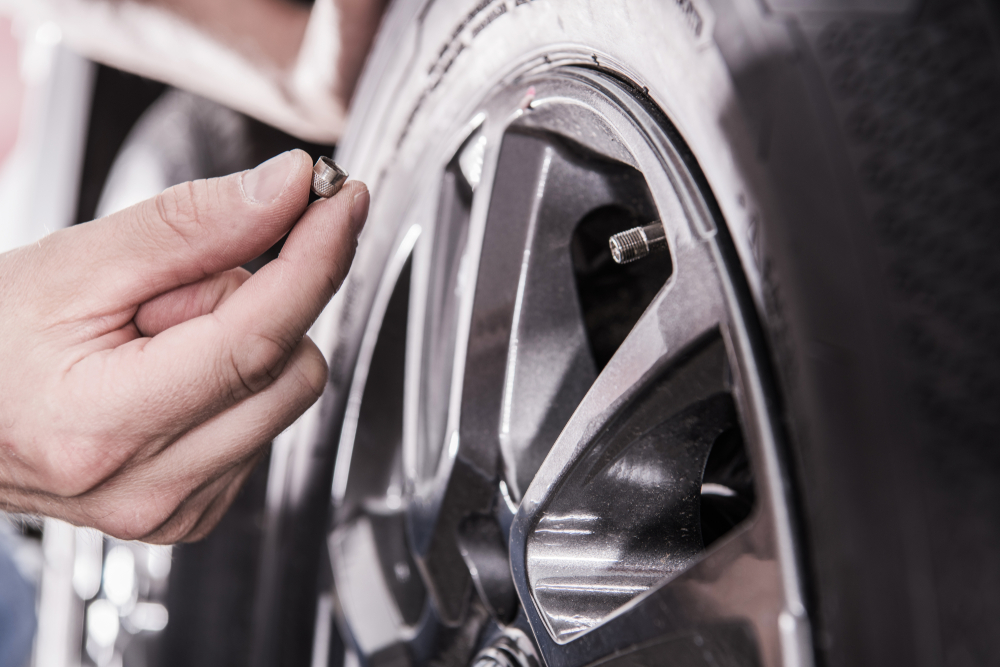
Tire pressure is like the “breath” of your tires. Just like humans need the right amount of air to function well, your car’s tires need the right amount of air to perform safely and efficiently.
-
Recommended tire pressure is the ideal amount of air your tires should hold, not too much, not too little.
-
It’s measured in PSI (pounds per square inch), which tells you how much air is inside.
-
Front and rear tires may need different pressures depending on your car’s design.
-
Maintaining the right tire pressure keeps your tires wearing evenly, helps your car use fuel efficiently, and ensures safe handling, especially on UAE roads where temperatures can be high and long highway drives are common.
In short, checking and maintaining the correct tire pressure is a simple step that greatly improves safety, comfort, and savings.
2. Where to Find the Recommended Pressure
Not sure where to check how much air your tires need? It’s actually easy! Your car’s recommended tire pressure can usually be found in a few reliable places:
-
Owner’s Manual: Every car comes with a manual, and it lists the exact PSI your tires need for safe driving and optimal performance.
-
Sticker Inside the Driver’s Door Frame: Open your car door and look for a sticker on the frame, it shows the recommended pressure for both front and rear tires.
-
Manufacturer’s Official Website: Most car brands provide tire information online, so you can double-check if needed.
Don’t trust the number printed on the tire itself. That’s usually the maximum pressure the tire can handle, not the ideal pressure for your car. Using the tire’s max number can lead to over-inflation, which affects ride comfort, handling, and safety.
3. Why Maintaining Proper Tire Pressure Matters
Keeping your tires at the right pressure isn’t just about following rules, it’s about your safety and comfort on the road. When your tires are properly inflated:
-
Better fuel efficiency: Your car uses less fuel, which is great for those long drives across the UAE, like from Dubai to Abu Dhabi.
-
Even tire wear: Tires last longer because the wear is balanced across the surface.
-
Safe handling and braking: Properly inflated tires grip the road better, making turns, stops, and maneuvers safer.
-
Lower risk of blowouts: Correct pressure reduces the chance of sudden tire failures, especially important on highways in hot UAE weather.
On the other hand, under-inflated or over-inflated tires can compromise all of these benefits. It’s a small step that makes a big difference in safety, performance, and cost.
For official guidance on vehicle maintenance in the UAE, you can visit the Road & Transport Authority (RTA) UAE.
4. Effects of Low Tire Pressure
Running your tires with too little air can cause several problems, some of which you might notice right away. Here are some tips for UAE drivers to keep in mind:
-
Poor fuel economy: Under-inflated tires create more rolling resistance, making your car work harder and burn more fuel.
-
Heat buildup: Soft tires heat up faster, especially on hot UAE roads, which increases the risk of blowouts.
-
Uneven wear: Low pressure causes more wear along the edges of your tires, shortening their lifespan.
In the UAE, with its high temperatures and long highway drives, like on Sheikh Zayed Road or E11, low tire pressure is even riskier. Following these Tire Pressure Tips for the UAE can help you avoid costly problems and stay safe on every trip.
5. Effects of High Tire Pressure
While underinflation is risky, too much air in your tires can also create problems:
-
Bumpier ride: Over-inflated tires absorb less shock, so you’ll feel every bump on city roads in Dubai or Abu Dhabi.
-
Uneven wear: The center of the tire wears faster than the edges, reducing tire lifespan.
-
Reduced traction: Over-inflated tires have less contact with the road, which can affect grip during sudden stops or in wet conditions, like after occasional UAE rain.
The key is balance; keeping your tires neither too soft nor too hard ensures comfort, safety, and longer tire life.
6. How Often Should You Check Tire Pressure?
Checking your tire pressure is quick, but it can save you money and keep you safe. Here’s how often you should do it:
-
At least once a month: Regular monthly checks prevent surprises on busy UAE roads.
-
Always, when tires are cold: Check before driving, because heat from driving can make the pressure read higher than it actually is.
-
Don’t forget the spare tire: Many drivers overlook it, but a properly inflated spare is essential for emergencies.
With these simple checks, you can avoid uneven tire wear, poor fuel efficiency, and unexpected breakdowns—especially important for long trips across the UAE.
7. How to Check Tire Pressure
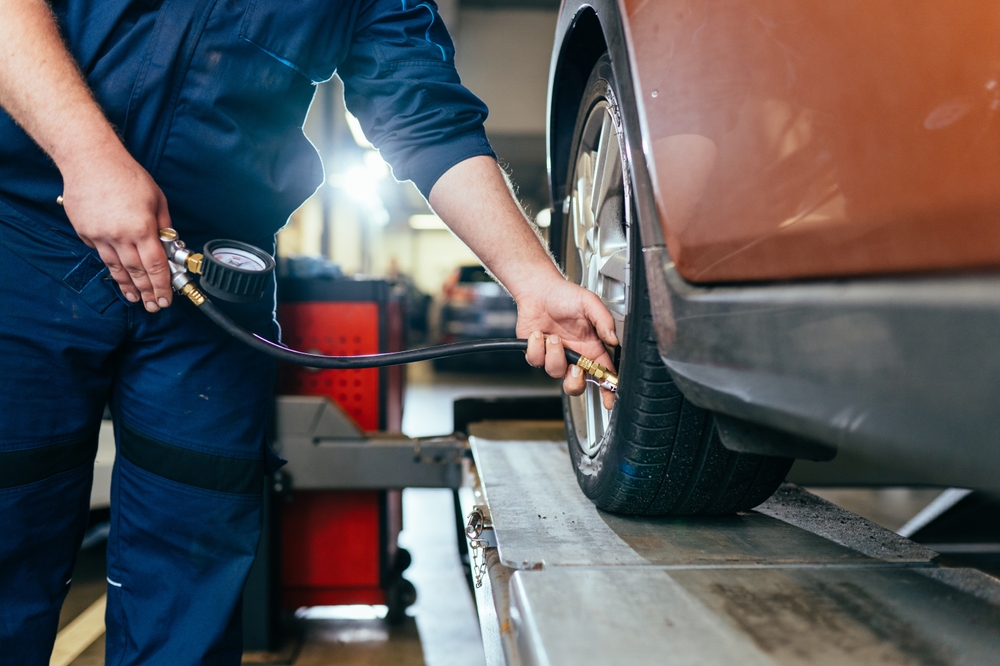
Checking your tire pressure is easier than you might think, and it only takes a few minutes:
-
Grab a reliable tire pressure gauge: You can find these at auto shops across the UAE or even online.
-
Remove the valve cap and press the gauge: This will give you the current PSI reading of your tire.
-
Adjust if needed: Use an air compressor at a petrol station or a home pump to bring your tires to the recommended pressure.
Doing this regularly keeps your ride smooth, safe, and fuel-efficient, whether you’re cruising through Dubai city streets or heading out on a long trip to Abu Dhabi or Sharjah.
8. Seasonal Adjustments
Even in the UAE, temperature changes can affect your tires, so it’s important to adjust them accordingly. Here are some helpful Tire Pressure Tips for UAE drivers:
-
Cold mornings: Especially in winter in Fujairah, Ras Al Khaimah, or desert areas, tire pressure drops by roughly 1 PSI for every 5°F drop, so check your tires before heading out.
-
Hot afternoons: The intense UAE heat can make your tires expand, increasing pressure and potentially causing overinflation.
By following these Tips and adjusting your tires with the seasons, you can enjoy a safe and smooth ride, whether you’re navigating city streets or cruising on highways like Sheikh Zayed Road.
9. Loading and Tire Pressure
Planning to carry extra passengers or heavy cargo in your car? Your tire pressure might need a little boost to handle the extra weight safely:
-
Check your car’s load index: This tells you the maximum weight your tires can safely carry.
-
Inflate within the recommended range: Adding a bit of pressure helps your tires support the load without overworking them.
Proper adjustments not only prevent tire damage but also keep your car stable and easy to handle, whether you’re driving through Dubai traffic or heading out on a family trip to Abu Dhabi or Al Ain.
10. When to Replace Tires
Even if you maintain the perfect tire pressure, tires don’t last forever. You should consider replacing them if:
-
Tread depth is below 2/32 inch (1.6 mm): Worn treads reduce grip, especially on wet or sandy roads.
-
You notice bulges, cracks, or cuts: These are signs the tire is compromised and could fail.
-
Tires are 6–10 years old: Check the manufacturer’s guidelines, as age weakens tire structure over time.
In the UAE, where long highway drives and high temperatures are common, it’s better to replace tires early than risk a blowout on roads like Sheikh Zayed Road or E11.
11. Professional Help
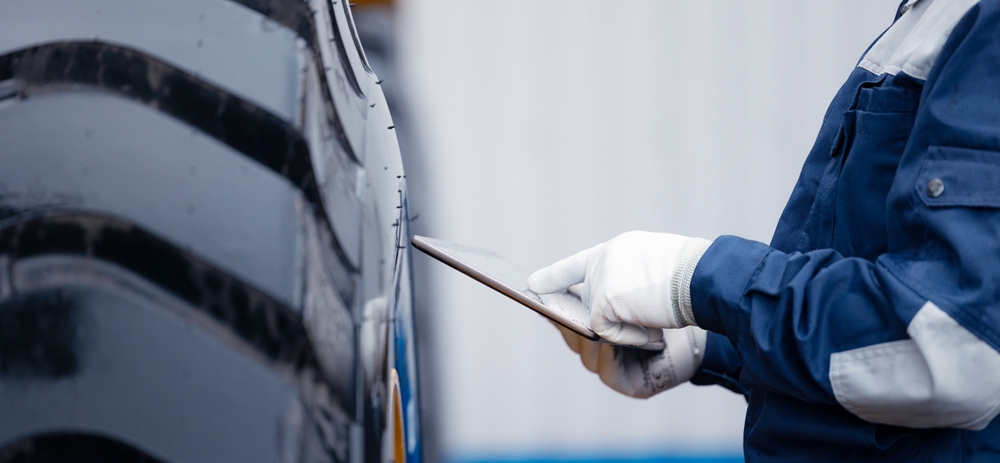
If you’re ever unsure about your tires, getting professional help is the safest choice:
-
Visit a reliable auto workshop: Choose a trusted service center in your city, Dubai, Abu Dhabi, Sharjah, or anywhere in the UAE.
-
Check alignment, balancing, and overall tire condition: Professionals can spot issues you might miss, ensuring your tires perform at their best.
A quick professional check can keep you safe on every trip, whether you’re navigating busy city streets, cruising on highways, or heading out to desert adventures.
Frequently Asked Questions
1. What is the correct tire pressure in the UAE?
Most passenger cars need 32–35 PSI when cold. Check your car’s manual or the sticker inside the driver’s door for exact numbers.
2. What are the tire rules in the UAE?
Tires must meet safety standards and have a Certificate of Conformity. Minimum tread depth is 1.6 mm, but replacing it earlier is safer.
3. How often should I check my tire pressure in the UAE?
Check at least once a month and before long trips. Always measure when tires are cold, including the spare.
4. Can tire pressure affect fuel efficiency?
Yes. Under-inflated tires use more fuel; over-inflated tires wear unevenly. Proper pressure improves fuel economy, safety, and tire life.
