


The automotive industry is making a significant shift towards a more sustainable and eco-friendly environment. In this regard, hybrid car are becoming increasingly popular in different parts of the world, including the United Arab Emirates (UAE). The authorities in the UAE are actively promoting this transition by developing electric stations to encourage the adoption of hybrid vehicles. Furthermore, leading automobile manufacturers are focusing on producing more fuel-efficient, greener vehicles to promote sustainability and reduce environmental impact.
While the transition from traditional petrol vehicles to electric cars can be challenging for consumers, hybrid cars provide an excellent alternative. They offer the flexibility to switch between petrol and electric engines, boosting fuel efficiency and improving air quality. Hybrid cars offer the best of both worlds.
However, with a wide range of options of makes and models available, choosing a hybrid car can be overwhelming. That’s why we’re here to help. We will guide you through different types of hybrids and help you select the right hybrid vehicle that meets your specific needs and preferences.
Key Insight
1. Hybrid Types: Full Hybrids (HEV), Mild Hybrids (MHEV), and Plug-in Hybrids (PHEV) offer various benefits like better fuel efficiency and eco-friendliness.
2. Buying Factors: Consider travel needs, fuel efficiency, battery life, and budget when choosing a hybrid.
3. Fuel & Battery: Hybrids offer better mileage, with batteries lasting 10 years, but replacements can be expensive.
4. UAE Benefits: Reduced emissions, lower fuel costs, government incentives, and growing charging infrastructure make hybrids a great choice.
Types of Hybrid Vehicles
There are three distinct types of hybrid vehicles, each offering unique benefits and serving different purposes. Understanding these types is essential to determining which hybrid car best suits your needs and preferences. However, before we delve into the other types, let’s first understand how hybrids work.
How a Hybrid Vehicle Works
A hybrid vehicle combines two powertrains: an electric motor and a combustion engine. Both work together to improve fuel efficiency and driving experience. The engine draws petrol from the fuel tank, and the electric motor takes energy from the battery built-in. At low speed, the vehicle automatically switches the engine to electric mode, reducing fuel consumption and improving fuel economy.
Full Hybrid
Full Hybrid vehicles (HEV) are the most popular hybrids that you will see on UAE roads, especially those manufactured by top brands like Toyota. These vehicles combine both electric motors and petrol engines and typically shift to petrol when driving on open roads while turning to electric motors when stuck in traffic and needing frequent breaks.
They are self-charged through an internal electric motor and combustion engine via a braking system called RBS. The most common brands that manufacture full hybrid vehicles include Toyota, Nissan, Kia, Ford, and Honda.
Mild Hybrid
In a mild hybrid (MHEV), the vehicle is dependent on the engine combustion and electric motor. It can’t run solely on an electric motor. In this hybrid, an electric motor assists the engine in accelerating the vehicle to reduce fuel consumption by up to 10% compared to traditional petrol cars.
It increases fuel efficiency and improves the driving performance of the vehicle by switching off the engine when the vehicle stops, minimizing the workload of the engine. Hyundai Tucson, BMW i3, Audi S, and Honda models include mild hybrid systems.
Plug-in Hybrid
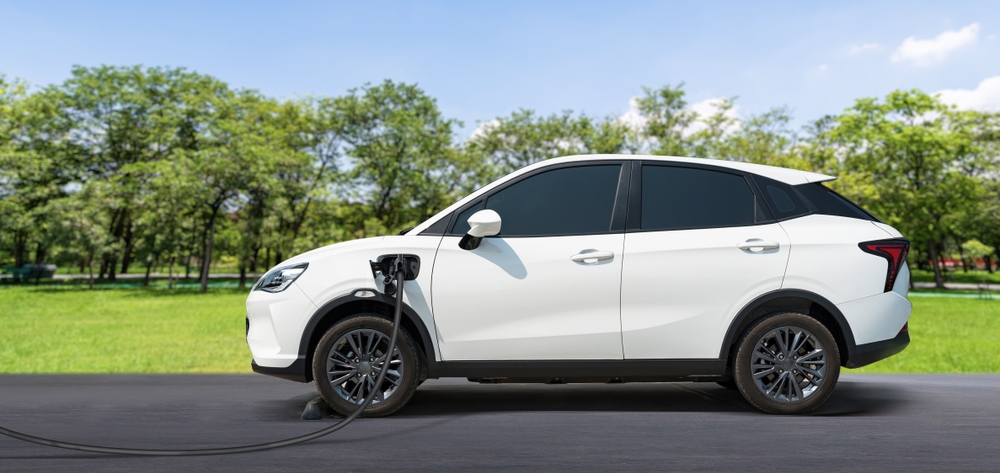
As the name suggests, plug-in hybrids are vehicles that are charged externally from charging stations. These cars have larger batteries than those of full hybrids, allowing them to run solely on electric motors for longer and cover greater distances.
Plug-in hybrids combine combustion engines and electric motors, with larger batteries powering the electric motors. This results in significant improvements in fuel efficiency and creates a more eco-friendly driving experience. Some models from manufacturers such as Mercedes, BMW, and Lexus offer plug-in hybrid options for customers seeking a more sustainable mode of transportation.
When choosing a hybrid vehicle, there are various factors to consider, such as costs, maintenance and repair expenses, battery life, and fuel efficiency. It is essential to understand your travel requirements, the terrain you typically drive on, and your driving style when buying a hybrid vehicle in the UAE.

Things to Consider When Buying a Hybrid Car
Assess your Needs
When considering a hybrid car in the UAE, it’s essential to assess your needs. Start by evaluating your surroundings, situation, travel requirements, and the accessibility of power stations near you. Determine your daily travel route such as you are city driver or go for long trips. Check if there are power stations available near your location to recharge a plug-in hybrid. Lastly, consider your budget since hybrid cars are more expensive than traditional cars but require less maintenance and have lower fuel costs.
Fuel Efficiency
Fuel efficiency is becoming increasingly important for people looking to buy vehicles as the automotive industry prioritizes sustainability and eco-friendliness. This shift will lead to the development of fully electric or hybrid cars in the near future. Thus, it is a great time to consider purchasing a hybrid vehicle, to enjoy excellent fuel efficiency.
Different types of hybrid vehicles offer varying levels of mileage depending on the size of the batteries they use. For example, a full-hybrid Toyota Yaris offers an average mileage of 28 km/l, while a Honda Accord has a fuel capacity of 25 km/l. Regardless of the specific mileage, hybrid vehicles are a more sustainable choice than traditional diesel engine vehicles.


Battery Longevity
Most automobile manufacturers offer a 10-year battery warranty on hybrid cars. If you are considering buying a used hybrid vehicle, you can rest assured that there is plenty of warranty. You can check the warranty and condition of the hybrid vehicle by reviewing its complete history on the Road and Transport Authority (RTA) website in the UAE.
However, one major drawback of buying a hybrid vehicle is that the batteries can be pretty expensive. Once the warranty expires, replacing the batteries can cost anywhere from AED 5,000 to AED 15,000 in the UAE. To keep the battery in good condition and prolong its life, it is essential to drive carefully and maintain the vehicle regularly.
Also Read: Hybrid Vs Electric Car – Which One is the Best Choice in the UAE


Frequently Asked Questions
Conclusion
In conclusion, choosing a hybrid vehicle in the UAE is not just a smart move, it’s a forward‑looking one. With around 700 charging stations already in place, the infrastructure is becoming stronger every day. Hybrids offer a smoother drive, significantly lower fuel consumption and emissions, and you also benefit from government incentives like free green parking and preferential green auto‑loan programmes.
By taking the time to understand both the advantages and the potential drawbacks of hybrids, you’ll be better equipped to pick the model that suits your needs and lifestyle. To dig deeper and narrow down your choices, check out the detailed ArabWheels blog.
Ready to go hybrid? Start your research today, set your budget, visit local dealers, take some test drives, and make the switch with confidence.
Learn more: