
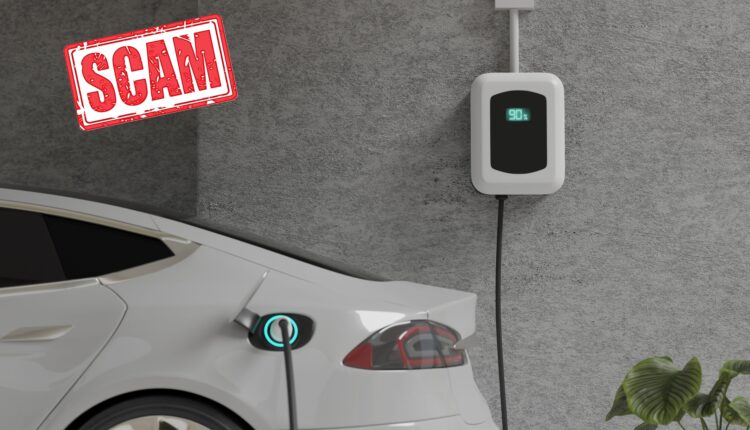
The Inconvenient Truth About EVs in Gulf
Picture this: You’re cruising through the Liwa desert in your shiny new Tesla, feeling like an eco warrior. Suddenly, your battery icon starts flashing red faster than a Formula 1 warning light. The nearest charging station? About 200 kilometers away, through dunes that make the Sahara look like a parking lot. Welcome to the Gulf’s Inconvenient Truth About EVs.
When Desert Dreams Meet Battery Limitations
Living in the UAE means understanding that our relationship with cars goes beyond mere transportation. We drive through landscapes where GPS signals get confused and the nearest civilization might be a camel farm. EVs promise zero emissions and silent rides, but they also come with a harsh reality that EV manufacturers conveniently forget to mention in their glossy advertisements.
Range anxiety isn’t just a buzzword here; it’s a legitimate survival concern. The Nissan Leaf offers approximately 240 kilometers of range on a full charge under ideal conditions. Factor in our beloved air conditioning running at full blast in 48°C, and that range drops faster than your phone battery.
Most EVs lose approximately 20 to 30 % of their range in extreme heat, turning a weekend trip to Fujairah into a mathematical headache.
The Infrastructure Mirage
The UAE government deserves credit for installing charging stations across major cities and highways. Dubai now boasts over 500 charging points, while Abu Dhabi follows closely with impressive infrastructure development. These numbers look fantastic on paper and even better in government press releases.
But here’s where reality kicks in! Fast charging stations work brilliantly when you’re hopping between malls in Dubai or commuting from Sharjah to Abu Dhabi. Try explaining that to someone planning a desert camping trip or heading to remote areas with no mobile phone towers.
The charging network works well in cities but has significant gaps elsewhere. Installation costs for remote charging stations can reach astronomical figures, making business sense about as likely as finding snow in July.
Cultural DNA and Horsepower Heritage
Let’s address the elephant in the showroom: the Gulf’s cultural DNA runs on petrol, not batteries. We grew up hearing V8s roar across highways, watching our fathers tinker with carburettors, and associating power with displacement and sound. Electric motors deliver instant torque and impressive acceleration, but they do it with the emotional appeal of a washing machine.
Combustion engines offer something that electric vehicles simply cannot replicate: the emotional connection between driver and machine. The rumble of a well-tuned engine speaks to something deeper than mere transportation. It represents freedom, power, and cultural identity that spans generations.
Moreover, our extensive road trip culture doesn’t align with current EV capabilities. Driving from Dubai to Muscat or exploring Oman’s mountain roads requires confidence in your vehicle. Current EVs offer impressive urban performance but fall short of the reliability needed for regional exploration.
The Economics of Transition
Cost analysis reveals another inconvenient truth that EV manufacturers prefer to ignore. While electricity costs remain relatively low, the total cost of ownership tells a different story. Battery replacement expenses can account for 40 to 60 % of a vehicle’s original price after eight to ten years of use.
Insurance premiums for EVs run significantly higher than conventional cars, primarily due to expensive parts and limited repair expertise. Finding qualified technicians for EV maintenance outside major cities remains a challenge, making simple repairs into expensive visits to authorized service centers.
Government incentives help offset initial purchase costs, but these subsidies won’t last forever. Once the novelty wears off and governments need to recover infrastructure investments, the economic benefit of EVs might fade faster than morning fog in the desert.
Conclusion
EVs aren’t inherently bad; they’re simply mismatched with the Gulf’s geographic and cultural realities. UAE’s vast distances, extreme climate, and adventure-oriented lifestyle create challenges that current EV technology cannot adequately address. Perhaps future battery technologies will solve range and heat issues, but that future remains frustratingly distant.
Until batteries work in desert heat and charging stations pop up everywhere, the Gulf will keep running on the fuel that built our nation. Sometimes, the most progressive choice isn’t adopting the latest technology but honestly acknowledging when that technology isn’t ready for your reality.
Thanks for reading till the end. Let us know what you think in the comments below. Keep following the Arabwheels Blog for more content like this.