
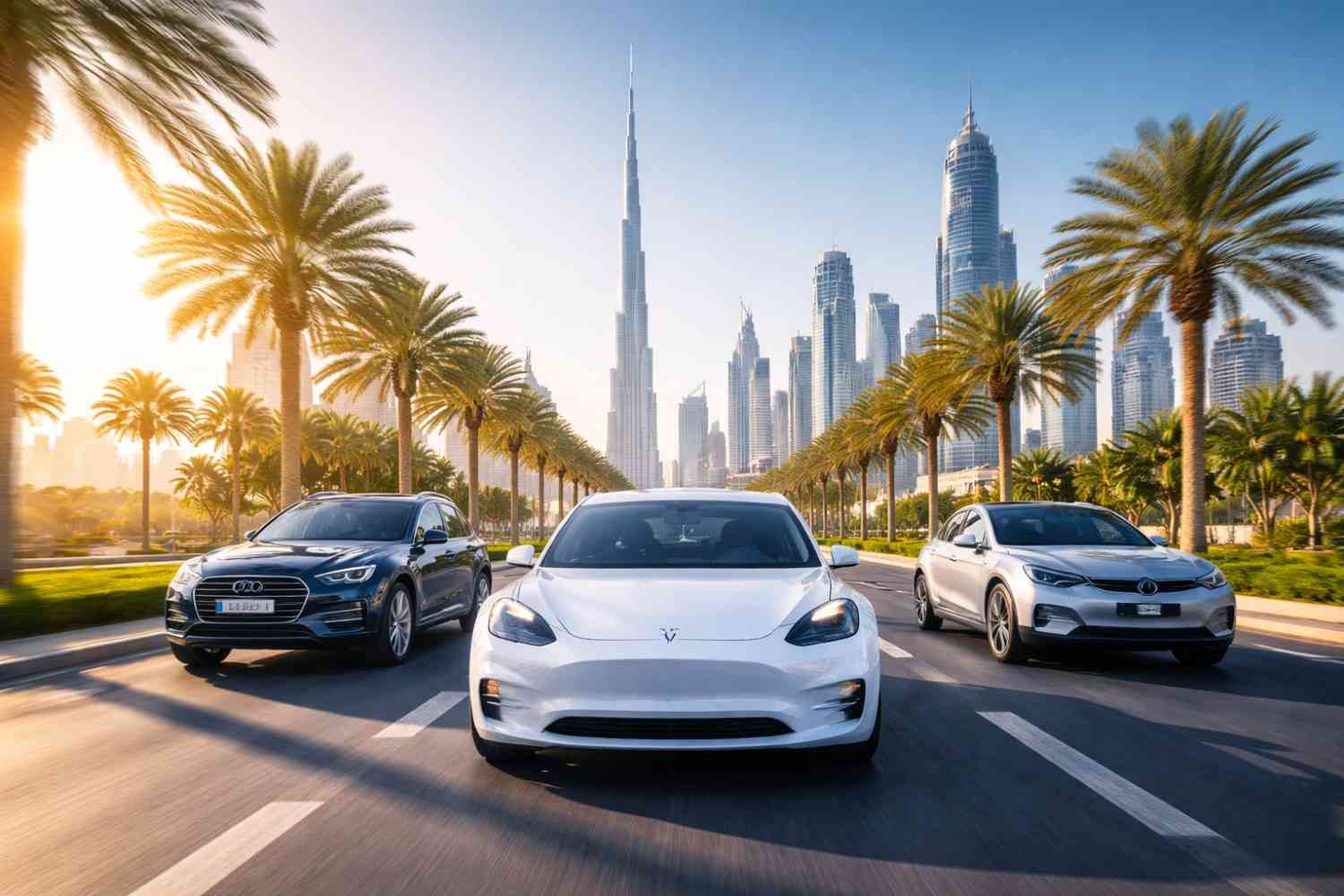
The Impact of Electric Vehicles on Climate in the UAE
How Electric Vehicles Are Transforming the UAE's Environment

The UAE is making significant strides toward sustainability, and electric vehicles (EVs) are at the heart of this movement. They play a crucial role in reducing carbon emissions, improving air quality, and promoting green mobility. The shift from gasoline-powered to electric vehicles is not just a technological change but a vital step toward preserving the environment for future generations.
In this blog, we explore the environmental impact of these vehicles in the UAE and how they are helping the country achieve its climate goals.
1. Reduction in Emissions: Electric vehicles in the UAE help lower carbon emissions by replacing conventional gasoline-powered cars with zero-tailpipe emission alternatives.
2. Improved Air Quality: EVs contribute to cleaner air in urban areas like Dubai and Abu Dhabi by reducing pollutants that cause respiratory and cardiovascular diseases.
3. Support from Government & DEWA: The UAE government, along with DEWA, is expanding electric vehicle infrastructure and renewable energy projects to support the growth of EV adoption.
4. Challenges in Battery Recycling: While EVs offer many environmental benefits, the UAE is working to address challenges like EV battery disposal and implementing efficient recycling programs.
How Electric Vehicles Help Reduce Carbon Emissions
They are helping reduce carbon emissions in the UAE. Traditionally, internal combustion engine (ICE) vehicles contribute significantly to the country’s carbon footprint. By replacing them with EVs, the UAE can decrease its reliance on fossil fuels, which is essential for achieving its climate goals.
Key Environmental Benefits of EVs in the UAE:
-
Zero Tailpipe Emissions: Unlike conventional cars, EVs produce no tailpipe emissions, such as carbon monoxide, nitrogen oxides, and particulate matter. These pollutants contribute to air pollution and climate change.
-
Reduction in Greenhouse Gases: It emits fewer greenhouse gases when powered by clean electricity. Over time, this significantly reduces the overall carbon footprint.
-
Decreased Fossil Fuel Dependency: It relies on electricity instead of petroleum-based fuels. This reduces the demand for gasoline and diesel, helping the UAE move toward a greener energy future.
The UAE is also expanding its renewable energy sources, such as solar and nuclear power. As more clean energy enters the grid, EVs will further help reduce emissions.
The UAE’s Commitment to Green Mobility
The UAE government has embraced EVs as part of its long-term sustainability strategy. The aim is to reduce carbon emissions and diversify the country’s energy sources. EVs play a significant role in achieving these objectives.
Government and Private Sector Collaborations:
Leading local and international companies also support the UAE government’s efforts. Private sector players, such as Dubai Investments and Al-Futtaim, are working alongside government entities, such as DEWA, to install electric vehicle charging stations, ensuring convenience for EV owners across the country.
Improving Air Quality and Public Health
Air pollution has been a growing concern in the UAE’s urban areas. Traditional vehicles are a significant source of air pollution that harms public health. EVs offer a solution, as they produce zero emissions during operation.
With fewer vehicle emissions, air quality in cities like Dubai and Abu Dhabi can improve. This leads to cleaner air and reduces the burden of pollution-related respiratory and cardiovascular diseases. Additionally, improving air quality can help mitigate the heat island effect, a concern in desert climates like those in the UAE. By adopting EVs, the UAE can address air quality issues while improving public health.
Clean Energy and EVs: A Perfect Match
The environmental benefits of these are amplified when they are charged using renewable energy. While the UAE’s electricity grid remains partially reliant on fossil fuels, DEWA has made significant strides toward adopting clean energy. The Mohammed bin Rashid Al Maktoum Solar Park, operated by DEWA, is one of the world’s most important solar power projects, contributing to a more sustainable grid. With these advancements, EVs are becoming even more eco-friendly as they rely on cleaner energy.
As the share of renewable energy in the grid increases, the impact of these vehicles will become even more positive. If EVs are charged using solar or wind power, their carbon footprint will be even lower. This integration of clean energy is key to the UAE’s transition to a sustainable energy future.

Challenges: Battery Disposal and Recycling
While they offer numerous environmental benefits, they also pose challenges. One of the primary concerns is the disposal and recycling of EV batteries. These vehicles rely on large lithium-ion batteries, which can pose environmental risks if not disposed of properly.
The UAE is actively working to solve this problem. Advances in battery recycling technology are being made, and new initiatives are being developed to ensure responsible battery disposal.
What is Being Done to Address This?
-
Battery Recycling Programs: The UAE is exploring partnerships with global recycling companies to develop efficient systems for recycling EV batteries. This will enable the recovery of valuable materials such as lithium, cobalt, and nickel, which can be reused in new batteries.
-
Sustainable Battery Technologies: Research into alternative battery technologies is also underway. The development of solid-state batteries, which are easier to recycle and have longer lifespans, could significantly reduce the environmental impact of EV batteries.
Global and Local Solutions for EV Battery Recycling:
On the global scale, major players like Tesla and Renault are leading the way in battery recycling. Locally, the UAE is collaborating with international experts to implement cutting-edge recycling technologies that aim to reduce the environmental impact of old EV batteries. This will make EVs even more sustainable in the long run.
The Future of Electric Vehicles in the UAE
The future of it in the UAE looks promising. As the government continues to support EV adoption and expand the necessary infrastructure, EVs will play an increasingly important role in reducing emissions and improving air quality.
With increased investment in clean energy and EV infrastructure, adoption is expected to rise steadily over the next decade. As more consumers switch to EVs, their cost will also decrease, making them more accessible to a broader audience.
Growth of Autonomous EVs and EV Market Expansion:
Looking to the future, the UAE is also investing in autonomous electric vehicles, which are expected to reduce traffic congestion, further lower emissions, and transform the transportation landscape. As the market for EVs grows, we can expect more accessible, affordable options for consumers.
Frequently Asked Questions (FAQs)
1. How do electric vehicles reduce air pollution in the UAE?
They eliminate tailpipe emissions, reducing pollutants such as carbon monoxide, nitrogen oxides, and particulate matter. These pollutants contribute to air pollution and health problems.
2. What incentives are available for electric vehicle owners in the UAE?
The UAE offers benefits such as toll exemptions, free parking, and reduced registration fees for EV owners, making EV ownership more affordable and accessible.
3. How is the UAE addressing the disposal of batteries from electric vehicles?
The UAE is investing in battery recycling programs and sustainable technologies to ensure the responsible disposal of EV batteries and reduce their environmental impact.
4. How are electric vehicles contributing to the UAE’s economic growth?
These are not only helping the environment but also stimulating the economy by creating jobs in EV infrastructure, renewable energy, and green technologies. The UAE’s investments in these sectors are positioning the nation as a leader in sustainable transportation, attracting global companies and fostering innovation.
Conclusion
Electric vehicles are a key part of the UAE’s environmental strategy. They offer significant benefits, including reducing carbon emissions, improving air quality, and decreasing dependence on fossil fuels. The government’s efforts to support EV adoption through incentives and infrastructure development are driving the country toward a more sustainable future.
For consumers, choosing an electric vehicle in the UAE means contributing to a cleaner environment and saving on maintenance and fuel costs. As the country continues to advance in renewable energy and EV technology, its environmental impact will only become more positive, helping the UAE achieve its sustainability goals.
Ready to make the switch to an electric vehicle? Visit ArabWheels for the latest information on electric vehicle options and tips for navigating the UAE’s growing EV market. Explore our blog for expert insights and advice on embracing a greener, more sustainable future in the UAE.
Start your journey to a cleaner tomorrow today!
