
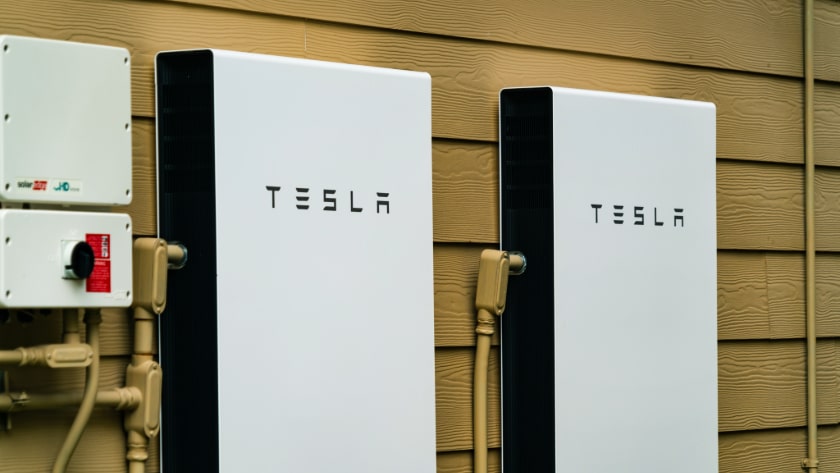
Tesla Issues Recall for 10,000 Powerwall Batteries Over Fire Hazard
Tesla is recalling approximately 10,500 Powerwall 2 units in the United States due to overheating and fire risks. Federal regulators have found that defective lithium-ion cells in these units can overheat, emit smoke, or even catch fire, potentially leading to injury or property damage.
The recall affects units sold between November 2020 and December 2022.
What’s Being Recalled?
Tesla is recalling Powerwall 2 AC Battery Power Systems that contain faulty lithium-ion cells. These systems, which homeowners often pair with solar panels or use for backup power, now present a fire hazard.
Although no injuries have occurred, more than 20 incidents of overheating have been reported, some involving smoke or flames. Tesla has also documented minor property damage. In response, Tesla remotely discharged the affected units to reduce immediate danger.
The company plans to replace the faulty systems free of charge, with certified installers handling the replacement and installation.
What Owners Should Do
Owners of affected units should check their system’s status through the Tesla app or contact Tesla Energy Support for more information. Tesla recommends keeping systems connected so that remote safety measures can be applied until the company replaces the units.
Certified installers will handle the removal and installation once the replacement systems are ready. Owners need to stay in contact with Tesla and monitor their systems until they receive replacements.
Why This Matters
This recall adds to Tesla’s growing list of safety concerns. The company recently dealt with battery defects in over 13,000 vehicles and faced issues with its Cybertruck assembly. The recall now places increased focus on Tesla’s safety standards, especially as the company expands its home-energy division.
For homeowners, this incident underscores the need to monitor the performance of their lithium-ion battery systems closely. Staying connected to the system and following Tesla’s guidance will help ensure safety during the recall process.
Conclusion
Tesla’s recall of over 10,000 Powerwall 2 batteries highlights the potential risks of residential energy storage systems. If you own a Tesla Powerwall, follow the company’s instructions and maintain communication to ensure your system remains safe.
Tesla’s handling of this recall will likely influence its approach to future safety standards. What are your views on this? Let us know in the comments below. Keep following the Arabwheels Blog for more content like this.