
Oil Prices Surge: How the Strait of Hormuz Standoff Impacts UAE Drivers
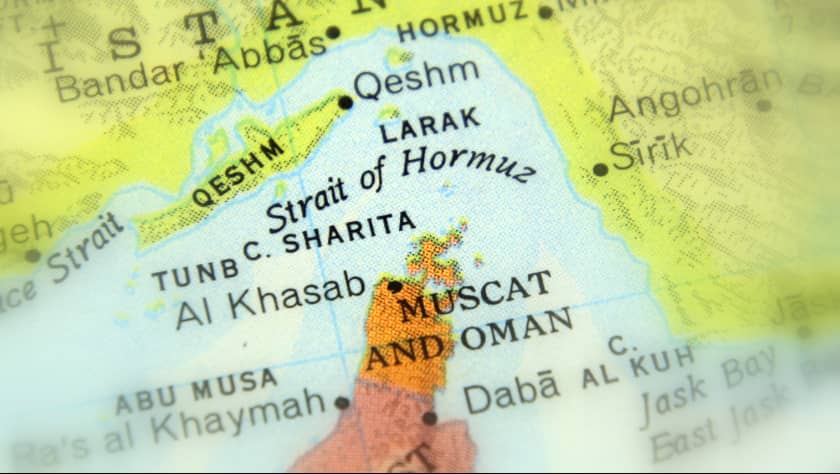
The recent escalation of maritime tensions in the Strait of Hormuz is now directly impacting the daily lives of UAE motorists. As a critical chokepoint for nearly one-fifth of the global oil supply, any disruption here immediately translates to higher costs at local petrol pumps.
While the UAE has strategic reserves, the global market reaction to shipping risks has pushed crude prices toward the $100 mark. International shipowners are currently demanding significantly higher fees to navigate the volatile waters of the Middle East.
According to Bloomberg reports, freight rates for large tankers have spiked from $2 to $20 per barrel. This massive tenfold increase in transportation costs eventually trickles down to the retail prices for fuel and imported automotive goods.
Impact on Global Shipping and Insurance Costs
The following table illustrates the dramatic shift in maritime logistics costs for vessels transiting the Strait of Hormuz this month:
| Cost Category | 2025 Average Rate | March 2026 Peak Rate | Percentage Increase |
| Crude Freight | $2.50 per barrel | $20.00 per barrel | 700% Increase |
| War Risk Insurance | 0.25% vessel value | 0.50% vessel value | 100% Increase |
| Super 98 Petrol | AED 2.45 per litre | AED 2.59 per litre | 5.7% Increase |
| Special 95 Petrol | AED 2.33 per litre | AED 2.48 per litre | 6.4% Increase |
How This Affects the UAE Automotive Market
Beyond fuel prices, the maritime standoff poses several logistical hurdles for car owners and dealership networks across the Emirates.
- New Vehicle Delays: Major shipping lines such as Maersk and Hapag-Lloyd have suspended transits, delaying the arrival of new-car shipments.
- Spare Parts Shortage: The Strait of Hormuz serves as a vital route for container ships carrying essential components and engine parts.
- Emergency Surcharges: Carriers like CMA CGM have introduced “Emergency Conflict Surcharges” of up to $4,000 per container for UAE-bound cargo.
- Inventory Constraints: Local dealers may face lower inventory levels for luxury SUVs and high-spec EVs that rely on just-in-time delivery.
Industry analysts from Xeneta warn that there is no immediate ocean freight alternative for the massive volume of regional trade. The UAE is using the Habshan-to-Fujairah pipeline to bypass the most dangerous zones.
However, this pipeline only handles crude oil and cannot solve the bottleneck for containerized automotive cargo and specialized parts.
Conclusion
The ongoing volatility within the Strait of Hormuz remains a primary concern for every driver and fleet operator in the UAE. By staying informed about these global shifts, you can better plan for potential fluctuations in fuel prices.
We will continue to monitor the situation closely to provide you with the most accurate and timely automotive updates. What do you think about the Strait of Hormuz blockage? We’d love to hear your thoughts in the comments below.
Keep following the Arabwheels Blog for the latest sharp insights, exclusive UAE updates, and global automotive trends that matter.