

Step-by-Step Guide: How to Buy a Used Car Safely in the UAE
Your Essential Guide to Navigating the UAE's Used Car Market with Confidence

Buying a used car gets both exciting and overwhelming, especially in a vibrant market like the UAE. With so many options available, it’s easy to get swept up in the excitement of finding a great deal. However, buying a used car safely requires careful attention and a strategic approach, as without proper precautions, you could end up with a car that’s more trouble than it’s worth.
Whether you’re a first-time buyer or a seasoned pro, this step-by-step guide will help you navigate the process of buying a used car safely, ensuring you make a reliable purchase and avoid hidden headaches.
What This Blog Covers:
- How to buy a used card in UAE safely, with essential steps to buying it in the UAE
- How to verify a car’s history and condition
- Common pitfalls to avoid when buying
- The legal paperwork involved
- Tips for negotiating the best deal
Why Buying a Used Car in the UAE Can Be Risky?
Used-car sales in the UAE have grown exponentially over the years, driven by demand for affordable yet high-quality vehicles.
The UAE has seen a significant rise in used cars seeking high-quality options within budget. But as demand increases, the risk of buying a “lemon” also rises; a vehicle with unfixable defects is almost worthless despite multiple repair attempts.
This is a classic used car buying problem, i.e., poor selection due to incomplete information. The seller might be fooling you about the product quality.

What key risks are involved? Key Risks Involve:
- Hidden Damage: A car may look fine on the surface, but could have unseen structural damage from an accident.
- Tampered Odometers: Some sellers might manipulate the mileage to make a car appear newer than it actually is.
- Unclear History: Without a clear service record, you could be buying it with unresolved mechanical problems.
- Overpaying: Many buyers, especially first-timers, get taken in by inflated prices or misrepresented vehicles.
So, What Can Really Go Wrong?
On the surface, the car might look perfectly fine, clean body, shiny paint, no obvious red flags. But that’s where many buyers get caught off guard.
- Hidden damage: A car can look great, but still have severe structural damage from a past accident. These issues don’t always show up during a quick inspection, but they can affect safety and long-term reliability.
- Odometer tampering: Unfortunately, some sellers roll back mileage to make a car seem less used than it really is. You think you’re buying a lightly driven car, but in reality, it’s already seen a lot of wear.
- Unclear history: No service records? That’s risky. Without knowing how the car was maintained, you could be inheriting unresolved mechanical problems that surface weeks later.
- Overpaying: First-time buyers are especially vulnerable here. Inflated prices, vague claims, or half-truths can easily push you into paying more than the car is actually worth.
These are the kinds of issues that don’t just hurt your wallet; they cost time, peace of mind, and sometimes safety. Knowing these risks upfront can save you from a lot of regret later.
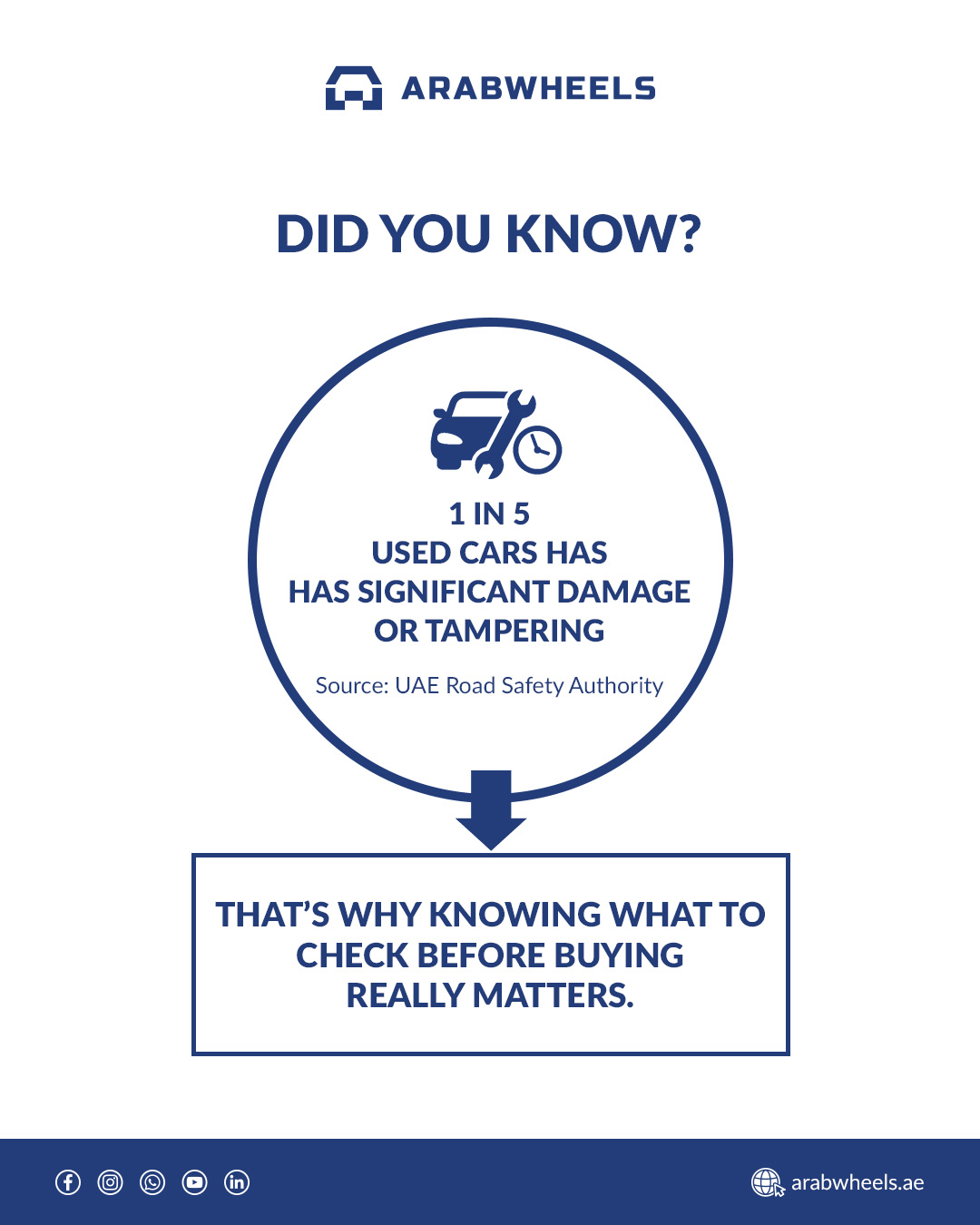
According to the UAE’s Road Safety Authority report, one in five used cars sold in the UAE has sustained significant damage. Even worse, 12% of these vehicles have been tampered with in some way, whether it’s a fiddled odometer or a questionable accident history. These statistics make it all the more important to know what you’re looking for.
Did you know?
1 in 5 used cars sold has significant damage, and 12% show signs of tampering, including altered odometers or unclear accident histories. That’s why knowing what to check before buying really matters.
Source: UAE Road Safety Authority
Why Common Mistakes Are Dangerous
It’s easy to get excited about owning a car and overlook crucial steps. Whether it’s rushing through the paperwork or ignoring warning signs during an inspection, these mistakes can cost you dearly. A simple error, like neglecting to check the vehicle’s service history or not asking the right questions, can leave you stuck with a car that’s not just expensive but also unreliable.
Solutions that work: Your step-by-step guide to buying a used car safely
1. Set a Budget and Stick to It
Before diving into the world of used car listings, figure out how much you’re willing to spend. Don’t just account for the car price; factor in costs like insurance, registration, and any potential repairs. It’s easy to fall in love with a car that’s a bit out of your price range, but sticking to your budget will help you avoid financial stress down the road.
Why It’s Important: A solid budget ensures you don’t get caught in a cycle of overspending.
2. Research the Car Market
There are many places to shop for used cars in the UAE, including online platforms like arabwheels and local dealerships. But don’t just dive in. Take some time to compare prices and ensure the asking price is fair given the car’s make, model, age, and condition.
Why It’s Important: Knowing the market value helps you identify overpriced cars and avoid paying too much.
3. Check the Car’s History
Ask for the car’s service records and any accident reports. Verify the vehicle’s history with the RTA to ensure it’s not stolen or involved in any illegal activities. It’s also a good idea to double-check the Vehicle Identification Number (VIN).
Why It’s Important: A clean history means fewer surprises. You don’t want to end up with a car that’s
been in multiple accidents or had its odometer tampered with.
4. Inspect the Car Thoroughly
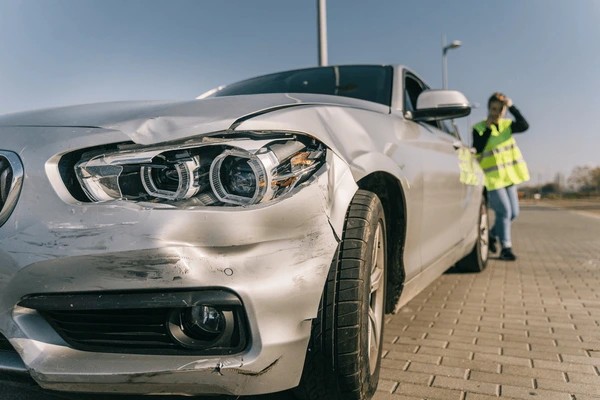
The old saying, “looks can be deceiving,” rings true when it comes to used cars. Scratches and dings are one thing, but hidden rust or engine problems can be a nightmare. If you’re not confident in your ability to spot issues, consider hiring a mechanic to inspect for you.
Why It’s Important: Identifying problems early can save you a fortune in repairs later on.
5. Take the Car for a Test Drive
It might seem like a no-brainer, but don’t skip the test drive. Listen for strange sounds, check how the car handles, and ensure the brakes, steering, and acceleration feel right. Pay attention to how the car feels both on highways and on more minor roads.
Why It’s Important: A test drive gives you insight into any hidden issues that might not be obvious in
a static inspection.
6. Verify the Documentation
Make sure that all the paperwork is in order, including the registration card, proof of ownership, and service history. Also, check that the seller is the rightful owner of the vehicle.
Why It’s Important: This ensures you aren’t buying a stolen car or one with disputed ownership.
7. Negotiate the Price
Once you’ve done your research and inspected the car, it’s time to talk price. If you find any issues during your inspection or test drive, use them as bargaining points to negotiate a lower price.
Why It’s Important: Don’t be afraid to haggle. With a bit of negotiation, you could save money for
future repairs or upgrades.
8. Transfer the Ownership
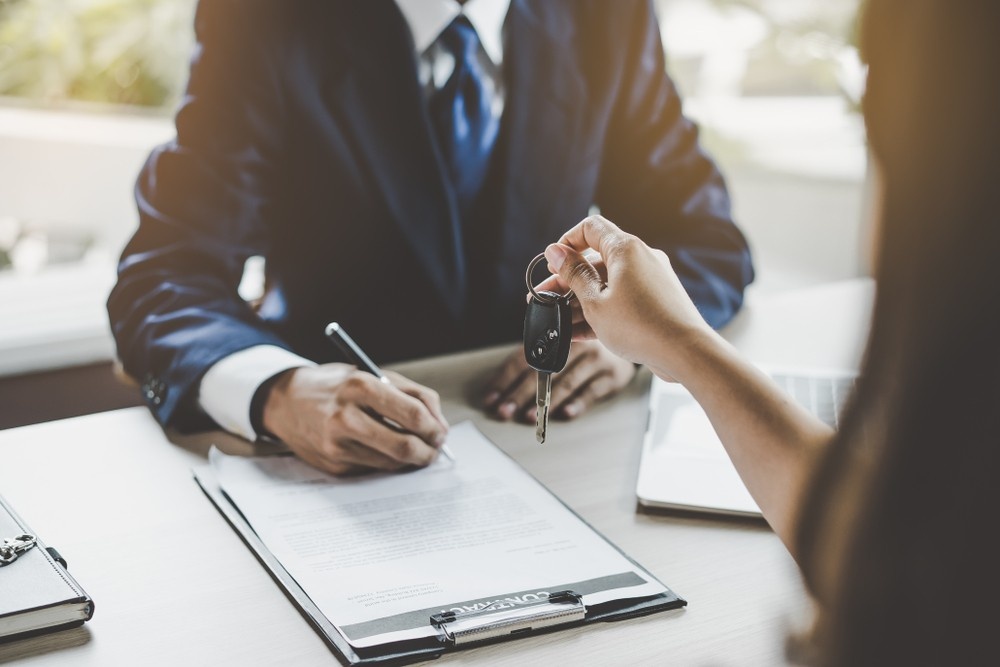
Once the price is settled, it’s time to head to the Roads and Transport Authority (RTA) to complete the transfer of ownership. This involves both the buyer and seller filling out paperwork, paying the necessary fees, and confirming the vehicle’s status.
Why It’s Important: This step ensures the car legally becomes yours and that the seller can’t claim
ownership after the sale.
Next Steps: Quick Checklist (Save For Later)
- Set your budget and stick to it.
- Research car prices online and compare listings.
- Ask for and verify the car’s service history.
- Thoroughly inspect the car’s condition (bring a mechanic if needed).
- Take the car for a test drive.
- Verify all documents are legitimate and up to date.
- Negotiate the price based on your findings.
- Complete the ownership transfer at the RTA.
Frequently Asked Questions (FAQs)
1. What should I check when buying a used car safely?
Inspect the car’s exterior for damage, check the interior and engine for wear, and test the brakes, steering, and suspension during a test drive.
2. How can I verify a car’s history in the UAE?
Request service records, check the accident history, and verify the car’s status through the RTA and the Vehicle Identification Number (VIN).
3. What documents are needed to transfer ownership of a used car?
You’ll need the registration card, proof of ownership, insurance, Emirates ID, and possibly an inspection report for RTA transfer.
Conclusion:
Buying a used car safely in the UAE doesn’t have to be stressful. By following these simple yet crucial steps, you can confidently navigate the market, avoid hidden pitfalls, and secure a reliable, reasonably priced vehicle. Remember, a little research and due diligence now will save you headaches and expenses later.
If you’re looking for the latest used car listings or expert advice, head over to ArabWheels. Their platform provides detailed insights into used cars, including market trends and tips to help you make an informed decision. For more in-depth guidance, don’t miss out on their ArabWheels Blog, packed with expert opinions, reviews, and all the info you need to become a savvy car buyer.
Take the first step today, start your search, and get a great deal on your next car with ArabWheels! Happy shopping!
