

Step-by-Step Guide for Expats Buying a Used Car in UAE
Essential Steps for Expats to Buy a Used Car in UAE Safely and Smartly

Buying a used car in UAE is a smart and cost-effective solution for expats who want reliable, independent transportation without paying the premium of a brand-new vehicle. While taxis and metro systems work well for short distances, owning a car offers flexibility, comfort, and long-term savings.
However, the process comes with specific legal, technical, and administrative requirements. From understanding UAE traffic laws to vehicle inspections, ownership transfer, and registration, missing even one step can lead to delays or unexpected costs. This step-by-step guide for expats buying a used car in the UAE breaks down everything you need to know to make a confident, informed purchase.
♦⇒For more details on the entire process, check ArabWheels’ comprehensive guide on how to buy a used car in the UAE.
1. Explore Options in Major Cities
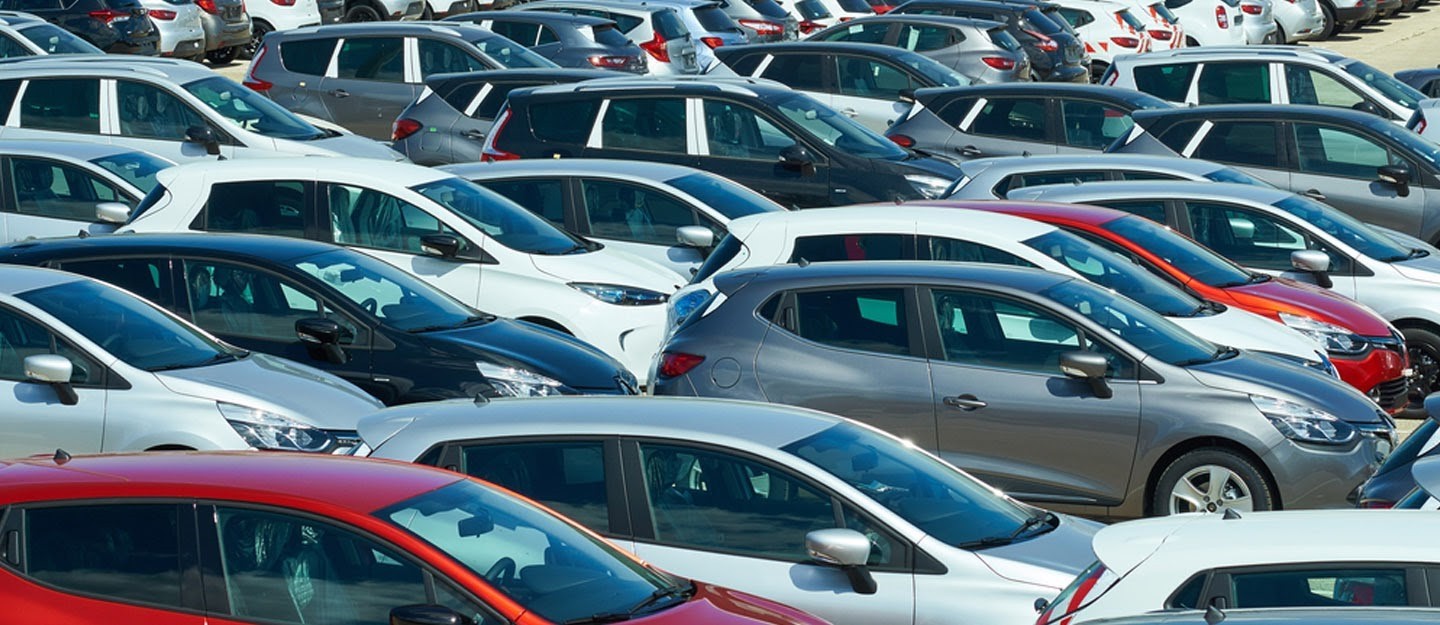
For overseas, finding the right vehicle often starts with exploring used cars in Dubai and Abu Dhabi, two cities with vibrant used car markets. In Dubai, online marketplaces, certified dealerships, and private sellers compete to offer popular models and competitive prices, while Abu Dhabi often has slightly lower prices for buyers willing to travel.
Comparing options between cities helps you find the best deals, but it’s also important to check mileage, service history, and previous ownership. Being patient and strategic ensures you get a reliable car at a fair price, making your investment in UAE transport both smart and stress-free.

2. Complete RTA Car Registration
Once you’ve chosen your car, the next crucial step is completing the Road & Transport Authority (RTA) car registration. This process officially transfers ownership from the seller to you and is mandatory for all vehicles in the UAE. Both the buyer and seller need to visit an RTA-approved service center, bringing essential documents, including your Emirates ID, a copy of your passport, insurance papers, and the car’s test certificate. Skipping or rushing this step can cause legal complications or delays.
For clear, step-by-step guidance, you can also check the car registration in the UAE, which breaks down everything expats need to know to make the process smooth and hassle-free.
3. Don’t Skip Car Inspection in the UAE
Before finalizing your purchase, it is essential to undergo the MoI government car inspection in the UAE. This isn’t just a formality; it ensures the engine is performing well, the mileage is accurate, there are no hidden accidents, and emissions meet legal standards.
A proper inspection can save you from unexpected repair costs and give you confidence that the vehicle is safe and roadworthy. Many expats find it helpful to get the inspection done at an RTA-approved center or a trusted third-party service.
4. Check for Unpaid Fines
Another common pitfall is overlooking outstanding fines. Use the Dubai Police car fine check service, either online or at kiosks, to confirm that the seller has cleared all penalties. Skipping this step can result in fines being transferred to your name after the purchase, which could be both stressful and costly. Taking a few minutes to verify fines ensures a smooth, worry-free ownership transfer.

5. Financing Options for Expats
Many expats in the UAE opt for car financing rather than paying the full amount upfront. There are several options to consider:
-
Car loans for expats through banks usually require a salary transfer. This is a common route with competitive interest rates.
-
Dealer finance, which can be approved faster and directly through the seller, though it may come with slightly higher interest.
-
Personal loans offer flexibility since they aren’t tied to a car, but they often have higher monthly payments.
Before committing, take the time to compare interest rates, repayment terms, and any hidden fees. Understanding the total cost helps you choose the financing option that suits your budget and avoid surprises later.
6. Where to Buy Safely
When you decide to buy a second-hand car in the UAE, you have three main choices:
| Option | Advantages | Disadvantages |
|---|---|---|
| Certified Dealers | Warranty, verified history, certified pre-owned cars in Dubai | Higher price |
| Private Sellers | Negotiable prices | Risk of fraud |
| Online Platforms | Wide range, easy search | Must verify authenticity |
7. Think About Long-Term Value
Before committing to a purchase, it’s important to consider the resale value of a car in the UAE. Brands like Toyota, Nissan, and Lexus are known to retain value well, while high-end luxury cars may depreciate faster.
Thinking ahead about resale can save you money and stress later, especially if you plan to sell, upgrade, or relocate. Choosing a car with strong resale value ensures your investment remains worthwhile over time.
8. Insurance and Ownership Rules
In the UAE, car insurance is mandatory for registration. Without a valid policy, you cannot legally drive or transfer ownership of a vehicle, making insurance a crucial step for expats buying a used car.
Comprehensive insurance covers damage to your own car and third-party liability, providing full protection against accidents, theft, and other perils. Third-party liability insurance covers damage or injury to others, but not to your own car; it is usually cheaper but offers limited protection.
When choosing a policy, compare rates from different providers and consider your driving experience, claims history, coverage limits, exclusions, and optional add-ons such as roadside assistance or coverage for natural incidents like sandstorms or flooding.

Once insurance is arranged, you can explore verified used cars through detailed dealer listings in the UAE that feature pre-owned vehicles checked for quality and may include warranties.
Using these listings helps you find a suitable car while ensuring a smoother insurance and registration process, as dealer-provided cars often come with all required documentation.
Equally important is having all necessary ownership documents ready, including an Emirates ID, a passport copy, a UAE driving license, and proof of insurance.
Additionally, check the car’s history, service records, and any unpaid fines through RTA or MoI portals to guarantee a safe, hassle-free transfer. For a full checklist of what to prepare, see this guide, Essential Documents to Prepare for Buying a Car in the UAE, which outlines the steps for a smooth registration and ownership transfer.
Frequently Asked Questions
Q1: Where can I buy reliable used cars in Dubai as an expat?
Explore online marketplaces, certified dealerships, or trusted platforms like ArabWheels.
Q2: How can I confirm a car’s history?
Request a full service record and check accident history through the RTA system.
Q3: Is it safe to buy from a private seller?
Yes, if you conduct proper checks, but certified dealers provide greater security.
Q4: Do I need a UAE driving license before registration?
Yes, expats must hold a valid UAE driving license to register the car in their name.
Final Thoughts
Following this step-by-step guide for expats buying a used car in the UAE helps you make informed decisions. From comparing used cars in Dubai and Abu Dhabi to preparing documents and handling inspections, fines, financing, and insurance, every stage matters.
For more expert tips and articles on buying, selling, and owning cars in the UAE, visit the ArabWheels Blog.
