


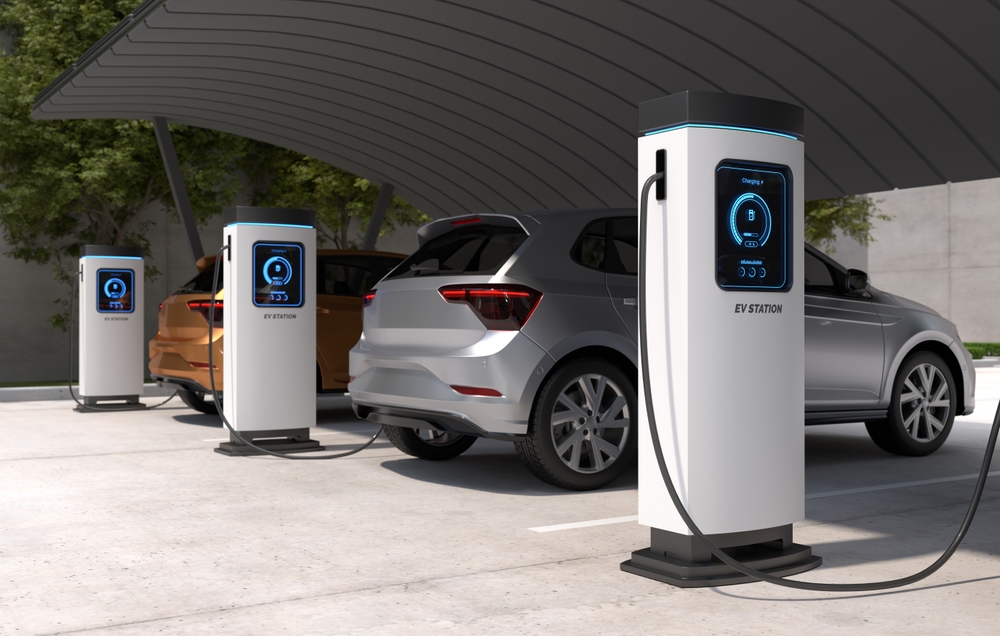
In 2025, electric cars are no longer just a futuristic idea—they’re a practical choice for everyday drivers. With improved battery range, expanding charging networks, and lower running costs, EVs are winning over buyers who want both performance and sustainability. If you’re wondering whether you should buy an electric car in 2025, don’t miss our comprehensive guide: How Do Electric Cars Work?
Still, choosing it isn’t a decision to rush. From government incentives and charging availability to long-term maintenance costs, there are several factors to weigh before making the switch. This guide walks you through everything you need to know to make the right choice.
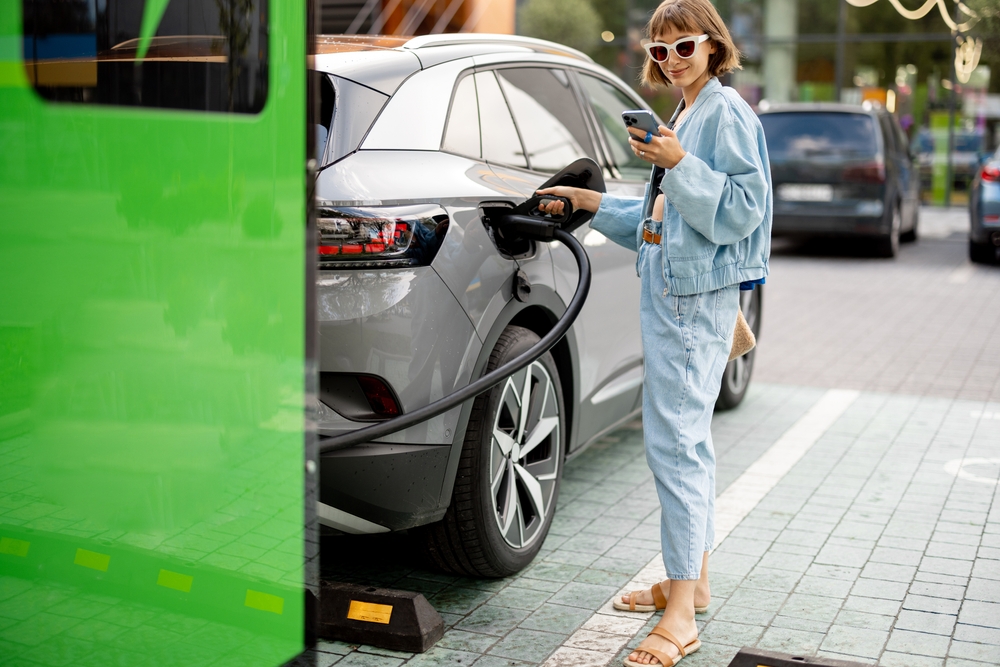

Why Consider an Electric Car in 2025?
The latest 2025 models feature significant improvements over earlier EVs, making it more appealing to buy one in 2025:
-
Extended range (up to 600 km on a single charge for some models)
-
Ultra-fast charging (adding 300 km in under 20 minutes)
-
Lower maintenance costs due to fewer moving parts
Additionally, several governments, including the UAE’s Roads and Transport Authority (RTA), offer incentives such as free Salik tags, discounted registration fees, and reduced charging costs.
Cost Comparison: Electric vs Petrol Cars
While electric cars may have a higher upfront cost, lower running expenses can make them competitive over time.
| Factor | Electric Car (EV) | Petrol Car |
|---|---|---|
| Initial Price (AED) | 120,000–250,000 | 80,000–200,000 |
| Annual Maintenance | AED 1,200 | AED 3,500 |
| Fuel/Charging Cost | AED 0.18/km (home charging) | AED 0.55/km (petrol at AED 3.00/l) |
| Battery Replacement | After 8–10 years (AED 25,000–40,000) | Not applicable |
| Resale Value | Moderate but improving with EV adoption | Stable, but declining in EV-friendly markets |
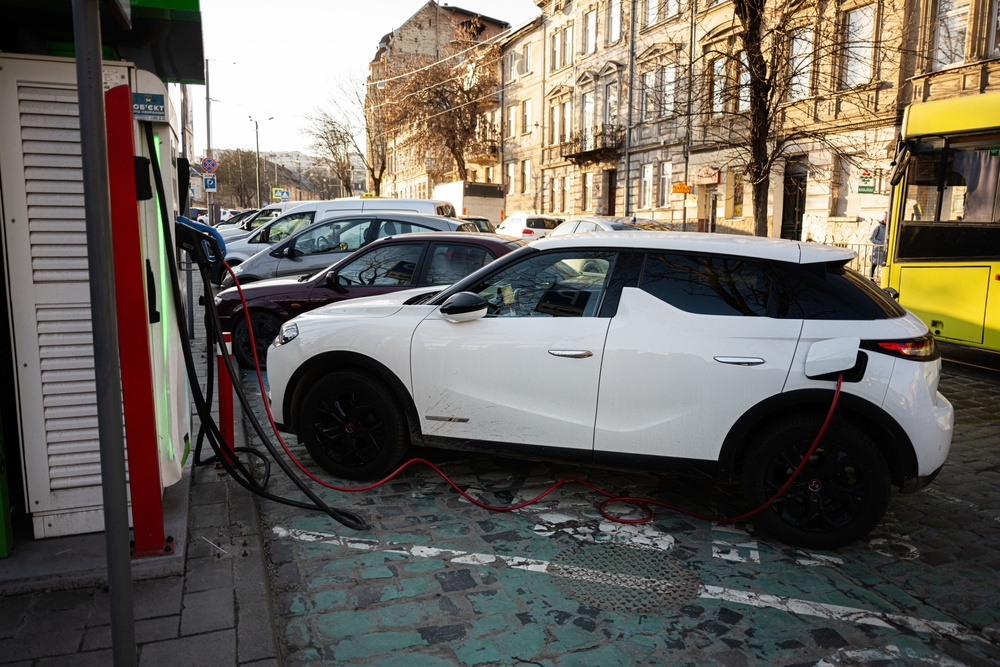
Charging Infrastructure in 2025
By the end of 2025, the UAE will have over 1,000 public charging stations, with both AC slow chargers and DC fast chargers available. Many malls, hotels, and public parking areas now provide free charging for a limited time.
Charging Options:
-
Home charging (AC): 6–8 hours for a full charge
-
Public fast charging (DC): 20–40 minutes for an 80% charge
-
Ultra-fast charging: as little as 10–15 minutes for 300+ km range
Pros and Cons of Buying an Electric Car
Let’s discuss it:
| Pros | Cons |
|---|---|
| Zero tailpipe emissions, reduces environmental impact | Higher upfront price compared to petrol cars |
| Quieter and smoother drive | Longer refuelling time vs. petrol filling |
| Lower long-term running costs | Limited charging options in remote areas |
| Instant torque for quick acceleration | Battery degradation over time |

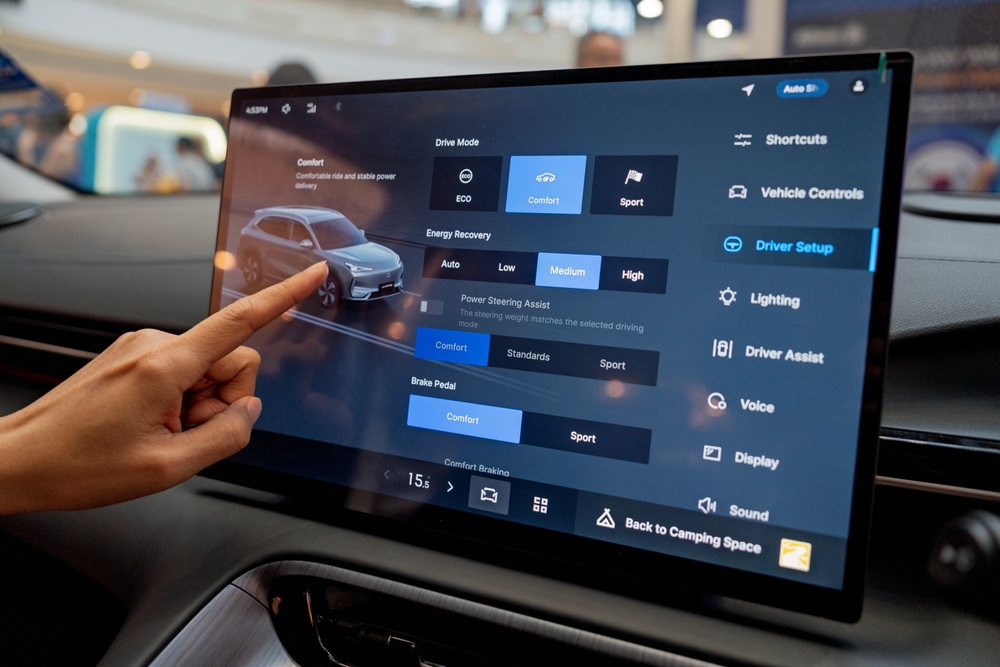
Modern EVs are packed with advanced features:
-
Autonomous driving capabilities (Level 3 in some markets)
-
Over-the-air software updates
-
Regenerative braking for improved efficiency
-
AI-powered battery management systems to extend lifespan
When an Electric Car Makes Sense for You
You should consider buying it if:
-
Your daily commute is under 150 km
-
You have access to home or workplace charging
-
You want lower running and maintenance costs
-
You’re comfortable with current resale market trends
However, if you travel long distances in areas with limited chargers, a hybrid or petrol car might still be more practical.
Recommended 2025 Electric Vehicles in the UAE
Here are some top picks for this year:
-
Tesla Model 3 Highland, High range, advanced tech
-
BYD Sea, Affordable yet feature-rich
-
Mercedes EQE, Luxury EV with long range
-
Hyundai Ioniq 6, Stylish sedan with efficient design
You can explore detailed EV comparisons and pricing on ArabWheels.
Frequently Asked Questions
Q1: How long does it take to charge a 2025 electric car?
Charging time depends on the charger type. Home AC charging takes around 6–8 hours, while public DC fast charging can get you to 80% in 20–40 minutes. Ultra-fast chargers can add 300+ km of range in just 10–15 minutes.
Q2: How long does an electric car battery last?
Most 2025 EV batteries are designed to last 8–10 years or more, depending on usage and charging habits. Manufacturers often provide long battery warranties for added peace of mind.
Q3: Can I charge my electric car at home in the UAE?
Yes, home charging is widely used by EV owners. You can install a Level 2 AC charger at your home or villa to enable overnight charging.
Q4: What government incentives are available for electric car buyers in the UAE?
The UAE offers benefits such as free Salik tags, reduced registration fees, and access to free or discounted public charging. You can learn more on the RTA Electric Vehicle Incentives page.
Final Thoughts
With improved range, lower charging costs, and a growing charging network, buying an electric car in 2025 is more practical than ever, especially in regions like the UAE, where government policies actively support EV adoption. Still, the decision should come down to your driving habits, charging access, and budget.
If those factors align, a 2025 electric vehicle could be one of the smartest and most future-ready purchases you make this year. For a complete overview of benefits and exemptions available to EV owners, you can check the RTA Electric Vehicle Incentives and see how they could further reduce your ownership costs.
To explore more informative Ev articles, visit ArabWheels Blogs and stay updated on everything related to cars.