


How to Plan Safe Driving Routes During Regional Conflict
Route Risk Planning: Smart strategies to avoid road closures, security checkpoints, and travel disruptions in high-risk regions

Major events, security alerts, or emergencies can disrupt road travel across the UAE with little warning. Major highways may face sudden diversions, traffic congestion, security checkpoints, or temporary closures during such situations. This is why route risk planning has become increasingly important for drivers in cities such as Dubai, Abu Dhabi and Sharjah.
Checking traffic conditions before leaving helps drivers identify safer routes, avoid delays, and plan a smoother journey. UAE drivers can rely on official UAE traffic alerts, government announcements and navigation apps to minimize disruptions and maintain smoother commutes.
Key Highlights
-
Route risk planning helps UAE drivers avoid dangerous roads, checkpoints and restricted zones.
- Real-time traffic monitoring and government alerts improve road safety and travel planning.
- Dubai road closures and diversions may occur during major events, emergencies, or security operations.
- Drivers should evaluate road conditions before leaving home using official UAE traffic updates.
- Navigation apps and digital traffic systems help drivers choose safe travel routes in Dubai and nearby cities.
Why Route Risk Planning Matters for Drivers in the UAE
The UAE has one of the most advanced road networks in the Middle East. Cities such as Dubai and Abu Dhabi rely on sophisticated urban traffic management systems to regulate traffic flow and reduce congestion. However, road disruptions still occur due to several factors:
-
Major international events
-
VIP movements
-
Emergency incidents
-
Infrastructure development
-
Security operations
These situations often cause traffic diversions, temporary restrictions, or delays along major highways.
For example, traffic around Downtown Dubai or along Sheikh Zayed Road may be affected during international exhibitions or high-level visits. Monitoring official Dubai traffic updates helps drivers plan alternate routes and avoid delays.
Route Risk Planning: How UAE Drivers Should Assess Road Risk Before Leaving Home
Before starting a journey, drivers should evaluate traffic conditions and potential disruptions.
Check official UAE traffic alerts
Government transport agencies provide the most reliable information about road conditions. Drivers can monitor government traffic alerts through the RTA website, which publishes real-time updates on accidents, road closures and traffic incidents.
Note: Traffic conditions and road alerts may change quickly. Always verify the latest updates through official authorities before planning your journey.
Reliable sources include:
-
Road and Transport Authority (RTA) traffic updates
-
Dubai Police traffic alerts
-
Abu Dhabi traffic alerts through Abu Dhabi Mobility
-
Local radio traffic bulletins
These platforms help drivers stay informed about accidents, roadwork and temporary traffic congestion.
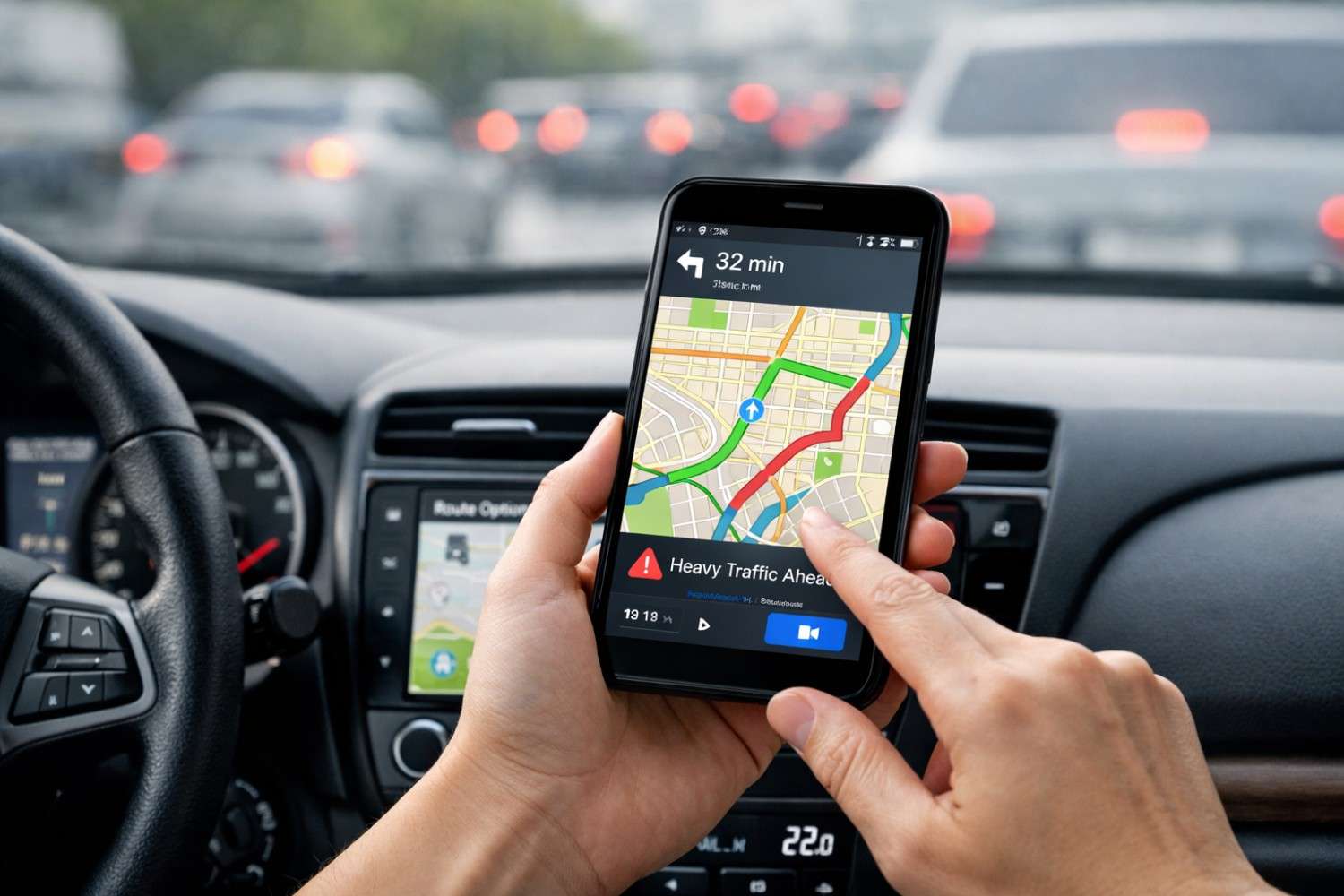
Use navigation apps with real-time traffic data
Navigation apps provide real-time navigation insights by analyzing traffic flow and incident reports. These route navigation tools help drivers avoid blocked roads and heavy congestion.
| Navigation App | Key Feature | Benefit for UAE Drivers |
|---|---|---|
| Google Maps | Live congestion monitoring | Detects traffic build-up |
| Waze | Community hazard reporting | Alerts drivers about traffic incidents |
| Apple Maps | Traffic flow analysis | Suggests alternative routes |
Navigation apps like Google Maps and Waze help commuters quickly identify alternate roads when traffic conditions change, helping drivers avoid delays.
Avoiding Road Closures in Dubai
Dubai regularly hosts international conferences, exhibitions, and major sporting events. These gatherings can temporarily affect road access and cause Dubai road closures or diversions.
Authorities may implement traffic changes around areas such as:
-
Dubai World Trade Centre
-
Expo City Dubai
-
Downtown Dubai
-
Dubai Marina
Drivers who follow updates from the Road and Transport Authority (RTA) or Dubai Police traffic alerts can choose alternate routes and avoid traffic congestion.
What UAE Drivers Should Know About Security Checkpoints
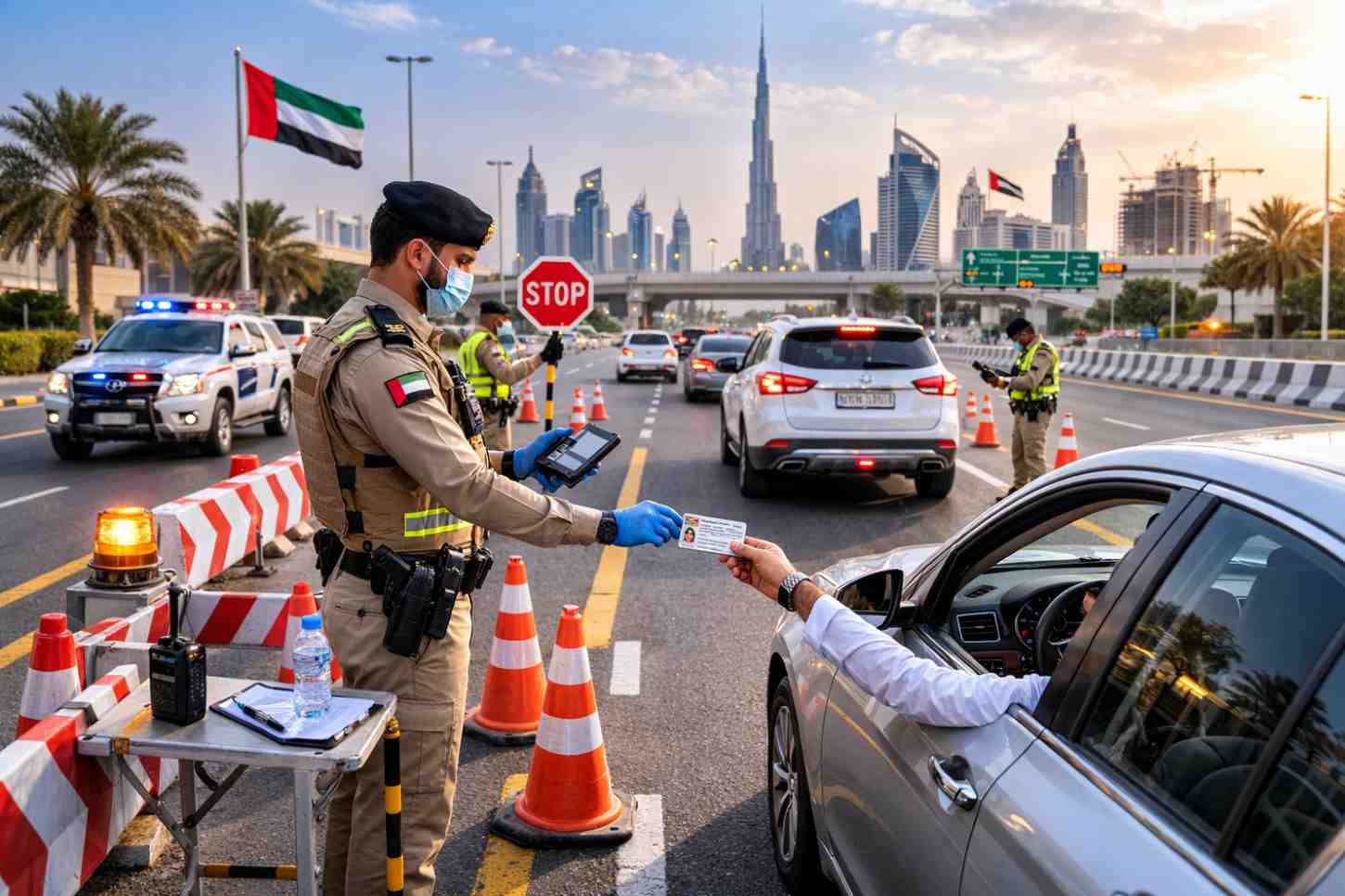
Although checkpoints are less common within major UAE cities, they may appear during certain situations, including:
-
National celebrations or public events
-
Border crossings between emirates
-
Security alerts or inspections
These security checkpoints in the UAE are designed to improve public safety.
Best practices for drivers
-
Slow down gradually when approaching checkpoints
-
Keep identification documents ready
-
Follow instructions from traffic officers
-
Avoid sudden lane changes
-
Maintain a safe distance from surrounding vehicles
Cooperating with authorities ensures smoother inspections and maintains overall road safety.
How UAE Drivers Can Avoid Delays and Road Disruptions
Daily commuters traveling between Dubai, Sharjah, and Abu Dhabi frequently encounter traffic delays, particularly during peak hours.
Commuters traveling between Dubai and Sharjah often rely on navigation apps during peak hours to avoid congestion on Sheikh Zayed Road and Al Ittihad Road.
By applying route risk planning, drivers can identify alternate roads before congestion develops and maintain a safe commute in the UAE.
For instance, checking Dubai traffic updates before leaving home may reveal road closures or heavy traffic along major highways. Choosing another route early can significantly reduce travel time.
Practical Route Planning Tips for UAE Drivers
Drivers can improve travel safety by adopting a few practical habits.
Smart travel strategies
-
Check UAE traffic alerts before every trip
-
Plan at least two alternate routes
-
Avoid peak congestion hours whenever possible
-
Keep navigation apps active while driving
-
Follow the UAE road safety tips issued by local authorities
These simple habits help drivers navigate busy highways and maintain safer travel across the country.
If you want to learn more about driving regulations and safety in the UAE, explore these helpful guides on ArabWheels:
Frequently Asked Questions (FAQs)
How can I check road closures in Dubai?
Drivers can monitor Dubai road closures on the Road and Transport Authority website, in navigation apps, and via Dubai Police traffic alerts.
Which navigation app works best in the UAE?
Google Maps and Waze provide accurate real-time navigation and traffic monitoring across Dubai, Abu Dhabi, and Sharjah.
Do road closures happen often in Dubai?
Closures are typically temporary and related to events, construction projects, or traffic management operations.
How early should I check traffic before leaving home?
Checking traffic conditions 20–30 minutes before departure allows drivers to identify alternative routes and avoid delays.
Final Thoughts
Road conditions can change quickly during major events, emergencies, or regional disruptions. For drivers in the UAE, staying informed is essential for safer travel.
Using route risk planning allows drivers to anticipate disruptions rather than react to them. Monitoring UAE traffic alerts, reviewing updates from the Road and Transport Authority, and using reliable navigation tools can help you avoid road closures, congestion, and restricted zones.
For daily commuters in Dubai, Abu Dhabi, and Sharjah, spending a few minutes reviewing traffic updates before leaving home can save time and reduce stress.
For more UAE driving tips and car ownership guides, explore additional resources on the ArabWheels Blog before planning your next drive.
