
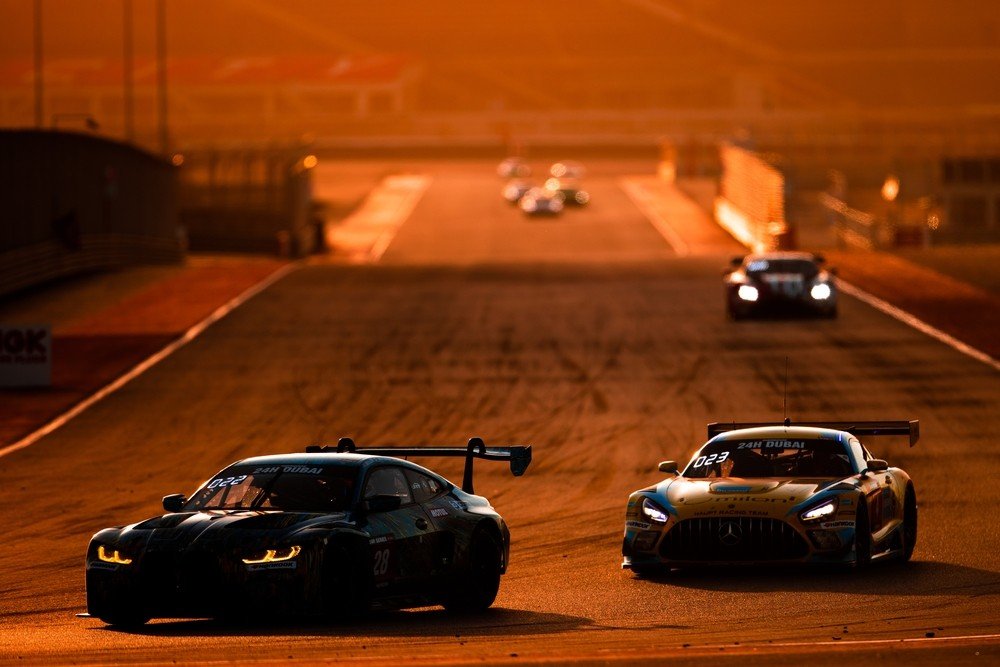
Why Roll Racing Has Become Part of UAE Car Culture
From modified Patrols and GT-Rs to sanctioned racing at Yas Marina Circuit, rolling-start competition fits naturally into the UAE performance scene.

A Nissan Patrol, Nissan GT-R, and Toyota Supra were built for very different purposes. Yet in the UAE, all three can end up in the same conversation once horsepower, tuning and straight-line performance take over. That mix helps explain why roll racing in the UAE has found a natural place in local car culture.
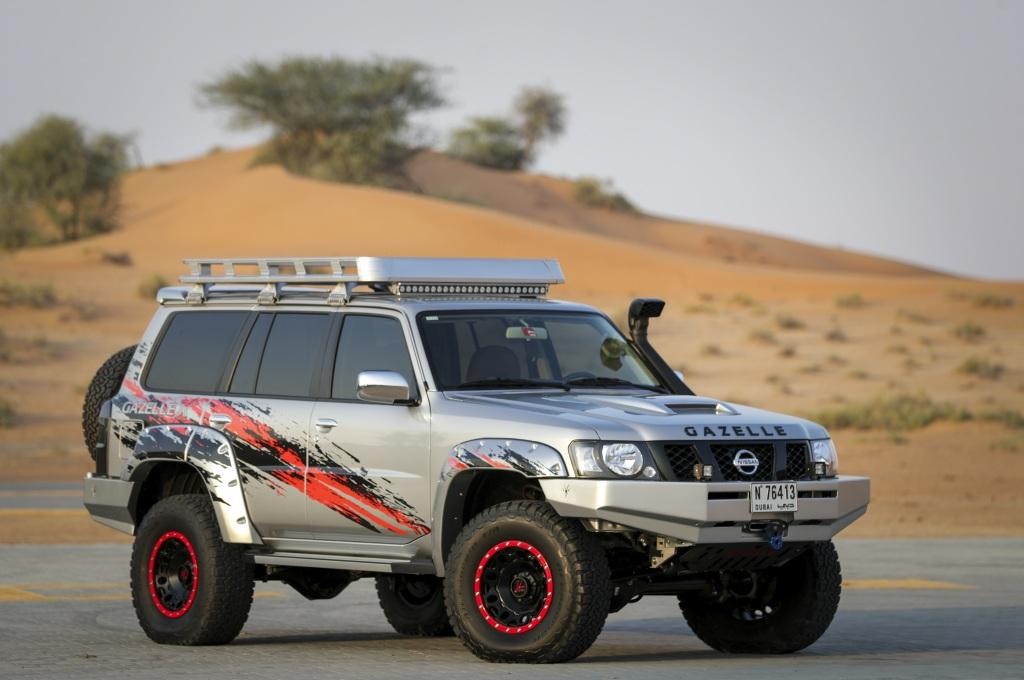
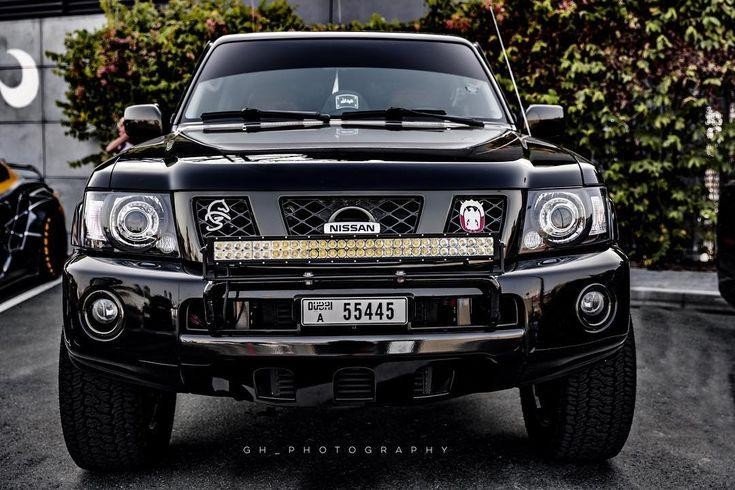
Modified cars were already part of UAE enthusiast culture before organised roll-racing events became a visible part of the local motorsport calendar. Japanese performance cars built strong followings, American muscle established its own owner community, and the Patrol Y61 developed a separate modification culture around desert use and the TB48 engine.
ArabWheels has explored those stories in its features on JDM car culture in the UAE, American muscle cars in the UAE, and the Nissan Patrol Y61.
Roll racing gives the performance-focused side of that culture a competitive outlet. Instead of discussing what a modified car might do at a meet or outside a workshop, drivers can put acceleration, tuning and preparation to the test in a controlled motorsport environment.
That connection is especially relevant ahead of Yas Marina Circuit’s next Roll Race session on 26 September.
Disclaimer: ArabWheels does not promote or encourage roll racing, drag racing, or any form of competitive driving on public roads. This article discusses these activities only in the context of organised, controlled events held at approved motorsport venues. References to roll racing reflect ArabWheels’ editorial coverage of UAE car culture and should not be interpreted as an endorsement of unsafe or illegal driving.
No Launch, No Waiting: Why Roll Racing Feels Different
In a traditional drag race, both competitors launch from a standstill. Roll racing begins with both vehicles already moving. This puts less focus on the launch and more on acceleration once the cars are underway.
Yas Marina Circuit sets a 100 km/h start-speed limit for the 2026 Roll Race Challenge. Each run covers 400 metres. Drivers who exceed the permitted start speed can receive a penalty or face disqualification.
That distinction matters with powerful modified cars. From a standing start, tyre grip, launch technique and drivetrain stress can dominate the first few seconds. A rolling start changes the equation and places more emphasis on how effectively the car delivers its power once it is already moving.
Traction and driver skill still matter, but roll racing tests how effectively the car accelerates once it is already moving.
From Yas to Dubai, Roll Racing Has More Than One Home
Yas Marina Circuit is an important venue for the format in Abu Dhabi, with the Yas Marina Roll Race giving modified and performance-car owners a sanctioned setting for straight-line competition. Roll racing also takes place in Dubai.
Dubai Autodrome Roll Racing takes place through the circuit’s Roll Racing DXB events, where two cars compete over 400 metres after starting at a rolling speed of 80 km/h.
Street-legal cars and SUVs can take part, subject to registration and an on-site inspection. Drivers need a valid licence, while helmets and seatbelts are mandatory on track.
Dubai Autodrome promotes the event as a controlled alternative to racing on public roads. Its current page lists 18 September 2026 as an upcoming Roll Racing DXB date.
The different start speeds at Yas Marina Circuit and Dubai Autodrome show that roll racing does not follow one universal rulebook. Each organiser can set its own technical requirements, categories and event procedures.
The basic format remains the same: two vehicles begin side by side at speed rather than launching from a standstill.
Why GT-Rs, Supras and Patrols Fit the UAE Scene
The market for UAE performance cars has never revolved around one type of vehicle. Japanese icons, modified SUVs and American muscle cars all occupy distinct parts of the country’s enthusiast scene.
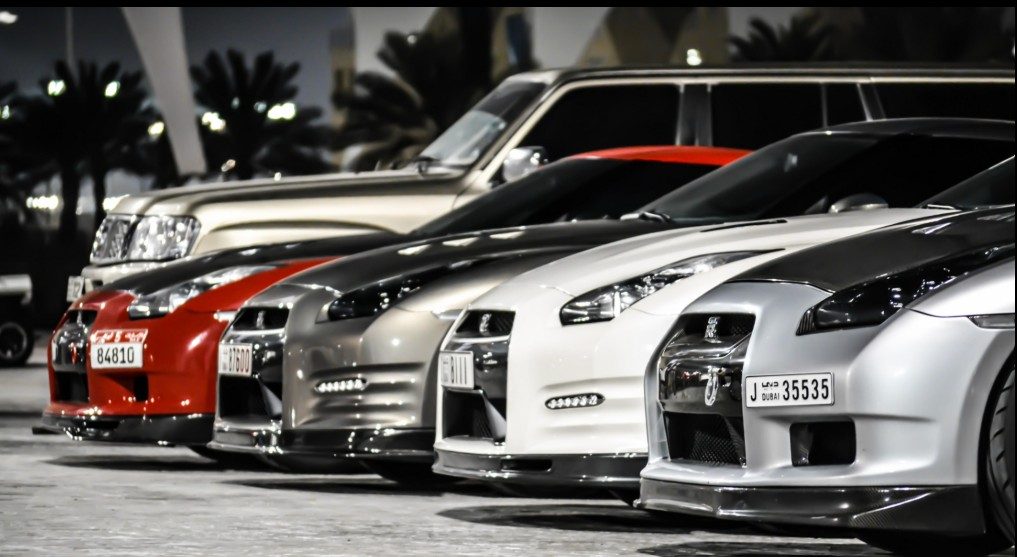
Japanese performance models such as the Nissan Skyline GT-R, Nissan GT-R and Toyota Supra remain closely connected to local tuning culture. ArabWheels’ JDM coverage shows how these cars continue to appear at workshops, enthusiast events and track activities across the UAE.
The Patrol represents a very different side of the same culture.
The Y61 became closely associated with UAE desert driving, specialist workshops and modified TB48-powered builds. Its reputation shows how local performance culture extends well beyond conventional sports cars and coupés.
American performance cars add another layer. Mustangs, Camaros, Challengers and Chargers also have an established place in the UAE enthusiast scene, helped by their strong performance and active owner communities.
ArabWheels covers that history in How American Muscle Cars Found a Home in the UAE.
That mix helps explain why roll racing works here. The cars do not need to come from the same country or follow the same engineering philosophy. Once straight-line acceleration becomes the focus, a modified SUV, Japanese performance car or American muscle car can all be part of the same conversation.
Specialist workshops are part of the story too. For modified cars in the UAE, ECU calibration, turbo upgrades, cooling, tyres and drivetrain work can all affect how a build performs once it leaves the garage.
At a static meet, those changes are mostly talking points. On a timed run, they have to work together.

Specialist performance workshops are an important part of the UAE tuning scene, where engine, transmission and calibration work turn road cars into highly developed builds.
Fast Cars, Proper Rules: Why the Circuit Matters
There is a clear difference between enjoying high-performance cars and treating a public road as a race track.
That distinction matters when discussing roll racing.
Yas Marina Circuit gives drivers access to a professional motorsport environment with event rules, technical requirements, and vehicle checks. Its Roll Race Challenge regulations require competitors to meet the safety and technical standards for their category.
Dubai Autodrome takes the same approach with Roll Racing DXB. Vehicles must pass an on-site inspection, drivers need a valid licence, and helmets and seatbelts are mandatory on track.
This is where sanctioned roll racing becomes more significant than simply putting two powerful cars side by side.
A controlled venue separates organised motorsport from unsafe public-road competition.
That wider idea also appears elsewhere in UAE car culture. At enthusiast meets, the cars may attract attention because of their styling, rarity or modifications, but responsible events still depend on owners respecting the venue and surrounding roads.
A car meet builds community. A circuit gives the performance side of that community somewhere appropriate to go.
A Modified Car Still Has to Pass the Checks
A large horsepower figure does not automatically make a car suitable for competition.
The 2026 Yas Roll Race Challenge regulations divide cars into categories including Pro Open, Super Index 270, Street Index 250 and Street Index 200. The regulations also include motorcycle categories.
Those classes matter because a lightly modified road car and a purpose-built high-performance machine do not belong under identical technical rules.
Vehicle eligibility and category compliance are checked against the event regulations. Dubai Autodrome also requires every participating vehicle to pass its own on-site inspection before entering Roll Racing DXB.

A race car undergoes technical checks before taking to the circuit, highlighting the importance of vehicle eligibility and safety inspections.
That introduces a side of modified-car culture that headline horsepower figures often overlook.
A dyno number tells you how much power an engine produces under particular test conditions. It does not show whether the tyres, brakes, cooling system, transmission and other components can handle repeated high-speed runs.
The complete build matters once the car reaches the circuit.
What Starts in the Car Park Can End at the Circuit
Roll racing sits within a much broader UAE enthusiast scene.
A weekend meet may bring a restored classic, modified Nissan, Porsche and supercar into the same car park.
ArabWheels’ Cars and Coffee Dubai feature reflects that mix of cars, owners and communities.
Permanent circuits give part of that community a way to move from display and conversation to organised competition.
Dubai Autodrome opened in 2004 as an FIA-sanctioned motorsport venue. Yas Marina Circuit later expanded the UAE’s permanent circuit network in Abu Dhabi. Together, the two venues created more opportunities for enthusiasts to take part in track days, drag racing, karting and other forms of motorsport.
. ArabWheels covers that development in its feature on UAE motorsport history.
Roll racing is one part of that wider shift.
Why Roll Racing Fits UAE Car Culture
Roll racing did not create the UAE appetite for modified cars. It gives one part of that culture a competitive format.
GT-Rs and Supras already had communities built around Japanese performance and tuning. Patrols developed their own Gulf modification culture. American muscle cars found an audience among drivers drawn to V8 performance. Workshops, car meets, and owner groups helped keep all of those scenes active.
The country’s motorsport infrastructure gives those interests somewhere to progress beyond the car park.
For roll racing, the question is straightforward: after the parts, tuning, and workshop hours, how does the car perform when it lines up beside another build?
That is why the format feels at home in the UAE performance scene. The attraction is not simply outright speed. It is seeing how preparation translates into acceleration in a controlled environment.
Yas Marina Circuit currently advertises 26 September for its next Roll Race session, while Dubai Autodrome lists its own Roll Racing DXB events separately. Anyone planning to participate should check the relevant official event page before travelling for current booking details, technical requirements and schedules.
For the UAE’s modified-car community, sanctioned roll racing gives horsepower somewhere more appropriate to speak than a public road.
For more UAE car culture, motorsport features, modified-car stories and automotive guides, visit ArabWheels.
