
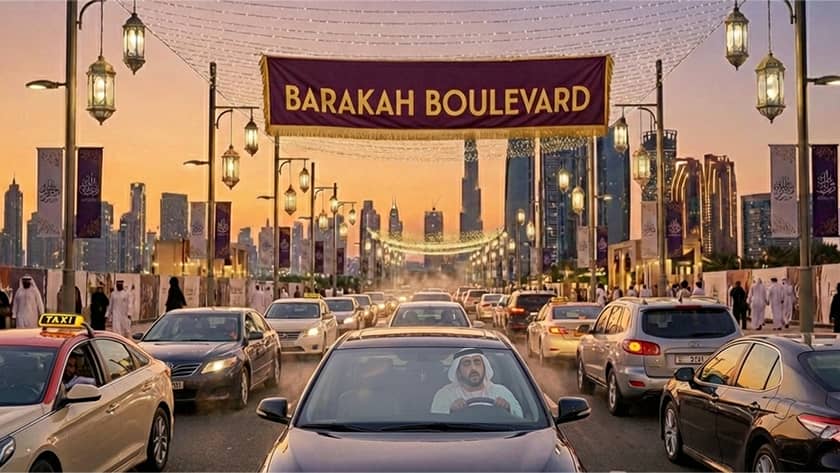
Ramadan Road Rescue: Common Driving Challenges & Practical Solutions
Ramadan changes how you drive in significant ways that affect your safety. Fasting affects your body, the roads get busier, and your routines shift completely. Understanding these changes helps you stay safe behind the wheel this month.
Why the 2 pm to 4 pm Window Is Actually Dangerous
Your body undergoes significant changes when you fast all day. By early afternoon, dehydration kicks in, and blood sugar drops, noticeably affecting you. Insurance data consistently shows that accidents spike between 2 pm and 4 pm during Ramadan.
About 17% of accidents happen right in that two-hour window every year. Traffic shifts because shorter work hours send everyone onto the roads at the same time. The afternoon now looks as crowded as the usual sunset rush used to be.
Sleep, Fatigue, and Why You’re Slower
Ramadan sleep is completely different from your normal sleep pattern in many ways. Late-night prayers and early suhoor meals chop your rest into fragmented pieces. That fatigue shows up most during morning commutes and mid-afternoon drives consistently.
You feel it in your body immediately every time you get behind the wheel. Dehydration significantly worsens fatigue throughout the day for drivers. When you’re thirsty, staying alert becomes genuinely harder than in normal driving conditions.
Your focus drifts away from the road more easily and frequently than usual.
The Real Data
Mondays and Thursdays see consistently higher crash rates than other days during Ramadan. Around 65% of accidents are caused by other drivers’ mistakes on the road. But that just means you need to stay even more defensive and alert. You can only control how carefully you drive yourself throughout the entire month.
Practical Solutions That Actually Work
Start by building realistic buffer time into every single trip you plan this month. Don’t cut it close to your departure times as you might normally do. Leave earlier than you think you actually need. Download the updated 2026 RTA public transport schedules if you can shift to alternatives.
Sometimes, taking the bus or metro beats sitting in traffic anyway during peak hours. You’ll be calmer overall and won’t be constantly fighting with other drivers. When drowsiness hits you hard on your commute, pull over to a safe spot immediately.
Find a safe spot near a mosque or a designated rest area quickly. 10 minutes of actual sleep makes a real difference in your alertness afterward. Keep dates and bottled water in your car for unexpected traffic delays this month.
Traffic can sometimes delay you, and you’ll need to break your fast before you arrive home. It’s simpler and much safer to break your fast in a quiet spot. Give yourself more following distance than you normally do during other seasons of driving.
Other drivers will constantly do unpredictable things on the road during Ramadan. You need extra space to react safely to sudden stops ahead. Tailgating doesn’t get you anywhere faster during this month, no matter what happens.
Use navigation apps to skip the worst congestion areas during peak hours. They work reliably and effectively, routing you around the heaviest traffic zones. It takes a few extra minutes sometimes, but you arrive calmer overall regardless. That trade-off between time and stress is worth it every single time.
Ramadan 2026 Traffic Rules in the UAE
Authorities made specific adjustments to help reduce traffic strain throughout the month. Sharjah restricts heavy vehicles on several main roads between 2 pm and 8 pm. Similar restrictions apply to sections of the E611 and parts of the E311 highway.
Dubai tweaked its own heavy vehicle timing rules this year specifically to help. Abu Dhabi continues enforcing mosque parking rules to prevent unnecessary traffic blockages. These rules exist because data clearly showed which times and places cause the worst problems.
Don’t block traffic during taraweeh prayers or large gatherings at nearby mosques. If you stop somewhere, make sure you don’t create unnecessary chaos. Everyone behind you is dealing with their own stress during the month.
Conclusion
Ramadan teaches patience in almost every aspect of daily life and routines. The same patience that matters in prayer matters on the road as well. Rushing doesn’t save time, no matter how hard you try behind the wheel. It just increases your accident risk and stress unnecessarily every single day.
Simple awareness and small adjustments can protect you and the people around you. You don’t need anything complicated or expensive to make this work effectively. Just a little more time, a little more distance, a little more patience. Drive safely this month for your own protection and everyone else’s safety.
Have you faced any of these challenges recently? Let us know in the comments below. Keep following the Arabwheels Blog for more content like this.