


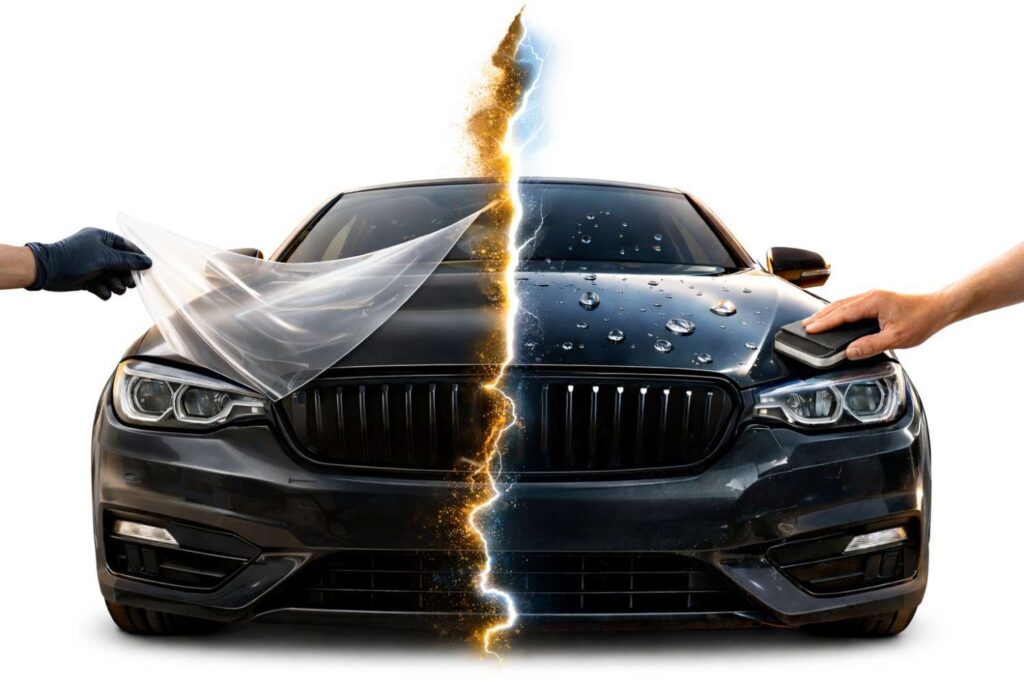
The debate around PPF vs ceramic coating in the UAE continues to grow as more drivers invest in paint protection. With temperatures exceeding 50°C and frequent sandstorms, vehicle exteriors are subjected to extreme stress. This choice affects durability, maintenance, and long-term ownership value.
This guide examines technical differences, real-world performance and UAE pricing to help you make an informed decision.
Understanding Paint Protection Film (PPF)
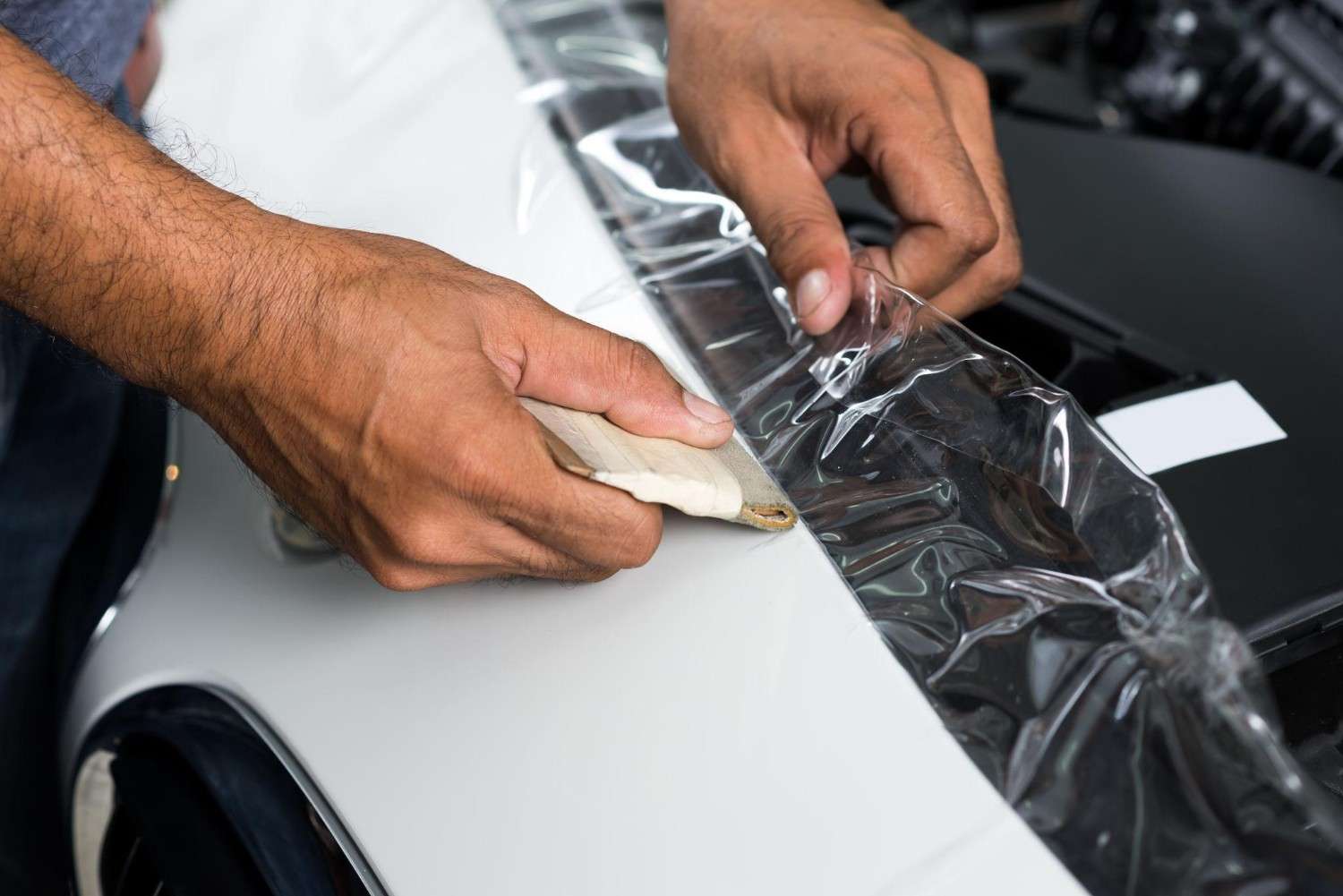
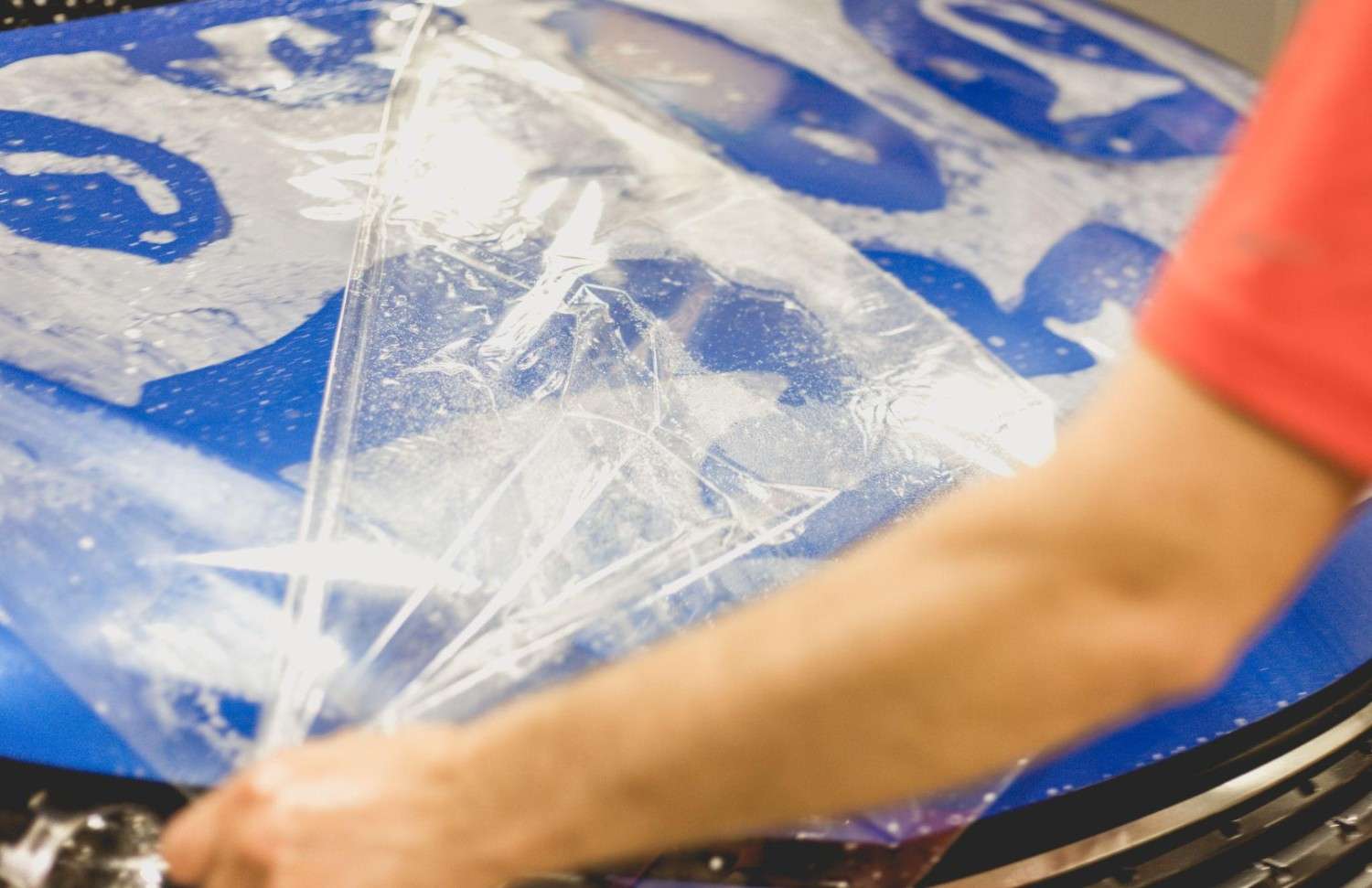
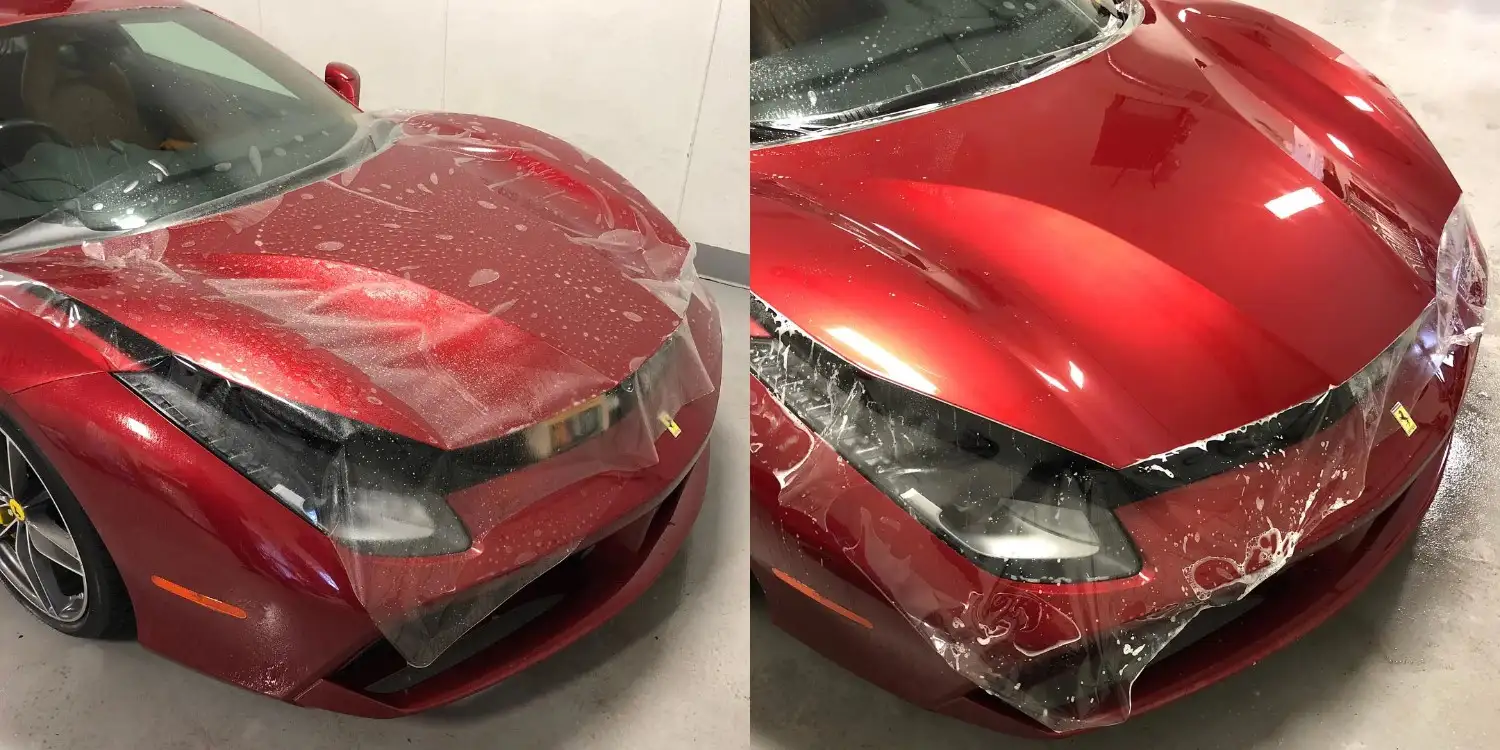
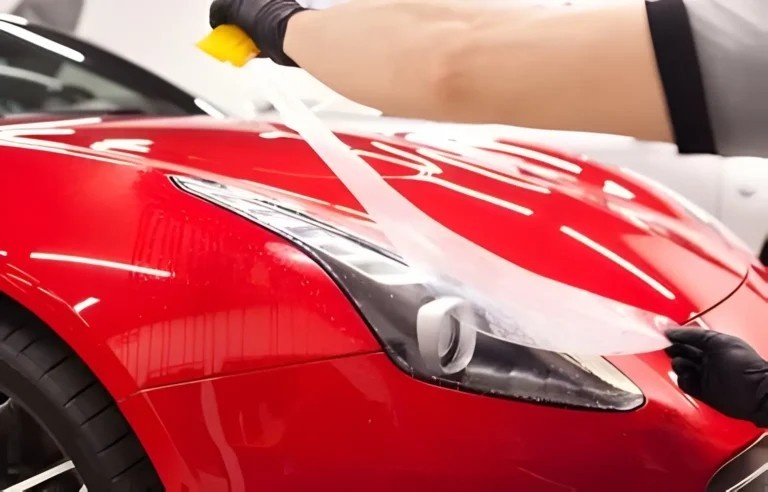
Paint Protection Film is a transparent thermoplastic urethane layer applied over painted surfaces. Premium brands such as XPEL and 3M manufacture multi-layer films with self-healing properties.
Key Technical Features
-
Thickness: 150–200 microns
-
Multi-layer polyurethane structure
-
Heat-activated self-healing surface
-
Integrated UV inhibitors
The thickness of PPF is its defining feature. Because UAE highways expose vehicles to gravel and airborne debris, the film absorbs impact energy before it reaches factory paint. Over time, this reduces visible chipping and surface degradation.
Typical lifespan in UAE conditions is 5 to 10 years, depending on installation quality and maintenance.
Understanding Ceramic Coating
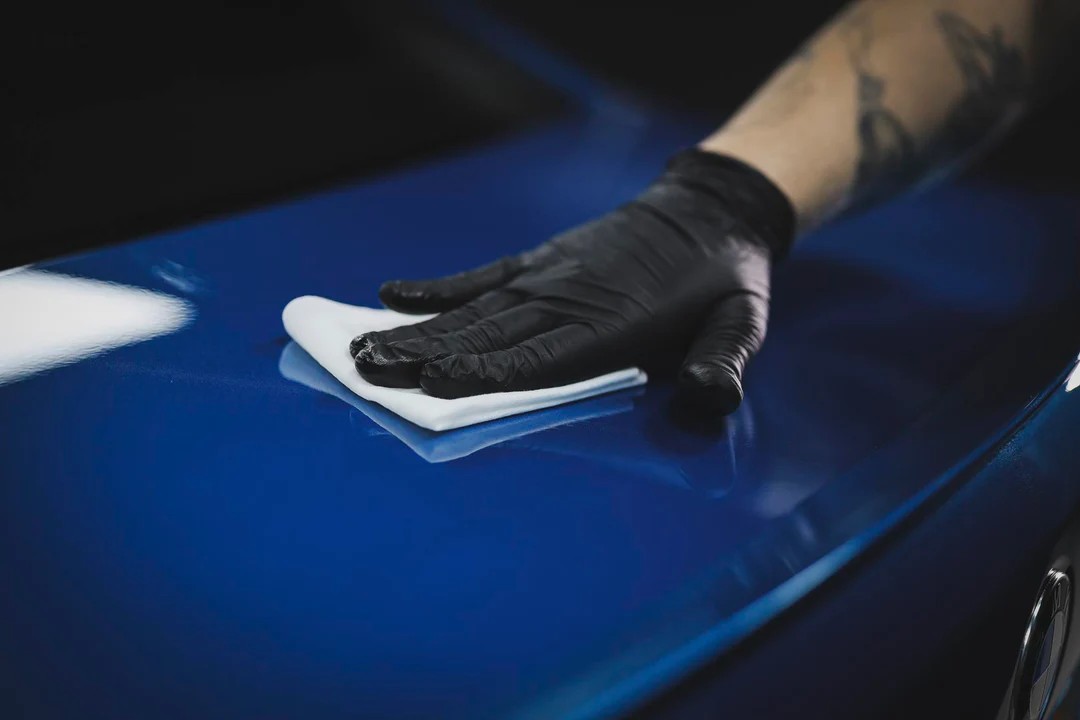
Ceramic coating is a liquid polymer, typically silicon dioxide (SiO₂)-based, applied to the paint surface. Once cured, it chemically bonds to the clear coat, forming a thin protective layer.
Key Technical Features
-
Thickness: 1–2 microns
-
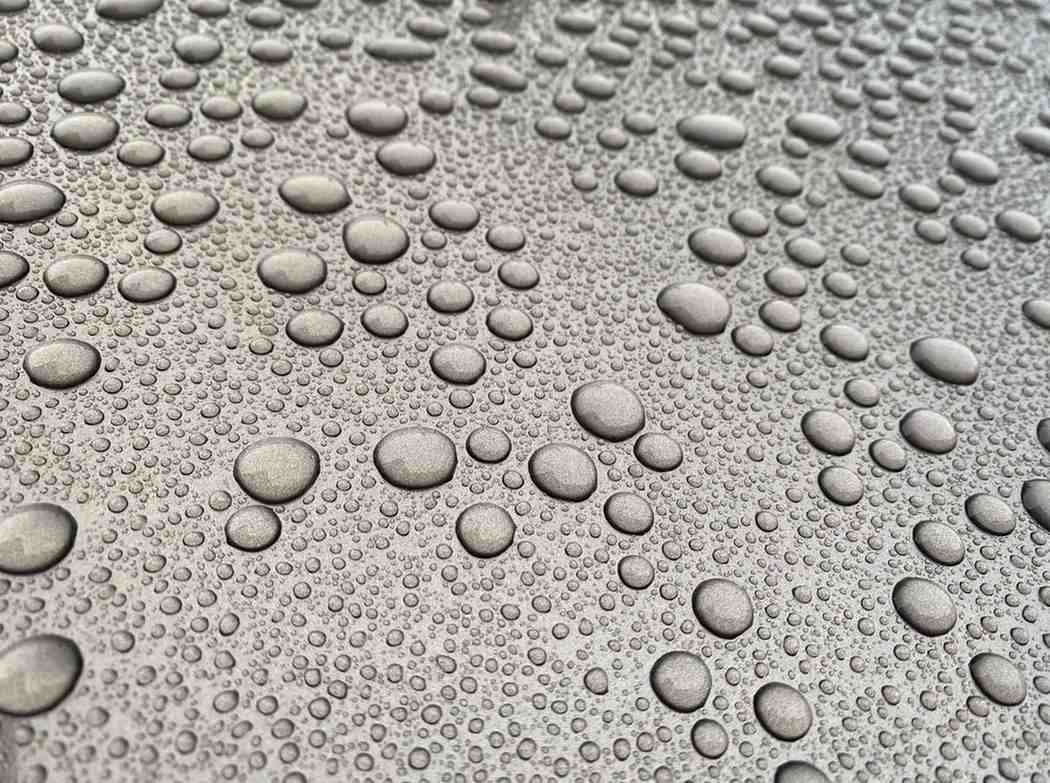
Hydrophobic surface behavior
-
UV and oxidation resistance
-
Enhanced gloss and depth
Unlike film protection, ceramic coating does not create a physical barrier thick enough to absorb impact. Instead, it enhances surface resistance against contaminants and slows oxidation.
In the UAE, ceramic coatings generally last 2 to 5 years, depending on the product grade and exposure conditions.

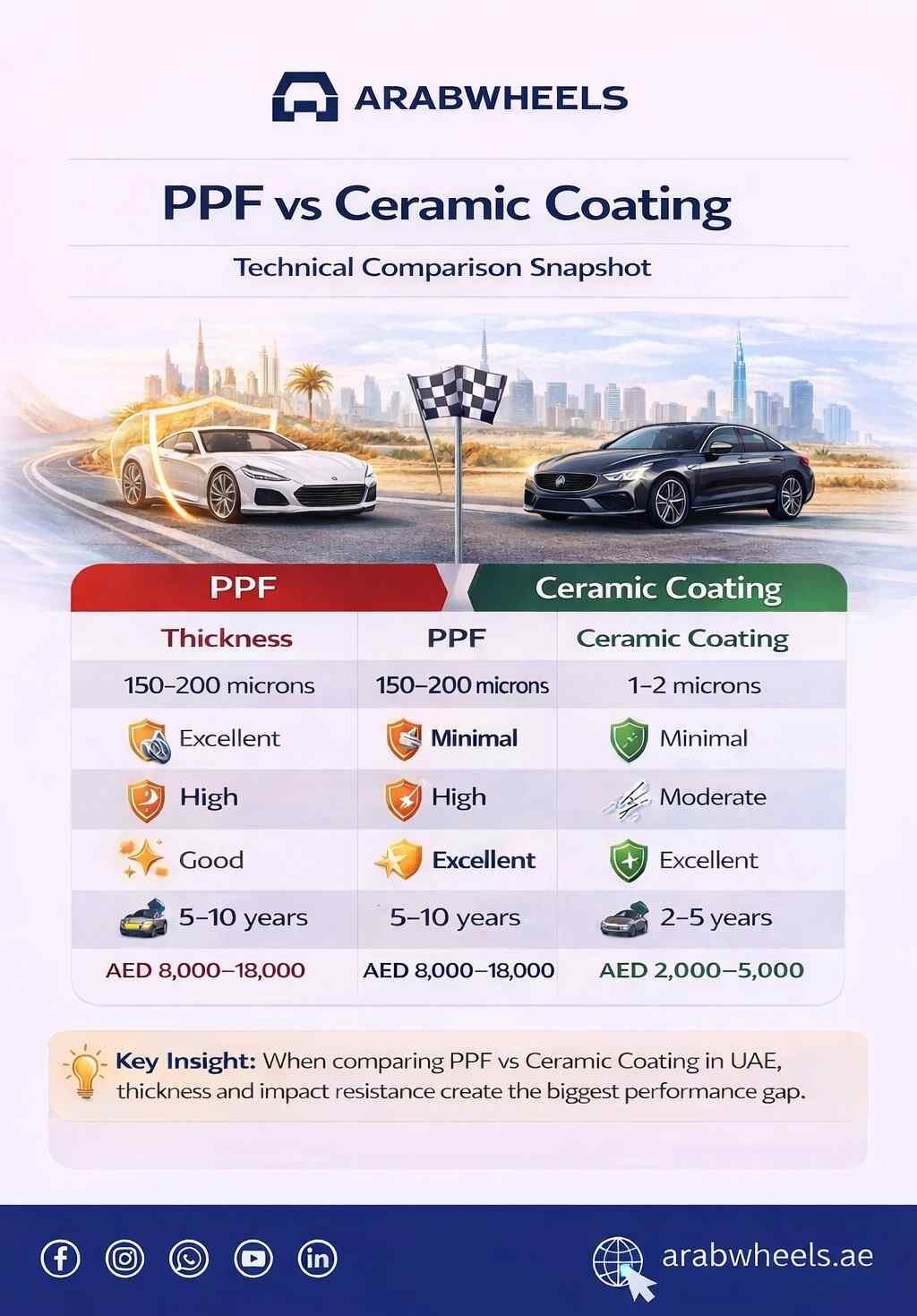
When comparing PPF vs Ceramic Coating in the UAE, thickness and impact resistance create the biggest performance gap.
So, What Should You Consider?
If you drive daily on Sheikh Zayed Road or frequently travel between emirates, you regularly encounter stone chips and sand abrasion. That means visible paint damage can appear within months.
If you lease vehicles or upgrade every two to three years, ceramic coating may offer sufficient shine and easier cleaning without a heavy investment.
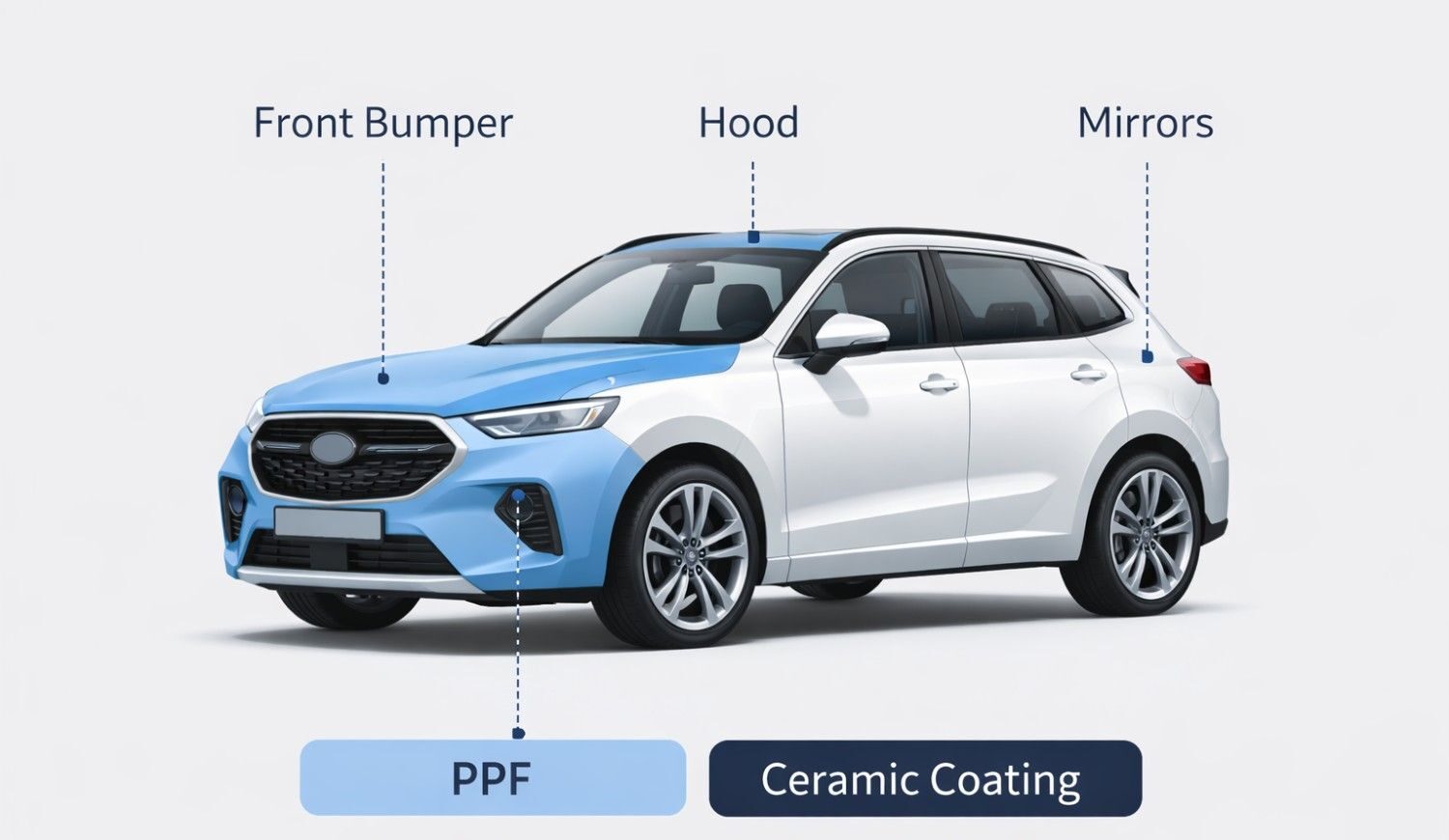
Luxury car owners, especially Porsche, Mercedes-Benz and Range Rover drivers, often choose partial PPF for front sections and ceramic coating for the remaining panels. This hybrid approach balances protection and cost.

Performance in UAE Driving Conditions
Sand and Highway Debris
Desert sand acts as a fine abrasive. At highway speeds, it can damage clear coat layers. PPF reduces this damage due to its elastic structure. Ceramic coating, while protective against contaminants, does not prevent chipping.
Extreme Heat
Heat alone does not immediately damage automotive paint. However, prolonged UV exposure degrades the polymers in the clear coat. Both PPF and ceramic coating provide UV resistance, but PPF also shields against physical wear caused by heat-softened surfaces.
Cleaning and Maintenance
Ceramic coating provides stronger hydrophobic performance. Water beads and dust release more easily. PPF exhibits moderate hydrophobicity, though some premium films now feature coated top layers.
Lifespan Considerations in UAE Climate
Environmental intensity shortens the protection life compared to temperate regions.
-
Vehicles parked outdoors experience faster UV exposure.
-
Highway drivers encounter higher debris impact.
-
Frequent washing may reduce coating durability.
Under average UAE conditions:
-
High-quality PPF may last close to 8–10 years.
-
Professional ceramic coatings typically maintain peak performance for 3–4 years.
Maintenance practices significantly influence longevity.
Cost Breakdown in Dubai and Abu Dhabi
Estimated 2024–2025 Market Pricing in the UAE
| Service Type | Sedan (AED) | SUV (AED) |
|---|---|---|
| Full Body PPF | 8,000 – 12,000 | 12,000 – 18,000 |
| Ceramic Coating | 2,000 – 3,500 | 3,000 – 5,000 |
Premium workshops provide warranties from five to ten years for PPF and up to five years for ceramic coating.
Pros and Cons Overview
The following comparison highlights the practical advantages and limitations of both protection systems.
| Category | PPF | Ceramic Coating |
|---|---|---|
| Advantages | Strong defense against stone chips | Deep gloss finish |
| Self-healing surface technology | Easier cleaning and maintenance | |
| Better long-term paint preservation | Lower initial cost | |
| Limitations | Higher upfront investment | Limited impact resistance |
| Requires professional installation | Requires periodic maintenance |
Practical Tips for UAE Drivers
- Highway drivers should prioritize PPF on high-impact areas such as the front bumper and hood.
- For city use, ceramic coating offers easier cleaning and sufficient surface protection.
- Automatic brush washes can shorten the lifespan of protection, so avoid them when possible.
- Installation quality matters. Always choose certified professionals.
Frequently Asked Questions (FAQs)
Is PPF worth it in UAE?
Yes, it is particularly beneficial for new or luxury vehicles that are frequently driven on highways.
Can I combine both?
Yes, many owners apply PPF to high-impact areas and ceramic coating to other panels.
Which lasts longer in UAE heat?
PPF generally lasts longer due to its thickness and multi-layer protection.
Does ceramic coating prevent scratches?
It reduces minor swirl marks but does not stop stone chips.
Does PPF affect car paint when removed?
No, when professionally installed and removed, it does not damage factory paint.
Final Verdict
When analyzing PPF vs ceramic coating in UAE, the answer depends on driving habits, budget, and vehicle type. PPF delivers stronger physical protection. Ceramic coating enhances appearance and simplifies maintenance. For maximum performance in desert conditions, many experts recommend a hybrid solution.
PPF prioritizes impact resistance and long-term durability, while ceramic coating focuses on surface gloss and easier maintenance. The better option depends on driving exposure and ownership goals.
Explore the ArabWheels blog for detailed comparisons, technical guides, and expert automotive reviews.