
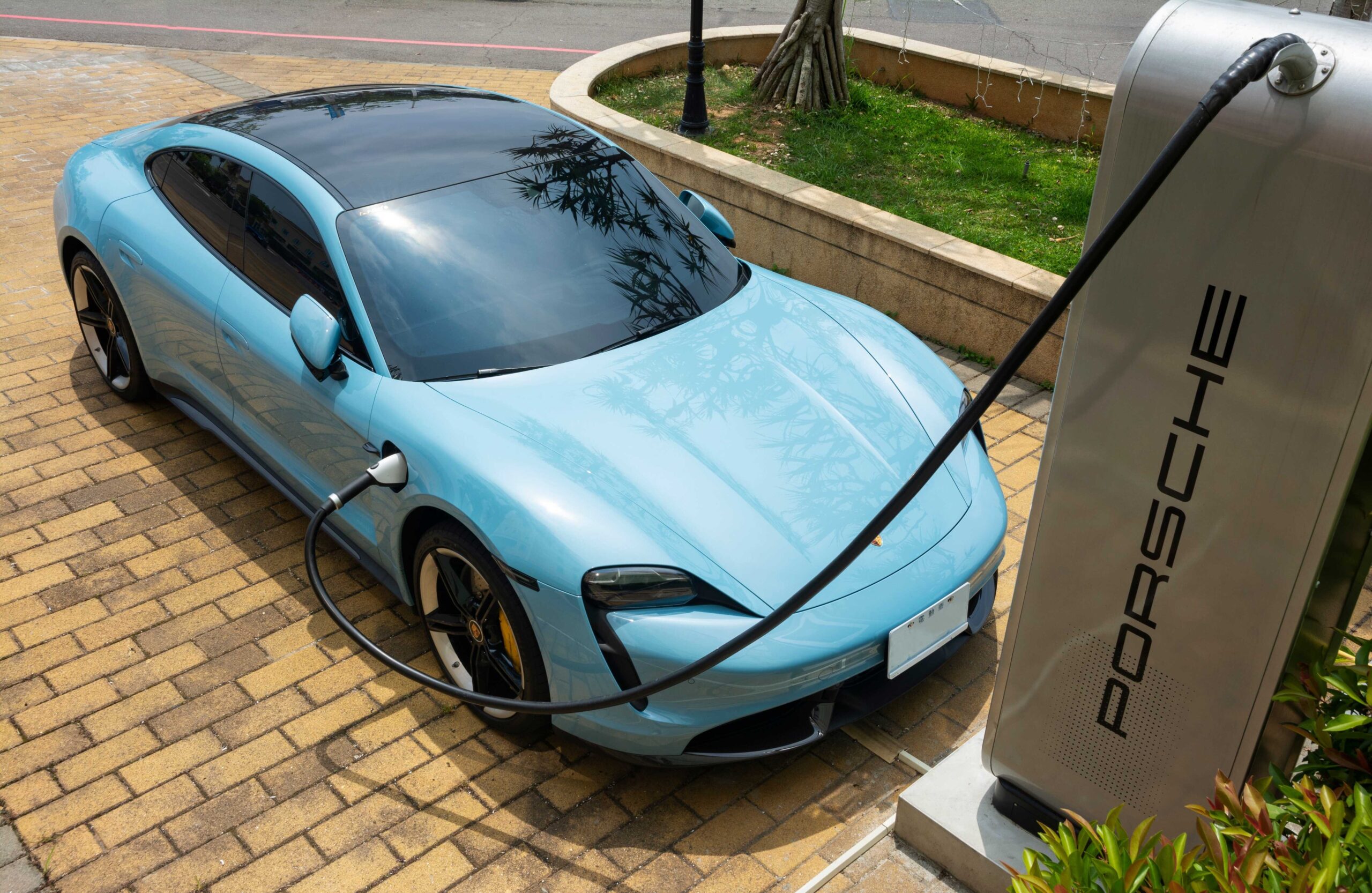
Porsche Stock Crashes 10% After CEO Admits Huge EV Mistake
Porsche stock suffered its worst single-day decline in years after CEO Oliver Blume acknowledged a major electric vehicle strategy error. The German automaker’s shares plummeted 10% following announcements of significant model delays and steep profit cuts. The automotive industry watched in shock as one of its most prestigious brands reversed course.
The Multi-Billion Dollar Strategy Shift
The Stuttgart-based company delivered a harsh reality to investors on September 19th. Porsche‘s strategic pivot resulted in a $2.1 billion reduction in profits and triggered a massive share decline. The company cut its 2025 operating margin guidance from a robust 5-7% down to just 2%.
Parent company Volkswagen simultaneously absorbed a crushing €5.1 billion earnings impact. This dramatic shift represents more than just financial adjustments. Porsche essentially admitted its aggressive electric transition timeline was unrealistic and financially damaging.
The planned flagship K1 SUV, positioned above the popular Cayenne, will now launch with gasoline engines. The originally promised electric powertrain has been completely abandoned for this premium model.
More significantly, the beloved 718 Boxster and Cayman sports cars will continue offering gasoline options. This complete reversal contradicts years of public commitments to achieving full electrification by the end of the decade. The decision signals genuine concerns about demand for electric vehicles.
When Porsche Stock Faces Market Realities
The adoption of luxury electric vehicles has proven slower than industry projections across major markets. China’s economic slowdown has particularly dampened high-end vehicle sales in recent quarters. Porsche’s stock reflected widespread investor frustration with management’s handling of this critical transition period.
The company has revised guidance downward four times this year alone. This pattern has seriously undermined confidence in the leadership’s ability to navigate industry transformation. Mounting problems at both Porsche and Volkswagen have prompted shareholders to question the current management structure.
Critics increasingly argue that Oliver Blume’s dual role leading both companies creates impossible demands. Managing two major automotive giants during an unprecedented period of industry revolution presents significant operational risks. Investors are openly questioning whether this arrangement effectively serves the interests of stakeholders.
Conclusion
Porsche’s revised strategy doesn’t abandon electric vehicles but acknowledges market timing realities more realistically. The transition requires extended timelines and greater powertrain flexibility than anticipated initially.
The successful Taycan sedan and new electric Macan SUV remain central to product plans. Additional electric models are still scheduled for rollout later this decade.
However, this strategic recalibration carries substantial immediate financial costs for the company. The €1.8 billion profit reduction illustrates the high cost of miscalculated market timing. Porsche’s stock investors are now questioning whether management can successfully balance its traditional performance heritage with future mobility requirements.
The luxury manufacturer’s stumble reflects broader industry challenges as automakers grapple with the economics of the electric transition. What is your opinion on Porsche’s stock crash? Let us know in the comments below. Keep following the Arabwheels Blog for more content like this.