


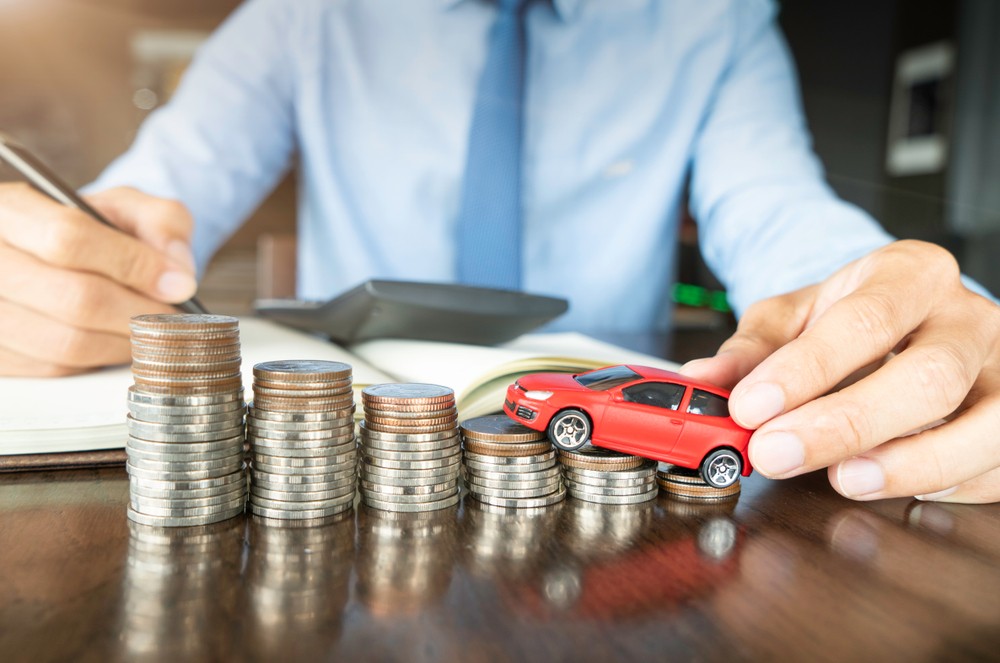
Buying a new car is an exciting experience. The shiny exterior, the new car smell, and the promise of endless road trips make it feel like a dream come true. But let’s be real, while that dream car might look perfect sitting in your driveway, the reality of owning it can be a lot more expensive than you might expect. When you factor in the ownership costs vs resale value, the excitement of that new ride can quickly turn into a financial reality check. The initial price tag is just the beginning; hidden costs can add up, making that new car much more expensive than it seems.
In this blog, I’ll break down those hidden costs, explain why depreciation hits hard, and explore how resale value affects the total cost of owning a new car. By the end, you’ll have a clearer picture of why that shiny new car might come with more than just a hefty price tag; it could lead to unexpected costs down the road.
Key Highlights:

1. Ownership costs include depreciation, financing, insurance, and maintenance.
2. Depreciation is one of the main reasons new cars lose their value so quickly.
3. The resale value drops significantly, making long-term ownership more expensive.
4. Maintenance and insurance add high costs beyond the purchase price.
5. Understanding financing options can help reduce the overall cost of owning a new car.
Understanding New Car Ownership Costs
When you buy a new car, the excitement of that shiny, fresh ride is hard to beat. But the truth is, the sticker price is just the beginning. Once you drive off the lot, you’ll quickly realize that the true cost of ownership goes beyond the initial purchase. Depreciation, maintenance, and financing all play a role in how much you’ll spend over time. It’s not just about what you pay upfront; it’s about understanding how these ongoing costs will impact your wallet in the long run.
1. Car Depreciation: The Silent Cost
Depreciation is one of the most significant factors in the cost of new-car ownership. Simply put, a new car starts losing its value the moment you drive it off the dealership lot. On average, a new car can lose 20-30% of its value in the first year, and it continues to depreciate each year thereafter.
- New cars depreciate much faster than used vehicles, so their resale value declines significantly over time.
In fact, after 3 to 5 years, many new cars will have lost as much as 60% of their original value. This rapid depreciation is one of the main reasons new cars are so expensive. If you plan to sell or trade in your vehicle in a few years, you’ll likely lose a substantial portion of your investment.
2. Resale Value of Cars: How Quickly Does It Drop?
The value of cars is closely tied to depreciation over time. When you buy a new car, you expect it to hold some value, but over time, the market forces take a toll. Factors like brand perception, model popularity, and overall condition impact how much you can sell your car for later.
- Luxury cars typically depreciate more steeply than more affordable models.
However, SUVs and pick-up trucks tend to retain their value better due to higher demand and practicality. Understanding how resale value works helps you make a more informed decision when purchasing a car.
For example, models with a reputation for holding value, like Toyota, Honda, or Jeep, often give you a better return when selling or trading in.
3. Vehicle Maintenance Costs: Keeping Your Car Running
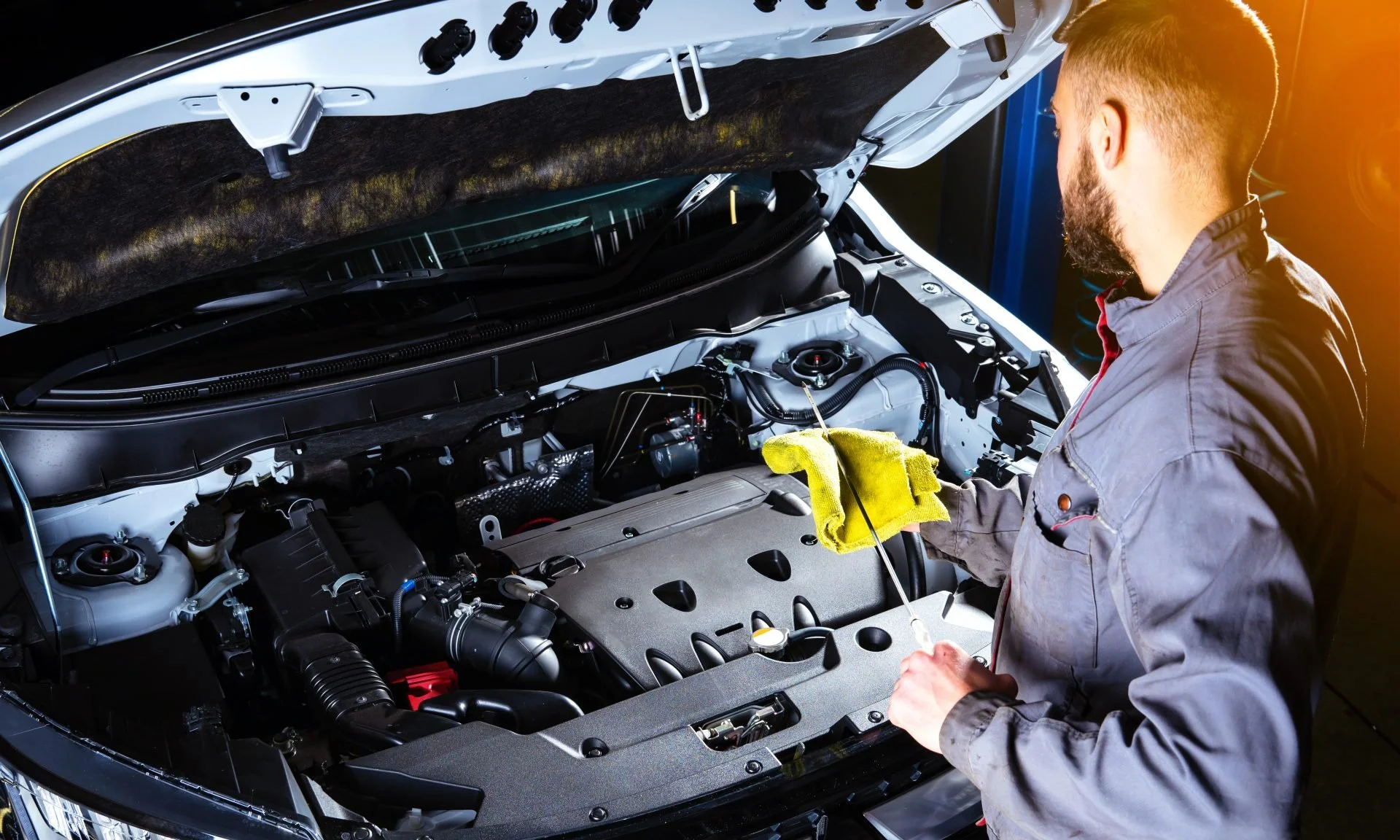
Owning a new car isn’t just about the purchase price; it also includes ongoing costs. While new vehicles typically require less maintenance early on, they still need routine servicing such as oil changes, tire rotations, and brake inspections.
The more complex your car is, the higher your maintenance costs will be. Luxury cars with advanced technology often incur higher maintenance costs. Regular maintenance is essential not only for keeping the vehicle in good working condition but also for preserving its resale value.
In addition to routine maintenance, you might encounter unexpected repairs as your car ages, which can add to long-term ownership costs.

Other Costs to Consider Beyond Depreciation
Aside from depreciation, several other factors drive up the cost of owning a new car.
4. Car Financing and Payments
Most people don’t pay for a new car up front, so it is a significant factor in the cost of ownership. While financing allows you to spread the price of the vehicle over several years, it also means you’ll be paying interest on the loan. The interest rate on your car loan can significantly affect the total amount you pay for the vehicle over time.
Longer loan terms may result in lower monthly payments, but you’ll end up paying more in interest over the life of the loan. Understanding of it can help you secure a lower interest rate and reduce the overall cost of owning your car.
5. Insurance Costs for New Cars
Insurance premiums for new cars are typically higher than for used vehicles, primarily because new cars are worth more and may include expensive technology that could be costly to repair or replace. While some new cars come with safety features that may reduce insurance premiums, the overall cost of car insurance will be higher compared to older models.
You’ll need to budget for comprehensive insurance coverage, which is often required for new cars, further increasing your monthly expenses.

6. Long-Term Ownership Costs
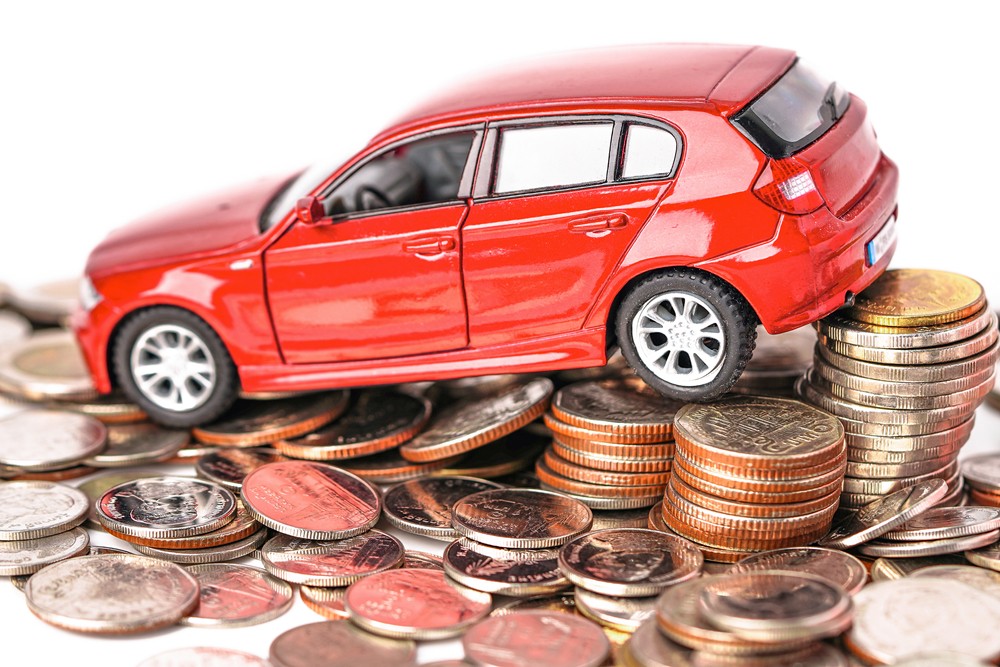
The overall cost of ownership doesn’t end after you drive your new car off the lot. Over the years, factors such as fuel costs, registration fees, taxes, and tolls can add up, making long-term ownership more expensive than anticipated.
While newer cars tend to be more fuel-efficient, rising fuel prices can still impact the cost of ownership over time. Additionally, taxes and other fees (such as Salik toll charges) should be accounted for in your budget.
What Does This Mean for You as a Car Buyer?
If you’re considering buying a new car, it’s crucial to understand the ownership costs vs resale value. Focusing solely on the initial purchase price can be misleading, as depreciation and ongoing expenses will impact your long-term financial commitment. Resale value plays a significant role in how much you’ll lose or gain when you sell or trade in your vehicle down the road.
Here’s what you can do:
-
Choose a car that holds its value well, such as a Ford.
-
Be mindful of maintenance costs and choose a vehicle with a good warranty to minimize future repair expenses.
-
Shop around for the best financing options to reduce interest rates and overall payments.
By considering these factors, you’ll be better equipped to make a wise financial decision and manage both the ownership costs and resale value of your new car.
Frequently Asked Questions (FAQs)
Q: How much do new cars lose in value each year?
A: New cars typically lose 20-30% of their value in the first year and the depreciation rate slows down afterward.
Q: What cars have the best resale value?
A: Cars like the Toyota Tacoma, Honda Civic, and Jeep Wrangler are known for holding their value better than most other vehicles.
Q: How can I reduce the cost of owning a new car?
A: Opt for cars with low depreciation rates, invest in regular maintenance and shop for financing with low interest rates to minimize long-term costs.
Conclusion
Owning a new car is more than just a financial commitment at the time of purchase. The total ownership costs, including depreciation, insurance, financing, and maintenance, can add up significantly over time. When you factor in ownership costs vs resale value, it becomes clear that understanding how these factors impact both your wallet and your car’s long-term value is crucial. By considering all aspects of car ownership, from the initial cost to the eventual resale value, you can make a more informed decision. This way, you’ll be able to manage costs better and enjoy your vehicle without any unexpected financial surprises down the road.
Ready to dive deeper into car ownership and make an informed decision? Check out arabWheels and ArabWheels Blogs for more expert insights, car reviews, and tips to help you get the most out of your vehicle purchase. Start your journey to smarter car ownership today!