


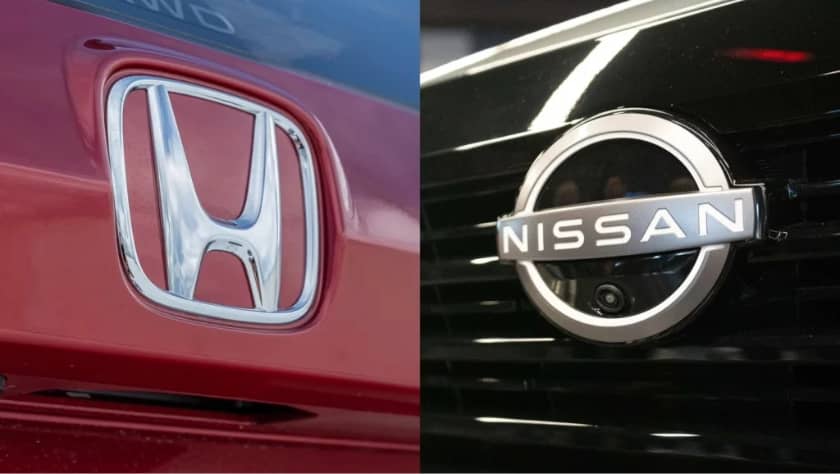
More Than a Partnership: Why the Nissan-Honda Union Is Finally Happening
The automotive world is currently watching a massive strategic shift as the long-discussed Nissan-Honda Union moves toward a 2026 deadline. While early talks faced hurdles over control of management, recent updates confirm that both giants are now prioritizing their shared survival.
This potential alliance aims to create a global powerhouse capable of producing over 8 million vehicles to challenge Toyota. With the recovery plan already delivering huge savings, the partnership is no longer a desperate plea for financial assistance.
Instead, it represents a calculated move to pool multi-billion-dollar research budgets for next-generation software and autonomous driving systems.
The Strategic Shift Toward a 2026 Holding Company
Japanese manufacturers are feeling the heat from aggressive Chinese brands and shifting regulations in the massive United States market. The proposed Nissan-Honda Union would likely see both iconic brands operate as subsidiaries under a single holding company.
This structure allows each brand to maintain its unique identity while sharing the cost of expensive underlying hardware, such as batteries and motors. Honda is currently leading the technical discussions, offering its advanced hybrid systems to help bolster Nissan’s aging North American lineup.
By standardizing these core components, the two companies can drastically reduce engineering costs and accelerate new launches.
| Strategic Metric | Nissan-Honda Combined | Current Global Rank |
| Annual Vehicle Sales | ~8.3 Million Units | 3rd Globally |
| Combined Revenue | ~30 Trillion Yen | Top 3 Industry Tier |
| R&D Focus Area | Software-Defined Vehicles | High Priority |
Risk vs. Reward
Industry experts suggest that this collaboration is the only viable path to maintaining a competitive foothold in the race. The “Power of Three” strategy provides the scale needed to negotiate better prices with global battery and raw material suppliers.
You can see the potential impact of the Nissan-Honda Union by looking at these primary drivers of integration.
- Sharing software platforms will allow both brands to compete with Tesla’s advanced in-car entertainment and over-the-air update capabilities.
- Honda’s hybrid technology could immediately revitalize Nissan’s SUV sales in markets where demand for pure electric vehicles has recently slowed.
- Merging supply chains helps eliminate massive operational redundancies and improves the overall bargaining power with various international component manufacturers.
- Jointly developing autonomous driving systems reduces the individual financial burden of researching complex artificial intelligence and sensor hardware.
- Mitsubishi’s inclusion adds significant strength in the plug-in hybrid segment and provides a stronger presence in Southeast Asian markets.
Conclusion
The evolving Nissan-Honda Union is a clear signal that the era of the solo automotive manufacturer is coming to an end soon. By joining forces, these legendary brands are building a resilient framework to survive the most turbulent period in history.
We expect more concrete details regarding the holding company structure to emerge during the upcoming spring financial briefing sessions. This alliance will undoubtedly redefine the global car industry landscape for the next decade and beyond.
What do you think about this partnership? We’d love to hear your thoughts in the comments below. Keep following the Arabwheels Blog for the latest sharp insights, exclusive UAE updates, and global automotive trends that matter.