
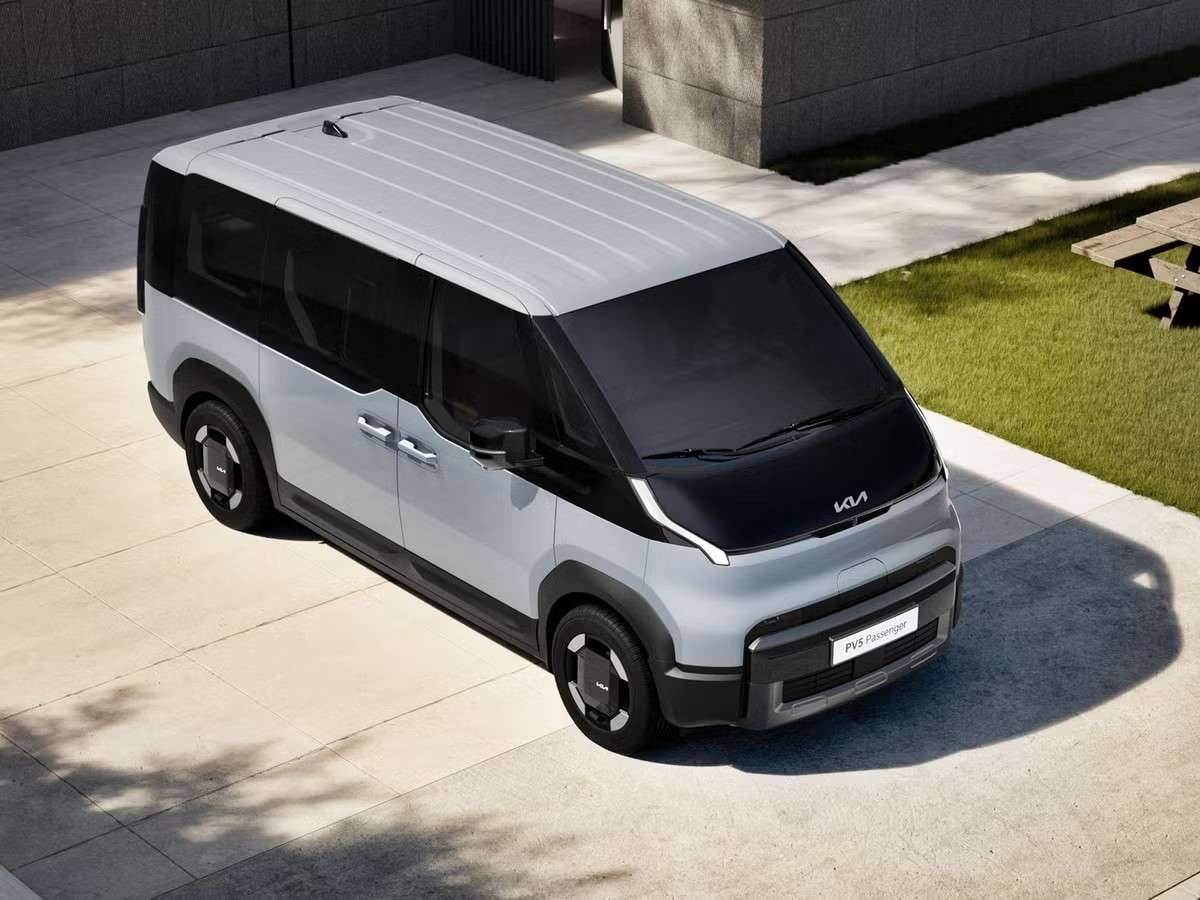
Kia PV5 Van First Look During Testing: What We Know So Far
A closer look at Kia’s modular PBV platform and how the PV5 electric van could transform urban logistics and fleet mobility in the UAE.

The Kia PV5 Van represents Kia’s long-term vision for electric commercial mobility. The model is currently in development and has appeared during early testing stages as part of Kia’s Purpose Built Vehicle strategy. Designed for logistics fleets, ride-hailing services, and urban transport solutions, the electric van reflects a broader shift in the automotive industry toward purpose-built commercial EVs.
The PV5 has not yet entered production, but early testing and concept previews suggest Kia is preparing a flexible electric platform for commercial mobility.
This shift is particularly relevant for markets such as the UAE, where logistics, delivery services, and ride-hailing platforms are expanding rapidly. Electric commercial vehicles can reduce operating costs, lower emissions, and operate more quietly in dense urban environments.
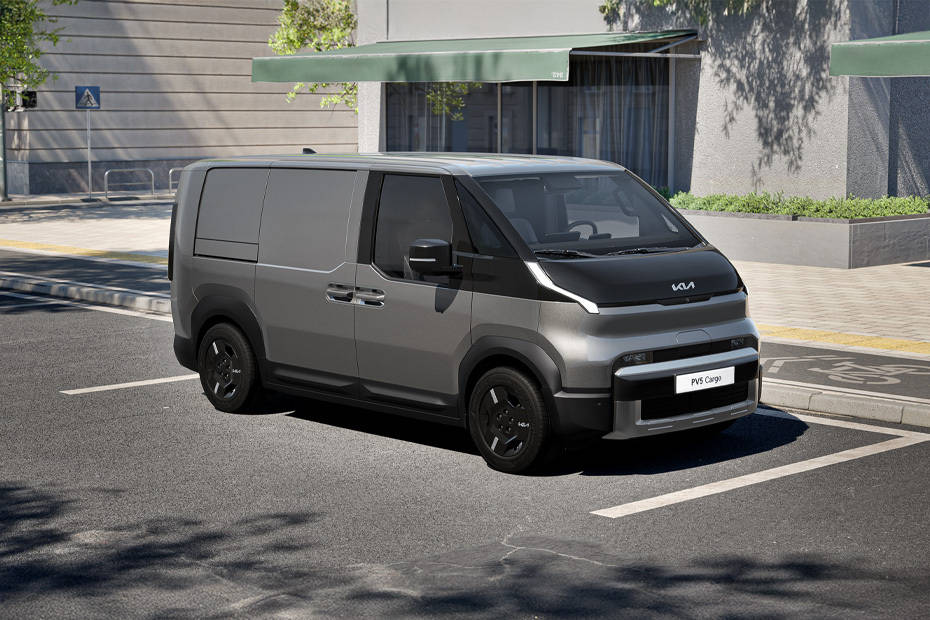
Rather than converting traditional vans into electric vehicles, Kia’s PBV strategy focuses on purpose-built platforms designed from the ground up for commercial use. The PV5 electric cargo van is expected to support industries ranging from logistics and delivery services to passenger transport and urban mobility solutions.
Readers interested in EV technology can also explore our complete guide on how electric cars work, which explains how electric motors, batteries, and charging systems power modern electric vehicles.
Key Highlights
-
The Kia PV5 Van is part of Kia’s upcoming Purpose Built Vehicle (PBV) lineup, designed for commercial electric mobility.
-
Built on a modular EV platform supporting cargo, passenger, and service configurations.
-
Designed for urban logistics, ride-hailing fleets, and delivery companies.
-
Signals Kia’s entry into the fast-growing electric cargo van and commercial EV market.
-
Production specifications are still pending as the vehicle moves through development and prototype stages.
Kia’s Purpose Built Vehicle (PBV) Strategy
Kia’s PBV strategy signals a major shift in the development of commercial vehicles.
Traditionally, vans were built on passenger-vehicle platforms with internal combustion engines. Kia’s new approach focuses on building a dedicated electric architecture that supports multiple vehicle types.
Instead of offering a single van configuration, the PBV platform offers several variants to meet business needs.
Potential applications include:
-
Cargo delivery vans for logistics companies
-
Passenger shuttle vehicles for urban mobility
-
Ride-hailing fleet vehicles
-
Maintenance and service vans
-
Refrigerated transport vehicles for food and medical logistics
This modular approach gives businesses flexibility while allowing Kia to scale its commercial EV lineup efficiently.
Design and Exterior Observations
Although the PV5 is still in development, early prototypes reveal several design elements focused on practicality.
Key Exterior Features
-
Box-shaped body design to maximize cargo capacity
-
Short front overhang for improved maneuverability in city environments
-
Large sliding side doors for easier loading and unloading
-
High roof configuration for increased cargo space
Unlike passenger vehicles, where styling is often the priority, commercial vans emphasize functionality. The PV5’s design clearly prioritizes accessibility, efficiency, and cargo volume.
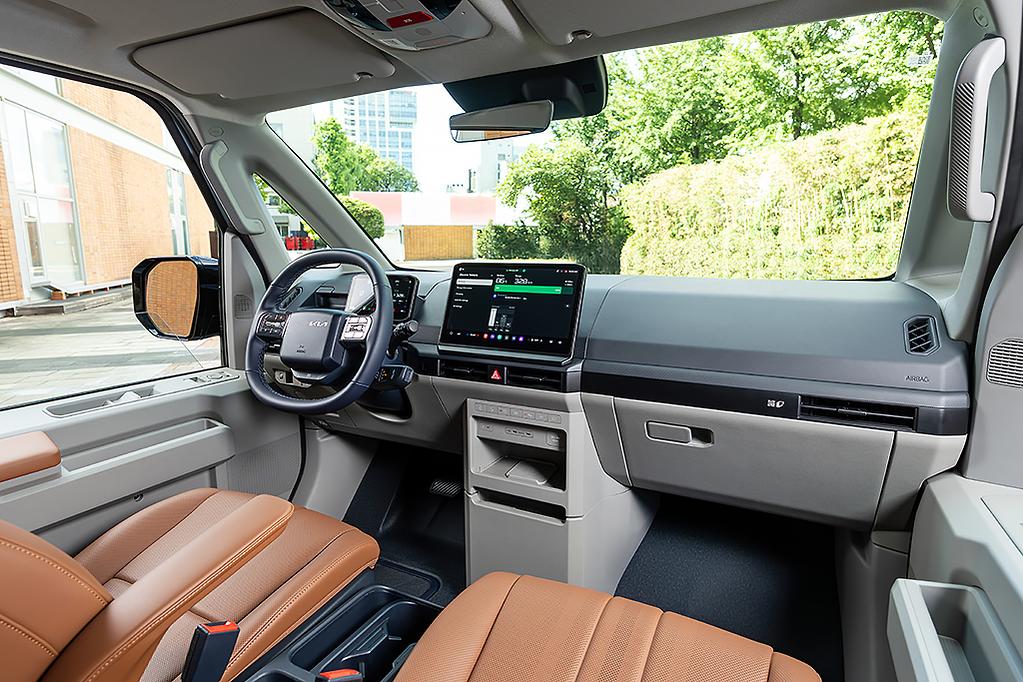
Inside the Kia PV5: Designed for Utility
Commercial EV vans typically prioritize functionality over luxury. While Kia has not yet revealed the full production interior, several features are expected based on industry trends.
Expected Interior Features
-
Digital driver display
-
Large infotainment system
-
Fleet connectivity tools
-
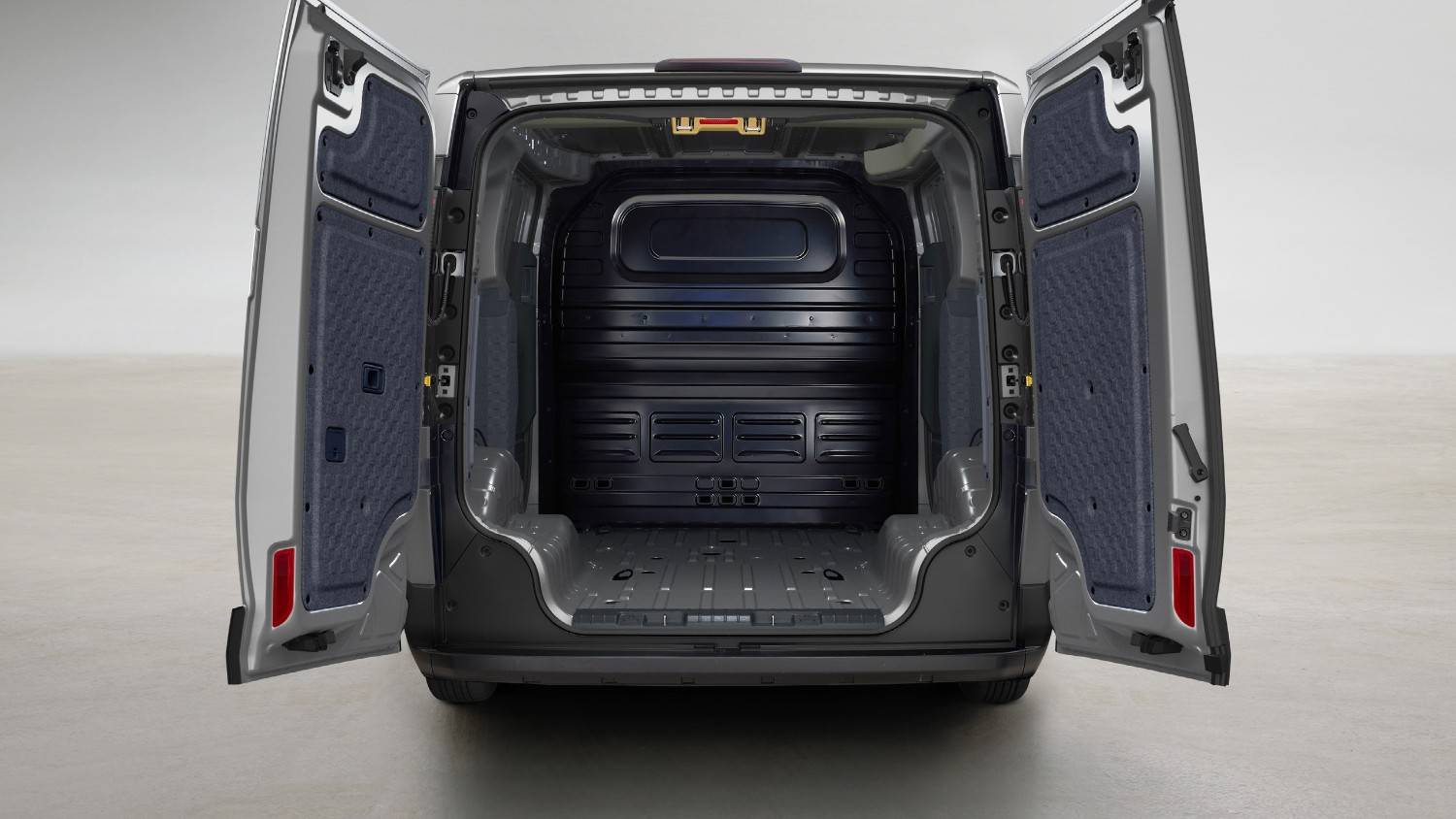
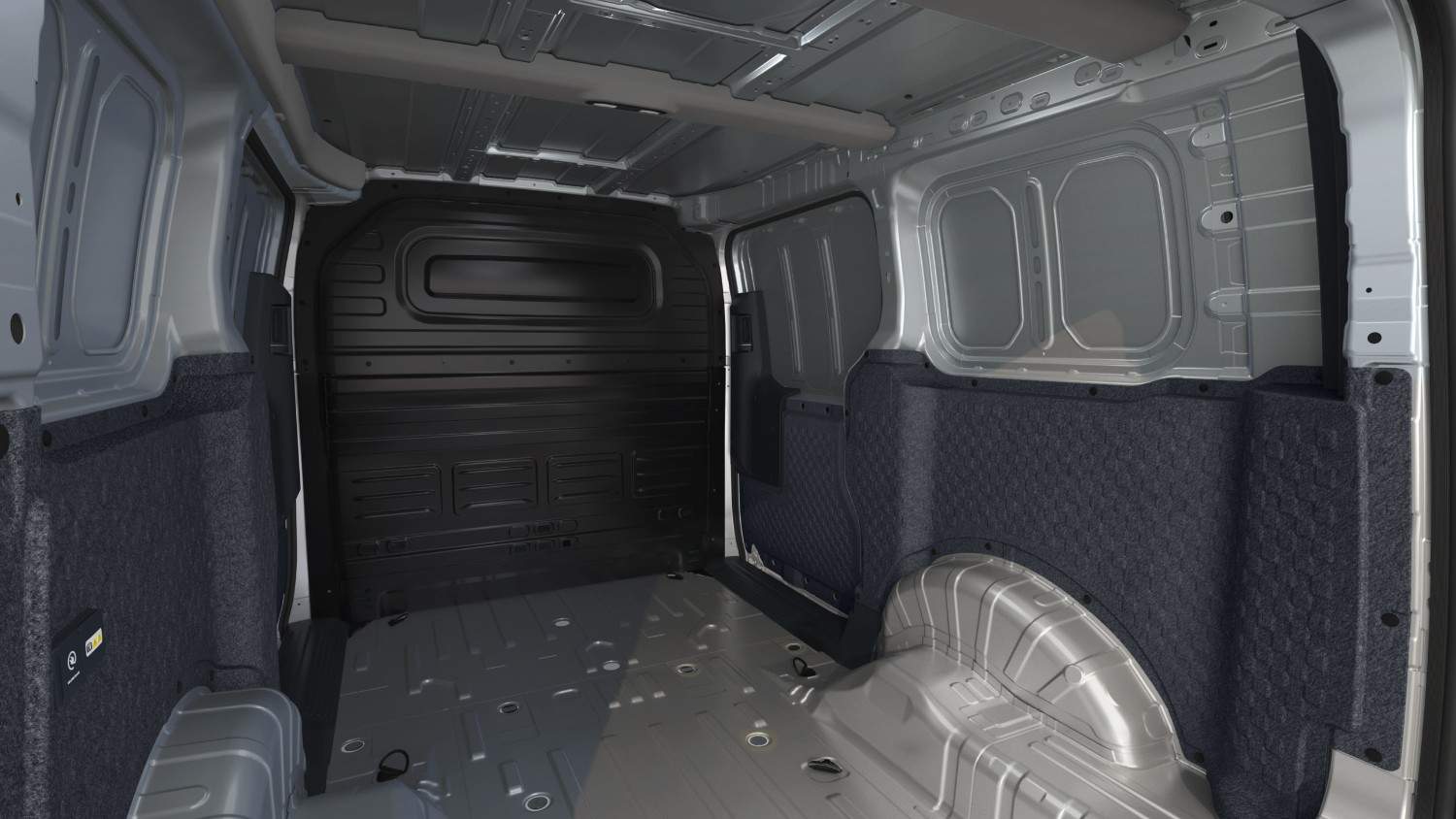
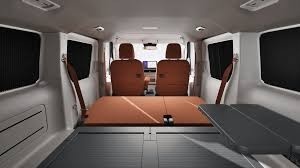
Flexible cargo layouts
-
Smart telematics systems for logistics operators
Potential Configurations
| Configuration | Use Case |
|---|---|
| Cargo Van | Delivery and logistics |
| Passenger Shuttle | Urban mobility transport |
| Service Vehicle | Maintenance fleets |
| Refrigerated Van | Food and medical delivery |
This modular design allows companies to configure the vehicle according to operational requirements.
Competitor Landscape: Where the PV5 Fits
The electric commercial vehicle segment is becoming increasingly competitive.
Several manufacturers have already introduced electric cargo vans targeting logistics fleets and delivery companies.
| Model | Brand | Segment |
|---|---|---|
| E-Transit | Ford | Electric cargo van |
| ID. Buzz Cargo | Volkswagen | Electric delivery van |
| eSprinter | Mercedes-Benz | Commercial EV van |
What sets the Kia PV5 Van apart is its PBV-focused architecture. Instead of modifying an existing van platform, Kia is building a modular EV platform specifically designed for commercial mobility.
Kia has already demonstrated strong EV capabilities with passenger vehicles. Our Kia EV6 UAE review highlights how the brand has advanced its electric technology with long-range capability and ultra-fast charging.
Why the Kia PV5 Matters for the UAE Market
The UAE is actively investing in electric mobility infrastructure and sustainable transportation policies.
Cities such as Dubai and Abu Dhabi are expanding EV charging networks while promoting cleaner mobility solutions. Authorities like the Road and Transport Authority (RTA) are encouraging the adoption of environmentally friendly vehicles, particularly for commercial fleets.
Electric vans offer several benefits for businesses operating in urban environments:
-
Lower operating costs
-
Reduced maintenance requirements
-
Zero tailpipe emissions
-
Quiet operation in densely populated areas
Readers exploring EV options in the region can also check out our guide to the top electric cars worth buying in the UAE, which highlights some of the most promising models currently available.
The Bigger Picture: The Rise of Electric Logistics
Commercial vehicles account for a significant share of city traffic. Delivery vans, service vehicles, and ride-hailing fleets play a critical role in urban transportation networks.
As governments introduce stricter emissions standards and businesses look to improve operational efficiency, electric commercial vehicles are becoming increasingly practical.
The Kia PV5 Van reflects this broader transformation. Kia is also expanding its EV lineup with upcoming models like the 2026 Kia EV4 electric sedan, aimed at making electric mobility more accessible for everyday drivers.
Conclusion
The Kia PV5 Van provides an early glimpse into how electric commercial vehicles could reshape urban transportation. By developing modular EV platforms through its Purpose Built Vehicle strategy, Kia is preparing for a future where delivery fleets, ride-hailing services and logistics companies rely heavily on electric vehicles.
As cities continue prioritizing sustainable mobility and efficient logistics, the Kia PV5 Van could become an important step toward cleaner urban transport and a growing electric cargo van market.
For more automotive insights, reviews, and EV guides, explore the latest articles on ArabWheels Blogs.
