


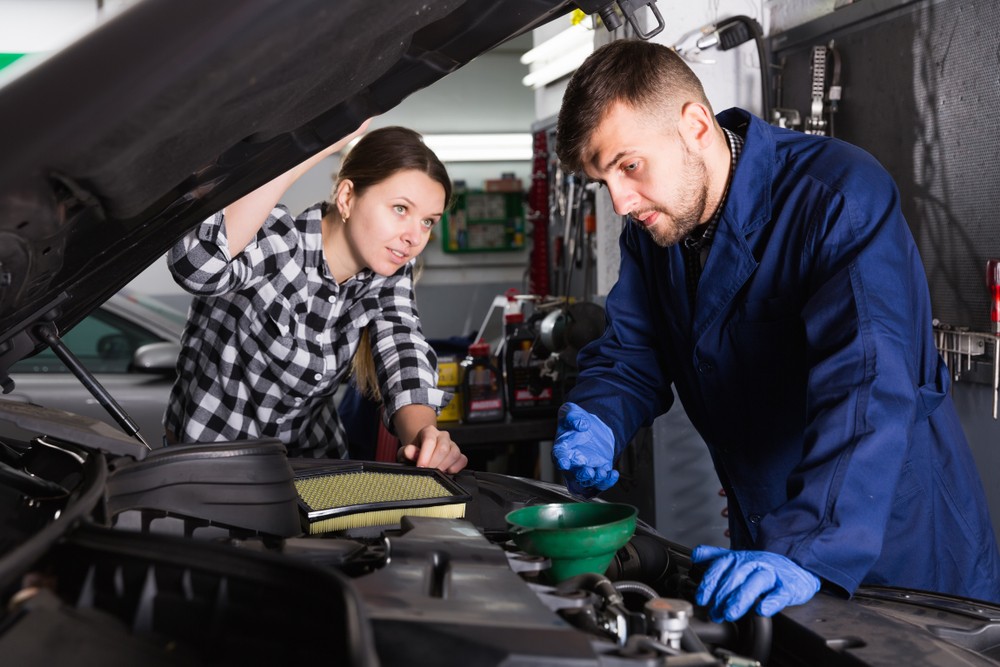
Neglecting basic vehicle maintenance is one of the quickest ways to lose performance and incur unnecessary repair costs. One of the simplest habits that can save you a lot of trouble is keeping an eye on your car’s essential fluids. These regular car fluid checks help prevent overheating, protect the engine, support smooth braking, and keep your vehicle running longer, no matter what model you drive.
Most drivers today want a smooth, stress-free driving experience. Fortunately, staying on top of fluid levels is one of the easiest ways to achieve that. This guide walks you through the six key fluids every car relies on, how to check them at home, the warning signs you shouldn’t ignore, and valuable tips even beginners can follow confidently.
Key Highlights
-
Understand the six essential car fluid every driver checks regularly.
-
Step-by-step instructions for fast, accurate DIY checks.
-
Clear signs your vehicle needs a fluid top-up or professional service.
-
Practical tips, comparisons, FAQs, and expert guidance.
Top Six Essential Car Fluids and How to Check Them
Before diving into each system, it helps to know how regular car fluid checks keep your engine, brakes, and cooling system performing at their best.
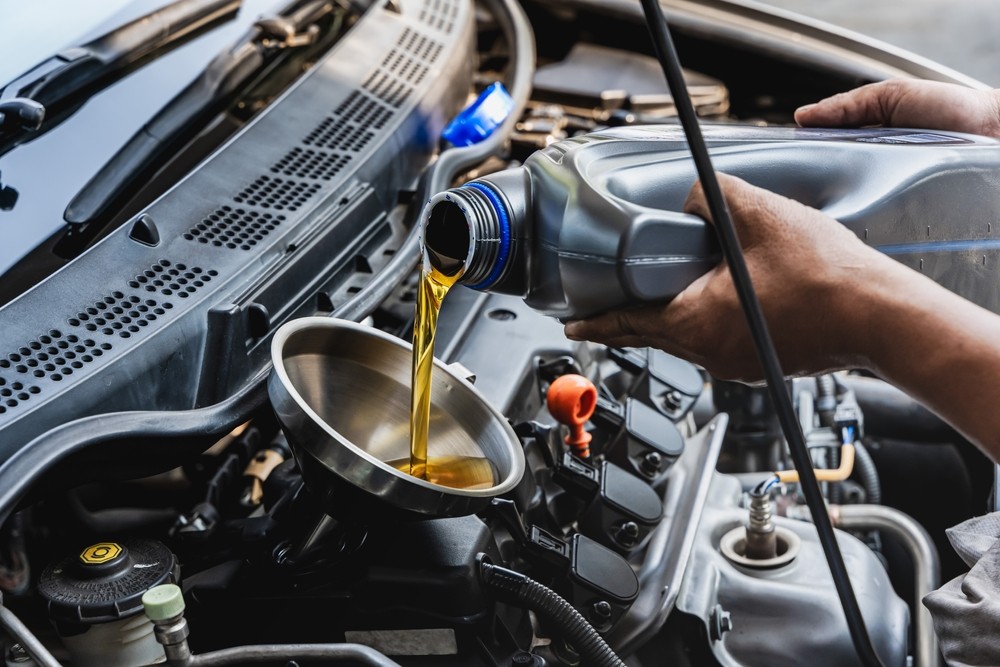
1. Engine Oil
Before you look into any other fluids, start with your engine oil. It’s the lifeline of your vehicle and directly impacts performance and engine health.
Why It Matters
Engine oil lubricates internal components and prevents friction-based wear. Insufficient or dirty oil can cause overheating or engine failure.
How to check at home
-
With the engine off and cool, locate the oil dipstick.
-
Pull the dipstick out, wipe it clean, then push it back in fully.
-
Pull it out again and check the oil level between the MIN and MAX marks.
-
Look at the colour and texture; it should be smooth and golden to dark brown, not black, burnt, or gritty.
When to Change
Every 5,000–10,000 km, depending on driving style and manufacturer guidelines.
2. Coolant / Antifreeze
After engine oil, coolant is one of the most critical fluids to keep your car running smoothly, especially in regions with extreme temperatures.
Why It Matters
Coolant regulates engine temperature and protects against corrosion. With rising summer temperatures, especially in places like Dubai, overheating is a serious concern.
How to check at home
-
Make sure the engine is completely cool.
-
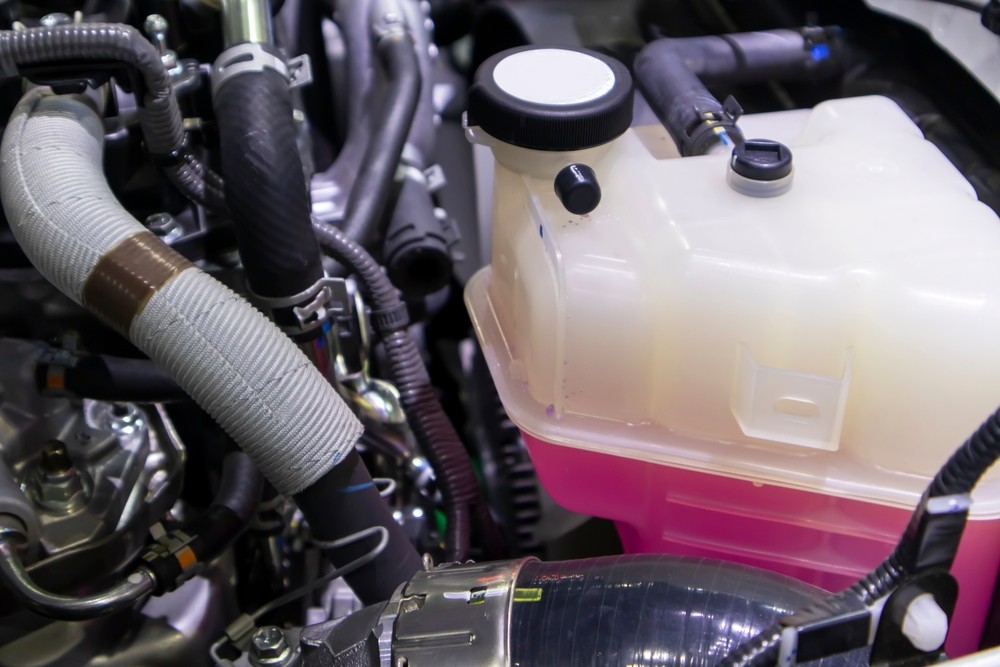
Locate the coolant overflow tank (usually a translucent plastic bottle).
-
Check that the coolant level is between the MIN and MAX marks.
-
Look under the car for any dried or wet coloured stains that might indicate a leak.
Warning signs
-
Sweet smell from the engine bay
-
The rising temperature gauge on your dashboard
-
Visible green, pink, or orange coolant leaks
3. Brake Fluid
Your car’s braking system depends on more than just pads and rotors. Brake fluid plays a major role in delivering the stopping power you rely on during every drive.
Why It Matters
Brake fluid delivers hydraulic pressure to the braking system. Low or contaminated fluid reduces stopping power, which makes driving unsafe.
How to check at home
-
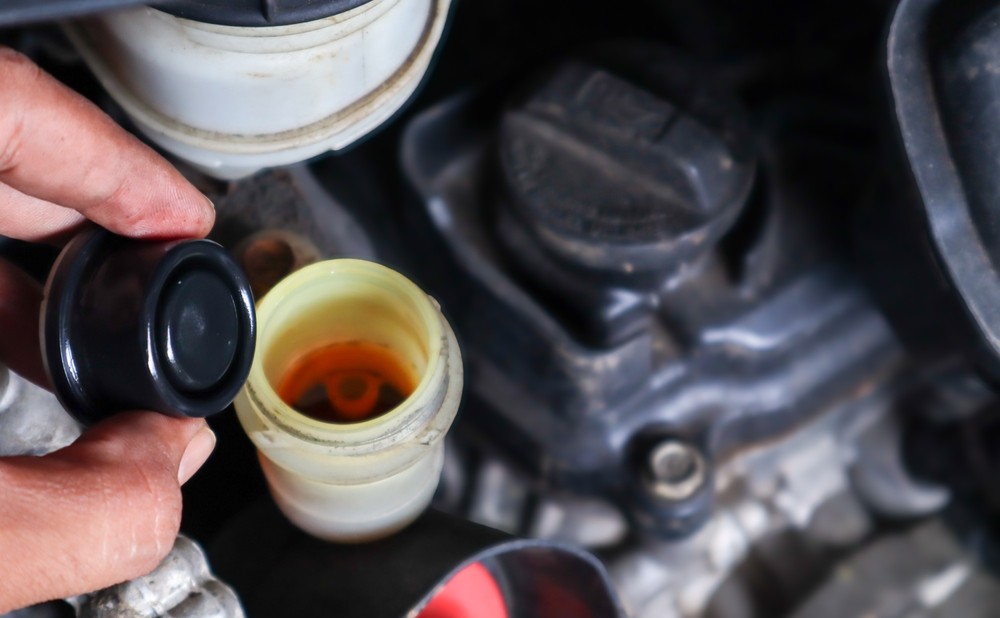
With the car parked and engine off, find the brake fluid reservoir near the back of the engine bay.
-
The level should sit between the marked MIN and MAX lines.
-
The fluid should be clear or light amber, not dark brown or black.
If the level is low or the fluid is very dark, book a service immediately rather than just topping up.
Replacement interval
Typically, every 2 years, or as recommended in your owner’s manual.

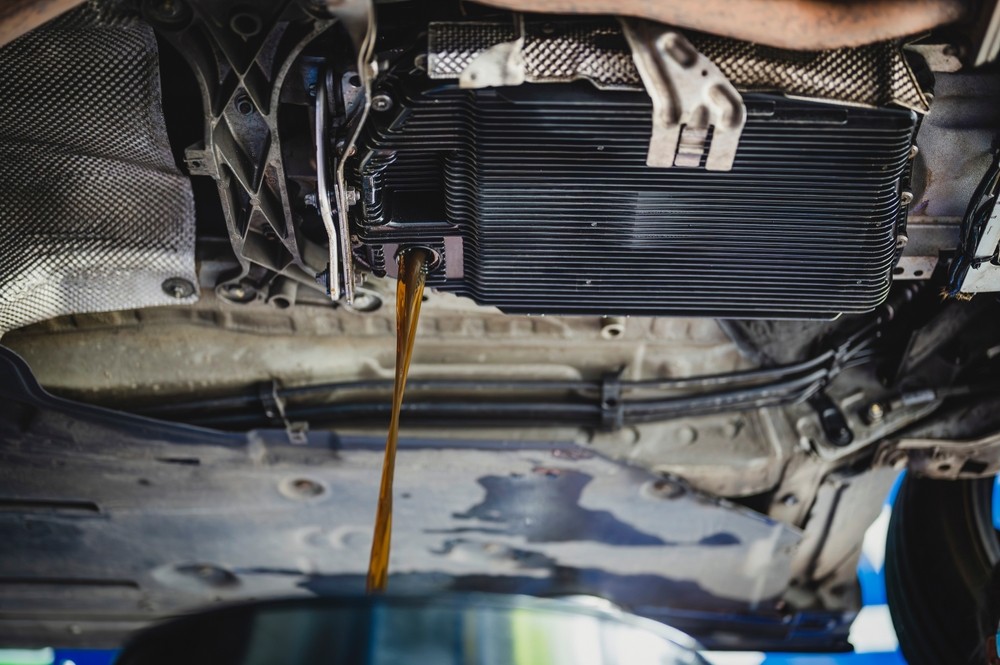
4. Transmission Fluid
Smooth gear shifts don’t happen on their own. Transmission fluid ensures your gearbox performs properly and stays protected from wear.
Why It Matters
It lubricates and cools transmission components. Low levels lead to slipping gears or delayed shifting.
How to check at home
Some modern cars have sealed transmissions; always check your manual first.
-
If your car has a transmission dipstick, warm the engine to normal operating temperature.
-
With the engine idling (and following the steps in your manual), pull the dipstick out.
-
Wipe it clean, reinsert, and pull again to check the level.
-
Fluid should be bright red or reddish-amber and feel smooth, not burnt or gritty.
Signs of trouble
-
Delayed gear response when shifting from P to D or R
-
Burning smell after driving
-
Rough, jerky shifts

5. Power Steering Fluid
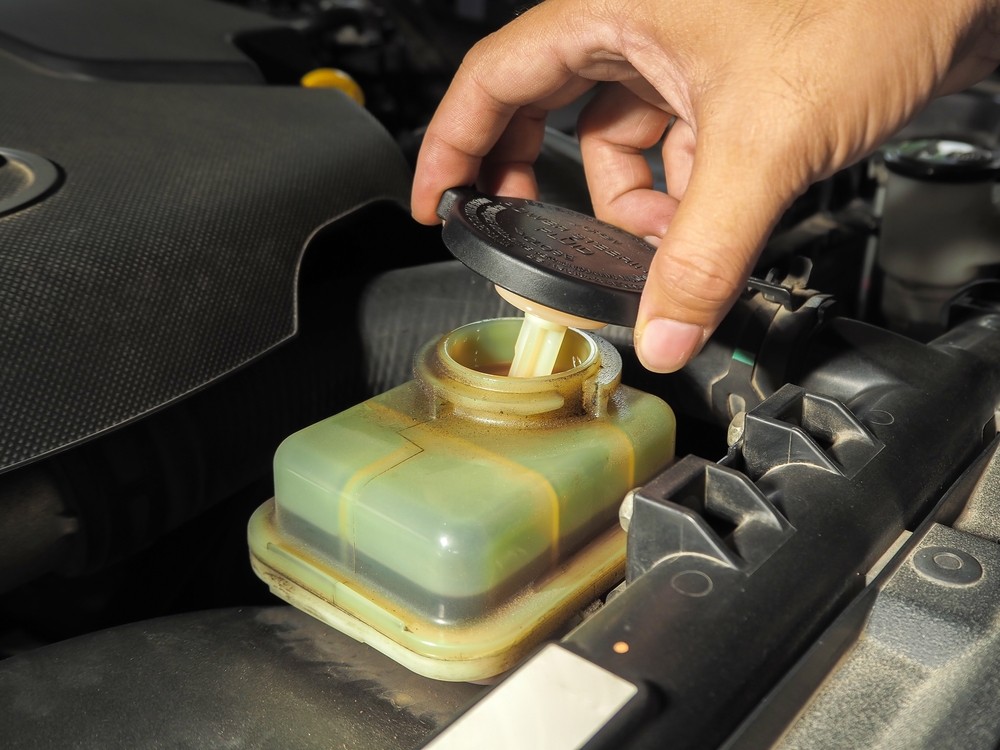
Effortless steering feels like a small thing, until it’s gone. Power steering fluid is what makes turning the wheel easy and responsive.
Why It Matters
Power steering fluid helps make turning the wheel light and responsive. Low levels can make the wheel feel heavy and may damage the steering pump.
How to check at home
-
With the engine off, find the power steering reservoir (often marked with a steering wheel symbol).
-
Check the level against the HOT/COLD or MIN/MAX marks, depending on the design.
-
Look at the fluid, it should be clear to slightly amber, not dark or foamy.
When to get it checked
-
Fluid looks dirty or milky
-
You hear whining or groaning noises while turning the wheel
-
Steering suddenly feels heavier than usual

6. Windshield Washer Fluid
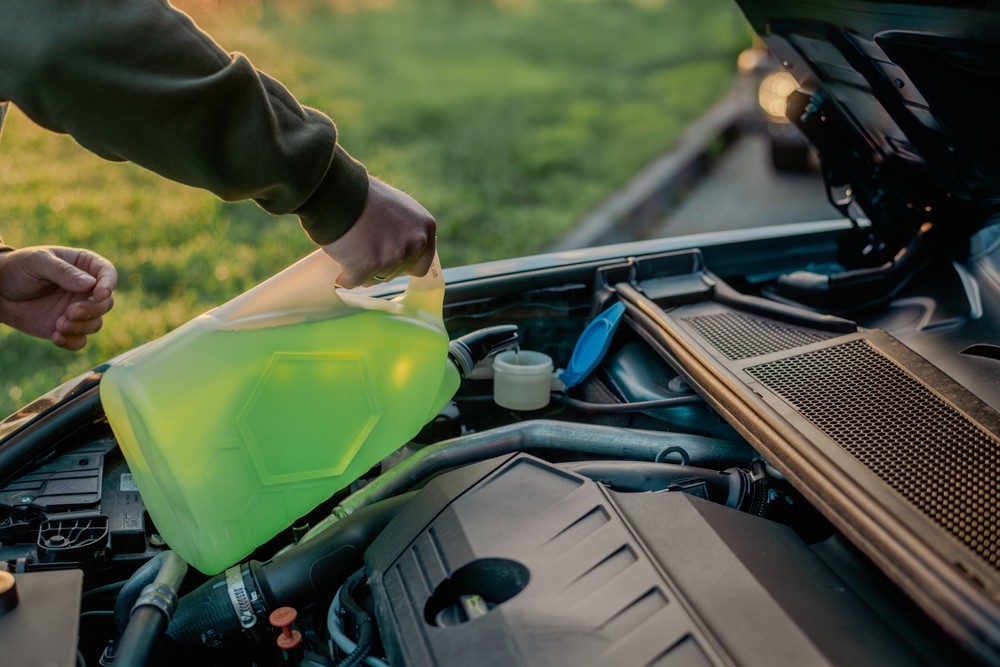
Clear vision is a basic safety need. Washer fluid helps you see better in dusty, rainy, or sandy conditions, especially in regions with unpredictable weather.
Why It Matters
Washer fluid helps clear dust, sand, and traffic film from the glass, improving safety in both daytime and nighttime driving.
How to check at home
-
Locate the washer fluid bottle (often with a blue cap and a windscreen/water symbol).
-
Open the cap and visually check the level.
-
Top up with ready-mix washer fluid or concentrate diluted as per instructions.
-
Avoid using plain tap water, especially in hot climates, to reduce mineral buildup and streaks.
Comparison Table: Fluid Purpose & Check Frequency
| Fluid Type | Purpose | Check Frequency |
|---|---|---|
| Engine Oil | Lubrication & cooling | Monthly |
| Coolant | Temperature regulation | Monthly |
| Brake Fluid | Braking pressure | Every 2 months |
| Transmission Fluid | Gear function & cooling | Quarterly |
| Power Steering Fluid | Smooth steering | Monthly |
| Washer Fluid | Windshield clarity | Weekly/As needed |
What does this mean for you as a driver?
For you, as a driver, this guide turns car care into a quick, simple routine rather than a headache. By adding regular car fluid checks to your monthly routine, you keep the car smoother, safer, and cheaper to run, with no technical skills required.
-
Everyday convenience: Checking fluids at home for a few minutes significantly reduces the risk of being stranded on the roadside during work commutes, school runs, or long drives.
-
Money saved, not wasted: Spotting low or dirty fluids early costs very little compared with major repairs like engine overhauls or gearbox replacement. Small checks now help avoid big invoices later.
-
Easier RTA renewal: When your car is well-maintained, it’s more likely to pass the RTA car inspection the first time. Healthy brakes, proper cooling, and stable performance all support smoother registration renewal.
-
Safer, more responsible driving: Choosing a good, compliant workshop means fluids are changed correctly and old oil is disposed of safely, supporting Dubai Municipality environmental and safety efforts.
In short, this simple habit saves you time, reduces stress, protects your budget, and keeps your car legal and reliable on Dubai’s roads.
Expert Tips to Keep Your Car Running Smoothly
-
Always use manufacturer-approved fluids.
-
Inspect for leaks under your parking spot.
-
Keep a maintenance log to make scheduling easier.
-
Use high-quality synthetic oils for better engine health.
Frequently Asked Questions (FAQs)
1. How often should I check car fluids?
A monthly check is ideal for most drivers, while long-distance travellers should inspect before every trip.
2. Can I mix different coolant colours?
No, Different types can react badly. Always use what your manufacturer recommends.
3. What if the engine oil looks milky?
This may indicate a coolant leak. Visit a professional immediately.
4. Do electric cars need fluid checks?
Yes, brake fluid, coolant, and windshield washer fluid still need regular attention.
Conclusion
Regular car fluid checks aren’t just a routine; they’re an investment in your car’s health, safety, and long-term performance. By understanding and maintaining the six essential fluids, you reduce the risk of breakdowns, improve efficiency, and keep every journey smooth and stress-free. Smart drivers don’t wait for warning lights; they stay proactive.
If you want expert advice, trusted recommendations, or professional services to keep your vehicle in top shape, now is the right time to take action.
If you’d like to dive deeper into simple, everyday car-care habits, you’ll find plenty of practical, easy-to-follow guides on ArabWheels. Their articles are designed to help drivers understand their cars better and stay confident on the road. You can explore more insights, tips, and maintenance explainers directly on the ArabWheels blog.