


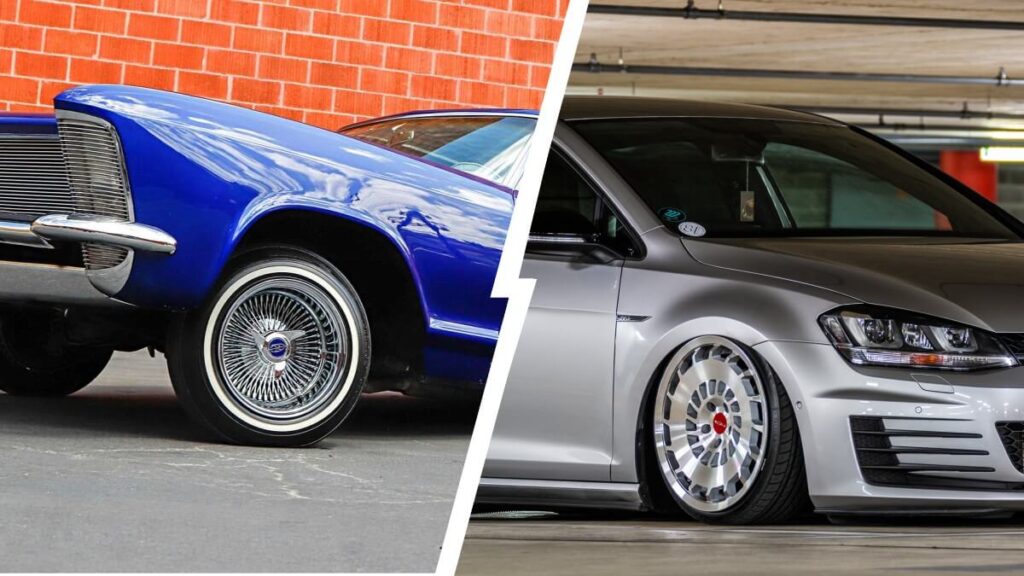
Slam it low or lift it high when it comes to customizing your car’s stance, two technologies dominate the scene: hydraulic vs air suspension. But beyond the bounce and flex lies a bigger question: which setup is truly right for your ride?
Whether you’re chasing that show-stopping lowrider swagger, dialing in performance for canyon carving, or just craving a silky-smooth cruise, your suspension choice will make or break the experience.
In this guide, we’ll peel back the layers of both hydraulic and air suspension systems, exploring how they work, what sets them apart and which one fits your driving style and goals. Get ready to dive deep into the world of ride height, ride quality and rolling style. Because when it comes to suspension, it’s not just about how low you can go it’s about how right you can ride.
What is Hydraulic Suspension?
Hydraulic suspension is a type of vehicle suspension system that uses pressurized hydraulic fluid to control the ride height and stiffness of the vehicle. Unlike traditional coil or leaf spring suspensions, hydraulic setups rely on pumps, cylinders and valves to adjust the suspension in real-time often with dramatic, rapid motion.
How Hydraulic Suspension Works
Hydraulic cylinders replace traditional springs. These cylinders are connected to electric pumps that force hydraulic fluid into the cylinders. Increased fluid pressure raises the vehicle; released pressure lowers it.
Drivers use in-cabin switches or remotes to control the fluid flow to each wheel independently, allowing for custom moves like front lifts, side tilts, or even bouncing.
Features of Hydraulic Suspension System
- Instant height adjustment
- Bouncing and dancing movements
- Independent wheel control
- Custom switchboxes or remote controls
Where Hydraulic Suspension Is Most Popular
Hydraulic suspension is especially popular in lowrider culture, where visual flair and street performance take center stage. You’ll often see classic cars like Impalas or Cadillacs outfitted with hydraulic setups for shows, competitions, and cruising.
What is Air Suspension?
Air suspension is a type of vehicle suspension system that replaces traditional metal springs with inflatable air springs (or airbags) made of rubber and polyurethane. These airbags are filled with compressed air, allowing for precise control over ride height, comfort and load capacity.
How Air Suspension Systems Work
Air suspension systems use an onboard air compressor, air tank and a series of valves and sensors to inflate or deflate each air spring as needed. The system can raise or lower the vehicle automatically or manually, depending on the setup.
When more air is pumped into the airbag, the vehicle lifts higher; when air is released, it drops lower. Many modern systems include an ECU (Electronic Control Unit) for automatic leveling, adjusting suspension based on speed, road conditions, or load weight.
Features of Air Suspension Systems
- Smooth and adjustable ride
- Automatic or manual height control
- Load-leveling capabilities
- Multiple ride modes (comfort, sport, off-road)
Where Air Suspension is Used Most
Air suspension is widely used in luxury vehicles, trucks, SUVs and performance cars for its ride quality and adaptability. It’s also a favourite in the stance and tuner communities, allowing for aggressive lowered looks without sacrificing drivability.
Hydraulic vs Air Suspension: Side-by-Side Comparison
| Feature | Hydraulic Suspension | Air Suspension |
| Ride Quality | Harsh and stiff | Smooth and adjustable |
| Adjustment Speed | Instant | Slower but smoother |
| Customization | High (bouncing, 3-wheel motion) | Moderate (stance & height) |
| Maintenance | High (fluid leaks, pump wear) | Moderate (air leaks, compressor failure) |
| Installation Cost | Higher | Moderate to high |
| Best For | Lowriders, show cars | Daily driving, luxury vehicles, performance tuning |
Pros and Cons of Hydraulic and Air Suspension Systems
Choosing between hydraulic suspension and air suspension isn’t just about looks, it’s about understanding how each system fits your driving style, vehicle type and maintenance expectations. Let’s break down the advantages and disadvantages of each to help you make an informed decision.
Pros of Hydraulic Suspension
1. Ultra-fast height adjustment
Hydraulic suspension systems can raise or lower your vehicle almost instantly, making them perfect for show cars and lowriders that need quick, dramatic motion on demand.
2. Iconic lowrider performance (bouncing, dancing)
If you’re after that classic lowrider bounce, only hydraulics can deliver the aggressive suspension movement required for car shows, competitions and street displays.
3. Rugged, heavy-duty components
Hydraulic setups often use durable metal components, pumps and valves built to handle extreme use, ideal for custom builds and performance-focused modifications.
Cons of Hydraulic Suspension
1. Harsh ride quality
Hydraulic systems typically lack the smoothness of air suspensions. Expect a stiff, bumpy ride that may not be ideal for daily driving or long trips.
2. Complex installation and high maintenance
Installing a hydraulic suspension involves wiring, plumbing and custom fitting, making it both labour-intensive and costly. Maintenance includes checking for fluid leaks and pump wear.
3. Expensive components
Hydraulic pumps, cylinders and switches are more expensive than standard suspension parts, especially when custom fabrication is involved.
Pros of Air Suspension
1. Comfortable, luxury-like ride
Air suspension offers a smooth, adjustable ride, often found in high-end luxury vehicles and modern SUVs. The cushioning effect of air springs significantly improves comfort.
2. Ideal for highway cruising and towing
Thanks to load-levelling capabilities, air suspension adapts to heavy loads and varying road conditions, making it perfect for long-distance travel and trailer towing.
3. Self-levelling and smart control options
Many air suspension kits come with automatic ride height adjustment and smart ECUs, providing optimal handling and comfort without manual input.
Cons of Air Suspension
1. Slower response time
Compared to hydraulics, air systems take longer to raise or lower the vehicle, typically a few seconds per adjustment.
2. Potential for air leaks
Over time, rubber airbags and air lines can develop leaks, especially in colder climates or with improper installation.
3. Requires regular maintenance
To keep your air ride suspension running smoothly, you’ll need to check compressors, tanks, valves and sensors regularly. Failure to do so can lead to system failure or uneven ride height.
Hydraulic vs Air Suspension: Which One Is Better for You?
There’s no one-size-fits-all answer: the better suspension depends entirely on your vehicle goals, lifestyle and how you plan to use your ride. Let’s break down which system is best based on specific use cases:
For Show and Style: Choose Hydraulic Suspension
If your priority is to turn heads at car shows, compete in lowrider contests, or perform dramatic lifts, drops and bouncing movements, hydraulic suspension is your best bet.
- It delivers instant height adjustment, unique three-wheel motion and car “hopping” that’s impossible with air suspension.
- Hydraulics dominate in the lowrider scene due to their flashy, mechanical motion and rugged visuals.
- Ideal for those building a custom show car or a classic lowrider.
For Daily Comfort and Performance: Choose Air Suspension
If you’re looking for a smoother ride that adapts to different driving conditions, air suspension offers a more practical solution.
- It provides a luxury-like ride that absorbs bumps and rough roads far better than hydraulics.
- Most systems offer multiple ride modes (comfort, sport, etc.) and auto-levelling features.
Perfect for daily drivers, family cars and performance vehicles that still want a clean, lowered stance.
For Lowriders and Custom Culture: Go Hydraulic
Lowrider culture is deeply rooted in hydraulic suspension systems because of their signature bounce, quick action and rugged builds.
- They allow for individual wheel control, letting you perform tricks like front lifts, side tilts, and three-wheel motion.
- Hydraulics are considered authentic for vintage lowrider builds like classic Impalas and Cadillacs.
- Ideal for enthusiasts who value traditional lowrider aesthetics and performance.
For Tuning or Stancing: Go with Air Suspension
If you’re into stance culture and want to lower your car at shows while still driving comfortably on the street, air suspension is the way to go.
- With height presets, you can drop it low for display and raise it for daily driving or speed bumps.
- It provides the perfect blend of style and practicality, which makes it popular among tuners and Euro scene builders.
- Great for those who want clean aesthetics without sacrificing ride quality or drivability.
Final Thoughts-Choosing the Right Suspension System
Choosing between hydraulic vs air suspension comes down to your needs, style, and budget. Hydraulics win in lowrider and show scenes; air suspensions rule for comfort, daily use, and modern tuning.
If you’re still unsure, consult a suspension specialist to find the perfect fit for your vehicle and driving goals.
Frequently Asked Questions About Hydraulic and Air Suspension
Is air suspension better than hydraulic?
For comfort and adjustability, yes. But if you want a fast response and extreme car stunts, hydraulics are better.
Which lasts longer: air or hydraulic suspension?
Properly maintained air suspensions tend to have fewer breakdowns, but hydraulic components are more rugged for aggressive use.
Can you bounce with air suspension?
Not in the same way as hydraulics. Air systems can raise and lower vehicles, but can’t replicate the “bouncing” effect.
Is hydraulic suspension street legal?
Yes, in many places, but local laws may limit how much you can modify your suspension height.