
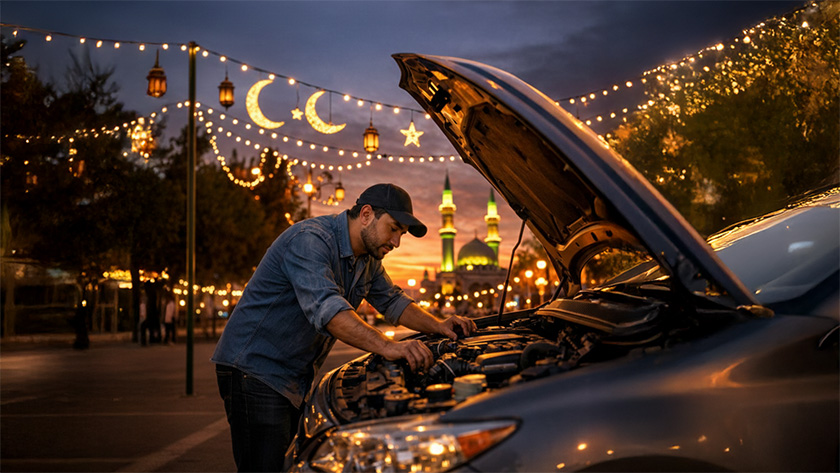
How to Prepare Your Car for Ramadan: Tips for Maintenance
Essential Vehicle Maintenance and Driving Tips for Ramadan

Ramadan is just around the corner, and with it comes a shift in routines, including how we drive and take care of our cars. Whether you’re planning longer drives to visit family, dealing with traffic changes, or just prepare your car for Ramadan, it’s crucial to get your vehicle ready for the season. From adjusting your driving habits to ensuring your car is in top condition, a little preparation goes a long way in avoiding last-minute stress.
Let’s dive into simple but effective tips to prepare your car for Ramadan, so you can focus on what really matters, your family, your fast and your faith.
Key Highlights:
-
Ramadan Driving Adjustments: Learn how the shift in timing and traffic patterns impacts your car use during Ramadan.
-
Vehicle Maintenance: Simple car care tips to ensure your vehicle stays in top condition during the holy month.
-
Practical Tips for Drivers: Insightful driving advice on how to navigate Ramadan-specific road conditions.
Understanding the Unique Driving Conditions During Ramadan
During Ramadan, driving patterns shift significantly. With fasting during daylight hours, people are more likely to drive before dawn or after sunset. In addition, road conditions change due to increased traffic at certain times of day, such as right before Iftar (the meal that breaks the fast) and after Taraweeh prayers (night prayers). These factors can affect not only driving habits but also the wear and tear on your vehicle.
Key Driving Times During Ramadan
-
Early Morning (Before Fajr Prayer): Roads are typically less crowded, making this a great time to get to work or run errands.
-
Late Afternoon (Before Iftar): Traffic builds as people rush home for Iftar, leading to congested roads and longer commutes.
-
Night (After Taraweeh): Expect heavy traffic as people leave mosques and go to late-night gatherings.
Adjusting your driving schedule to avoid peak hours can significantly improve fuel efficiency and safety.
Essential Car Maintenance Tips for Ramadan
Ensuring your car is well-maintained is crucial during Ramadan. The last thing you want is to experience car trouble, especially when roads are congested or you’re rushing to break your fast. Here are a few essential maintenance tips to keep your car running smoothly:
1. Check Your Tires
Hot temperatures and longer road trips can wear down your tires. Ensure that your tires are properly inflated and have sufficient tread depth. This is especially important for vehicles traveling long distances or used frequently during Ramadan.
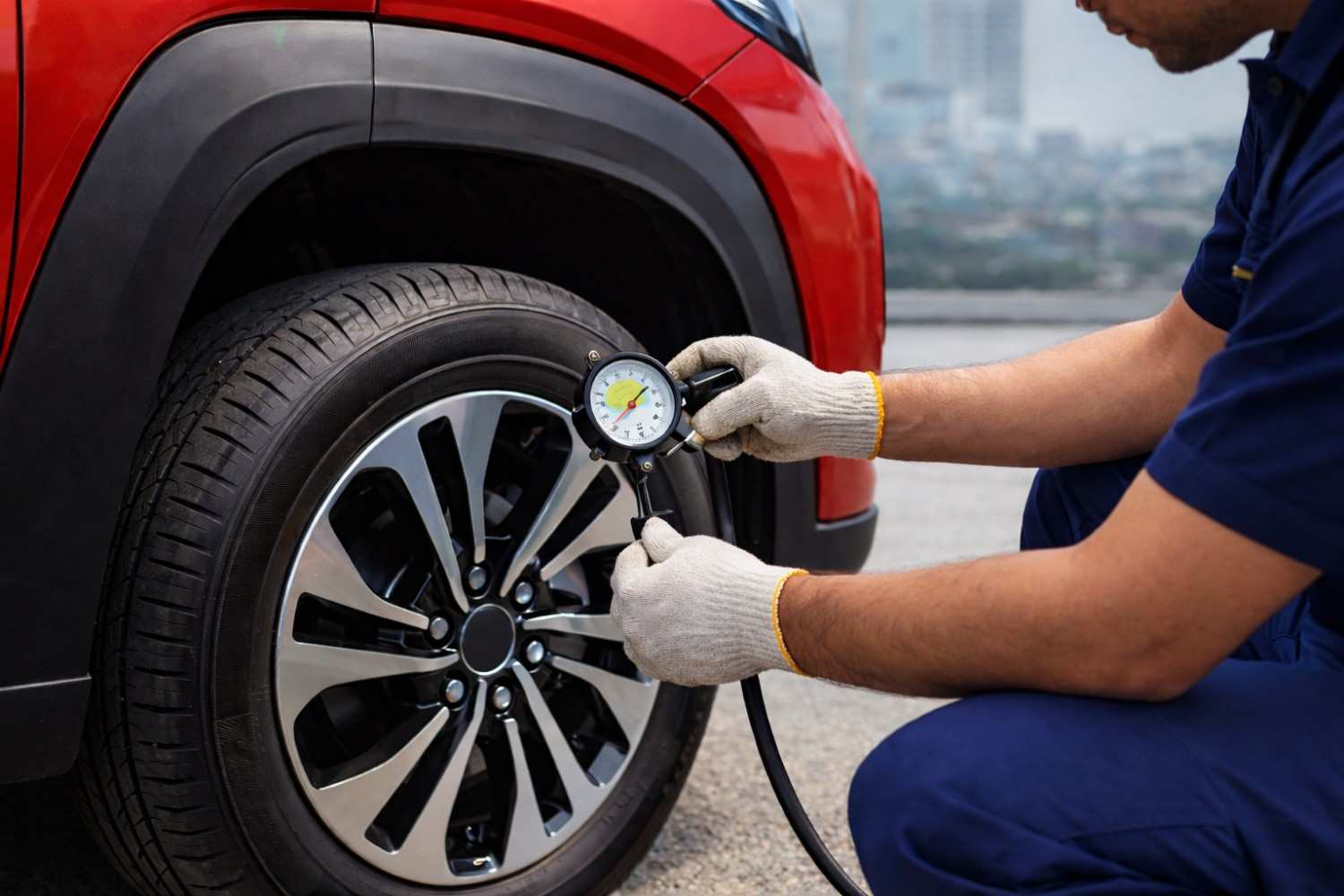
Tip: Inspect tire pressure regularly, as heat can cause tire air to expand, leading to overinflation.
2. Inspect Fluids
Your car’s engine needs proper lubrication to function smoothly. Check engine oil, brake fluid, transmission fluid and coolant levels. Having these at the correct levels will ensure that your vehicle operates efficiently throughout the month.
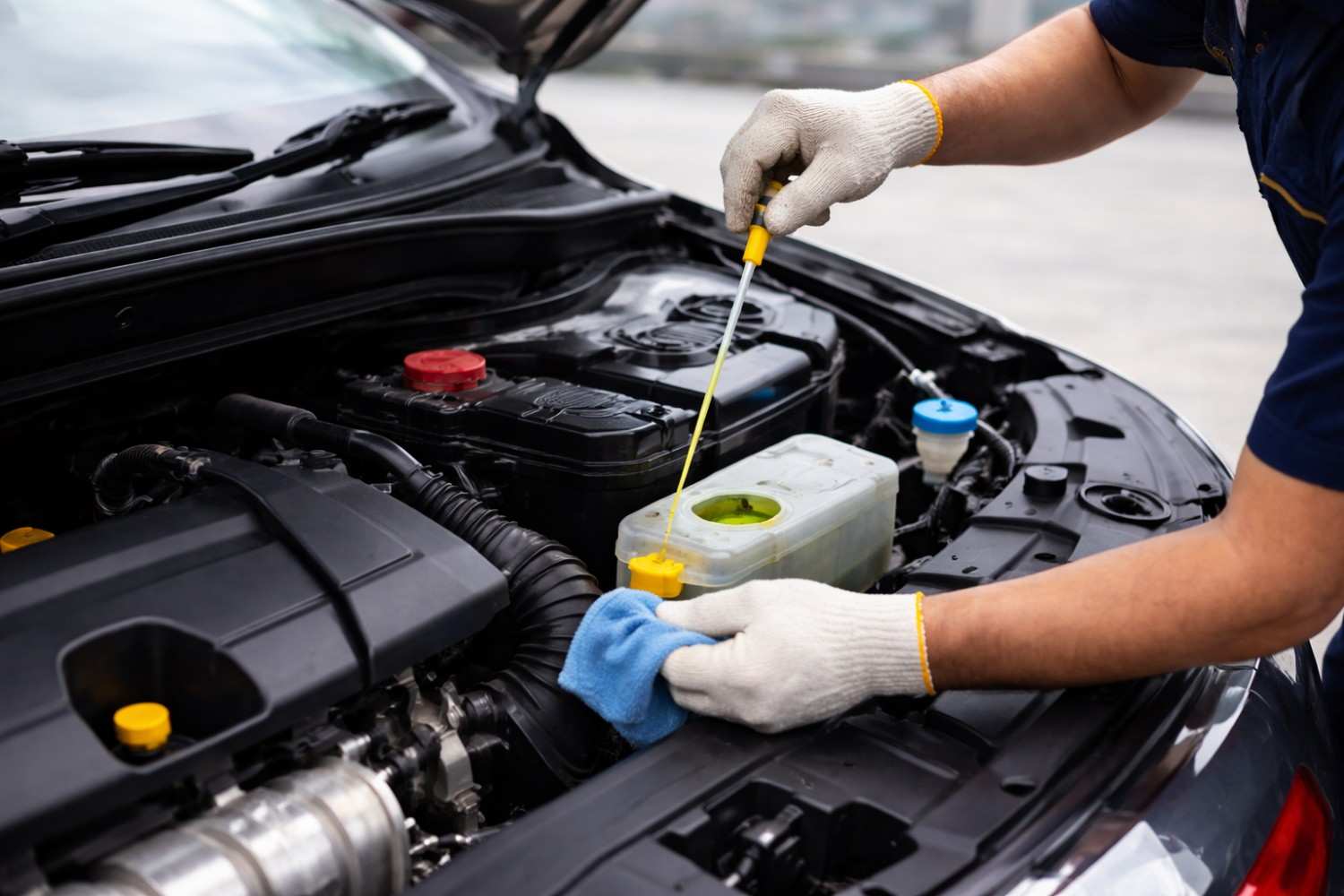
Tip: Consider switching to a high-quality synthetic oil, which is more resistant to high temperatures.
3. Air Conditioning
The heat can be overwhelming during Ramadan, so ensure your car’s air conditioning system is working efficiently. Having a reliable A/C will keep you comfortable, especially during long hours of driving in the heat.
Tip: Clean the A/C filter to ensure the system isn’t clogged and is working at full capacity.
4. Battery Check
Extreme temperatures can affect your car’s battery performance. Check the battery terminals for corrosion and ensure the battery is fully charged.
Tip: Replace any old or weak batteries before Ramadan to avoid any surprises.
Driving Tips to Navigate Ramadan Roads Safely
While maintenance ensures your car is in good condition, knowing how to handle the unique driving conditions of Ramadan is key to a safe journey. Here are some practical driving tips to keep in mind:
1. Plan Your Route and Timing
Traffic congestion before Iftar is a major issue. Plan your route and leave early if you can. Use apps like Google Maps or Waze to check traffic patterns and avoid bottlenecks.
Tip: Consider using alternate routes during peak traffic hours to save time.
2. Drive Defensively
Ramadan increases fatigue and distractions among drivers. With long days of fasting, drivers may become more impatient or less alert. Stay alert and drive defensively, anticipating sudden stops or lane changes.
Tip: Keep a safe distance from the car ahead to give yourself enough time to react.
3. Avoid Excessive Speeding
With limited daylight hours and the rush to make it to Iftar, there’s often a temptation to speed. However, speeding increases the risk of accidents. Stick to the speed limits and drive cautiously.
Tip: Avoid sudden accelerations or heavy braking to conserve fuel and maintain smoother driving.
4. Stay Hydrated
It’s easy to forget to drink water when you’re fasting, but dehydration can severely impact your reaction times and concentration behind the wheel. Always stay hydrated during non-fasting hours and ensure the cabin of your car is comfortable.
Frequently Asked Questions (FAQs)
1. How can I avoid heavy traffic before Iftar?
Avoid traveling just before Iftar. Plan your trips early in the day or after Taraweeh prayers.
2. Should I get my car checked before Ramadan?
Yes, it’s a good idea to get a pre-Ramadan check-up to avoid unexpected breakdowns and ensure your car is ready.
3. What should I do if my car overheats?
If your car overheats, pull over to a safe spot, turn off the engine, and allow it to cool down before proceeding.
Conclusion: Get Ready for Ramadan Driving
Preparing your car for Ramadan involves more than just ensuring it runs well. You’ll need to consider the unique conditions of Ramadan driving and make the necessary adjustments to avoid unnecessary stress on the roads. A combination of proper vehicle maintenance, smart driving habits, and planning can help ensure that you’re ready for the season ahead.
