
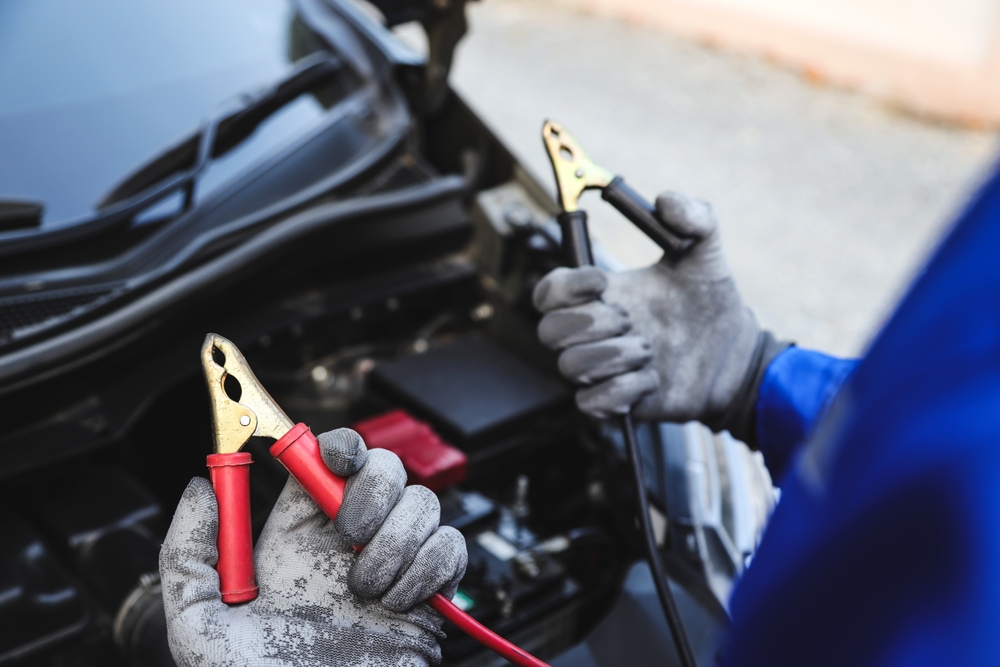
How to Jump Start a Car: A Step-by-Step Guide for Drivers
A simple guide to safely revive your car battery using jumper cables or a portable starter—perfect for beginners and seasoned drivers alike.

A dead car battery can leave even the most prepared driver stranded. Whether caused by extreme temperatures, prolonged inactivity, or accidentally leaving the headlights on, a discharged battery is one of the most common roadside issues. Knowing how to jump-start a car is not only practical but essential, especially for those who drive regularly or live in areas without immediate roadside support.
Jump-starting involves transferring electrical current from a charged battery (typically via another vehicle or a portable jump starter) to a flat battery to initiate the engine’s crank cycle. While the process may seem straightforward, incorrect cable placement or poor grounding can cause damage to sensitive electronics or result in safety hazards. This guide walks you through each step with technical accuracy to ensure a safe and successful jump start every time.
Why Do Car Batteries Die?
Before learning how to jump-start a car, it helps to understand why the battery might fail in the first place. Common reasons include:
-
Interior or headlights left on
-
Cold temperatures
-
Corroded battery terminals
-
Old or failing battery
-
Faulty charging system
Even newer vehicles are not immune to battery issues, particularly if they’re parked for long periods.
What You Need to Jump-Start a Car
To successfully use it in a car, you’ll need a few essential items:
-
A pair of jumper cables
-
A working vehicle with a good battery
-
Protective gloves (recommended)
-
A clear, safe area to park both vehicles
Alternatively, you can use a portable jump-starter, which eliminates the need for a second car.
Step-by-Step Instructions to Jump-Start a Car
Follow these steps carefully to ensure safety and success. Remember: safety first. If you’re unsure or uncomfortable, call roadside assistance.
1. Park Both Vehicles Safely
Place both cars in park or neutral and shut off the ignitions. Make sure both vehicles are close enough for the jumper cables to reach, but don’t let them touch.
2. Locate the Batteries
Open both hoods and find the batteries. You’ll see two terminals on each—positive (+) and negative (−). Clean any visible corrosion if necessary.
3. Connect the Jumper Cables
This is the most critical part of learning how to use Jumper cables. Always follow the proper cable order:
-
Red to Dead—Connect one red (positive) clamp to the dead battery’s positive terminal.
-
Red to Donor – Connect the other red clamp to the good battery’s positive terminal.
-
Black to Donor – Attach one black (negative) clamp to the good battery’s negative terminal.
-
Black to Ground – Connect the final black clamp to an unpainted metal surface on the dead car, away from the battery (such as a bolt or bracket). This reduces the risk of sparks.
4. Start the Working Vehicle
Let the donor car run for 2–3 minutes. This gives the dead battery a chance to build charge.
5. Start the Dead Vehicle
Try starting the dead car. If it turns over slowly or not at all, wait another minute and try again. Once it starts, let it run for 10–15 minutes to recharge the battery.
6. Disconnect the Cables
Remove the jumper cables in the reverse order:
-
Black from grounded metal
-
Black from good battery
-
Red from good battery
-
Red from a previously dead battery
Make sure the clamps don’t touch each other or any metal parts.
After Jump Starting: What to Do Next
After you use it, it’s essential to let the engine run for at least 15 minutes. Better yet, take the car for a drive. This allows the alternator to charge the battery more effectively.
However, if your vehicle dies again shortly after or won’t start the next day, you may need to replace the battery or have the charging system inspected. Frequent jump starts are a sign of a deeper issue.
Jump-Starting a Car With a Portable Booster Pack
If you often drive in remote areas or want to avoid relying on others, a portable jump starter is a great investment. These compact devices allow you to do it without needing a second vehicle.
The process is almost the same:
-
Connect the red clamp to the dead battery’s positive terminal.
-
Attach the black clamp to a metal ground.
-
Turn on the device and start the car.
-
Remove the clamps and recharge the pack after use.
Most jump starters also include safety features like reverse polarity protection, making them safer for beginners.
Safety Tips When Jump-Starting a Car
Jump-starting is safe if done correctly, but it’s not without risks. Keep these precautions in mind:
-
Don’t let clamps touch each other while connected.
-
Avoid smoking or using open flames near the battery.
-
Wear gloves and safety glasses if available.
-
Never jump-start a leaking or cracked battery—it could explode.
If your battery is swollen, corroded, or visibly damaged, don’t attempt to use it. Instead, call a professional.
Final Thoughts
Knowing how to jump-start a car is an essential skill for any driver. Whether you’re facing a dead battery at home or on the road, having the confidence to handle the situation can make all the difference. With the right tools, careful steps, and a basic understanding of how your car works, you’ll be back on the road in no time.
If your car battery dies frequently, consider getting it tested or replaced by a trusted mechanic. And remember—prevention is key. Turn off lights when exiting, schedule regular battery checks, and always keep jumper cables or a booster pack in your trunk.
To explore more informative articles, visit ArabWheels and stay updated on everything related to cars.
