


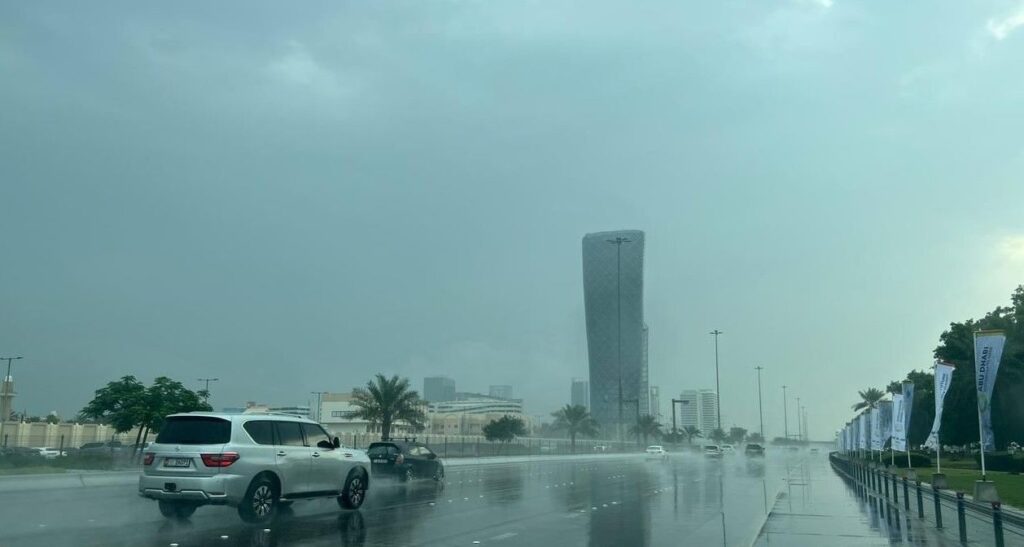
Rain in the UAE always catches people off guard. One moment, the road is dry and dusty; the next, it’s glossy, slippery, and filled with spray. Driving safely in the UAE rain requires understanding how quickly conditions can change, especially during the first 20–30 minutes, when oil and dust rise to the surface, drastically reducing grip.
Add sudden water pooling on highways, sharply reduced visibility, and drivers who aren’t used to wet-road behavior, and even a short rain shower can create dangerous driving conditions.
The good news? Driving safely in the UAE rain doesn’t require special skills; it just requires proper habits, smoother inputs, and a calmer, more patient approach.
Key Insight
1. UAE roads become most dangerous in the first 20–30 minutes of rain due to oil, dust buildup, and sudden water pooling.
2. Slowing down smoothly, increasing following distance, and avoiding sudden moves greatly reduces the risk of skidding and collisions.
3. Hydroplaning can affect any vehicle, and knowing how to react, ease off the accelerator, and steer steadily is critical.
4. Proper preparation matters, from healthy tires and working wipers to using headlights correctly and staying calm behind the wheel.
What does this mean for everyday drivers?
If you commute daily or drive on highways like Sheikh Zayed Road or E311, even light rain can change how your car behaves. Adjusting early, before traffic slows, can prevent sudden braking, rear-end collisions, and panic reactions. The drivers who stay safest aren’t the most confident; they’re the ones who adapt first.
Why the UAE rain feels more dangerous than it looks
In many countries, rain is frequent, so roads get “washed” regularly, and drivers build habits for wet weather. In the UAE, rain is less frequent, which means:
-
Road grime and oil buildup can reduce grip dramatically when it first rains
-
Visibility drops sharply due to spray from high-speed traffic
-
Pooling happens quickly because rain can be heavy, short, and localized
-
Drivers react unpredictably, hard braking, sudden lane changes, and tailgating are common
The good news is that, with the proper routine, rainy driving becomes manageable.
Best practices for driving in the UAE rain
1) Slow down, smoothly
Wet-road stopping distance increases. The goal isn’t to crawl; it’s to drive at a speed that lets you brake gently. Sudden braking is what causes skids, especially on the first rainy hour.
Pro tip: If you feel your ABS activating often, you’re probably going too fast for conditions.
2) Increase the following distance (more than you think)
On wet roads, keep at least a 4–6 second gap, and more if visibility is poor. Tailgating is risky in dry weather; in rain, it’s a collision waiting to happen.
3) Use the right lights (not hazard lights)
-
Turn on low-beam headlights so others can see you through the spray
-
Avoid high beams; they reflect off rain and reduce visibility
-
Don’t drive with hazard lights unless you’re stopped or forced to move extremely slowly due to a breakdown/emergency; hazards confuse drivers about your movement
4) Watch for “mirror rain”: water you can’t see clearly
UAE highways can look fine until you hit a shallow pond at speed. That’s where hydroplaning starts.
Scan for clues:
-
darker patches ahead
-
cars in front creating bigger-than-usual spray
-
water gathering near lane markings and underpasses
5) If your car hydroplanes, do THIS
Hydroplaning feels like the steering goes light and the car “floats.”
-
Don’t brake hard
-
Ease off the accelerator
-
Hold steering steady (don’t jerk the wheel)
-
Once tires regain grip, gently correct course
This is one of the most critical skills for sudden pooling.


6) Avoid cruise control in the rain
Cruise control can delay your reaction and worsen traction loss when tires hit water. Keep full control of throttle input.
7) Plan smarter routes during heavy rain
If it’s raining heavily, avoid low-lying roads, dips, and underpasses when possible. “Shortcuts” can quickly become water traps.
What NOT to do while driving in the UAE rain
-
Don’t tailgate (even “just for a moment”)
-
Don’t change lanes aggressively: painted lines can be slippery
-
Don’t brake mid-turn: slow before the curve, then steer smoothly
-
Don’t splash through standing water: you can lose control or damage your car
-
Don’t assume SUVs are immune: hydroplaning affects all vehicles
-
Don’t drive with worn tires; they are the #1 reason cars lose grip in rain
-
Don’t follow trucks too closely: spray can erase your visibility instantly
5 essential products to keep in your vehicle for UAE rain
These aren’t “nice to have.” They’re the difference between safe and stressed.
1) Quality wiper blades and windshield washer fluid
Old blades smear dust into foggy streaks. Replace blades regularly and keep washer fluid topped up for sudden grime.
2) Anti-fog spray (or wipes) for windows
When humidity rises, your windshield can fog quickly, especially with multiple passengers. Anti-fog products help maintain visibility without constantly blasting the AC.
3) Portable tire inflator and tire pressure gauge
Rain safety starts with tires. Correct pressure improves contact with the road and reduces the risk of hydroplaning. An inflator is also a lifesaver after temperature shifts.
4) Reflective warning triangle and flashlight
If you must stop on a shoulder in heavy rain, visibility for others is poor. A triangle and a flashlight make you easier to spot and help you stay safe while waiting.
5) Microfiber cloth and a small squeegee
Quickly clear interior condensation and wipe mirrors. It sounds simple, but clear mirrors matter when lane changes are risky.
Bonus (smart upgrade): A compact phone mount so your navigation stays visible without distraction.
Quick “before you drive” rain checklist
-
Tires: tread looks healthy, pressure okay
-
Wipers: no smearing, washer fluid available
-
Lights: low-beam on
-
Speed: reduced to match visibility
-
Distance: 4–6 seconds minimum
-
Mindset: calm, patient, no sudden moves
Final Thoughts: Rain driving in the UAE is about patience, not confidence
Most rain-related accidents happen because drivers stick to dry-road habits until the road suddenly proves them wrong. Driving safely in the UAE rain, it’s essential to adjust early rather than rely on confidence built in dry conditions.
When it rains, slow down a little more than feels necessary, increase your following distance, and avoid sudden moves. Smooth steering, gentle braking, and constant awareness of standing water matter far more than quick reactions behind the wheel.
Rain in the UAE may be rare, but it doesn’t have to be dangerous. The drivers who arrive safely are the ones who stay calm, adapt early, and respect changing road conditions.
For more practical driving tips, car safety guides, and UAE road insights, visit the ArabWheels Blog.
Drive smart. Stay prepared. And don’t let rare weather catch you off guard.