
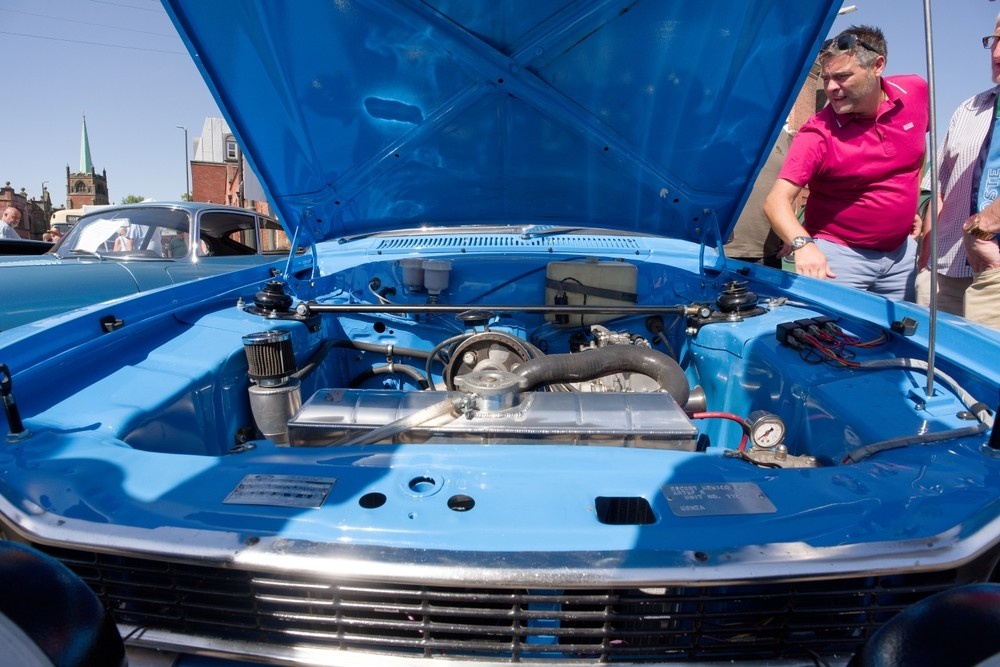
How to Check Engine Coolant Level Without Opening Radiator
A Step-by-Step Guide to Safely Checking Your Car’s Coolant Without Opening the Radiator

If you’re a car owner, you’ve probably heard countless times about the importance of engine coolant in keeping your vehicle running smoothly. It’s the unsung hero that prevents your engine from overheating and ensures it stays cool under pressure. But here’s the question: how can you check the engine coolant level without opening the radiator?
It might sound tricky, but it’s actually easier than you think. In this guide, we’ll walk you through the simple steps, tools, and benefits of checking your engine coolant level without removing the radiator cap. By following this approach, you’ll avoid potential messes, protect your engine, and keep your car in top condition for the long haul.
Key Takeaways

1. Engine coolant is crucial for preventing overheating and ensuring your car’s engine runs smoothly.
2. Check coolant levels through the reservoir (without opening the radiator cap) for a safe, easy method.
3. Regularly monitor coolant levels, especially during extreme weather, to prevent overheating and engine
   damage.
4. Topping off coolant is safe if done with the correct type and ratio, but leaks or contamination may
   require professional inspection.
What Is Engine Coolant?
Engine coolant, also known as antifreeze, is a vital fluid that circulates through your car’s engine to keep it at the right temperature. As your engine operates, it generates heat from combustion, and the coolant absorbs and dissipates it to prevent overheating. Without sufficient coolant, your engine could overheat, leading to damage or failure. Keeping your coolant at the proper level is essential for maintaining your car’s performance and longevity.
Why Check Coolant Levels Without Opening the Radiator?
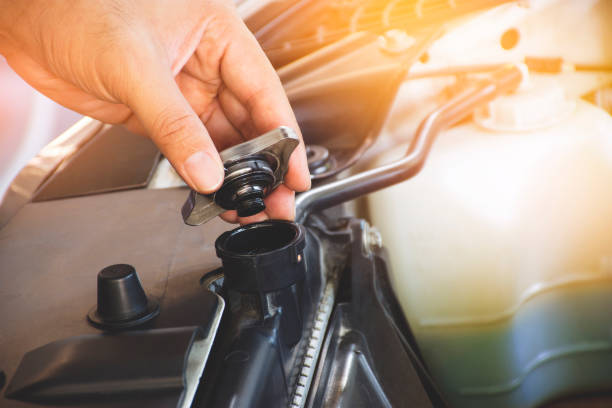
Checking your engine coolant level without opening the radiator cap is a safe, innovative approach. Using the coolant reservoir helps prevent contact with hot coolant, which can be dangerous and cause burns. This method is also less intrusive, meaning you don’t disturb the radiator cap’s delicate seals, which can sometimes wear out or become damaged over time. Additionally, by checking the reservoir, you can spot any issues with the coolant level early on, preventing overheating and potential engine damage before it becomes a bigger problem.
Step-by-Step Guide to Checking Engine Coolant Without Opening the Radiator
1. Locate the Coolant Reservoir
The coolant reservoir, also known as the overflow tank, is where you can safely check the coolant level. This plastic tank is typically located near the radiator. It’s usually translucent, making the coolant level easy to see. Check your car’s user manual for the exact location.
Tip: The coolant reservoir will have “min” and “max” markings, indicating the minimum and maximum levels
the coolant should be at when the engine is cold.
2. Ensure the Engine Is Cool
Never check the coolant level while the engine is hot. The coolant system is pressurized, and opening it while it is hot can cause severe burns. Always allow the engine to cool completely before checking the coolant.
3. Inspect the Coolant Level in the Reservoir
With the engine cool, look at the coolant reservoir. If the level is between the “min” and “max” lines, the coolant level is normal. If it’s below the minimum line, it’s time to add more coolant.
Tip: If the coolant appears dirty or muddy, it may be time for a coolant flush and replacement.
4. Check for Leaks or Cracks
Inspect the coolant reservoir for visible cracks or leaks. A leak in the system can cause coolant loss and lead to overheating. If you see any damage, it’s best to replace the reservoir or have it inspected by a professional.
5. Add Coolant if Necessary
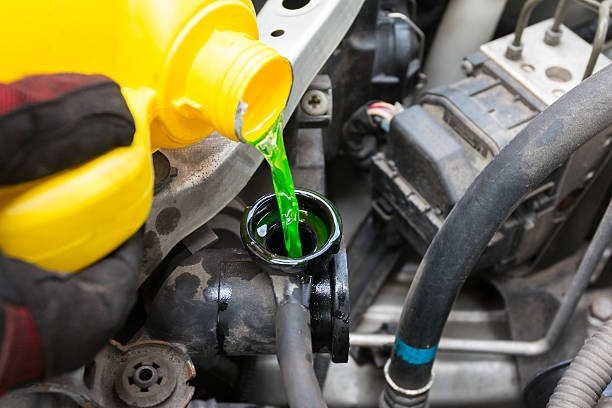
If the coolant level is low, you can top it off with the appropriate coolant for your vehicle. Be sure to use a mixture of antifreeze and distilled water at the specified manufacturer’s ratio.
Tip: Always choose the right type of coolant for your car, as mixing different coolant types can cause
chemical reactions that damage the cooling system.
6. Check for Correct Coolant Ratio
If you’re adding coolant, ensure you use the correct coolant-to-water ratio. This mixture is essential to prevent freezing in cold weather and boiling in hot weather.
7. Monitor the Coolant Level Regularly
Regularly monitoring the coolant level will help catch issues early. It’s recommended to check the level at least once a month, especially during extreme weather conditions, as these can affect coolant performance.
What Does This Mean for You as a Driver?
As a driver, checking your engine coolant levels without opening the radiator is an easy, safe way to prevent engine overheating. Overheating can cause severe engine damage, resulting in thousands of dollars in repairs. Regularly checking the coolant level and addressing any issues promptly can extend your vehicle’s life and reduce the risk of breakdowns.
If you notice the coolant level is frequently low, or the coolant appears contaminated, it could indicate a leak in the system or that it’s time for a coolant flush. Ignoring these signs could lead to costly repairs down the road.
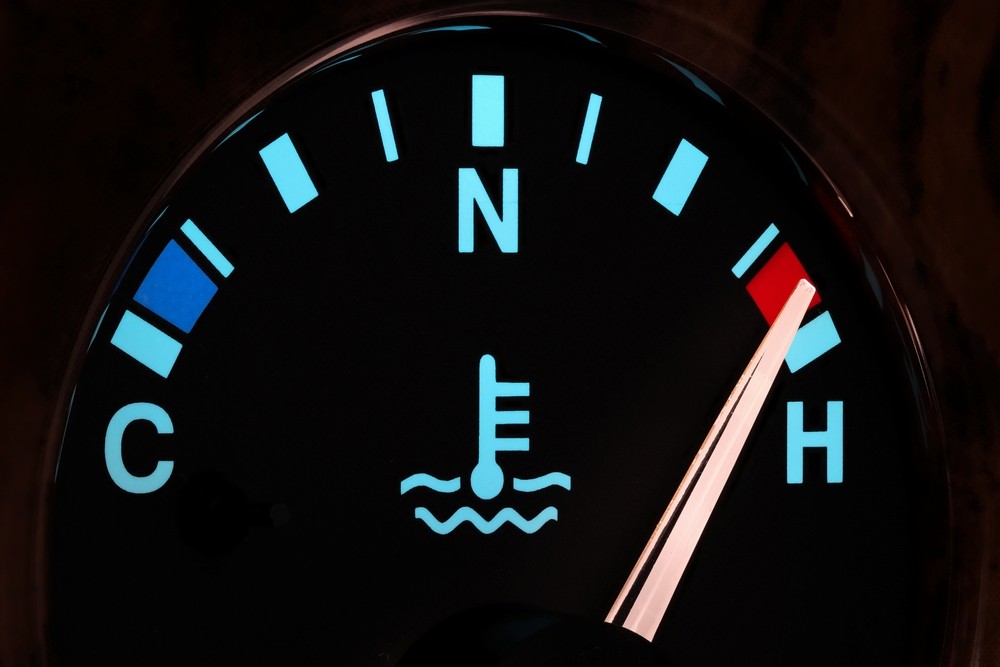
What to Do if Your Coolant Is Low
If your coolant levels are consistently low, here are some potential causes:
-
Leaks in the coolant system: Cracks in hoses, radiators, or the reservoir can cause coolant to leak.
-
Faulty radiator cap: A malfunctioning radiator cap can lead to pressure loss and coolant leakage.
-
Worn-out water pump: The water pump circulates coolant through the engine, and a malfunctioning pump can cause the system to lose coolant.
If you’re unsure how to troubleshoot these issues, it’s best to consult a professional mechanic.
Frequently Asked Questions(FAQs)
1. Can I check the coolant level without removing the radiator cap?
Yes, you can check the coolant level in the reservoir, which eliminates the need to remove the radiator cap.
2. How often should I check my coolant level?
It’s recommended to check the coolant level at least once a month or more often during extreme weather conditions.
3. What should I do if I notice coolant leaking?
If you notice coolant leaking, address the issue immediately. Leaks can lead to engine overheating and damage. Consider taking your vehicle to a mechanic for a proper inspection.
4. Is it safe to top off the coolant myself?
Yes, topping off the coolant is safe as long as you use the correct coolant type and follow the manufacturer’s instructions.
Conclusion
In the end, checking your engine coolant level without opening the radiator isn’t just a quick task; it’s a small habit that can make a huge difference in your car’s health. Think of it as giving your vehicle a little check-up, just like you would check in on your health regularly. By keeping your coolant at the right level, you’re preventing overheating and avoiding costly repairs down the road. It’s a simple step that can save you from the stress of unexpected breakdowns.
Next time you pop the hood, take a moment to glance at the coolant reservoir. It only takes a few seconds, but it can keep your engine running smoothly for years. It’s a small effort with big rewards, and it gives you peace of mind every time you hit the road.
Want to learn more about keeping your car in top shape? Check out the ArabWheels Blog for more expert car care tips, maintenance advice, and the latest news in the automotive world.
