
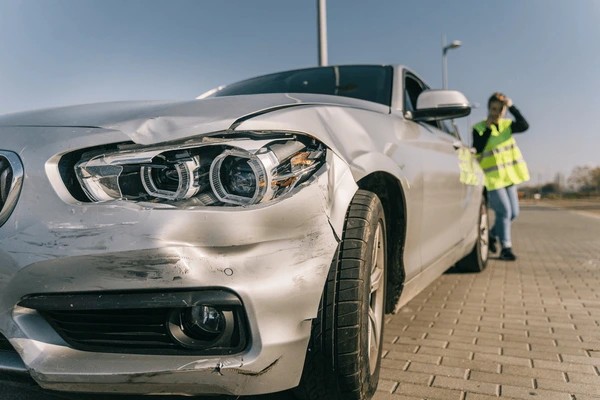
How to Check a Car’s Accident History in Dubai
A Step-by-Step Guide for Expats to Verify Vehicle Records and Avoid Fraud in Dubai

Buying a used car in the UAE can feel overwhelming, especially for new expats unfamiliar with local rules. The most important step before finalizing any purchase is to check whether the vehicle has ever been in an accident. Thankfully, RTA in Dubai makes this process simple, transparent and online. If you’re planning to apply for financing or just want to avoid fraud, understanding how to check a car’s accident history in Dubai will save you money, stress, and future repair issues.

Why Accident History Matters for Expats
For many expats living in Dubai, buying a car isn’t just about getting around; it’s also an important financial decision. Knowing a vehicle’s accident history can make all the difference because it affects several key factors:
-
Financing approval: Most banks and lenders prefer cars with a clean record before granting a loan.
-
Insurance premiums: Cars that have been in accidents often cost more to insure.
-
Resale value: Vehicles with past damage often lose value much faster in the market.
-
Fraud protection: Some sellers try to hide accident details, but official checks protect buyers from such risks.
That’s why checking a car’s history isn’t optional; it’s a step every expat should take before signing a deal.
Step-by-Step: How to Check a Car’s Accident History in Dubai
Now that you understand why accident history matters, let’s walk through the exact steps you need to follow to check it in Dubai.
1. Gather the Vehicle Details
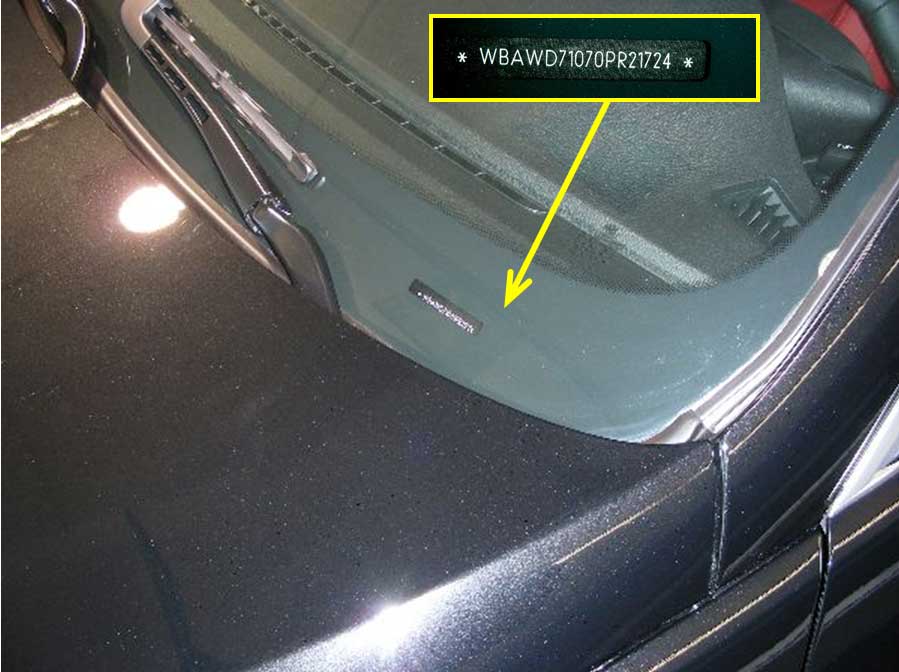
First, you’ll need the Vehicle Identification Number (VIN) or chassis number. This unique code can be found on the registration card (Mulkiya), inside the engine bay, or even at the corner of the windshield. Keep it ready; you’ll use it to generate the report.
2. Visit the Official RTA Portal
Next, head to the Road & Transport Authority (RTA) Dubai website or download the Dubai Drive app. Both options are easy to use and designed for residents and expats. These platforms allow you to enter the VIN and instantly pull up any accident records linked to the car.
3. Enter the VIN and Request the Report
Once you’re on the service page:
-
Select “Vehicle Accident Inquiry.”
-
Type in the chassis number.
-
Pay a small fee if required.
-
Download the official report directly to your device.
4. Review the Accident and Repair Records
The report will show you whether the car has been in any accidents in Dubai. It usually highlights:
-
The type of accident (minor, moderate, or severe)
-
The exact date it happened
-
Repairs carried out and approvals from authorized workshops
This gives you a clear idea of the car’s condition beyond what the seller tells you.
5. Cross-Check with Other Authorities
For extra peace of mind, don’t stop with the RTA report. You can also check:
-
Emirates Vehicle Gate (EVG): Covers records in Abu Dhabi and federal databases.
-
Ministry of Interior (MOI) portal: Provides accident history across all Emirates.
By cross-checking, you’ll make sure you’re not missing accident records from outside Dubai.
Financing and Legal Considerations
When applying for car financing in Dubai, banks and lenders usually require an accident history report before approving the loan. It’s a way for them to make sure the vehicle is in good condition and worth financing. Expats should always check with their bank which reports are required, as cars with severe damage may not qualify for a loan at all.
Keeping a copy of the report is also essential for legal protection. If any disputes arise after purchase, you’ll have documented proof of the car’s history.
The good news is that both Dubai and Abu Dhabi banks offer loans for used cars, so buyers don’t need to pay the full amount up front. To apply, you’ll typically need:
-
A valid Emirates ID
-
A UAE driving license
-
Proof of income
-
Basic car details
Most banks ask for a small down payment (around 20%) and provide repayment plans that can stretch up to five years. Since interest rates differ from one bank to another, it’s always wise to compare offers before finalizing your decision. Doing this can save you money in the long run, whether you’re buying a family SUV or a budget-friendly sedan.

Protecting Yourself from Fraud
Used car scams are not uncommon. Sellers may repair and repaint vehicles to hide previous damage. Here are quick tips:
-
Always demand the official accident history report.
-
Compare the report with inspection results from a trusted workshop.
-
Avoid cash-only deals without paperwork.
-
Use RTA-approved dealers for higher security.
By following these checks, expats can avoid overpriced cars and unnecessary financial losses.
Quick Comparison: Dealer vs. Private Seller Accident Checks
| Factor | Dealer | Private Seller |
|---|---|---|
| Accident report availability | Usually provided | Must be requested |
| Financing options | Easier with banks | More difficult |
| Fraud risk | Lower | Higher |
| Price flexibility | Limited | More negotiable |
Frequently Asked Questions
1. Can I check a car’s history without a VIN?
No, the VIN or chassis number is required to generate the report.
2. Is the accident report free in Dubai?
Some checks are free, but detailed reports may have a small fee.
3. Can I use the accident history for resale later?
Yes, keeping the report helps prove transparency when you sell the car in the UAE.
4. Does the RTA report cover all Emirates?
No, for nationwide history, check EVG or MOI portals.
Final Thoughts
Knowing how to check a car’s accident history in Dubai gives expats peace of mind, protects against fraud, and ensures smoother financing. Always request the official report through the RTA portal or the Dubai Drive app before signing a deal. Whether buying from a dealer or a private seller, this small step can prevent costly mistakes and safeguard your investment in the UAE.
For more expert tips and articles on buying, selling, and owning cars in the UAE, visit the ArabWheels Blog.
