
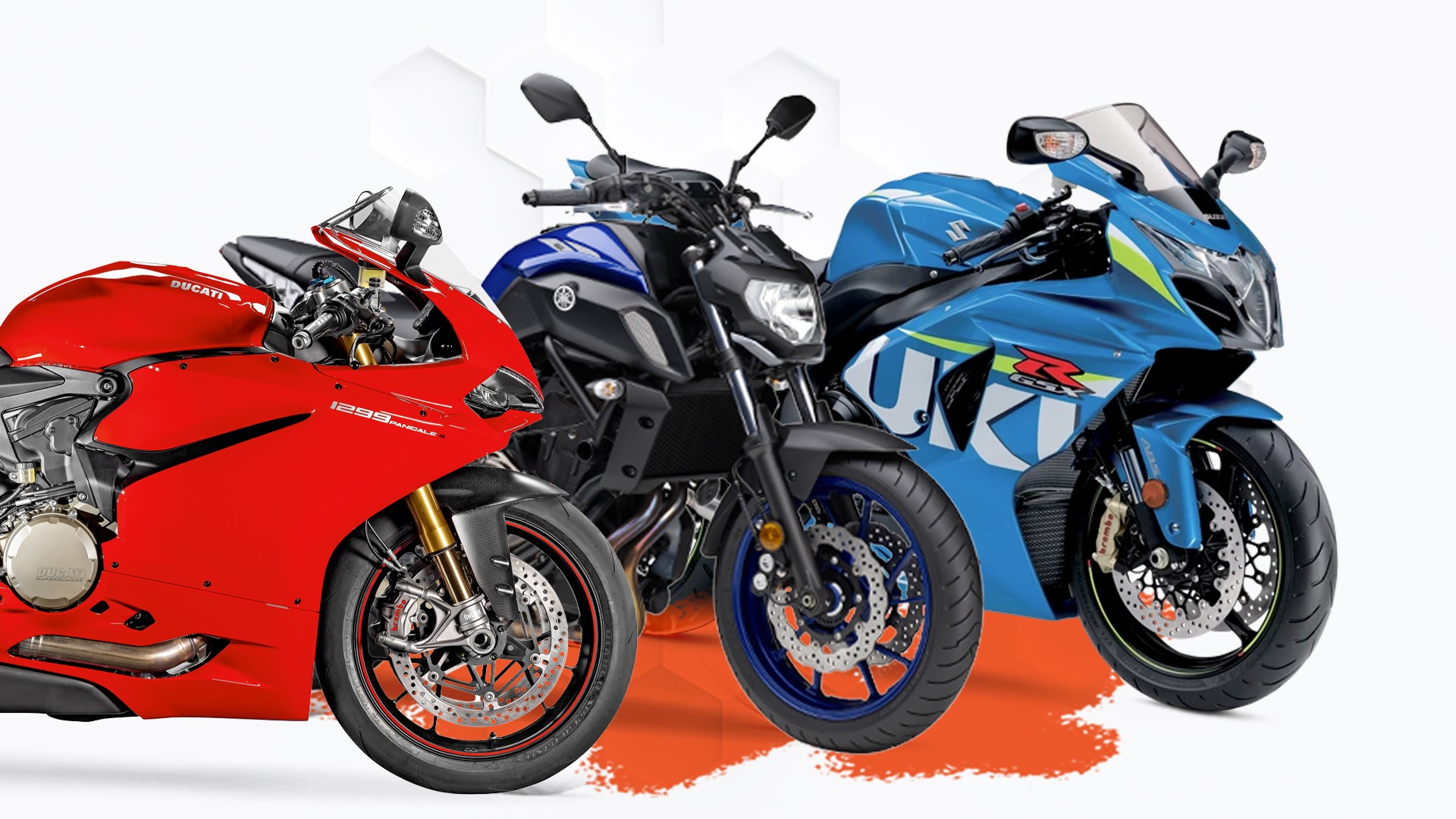
How to Buy a Used Motorbike in the UAE
A step-by-step guide to safely buying a used motorbike in the UAE, from inspection to RTA transfer and final ownership.

UAE, renowned for its automotive industry, has also gained popularity in the motorbike market over the years. Motorbikes are now also a common sight on the streets of Dubai. It is not only cool to get a bike but also affordable for everyday riding. Buying a used motorbike in the UAE is an excellent deal for individuals on a tight budget looking for an easy daily commute.
However, buying a used bike can be challenging for first-time buyers. Therefore, let’s dive into this complete guide with tips and procedures for purchasing a used motorbike.
Key Highlights

1. Clear, step-by-step process to buy a used motorbike in the UAE without legal or mechanical surprises.
2. Practical budget guidance; how to choose the right bike for daily commute, delivery, or off-road use.
3. Detailed pre-purchase inspection checklist (engine, exhaust, service history, chassis, electronics).
4. Document and RTA transfer requirements explained in simple language.
Things to Consider When Buying a Used Motorbike
The following are considerations when buying a used bike in the UAE.
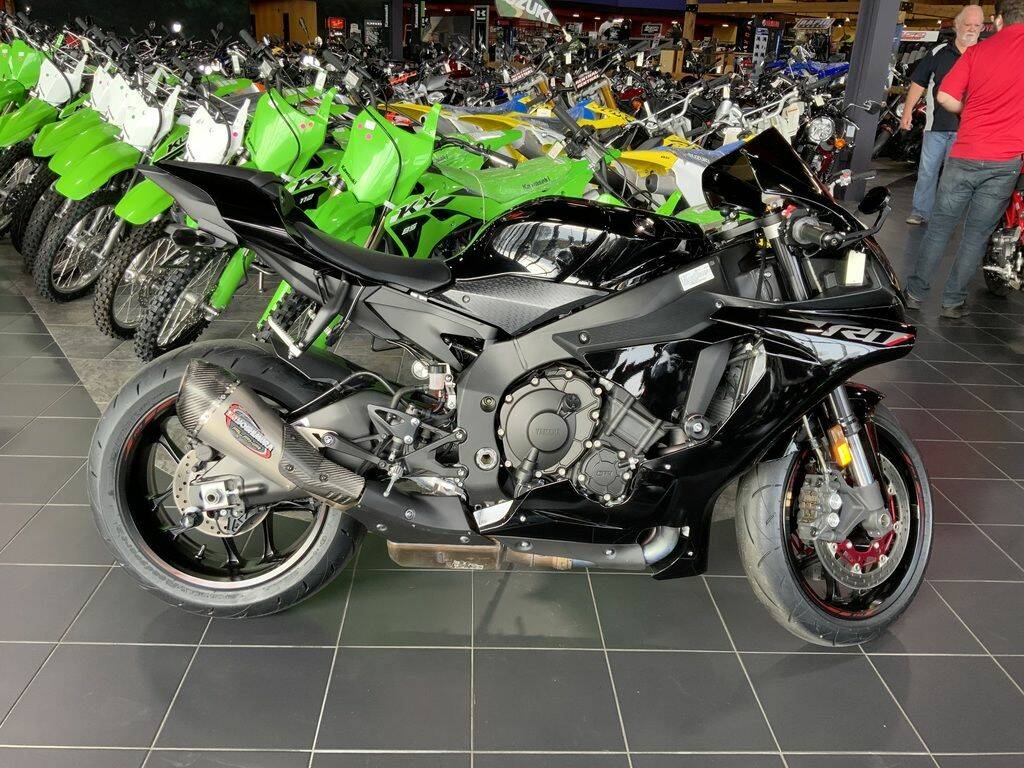
1. Define Your Riding Needs and Budget
Before you look at any listings, be very clear about why you need the bike. This decision shapes everything else.
Match the bike to your purpose.
-
Daily city commute: lightweight commuter bikes with good fuel economy, easy handling, and simple maintenance.
-
Delivery work: durable models with reliable engines and low running costs.
-
Weekend or desert fun: quads and dirt bikes with firmer suspension and off-road tyres.
Set a realistic budget
Include more than just the purchase price:
-
Purchase amount
-
RTA transfer fee and testing fee
-
Insurance premium
-
First service / minor repairs (tyres, oil, battery, brake pads)
Try to avoid very old models bought “just because they are cheap”. A low upfront cost can become expensive if the bike needs engine work, tyres, or electrical repairs shortly after purchase.
2. Shortlist Bikes and Check the Background
Once your budget and segment are clear, begin shortlisting bikes through:
-
Classified sites and online marketplaces
-
Certified pre-owned showrooms
-
Dealer networks and word-of-mouth
Key background checks
Before you go for a viewing, ask the seller:
-
Model year and mileage
-
Accident or significant repair history
-
Service history (stamps, invoices, or digital records)
-
Number of previous owners
If possible, compare the information you receive with any available records or invoices. Inconsistent answers are a red flag.
3. Technical Inspection Checklist for Used Motorbikes
This step is where you protect yourself from future headaches. Even if you are not a mechanic, you can perform basic checks or bring a trusted technician with you.
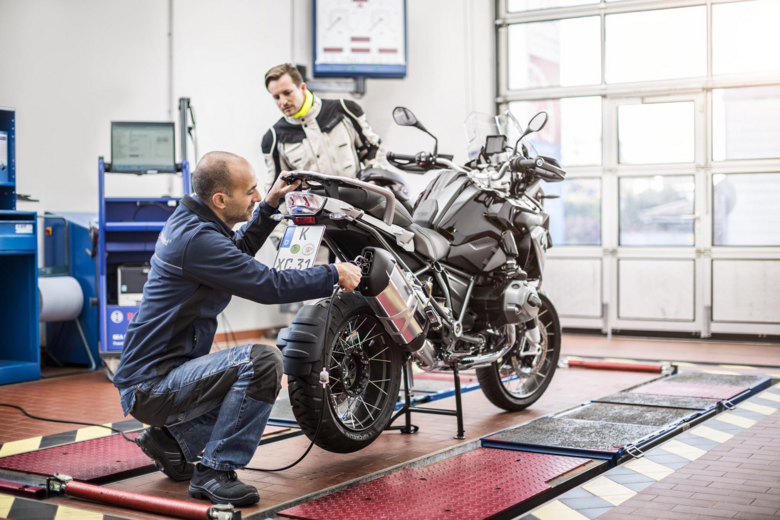
Visual and mechanical checks
Use this simple table as a quick reference:
| Area | What to Check |
|---|---|
| Engine | Cold start, idle stability, unusual noise, oil leaks |
| Exhaust | Excessive smoke, unusual smell, loud knocking sounds |
| Frame & Chassis | Any bends, cracks, weld marks, or rust on the frame |
| Suspension | Smooth travel, no oil leaks, no harsh knocking |
| Brakes | Disc condition, pad thickness, straight braking |
| Tyres | Tread depth, even wear, no cracks or bulges |
| Electricals | Headlights, indicators, horn, brake lights, and dash display |
Why the engine should be cold
Ask the seller not to start the bike before you arrive. A cold start tells you the truth about:
-
How easily the bike starts
-
Whether the engine knocks, misfires, or smokes
-
If there are hidden starting issues, the seller tried to mask them
Consider a professional inspection
If you are unsure, have the motorbike inspected by an authorised workshop or reputable dealer. They can:
-
Scan for fault codes (if fuel-injected)
-
Check compression and leaks
-
Estimate upcoming maintenance costs
This small cost can save you from a major engine rebuild later.
4. Take a Proper Test Ride
Never buy without a test ride. This is where you feel how the bike actually behaves on the road.
During the ride, pay attention to:
-
Throttle response: smooth acceleration with no hesitation.
-
Gear shifts: no crunching, slipping, or delay.
-
Handling: the bike tracks straight; no pulling to one side.
-
Braking: progressive, controlled stops without vibration.
-
Noise & vibration: any abnormal sounds at specific speeds.
Bring a friend if you can. A second pair of eyes and ears often catches things you miss when you’re excited about the motorcycle.
5. Documentation You Must Prepare
To complete the purchase and RTA transfer, you typically need:
-
Valid motorcycle driving licence
-
Emirates ID
-
Resident visa (on your ID or in your passport)
From the seller, ensure you get:
-
Original registration card (mulkiya)
-
Valid insurance (or you arrange your own new policy)
-
Any supporting service records and receipts
Before signing or paying, double-check that the chassis and engine numbers on the bike match those on the registration card.
For official rules and the latest requirements, always review the Road & Transport Authority (RTA)
guidelines on their official site.
6. Safe Payment and Negotiation
Once you are happy with the bike, it is time to close the deal.
Safer payment practices
-
Prefer bank transfer or a secure digital method.
-
Avoid carrying large amounts of cash.
-
Always take a receipt mentioning:
-
Buyer and seller names
-
Bike details (make, model, year, chassis number)
-
Final agreed price
-
Date and signature of both parties
-
Negotiation tips
-
Use your inspection findings (tyres, brakes, upcoming service) as logical negotiation points.
-
Stay polite and realistic; aim for a fair price for both sides, not just the lowest number.
7. Transfer Ownership at RTA
The RTA transfer is the final and most critical legal step when you buy a used motorbike in the UAE.
Typical steps include:
-
Buyer and seller visit an RTA-approved testing centre together.
-
The bike passes a technical inspection (if required at the time of transfer).
-
Seller clears any outstanding fines or Salik linked to the vehicle.
-
RTA processes the ownership transfer to your name.
-
You receive a new registration card and updated plate sticker (if applicable).
Always confirm fees, required documents, and latest procedures directly with the Road & Transport Authority (RTA) before you go, as rules and charges may change over time.
8. What This Means for You as a Rider
From a rider’s point of view, this process is not just paperwork. It means:
-
You get a legally registered motorbike in your own name.
-
You know the actual condition of the machine you depend on every day.
-
You avoid surprise costs from hidden damage or overdue maintenance.
-
You can ride with confidence, knowing your bike is safe and compliant.
In short, following a structured checklist turns a risky purchase into a wise investment.
9. First Service After Purchase
Even if the bike seems perfect, schedule a quick service right after you buy a used motorbike in the UAE:
-
Engine oil and filter
-
Chain cleaning and adjustment
-
Brake check and fluid top-up
-
Tyre pressure and general safety check
This baseline service provides a fresh starting point for your maintenance history.
FAQs on Buying a Used Motorbike in the UAE
Q1. Do I need a UAE motorbike licence before buying?
Yes, you should hold a valid UAE motorbike licence to register the bike in your name and ride legally.
Q2. Can I transfer ownership without the seller present?
Generally, both buyer and seller should be present at the RTA centre, or the absent party must provide an authorised representative with a valid power of attorney.
Q3. Is insurance required before transfer?
Yes, the bike must be insured in your name (or updated to you) to complete registration and legally ride on public roads.
Q4. How often should I service a used bike after buying it?
As a general rule, follow the manufacturer’s schedule. Many riders in the UAE service every 3,000–5,000 km, depending on usage and conditions.
Conclusion
Buying a used motorbike in the UAE is not only about finding a good-looking bike; it’s about making a safe, legal, and financially wise decision. When you follow a straightforward process, checking the bike’s condition, verifying the documents, completing RTA transfer, and planning your first service, you reduce risk and give yourself peace of mind every time you ride.
If you’re serious about getting your next two-wheeler, don’t leave it to guesswork. Use this guide as your checklist, ask the right questions, and always prioritise safety and reliability over a quick deal. That way, your new ride becomes an asset, not a headache.
For more expert tips, ownership guides, and buyer checklists, visit arabwheels and the arabwheels Blog.
Your next ride could be your most intelligent decision this year. Start with the correct information on arabwheels, then gear up and go
