
How Ramadan Heat Damages Your Car and Top Protection Tips
How to Protect Your Car from the Scorching Heat of Ramadan in Dubai and UAE

As temperatures rise during Ramadan, especially in places like Dubai and the UAE, it’s crucial to understand how Ramadan heat damages your car. The extreme heat can significantly affect multiple systems in your vehicle, from the battery to the tires and interior materials. Here’s what you need to know about the risks.
While we often focus on staying hydrated and protecting ourselves from the sun during the holy month, your car also bears the brunt of the soaring temperatures. If you’ve ever parked your car all day in the intense Ramadan heat, you might be wondering what actually happens inside your vehicle.
In this blog, we’ll explore the real dangers of leaving your car parked in extreme heat, how it impacts your car’s systems, and what you can do to protect your vehicle during Ramadan.
Key Highlights: What You Need to Know
-
The temperature inside your car can rise rapidly during Ramadan’s extreme heat, potentially causing damage.
-
Car components like the battery, tires, and interior materials are highly susceptible to heat damage.
-
Practical tips on how to protect your car and prevent overheating, ensuring it stays in top condition during the summer months.
-
Ramadan heat in Dubai and other UAE cities can cause the inside of a car to reach temperatures exceeding 70°C (158°F).
-
Proper parking and the use of sunshades can help mitigate the risks.
What Happens Inside a Car During Extreme Heat?
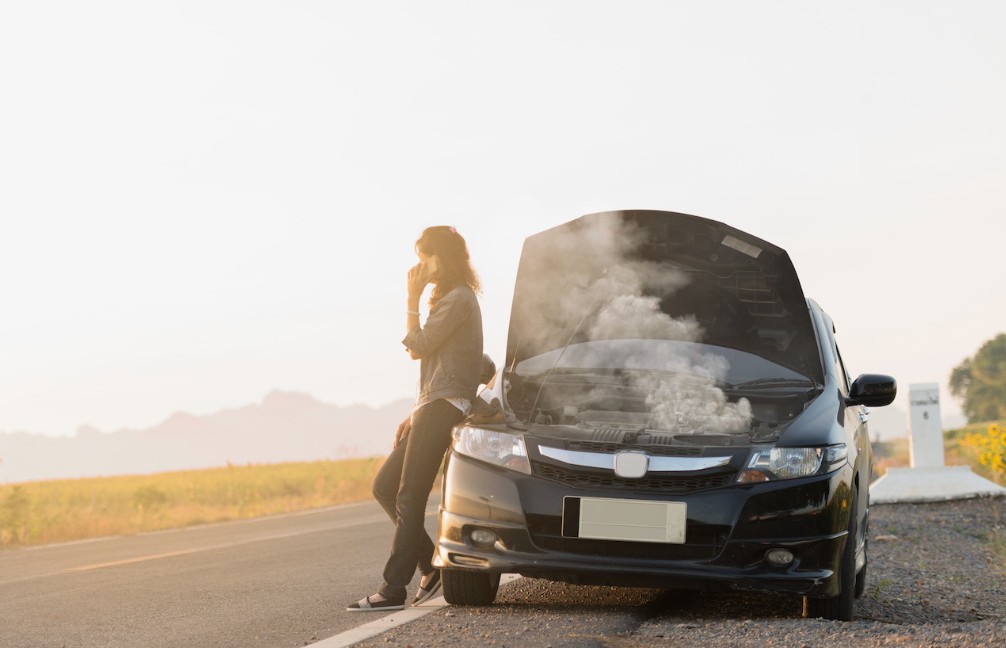
When a car is parked in the scorching sun, especially during the peak heat of Ramadan, the interior temperature can climb dramatically. The temperature inside a parked car in Dubai can exceed 70°C (158°F), which is dangerous not only to the vehicle but also to anyone who enters it.
The Cabin Temperature: A Hidden Danger
The most immediate effect of extreme heat is the rise in cabin temperature. A car’s glass windows act like a greenhouse, trapping heat inside. This phenomenon, called the greenhouse effect, means that even if the temperature outside is 40°C (104°F), the inside of a car can reach a much higher temperature within just a few hours.
Consequences of Extreme Cabin Heat:
-
Leather seats and interiors can crack, fade, or become uncomfortable to sit on.
-
Plastic and vinyl components (such as the dashboard, door panels and consoles) can warp or melt, compromising the integrity and aesthetics of your car.
-
Electronic systems can malfunction due to excessive heat, causing long-term damage.
Battery Damage: A Silent Killer
Car batteries are particularly vulnerable to extreme temperatures. In hot climates like Dubai, the extreme heat during Ramadan can drastically shorten your battery’s life. As temperatures soar, the battery’s internal components are affected, which can lead to reduced performance and, in some cases, complete battery failure.
How Heat Affects Your Battery:
-
Understanding how Ramadan heat damages your car is crucial, especially since the high temperatures can significantly shorten your battery’s lifespan.
-
Overheating causes the battery to drain more quickly and may prevent it from holding a charge properly, especially if left parked for long periods.
Tires: Increased Risk of Blowouts
Tires are another part of your vehicle that can suffer from extreme heat, often overlooked. Overinflated tires from heat can cause a blowout, particularly if the tire is already worn or if the pressure isn’t maintained properly.
Tire Risks in Extreme Heat:
-
Tire pressure increases when exposed to heat, which can make the tires brittle and prone to bursting.
-
One of the key ways Ramadan heat damages your car is by weakening rubber components, which can lead to tire blowouts and an increased risk of accidents.

The Impact of Heat on Your Car’s Exterior
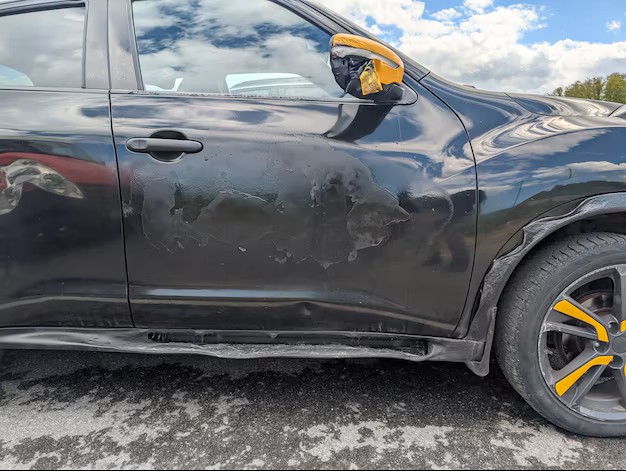
The intense heat during Ramadan can also cause visible damage to your car’s exterior. The sun’s rays degrade the paint, leading to fading, cracking, and peeling. Additionally, UV rays can wear down the paint’s clear coat, leaving your vehicle vulnerable to oxidation and rust.
Protecting Your Car’s Exterior:
-
Use car covers or sunshades to protect your vehicle from direct sunlight.
-
Apply a UV-protectant coating to the exterior to minimize damage.
-
Regular waxing helps protect the paint from fading due to sun exposure.

How to Protect Your Car from the Ramadan Heat
While the extreme heat of Ramadan is unavoidable, there are ways to protect your car and minimize the damage it may sustain. Here are some practical tips for keeping your vehicle in top condition:
-
Park in the Shade: Whenever possible, try to park your car in a shaded area, such as a parking garage or under a tree. If that’s not an option, use a sunshade to protect the interior.
-
Use a Car Cover: A car cover is a simple yet effective way to shield your vehicle from the sun’s harsh rays. It can prevent damage to both the interior and exterior of your car.
-
Check Your Tire Pressure Regularly: Heat can increase tire pressure, raising the risk of blowouts. Make sure to check your tire pressure at least once a month, particularly during the hot months.
-
Maintain Your Battery: To avoid battery issues, ensure that it is properly maintained. Keep the terminals clean and check for any corrosion. If your car battery is more than three years old, it might be a good idea to replace it before Ramadan.
-
Regularly Clean and Protect Your Car’s Interior: Use leather or fabric protectants to help preserve your car’s seats. Regularly wipe down surfaces to keep them in good condition.
Make sure to check your tire pressure at least once a month, particularly during the hot months. For more expert advice on vehicle care during the summer months, check out our Summer Car Care Guide.
FAQs on How Ramadan Heat Affects Your Car
Q: What is the ideal temperature for parking a car?
A: The best temperature for parking a car is below 30°C (86°F). However, if it’s unavoidable, always try to park in the shade or use sunshades to keep the interior temperature manageable.
Q: Can the heat cause my car’s air conditioning to fail?
A: Yes, extreme heat can put additional strain on your car’s air conditioning system, potentially leading to a malfunction. Make sure to service your air conditioning system regularly, especially before the summer months.
Q: How can I prevent my car from overheating during Ramadan?
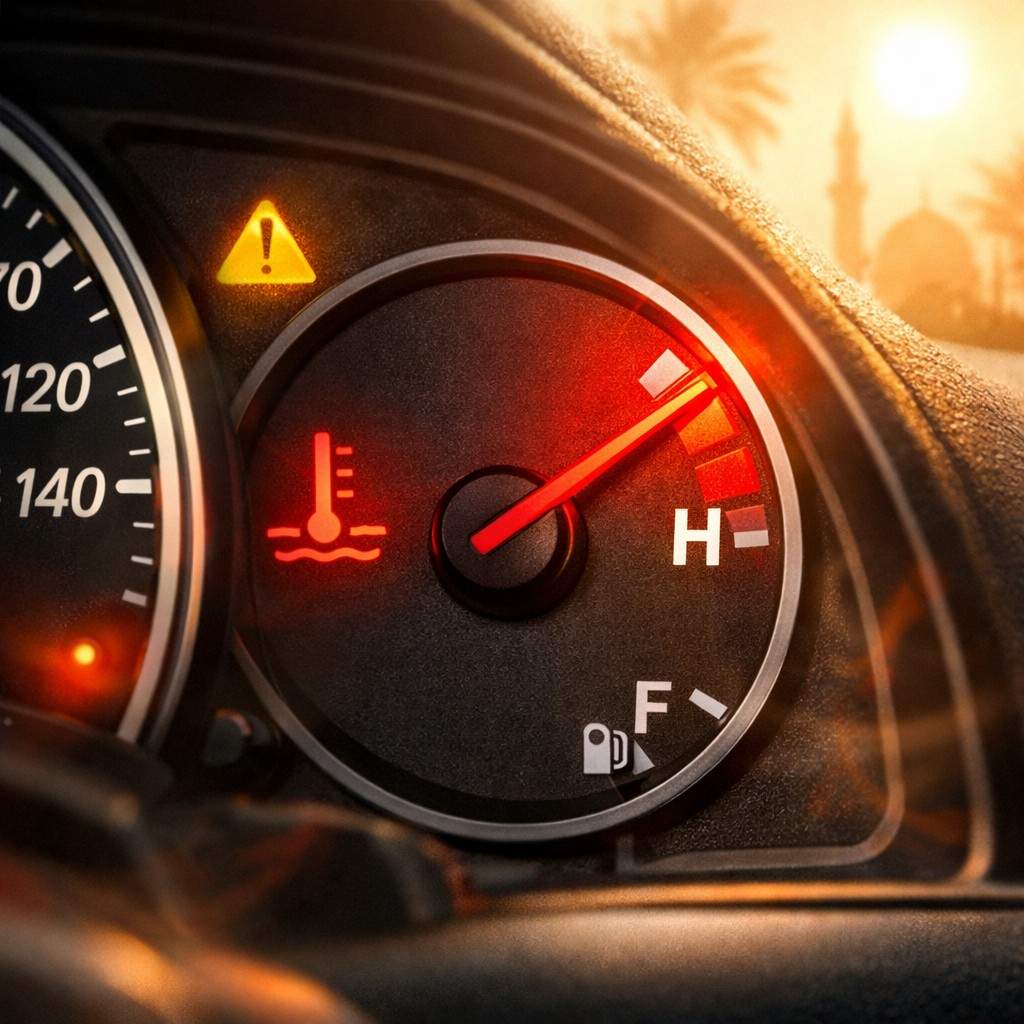
A: Regular maintenance is key. Ensure your cooling system is working properly, monitor coolant levels, and avoid leaving your car idling for long periods in extreme heat.
Conclusion: Protect Your Car During the Extreme Heat of Ramadan
The extreme heat of Ramadan, especially in cities like Dubai, can damage your car, affecting everything from the interior to the battery and tires. However, with the right precautions, you can safeguard your vehicle. By parking in the shade, using sunshades, maintaining your tires, and keeping your cooling system in check, you can ensure your car stays in peak condition throughout the holy month.
As Ramadan heat can damage your car, following these protective tips will help prevent serious long-term issues. For more expert advice, check out the ArabWheels blog for year-round vehicle care insights.
