
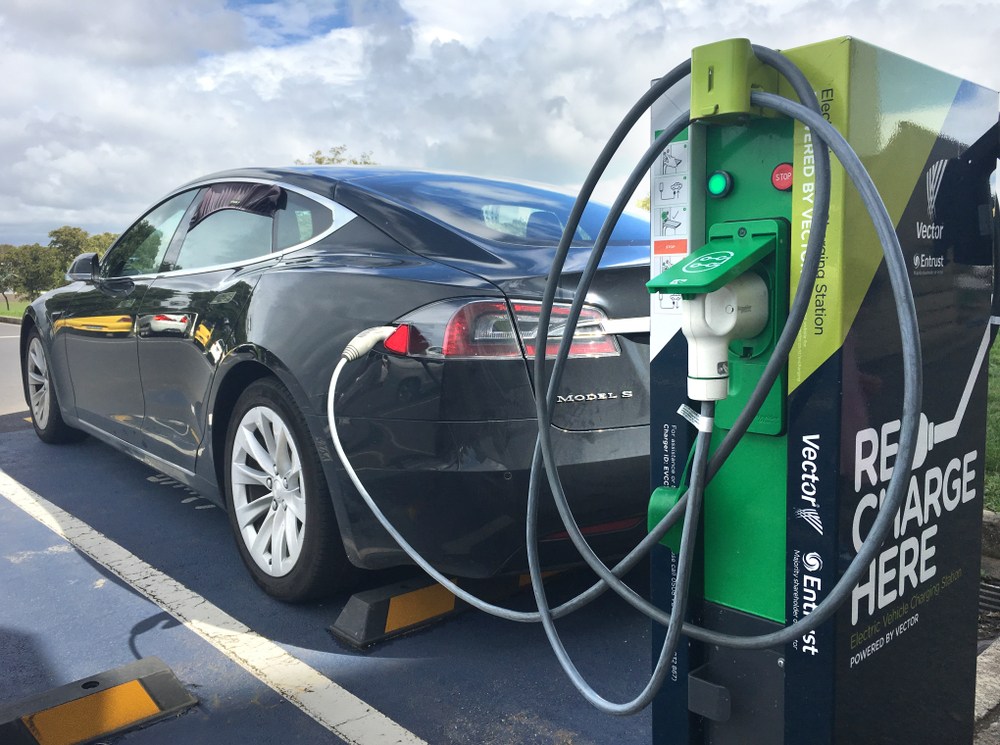
How Long Does It Take to Charge a Tesla? Complete Guide
Discover Tesla charging times for each model using different chargers—home, Supercharger, and destination charging explained clearly

If you’re thinking about buying a Tesla or already own one, one of the first questions you’ll ask is: How long does it actually take to charge a Tesla? While many assume there’s a simple answer, the truth varies depending on the charging setup, your Tesla model, and your daily driving habits.
In this complete guide, we break down the different charging options, how they work, estimated time per model, real-world electricity costs, and best practices to keep your Tesla battery healthy.
Types of Tesla Chargers Explained
Before diving into the time it takes, it’s important to understand the three main types of Tesla charging methods:
1. Level 1 Charging – Standard Wall Outlet (120V)
-
Charging Speed: 3-5 km per hour
-
Full Charge Time: 1 to 3 days (not ideal for daily use)
-
Best For: Overnight charging if you drive <60 km/day, or for emergency use
2. Level 2 Charging – Tesla Wall Connector or Public Charger (240V)
-
Charging Speed: 40-70 km per hour
-
Full Charge Time: 6 to 12 hours
-
Best For: Overnight home charging or public AC charging stations, ideal if you drive moderate to high daily distances and want to recharge fully while you sleep or during a workday.
3. Tesla Supercharger – DC Fast Charging
-
Charging Speed: Up to 270 kW (roughly 320 km in 15 minutes)
-
Full Charge Time: 25 to 60 minutes, though charging above 80% is rarely necessary and not typically recommended
-
Best For: Road trips and quick top-up; fast charging away from home
How Long It Takes to Charge Each Tesla Model
Here’s a breakdown of the average charging times based on each Tesla model using different chargers:
| Tesla Model | 120V Outlet (Level 1) | 240V Outlet (Level 2) | Supercharger (DC Fast) |
|---|---|---|---|
| Model 3 | 2–3 days (3–5 km/h) | 8–12 hours (40–70 km/h) | 25–30 mins to 80% (up to 270 kW) |
| Model Y | 2–3 days (3–5 km/h) | 8–12 hours (40–70 km/h) | 25–35 mins to 80% (up to 250–270 kW) |
| Model S | 3+ days (3–5 km/h) | 10–12 hours (40–70 km/h) | 30–40 mins to 80% (up to 250–270 kW) |
| Model X | 3+ days (3–5 km/h) | 10–12 hours (40–70 km/h) | 30–40 mins to 80% (up to 250–270 kW) |
| Cybertruck* | 3+ days (3–5 km/h) | 12+ hours (depending on variant) | 30–45 mins to 80% (est. up to 250 kW) |
Note: These are average estimates based on 0–100% battery charging.
Should You Charge a Tesla to 100% Every Time?
No. Tesla strongly recommends charging to 80–90% for daily use. Why?
-
Charging to 100% too often accelerates battery degradation
-
Lithium-ion batteries last longer when kept between 20% and 90%
-
Full charges should be reserved for long trips where you need max range
Note: You can set a charging limit in the Tesla app to stay within this healthy range.
Best Way to Charge a Tesla at Home
Installing a Tesla Wall Connector is the most efficient home charging method. It provides:
-
Faster overnight charging (up to 70 km/h)
-
Scheduled charging to avoid peak rates
-
Integration with Tesla app for remote monitoring
Monitor Charging with the Tesla App
The Tesla mobile app lets you:
-
Track real-time charging progress
-
Set charging limits
-
Get notified when charging is complete
This helps you optimize time and electricity usage and avoid overcharging, and gives you full control even when you’re not near the car.
Charging on the Go: Public Chargers
When you’re not at home, Tesla offers an extensive Supercharger network across the UAE. Additionally, your car can also charge at:
-
Destination chargers (hotels, malls, restaurants)
-
Third-party public chargers (like ChargePoint or EVgo with adapters)
Always keep a Type 2 or CCS adapter in your trunk if you’re exploring non-Tesla stations.
Tips to Charge Tesla Faster
Here are a few pro tips:
-
Precondition the battery before fast charging (Tesla does this automatically if navigation to a Supercharger is enabled)
-
Avoid a completely empty battery before charging
-
Use Superchargers only when needed to preserve battery life
-
Install a Level 2 charger at home if you drive daily
How Charging Time Impacts Electricity Cost
Charging at home is generally cheaper than fueling a petrol car. But:
-
Night charging during off-peak hours can save more
-
Superchargers may cost more per kWh than home charging, especially if idle fees apply
Frequently Asked Questions
Q: How much does it cost to fully charge a Tesla with Level 1 charging in AED?
A: Around AED 48 to AED 66, depending on the battery size and electricity rate. This estimate is based on battery sizes ranging from 60 kWh to 75 kWh and DEWA residential rates averaging AED 0.80–0.88 per kWh for daytime usage. Off-peak night rates may reduce this further.
Q: When do Tesla Supercharger idle fees apply?
A: Idle fees apply only when a Supercharger station is at 50% capacity or more. If the station reaches 100% capacity, the idle fee doubles. To avoid idle fees, always move your Tesla promptly after charging is complete.
Q: How long does it actually take to charge a Tesla at home?
A: With a Level 2 charger, it typically takes 6–12 hours for a full charge, depending on your model and battery level.
Q: Is charging a Tesla at home really cheaper than petrol in the UAE?
A: Yes, charging at home can cost just AED 18–34 per full charge, saving you up to 50% compared to petrol costs for the same mileage.
Q: What’s the difference between Level 1 and Level 2 charging?
A: Level 1 (standard wall outlet) is extremely slow—3–5 km per hour, while Level 2 (240V) is much faster—40–70 km per hour, ideal for daily charging.
Final Thoughts
So, how long does it take to charge a Tesla? Depending on the charger and your Tesla model, it can take anywhere from 30 minutes to 3 days. For daily driving, a Level 2 home charger is the most practical and cost-effective solution. Meanwhile, Tesla’s Superchargers are great for fast top-ups during long trips.
Whether you’re navigating city streets or heading out on a long road trip, understanding when and how to charge your EV makes electric driving more convenient than ever.
To explore more informative articles, visit ArabWheels and stay updated on everything related to cars.
