
How Does Leasing a Car Work? Complete Guide
Everything You Need to Know About Leasing a Vehicle in One Simple Guide

Leasing a car is a popular alternative to buying, especially for drivers who prefer flexibility, lower upfront costs, and the latest models. But how does car leasing work, and is it the right choice for you?
This complete guide breaks down everything you need to know, from how leasing differs from financing to the pros, cons, and key leasing terms. Whether you’re a first-time leaser or just exploring your options, this guide is your one-stop reference.
What the Blog Covers:
-
Definition and concept of car leasing.
-
Step-by-step explanation of the leasing process.
-
Key leasing terms every driver should know.
-
Major benefits of leasing a vehicle.
-
Common drawbacks and limitations of leases.
-
Comparison between leasing and buying a car.
-
Practical tips to get the best lease deal.
-
Final summary to help readers decide if leasing suits them
What Is Car Leasing?
Car leasing is essentially a long-term rental agreement. Instead of purchasing the vehicle outright or through a loan, you agree to use it for a specific period, usually between two to four years. You pay a monthly fee based on the vehicle’s depreciation during the lease term, along with interest and fees.
Unlike car ownership, leasing doesn’t build equity. However, it gives you access to new vehicles more frequently with lower monthly payments than traditional auto financing.
How Does Leasing a Car Work Step-by-Step?
To better understand how car leasing works, here’s a simple breakdown of the process:
1. Choose the Vehicle
You start by selecting the make and model you want to lease. Dealerships often advertise lease offers with attractive monthly payments on newer models.

2. Negotiate Lease Terms
Next, you negotiate the lease price, often called the capitalized cost. Just like with buying a car, you can negotiate this price down to lower your monthly payments.
3. Decide Lease Length and Mileage Limit
Lease contracts usually last 24 to 48 months, with annual mileage limits (commonly 10,000 to 15,000 miles). If you exceed the mileage cap, you’ll pay a per-mile fee.
4. Make a Down Payment (If Required)
Although some leases require no down payment, many require an upfront payment called a cap cost reduction. This helps reduce your monthly payments.
5. Sign the Lease and Drive Off
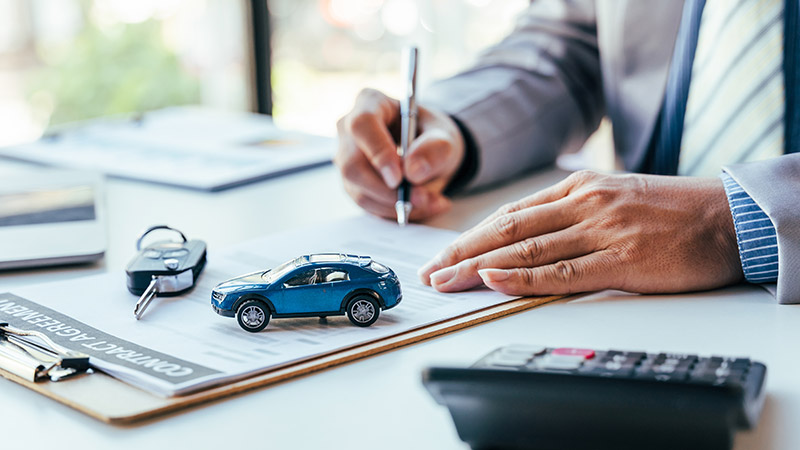
Once you sign the agreement, you’re ready to drive the car. The vehicle remains the property of the leasing company or dealer throughout the lease term.
6. Maintain the Car During Lease
You’re responsible for regular maintenance. Lease agreements often require you to return the car in good condition. Excess wear or damage could result in additional charges.
7. End of Lease: Return or Buy
At lease-end, you can:
-
Return the vehicle and walk away.
-
Lease a new model,
-
Or buy the car at its residual value, a predetermined price.
Key Terms to Understand
When asking how it helps to know the key terminology:
-
Capitalized Cost: The agreed-upon vehicle price.
-
Residual Value: The car’s estimated worth at the end of the lease.
-
Money Factor: The lease’s interest rate.
-
Depreciation: The loss in vehicle value during the lease.
-
Disposition Fee: A charge for vehicle inspection and resale after return.
Understanding these terms makes the leasing process more transparent and easier to compare across offers.
Benefits of Leasing a Car
There are several reasons why leasing might suit your lifestyle and budget:
-
Lower Monthly Payments: You pay for depreciation, not full vehicle value.
-
Latest Technology: Lease new models every few years with updated features.
-
Less Maintenance Cost: Most lease terms fall under warranty coverage.
-
No Resale Hassle: Simply return the vehicle at the end of the term.
Drawbacks of Leasing
Despite its benefits, leasing may not work for everyone. Consider these potential downsides:
-
No Ownership: You don’t build equity or own the car at the end.
-
Mileage Limits: Exceeding your limit can cost you extra.
-
Early Termination Fees: Ending the lease early can be expensive.
-
Wear-and-Tear Charges: You’re responsible for keeping the car in good condition.
Leasing is ideal for people who prioritize new vehicles and don’t regularly drive long distances.
Leasing vs. Buying: Which Is Better?
The decision between leasing and buying depends on your financial goals and lifestyle. If you want to own the car long-term and avoid monthly payments, buying is the better option. However, if you like driving newer models and don’t mind monthly payments, leasing might suit you better.
Those asking “how does leasing a car work” often discover that leasing offers flexibility, but at a cost. Buyers gain long-term value, while leasers enjoy convenience and lower upfront expenses.
Leasing vs. Buying a Car: Quick Comparison
| Feature | Leasing | Buying |
|---|---|---|
| Ownership | No ownership; return the car at the end | Full ownership after loan payoff |
| Monthly Payments | Usually lower | Usually higher |
| Upfront Cost | Low or zero down possible | A down payment is often required |
| Long-Term Cost | Higher over time (continuous payments) | Lower long-term once paid off |
| Mileage Limits | Yes (10k–15k miles/year typical) | No mileage restrictions |
| Customization | Not allowed | Fully allowed |
| Maintenance | Often under warranty | Owner responsible after the warranty |
| Resale Hassle | None, just return the car | Must sell or trade in |
| Latest Models | Easy to upgrade every few years | Keep the same car long-term |
| Equity | None | Builds vehicle equity |
Learnmore: Car Loan vs Leasing: What’s Better in the UAE?
Tips Before You Lease a Car
To make the most of your lease deal, keep the following tips in mind:
-
Check the Residual Value: A higher residual value lowers your payments.
-
Review the Fine Print: Understand fees, penalties, and end-of-lease options.
-
Know Your Mileage Needs: Choose a mileage limit that fits your driving habits.
-
Consider Gap Insurance: Covers the difference if your leased car is stolen or totaled.
Being informed helps you avoid surprises down the line and ensures a smooth leasing experience.
Learn more:
- How Does Leasing a Car Work? Complete Guide
- New vs Used Car Leasing: Which Option Has Better Value in 2025?
Frequently Asked Questions (FAQs)
1. Is leasing cheaper than buying?
Leasing usually has lower monthly payments, but buying is cheaper in the long run because you own the car.
2. What happens at the end of a lease?
You can return the car, lease a new one, or buy it at the set residual price.
3. Can you end a lease early?
Yes, but it usually involves high early-termination fees.
Final Thoughts
So, how does car leasing work? It’s a flexible, lower-commitment alternative to buying,perfect for people who want to enjoy the latest models without worrying about long-term maintenance or depreciation. Still, it’s not for everyone. Understanding the full picture, from lease terms to potential fees, will help you decide whether leasing aligns with your personal and financial needs.
To explore more helpful guides like this, visit ArabWheels and stay informed on everything related to cars and leasing in the UAE.
