
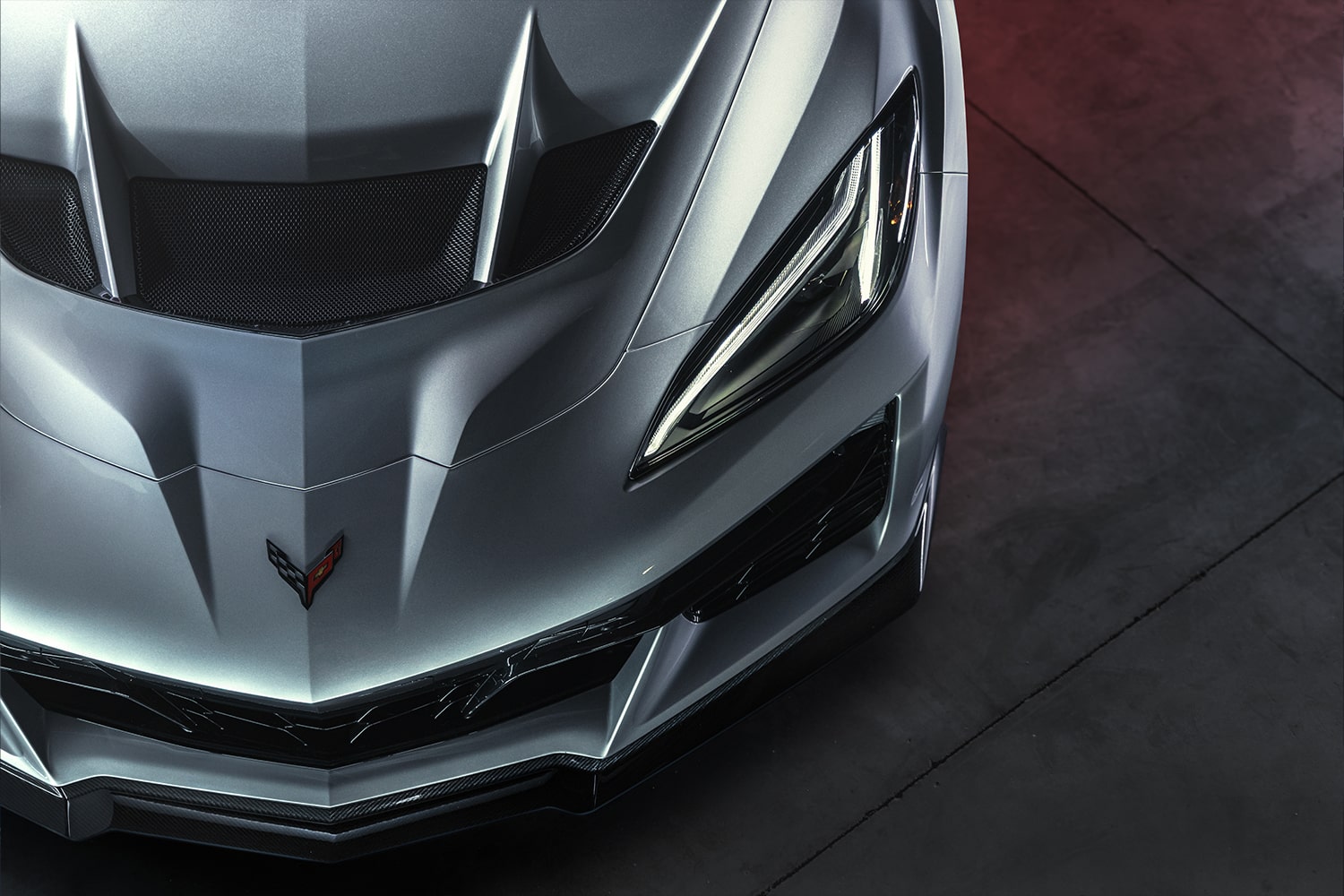
How a $200K Corvette ZR1X Just Humiliated Ford’s Million-Dollar Racing Program
Corvette ZR1X Just Rewrote American Performance History
The automotive world witnessed something extraordinary at Germany’s most punishing racetrack. A Chevrolet engineer climbed behind the wheel of America’s newest hybrid supercar, the Chevrolet Corvette ZR1X. Seven minutes later, Ford’s entire performance strategy lay in ruins.
Drew Cattell wasn’t supposed to be a hero. The GM vehicle dynamics engineer was simply doing his job, testing pre-production hardware around the Nürburgring Nordschleife. But when the stopwatch read 6:49.275, everything changed.
Ford’s $325,000 flagship Mustang GTD had been dethroned by nearly three seconds.
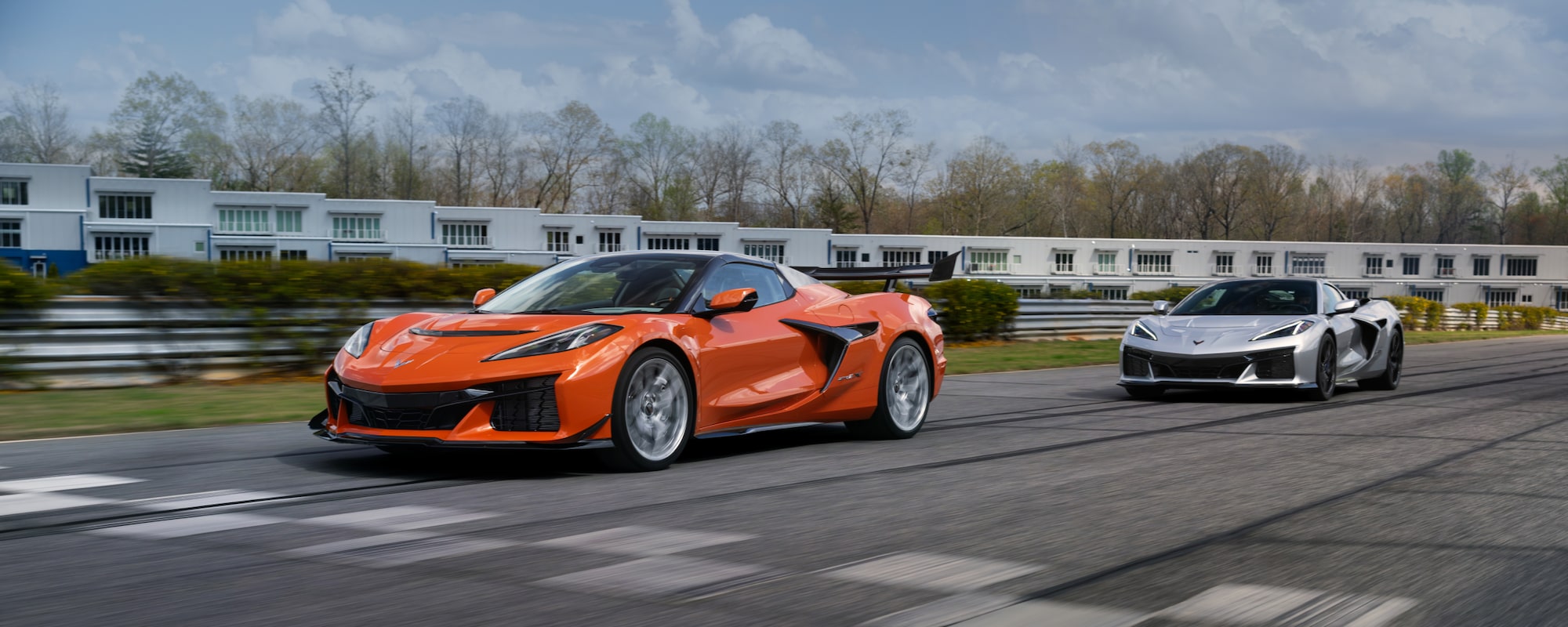
When Engineers Beat Racing Drivers at Their Own Game
Professional racing driver Dirk Müller set Ford’s benchmark just months earlier. His 6:52.072 lap time in the Mustang GTD represented years of factory development and millions in investment. Ford celebrated their achievement as the pinnacle of American track performance.
Then Cattell showed up with calculator precision and pure determination. No racing pedigree, no factory backing, just a deep understanding of vehicle dynamics and suspension tuning. His sub-7-minute lap demolished the notion that you need professional drivers for record-breaking performance.
Brian Wallace handled the standard ZR1, while Aaron Link piloted the Z06. All three GM engineers delivered blistering lap times using street-legal configurations. No slicks, no track modifications, just American muscle unleashing fury on European asphalt.
The message was unmistakable: GM’s engineering team understood its cars better than anyone else.

Corvette ZR1X: The $200K Giant Killer That Shouldn’t Exist
Numbers tell the brutal truth about the automotive hierarchy getting flipped upside down. Ford’s Mustang GTD costs $325,000 and represents their ultimate performance statement. Limited to 1,000 units, it transforms Ford’s GT3 racing technology into street-legal supremacy.
The 2026 Corvette ZR1X starts at just $190,000 despite packing revolutionary hybrid AWD technology. Its 5.5-liter twin-turbocharged V8 produces 1,064 hp on its own. Add the front-mounted electric motor’s 186 hp, and total system output reaches 1,250 horsepower.
That power advantage translates into sub-2 seconds 0-to-100 acceleration and devastating track performance. Advanced torque vectoring and regenerative braking create grip levels that redefine what American supercars can achieve. The hybrid system doesn’t just add power, it fundamentally transforms how the car attacks corners.
Ford’s premium pricing strategy suddenly looks obsolete when faced with superior performance at 60 percent of the cost.
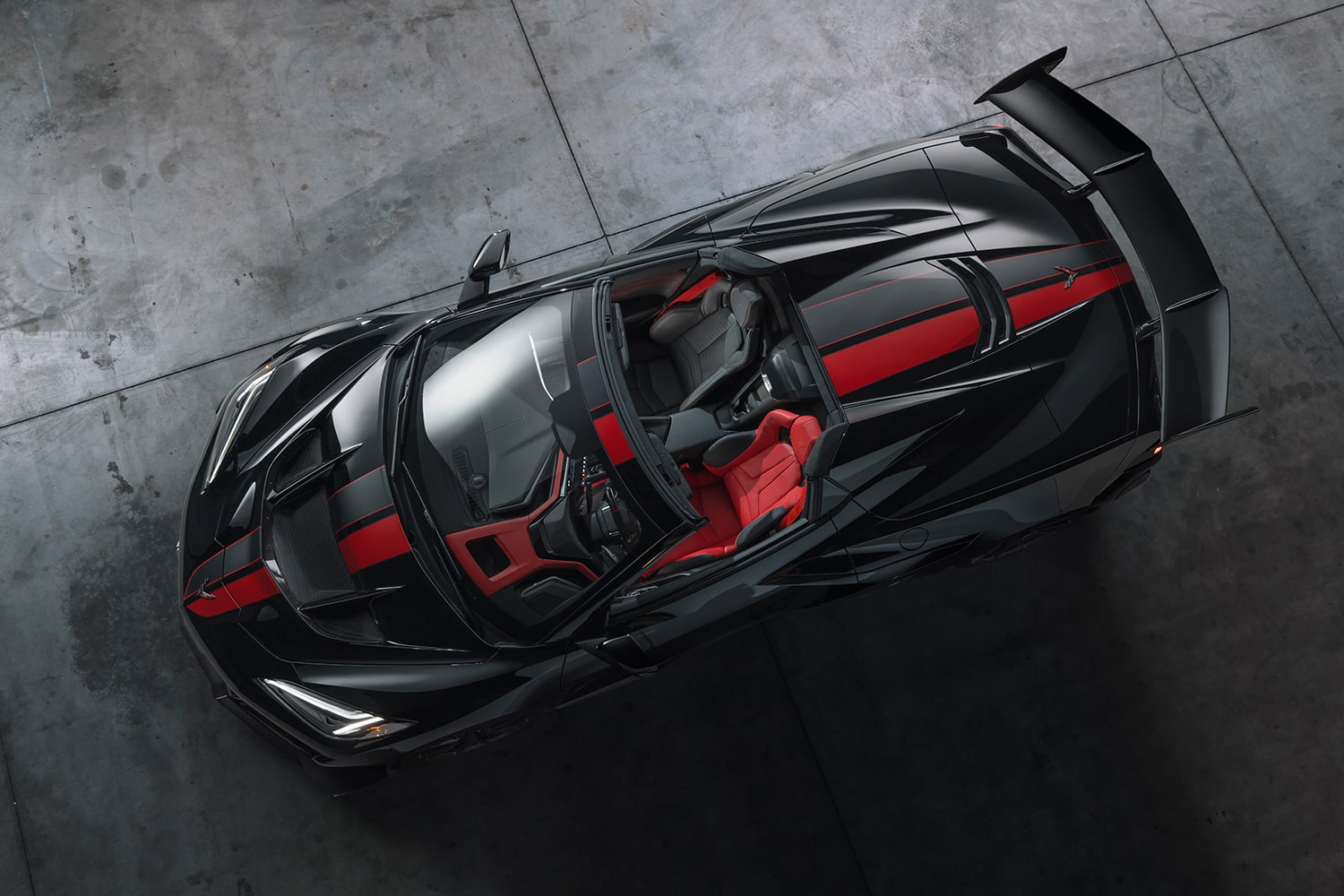
How One Lap Time Changed Everything
Automotive executives don’t sleep well when their flagship products get embarrassed on the world’s most famous racetrack. Ford’s response team is undoubtedly burning the midnight oil, searching for answers to an uncomfortable question.
How did a development engineer in a pre-production hybrid beat their million-dollar factory effort? The implications extend far beyond the Ford versus Chevrolet rivalry. Hybrid technology, once dismissed by performance enthusiasts, now delivers the ultimate combination of power and precision. The Corvette ZR1X proves that intelligent engineering beats brute force marketing every single time.
Conclusion
The Corvette ZR1X represents more than just another fast car breaking another lap record. Drew Cattell’s historic lap will be remembered as the moment hybrid performance legitimized itself among hardcore enthusiasts.
Ford will respond, because they must. The automotive performance wars have just entered a new phase where intelligence matters more than investment. Thanks for reading till the end. Let us know what you think about this in the comments below. Keep following the Arabwheels Blog for more content like this.