
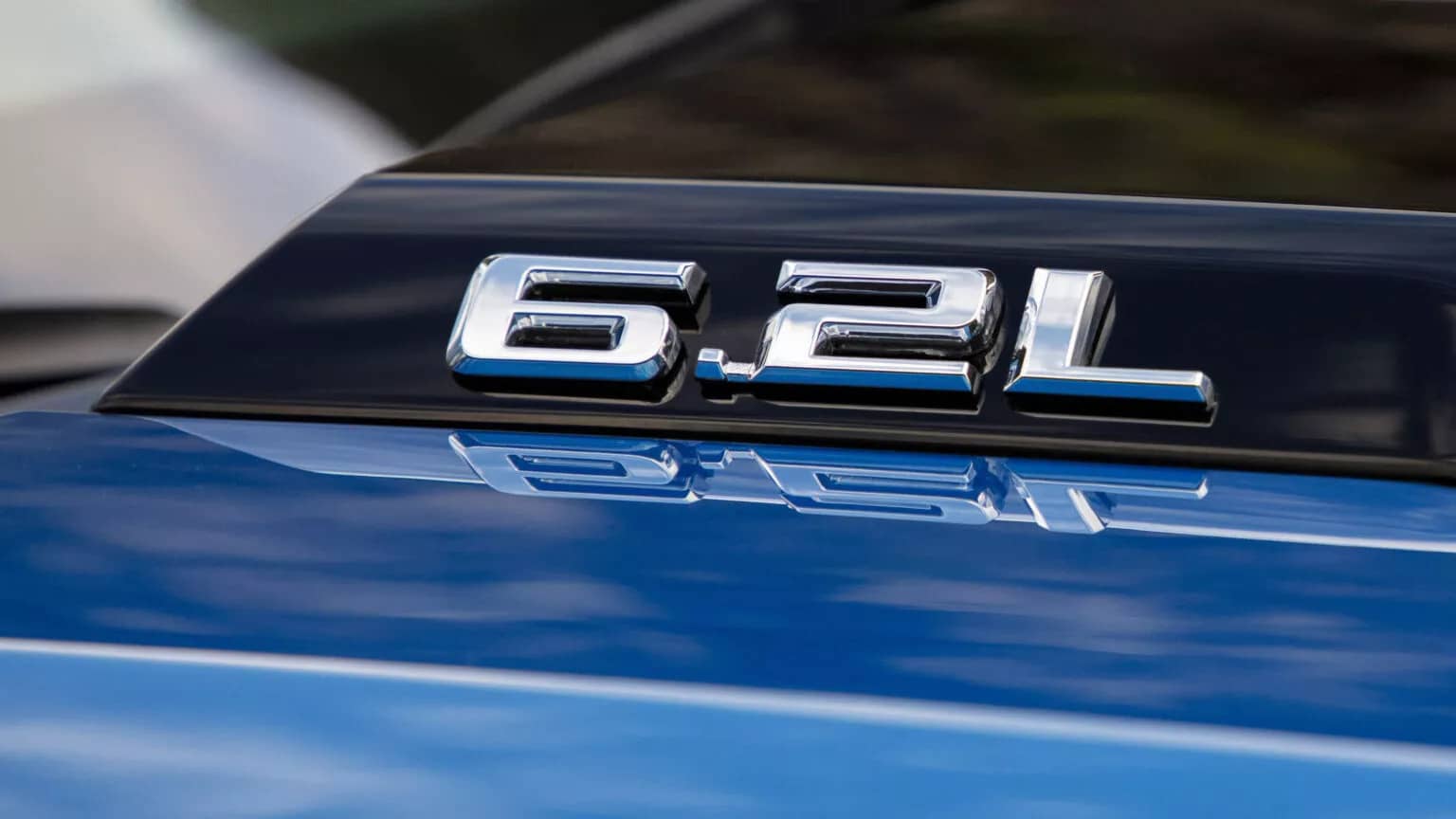
Is Your Silverado Safe? Inside the Massive GM V8 Lawsuit
Owners of General Motors trucks face a growing safety crisis as a high-stakes lawsuit and a massive federal investigation expand. The National Highway Traffic Safety Administration (NHTSA) recently escalated its probe, now covering nearly 900,000 vehicles across North America.
While GM initially issued a recall for roughly 600,000 units, the new Engineering Analysis includes previously excluded 2019–2020 models. In January 2026, regulators opened a formal Recall Query (RQ26-001) because even vehicles that received the official “fix” are still suffering from total engine failure.
This escalation follows over 1,100 reports of catastrophic mechanical issues occurring without prior warning to the driver.
The Technical Root Cause and “Failed Fix”
The ongoing lawsuit alleges that the L87 V8 engines suffer from fundamental manufacturing defects that compromise long-term durability. Federal documents suggest the primary culprit is microscopic sediment left inside the oil galleries during the assembly process.
This debris eventually cycles through the engine, destroying the connecting rod bearings under normal driving conditions. Furthermore, investigators found that crankshaft dimensions from certain suppliers were often outside engineering specifications.
As of February 2026, GM has again updated its oil recommendation, switching from Mobil 1 Supercar to Mobil 1 FS 0W-40. Critics argue this latest change is merely a cost-cutting measure that fails to address the underlying physical hardware flaws.
Affected Models and Warranty Extensions
The following table outlines the vehicles currently under the microscope in the expanded federal safety investigation and legal proceedings.
| Brand | Model | Years Affected |
| Cadillac | Escalade / Escalade ESV | 2021–2024 |
| Chevrolet | Silverado 1500 | 2019–2024 |
| Chevrolet | Tahoe / Suburban | 2021–2024 |
| GMC | Sierra 1500 | 2019–2024 |
| GMC | Yukon / Yukon XL | 2021–2024 |
Critical Summary of the Defect
The legal filings and NHTSA data highlight several alarming trends that every V8 owner should understand immediately.
- The NHTSA opened RQ26-001 specifically because engines that “passed” the initial dealership inspection are still failing.
- Internal manufacturing errors at the Tonawanda plant result in “choppy” crankshaft finishes instead of the required mirror polish.
- Over 28,000 field reports linked to the L87 engine have been documented by GM as of early 2025.
- GM quietly released Special Coverage N252494003, providing a 10-year or 150,000-mile warranty for specific affected VINs.
What Owners Should Do Now
If you drive an affected model, you must take proactive steps to protect your safety and legal rights.
- First, check your VIN on the official NHTSA website regularly to see if your vehicle has been added to the recall.
- You should demand that your local dealer check for the “Special Coverage” tag N252494003 in your vehicle’s history.
- Listen closely for any rhythmic “knocking” or metallic ticking sounds coming from the engine bay while the vehicle idles.
- You should also document every single oil change with detailed receipts to prove you have followed the maintenance schedule. As reported by WardsAuto, this documentation is vital if you eventually need to join the class-action lawsuit.
Conclusion
This developing lawsuit represents a significant turning point for General Motors as it addresses widespread concerns about mechanical reliability. We will continue to track the results of the Recall Query and any further warranty expansions for our readers.
What do you think about this massive GM V8 lawsuit? We’d love to hear your thoughts in the comments below. Keep following the Arabwheels Blog for the latest sharp insights, exclusive UAE updates, and global automotive trends that matter.