
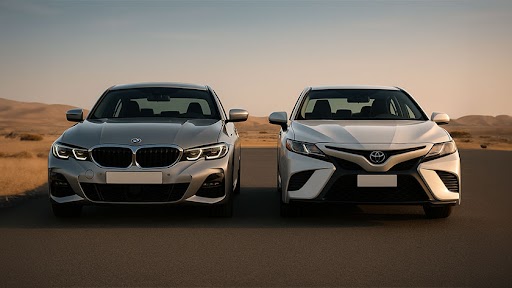
German vs Japanese Car: Which One to Buy?
Explore the key differences in performance, reliability, design and maintenance to make the right choice for your lifestyle and budget in the UAE.

When it’s time to invest in a new vehicle, one of the biggest questions many UAE drivers ask is: German vs Japanese car- which one should I buy? It’s not just about choosing between brands; it’s about picking the right combination of performance, reliability, style and value. Whether you’re a car enthusiast or simply someone looking for a dependable daily ride, understanding the strengths and differences between these automotive powerhouses will help you make a confident decision.
Let’s dive deep into the battle of German vs Japanese cars and explore what makes each side shine.
German vs Japanese Car: Performance, Design and Driving Experience
One of the first things that comes to mind when comparing a German vs Japanese car is performance. German automakers like BMW, Audi and Mercedes-Benz have long been known for their precision engineering, opulent features and thrilling driving dynamics. On the other hand, Japanese brands such as Toyota, Honda and Nissan focus on fuel efficiency, user-friendly technology and long-term durability.
Performance and Handling
German cars are often praised for their powerful engines and sporty handling. Driving a German car often feels like you’re in total control. With features like advanced suspension systems and responsive steering, it’s no surprise these vehicles are favourites on highways and twisty roads alike.
However, Japanese cars aren’t far behind. Models like the Nissan 370Z or Toyota GR Supra show that Japan knows how to build performance-focused machines, too. The difference is that Japanese brands tend to balance performance with practicality, offering smooth rides and excellent fuel economy.
Design and Aesthetics
When it comes to design, German cars usually lean toward luxury and sophistication. Interiors are crafted with high-end materials, and exteriors boast sleek lines and aggressive stances. If turning heads is your goal, a German car will likely do the trick.
Japanese cars, meanwhile, offer a more understated but practical design approach. The focus is often on maximising cabin space, ease of use and visibility. While some may consider them less exciting in appearance, Japanese cars make up for it in smart, efficient layouts.
German vs Japanese Car: Reliability, Cost of Ownership and Maintenance
Now let’s talk about what really matters to most buyers: reliability, cost and maintenance. This is where the decision between a German vs Japanese car can start to tilt in favour of Japan, especially if you’re thinking long-term.
Reliability That Lasts
Japanese cars are well-known for their bulletproof reliability. Models like the Toyota Corolla, Honda Civic and Mazda CX-5 often go hundreds of thousands of kilometres without major issues. These vehicles are built to last, even in the challenging driving conditions of the UAE.
German cars, while luxurious and advanced, can sometimes be more delicate. The complexity of German engineering means there’s more that could go wrong, and when it does, repairs can be expensive. Still, if you stay on top of scheduled servicing, most German cars offer solid reliability, especially premium models with good service records.
Maintenance and Running Costs
This is where the biggest contrast often shows. German cars require specialised servicing, and replacement parts tend to be more expensive. That said, many drivers still opt for German vehicles for their superior driving feel and comfort, they just budget accordingly.
Japanese cars, in contrast, are much cheaper to maintain. Spare parts are widely available in the UAE and independent workshops are familiar with common repairs. Fuel efficiency is another big win for Japanese models, with hybrids like the Toyota Camry or Honda Accord Hybrid saving drivers a great deal on fuel bills. For official information on vehicle maintenance regulations, servicing guidelines, or ownership documentation in the UAE, you can visit the Ministry of Interior website.
German vs Japanese Car: Which One Fits Your Lifestyle?
At the end of the day, the German vs Japanese car debate comes down to personal needs and preferences. Each has its advantages; it all depends on what matters most to you as a driver.
For the Luxury Seeker
If you prioritise high-end features, comfort, and an exhilarating drive, then a German car might be the better fit. Models like the Mercedes-Benz E-Class or BMW 5 Series offer a level of refinement that’s hard to match. You’ll enjoy premium interiors, cutting-edge tech, and a commanding presence on the road.
For the Practical Driver
If you’re after reliability, lower maintenance costs and strong resale value, a Japanese car is hard to beat. Cars like the Toyota Land Cruiser, Honda CR-V, or Nissan Altima are perfect for daily driving in the UAE. They’re dependable, efficient, and widely trusted.
Environmental Considerations
Japanese manufacturers have also led the way in hybrid and electric vehicle development. Toyota, for example, has been a hybrid pioneer with its Prius and other fuel-saving models. If eco-friendliness and fuel efficiency are important to you, Japanese cars are worth a closer look.
Final Thoughts: German vs Japanese Car- Choose What Drives You
Choosing between a German and a Japanese car isn’t easy, and that’s a good thing. Both offer unique benefits that suit different lifestyles, budgets and tastes. German cars provide a refined, luxurious experience that makes every drive feel special. Japanese cars, on the other hand, are the go-to for reliability, value and everyday usability.
In the UAE, where road conditions vary from city traffic to desert highways, both types of vehicles have strong followings. The key is to assess your needs carefully, consider long-term ownership costs and choose a car that fits your lifestyle.
Want to learn more before deciding?
Discover German and Japanese cars on ArabWheels by applying filters to find your desired car effortlessly.
