
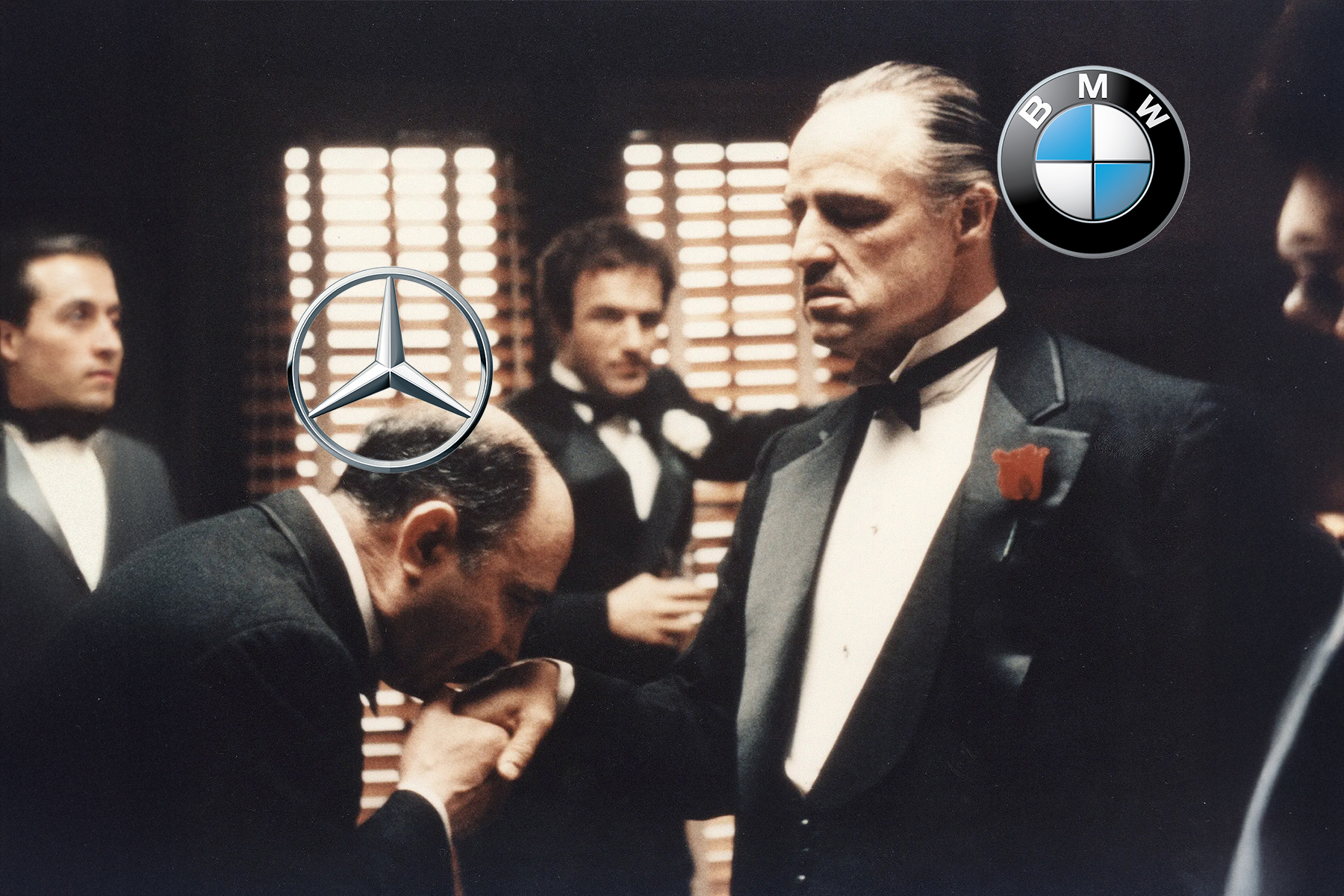
German Frenemies: Mercedes Could Adopt BMW Engines Soon
The automotive world just got its biggest plot twist since Porsche decided to build SUVs back in the day. Mercedes-Benz is reportedly close to signing a deal that would put BMW engines under the hood of future vehicles. This isn’t some April Fool’s joke or automotive fever dream, but rather a fascinating example of modern industry pragmatism.
When Rivals Become Partners Out of Necessity
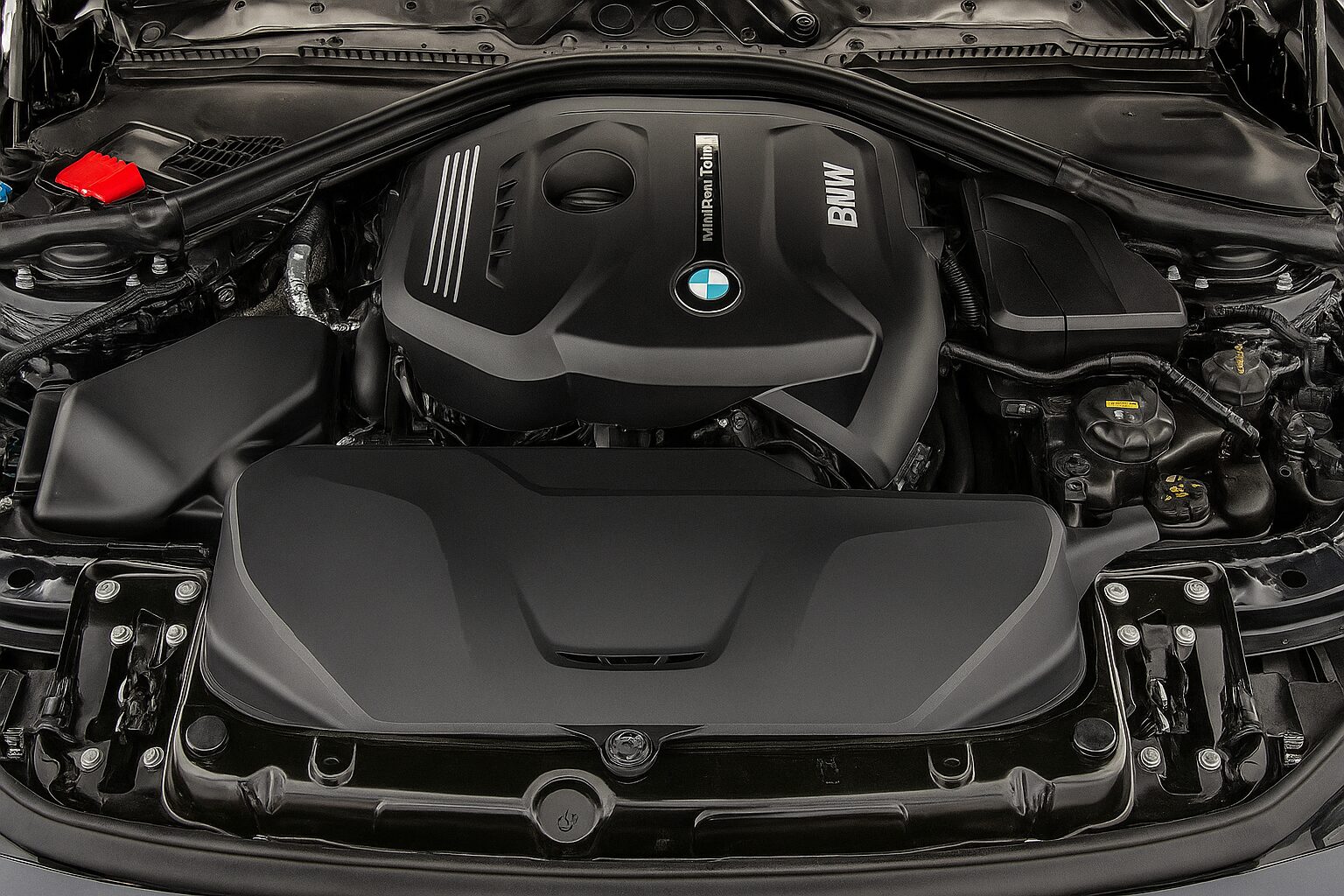
These negotiations represent one of the most significant partnerships between German luxury brands in recent automotive history worldwide. BMW engines, specifically the proven B48 2.0-liter turbocharged four-cylinder, would power multiple Mercedes models starting in 2027, according to reports.
The irony is absolutely delicious when you consider these companies have been fierce competitors for over a century. Mercedes finds itself in this position because its own M252 engine faces some serious practical challenges in today’s market.
Built in China, the Mercedes powerplant struggles with U.S. tariff issues and lacks the flexibility for hybrid applications. Meanwhile, BMW engines have proven themselves incredibly adaptable for plug-in hybrid and range-extender duties across multiple vehicle platforms.
Which Mercedes Models Get the BMW Treatment
The scope of this potential partnership is genuinely impressive when you consider the breadth of affected Mercedes models. Everything from the compact CLA and GLA crossover to the substantial E-Class sedan could eventually receive BMW engines.
The C-Class, GLC, GLB, and even the upcoming “Little G” off-roader are all reportedly on the list for consideration. This represents a massive shift in how Mercedes approaches powertrain development and sourcing strategies for its core volume models.
BMW’s Steyr factory in Austria would handle production duties, though both companies are exploring joint U.S. manufacturing possibilities.

Why This Deal Makes Perfect Sense
Critics might call this move humiliating for Mercedes, but smart money says it’s actually brilliant strategic thinking instead. Developing modern engines that meet Euro 7 regulations while offering hybrid flexibility requires enormous investment and specialized engineering expertise.
BMW engines have already proven themselves capable in these exact applications across multiple BMW and MINI models successfully. The cost savings alone make this partnership incredibly attractive for Mercedes as development budgets continue expanding exponentially.
Rather than spending billions developing parallel technology, Mercedes can focus resources on areas where they truly excel. BMW benefits from increased production volume and the undeniable prestige of powering their longtime Stuttgart rivals successfully.
What This Means for Car Enthusiasts
Enthusiast reactions have predictably ranged from excitement about shared engineering excellence to concerns about brand identity dilution. The reality is that BMW engines are genuinely excellent powerplants with proven reliability and performance.
Mercedes buyers will likely never know the difference without popping the hood and reading engine bay markings carefully. This collaboration could actually result in better vehicles for consumers as both companies leverage their respective strengths.
BMW gains validated engine technology, while Mercedes benefits from proven hybrid-ready powertrains, all without incurring massive development costs and delays.
Conclusion
Formal announcements are expected by the end of 2025, assuming these advanced negotiations reach successful conclusions soon. This partnership signals how traditional brand boundaries continue evolving in our rapidly changing automotive landscape today.
When even Mercedes and BMW can find common ground, it shows how practical considerations massively alter historical rivalries. The automotive industry is becoming more collaborative out of necessity, and frankly, that’s probably better for everyone involved. Thanks for reading till the end.
What are your views on this Mercedes x BMW colab? Let us know in the comments below. For more exciting news and industry insights like this, keep following the Arabwheels Blog.