
Why UAE Families Keep Buying the Same Car Brands
How reliability, resale value, servicing and family experience keep familiar car brands on UAE buyers’ shortlists.

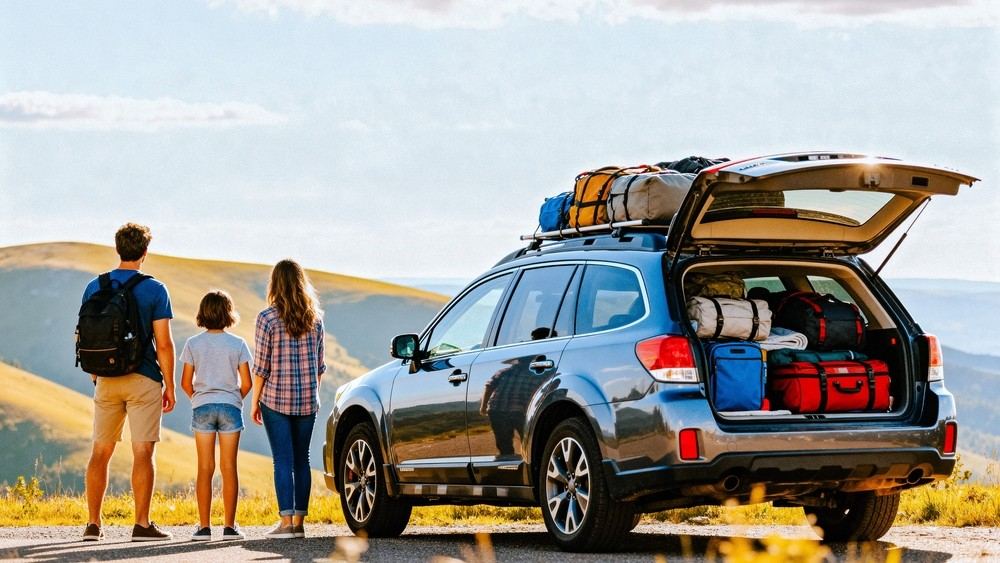
In some UAE households, the shortlist for the next family car was shaped years before anyone entered a showroom. A Land Cruiser in the driveway, a Patrol used for family trips, or a Corolla that stayed in the household for years can shape UAE car brand loyalty and influence what the next generation considers dependable.
That loyalty can grow from years of experience with servicing, reliability, resale value, parts availability, and the way a particular car coped with everyday life in the Emirates.
The question for today’s buyer is whether that inherited confidence still deserves a place in the buying decision.
The Car You Grew Up With Has an Advantage
Few advertising campaigns can compete with a car that has already spent 10 or 15 years in the family.
Parents may know how it handled UAE summers, long motorway journeys and occasional desert trips. They remember whether the air conditioning remained effective, whether major repairs became expensive and whether selling the car was straightforward.
That experience can shape the next generation’s idea of what a dependable car looks like.
Toyota’s Land Cruiser is one of the clearest examples. Its roots go back to the Toyota Jeep BJ of 1951, which Toyota originally developed for Japan’s National Police Reserve. The Land Cruiser name was adopted in 1954.
Its UAE connection started unusually early. The National reports that Al-Futtaim imported a small shipment of 20-Series Land Cruisers in 1955, years before the formation of the UAE itself. At the time, paved roads were limited, journeys could involve difficult terrain, and vehicle reliability carried a very practical meaning.
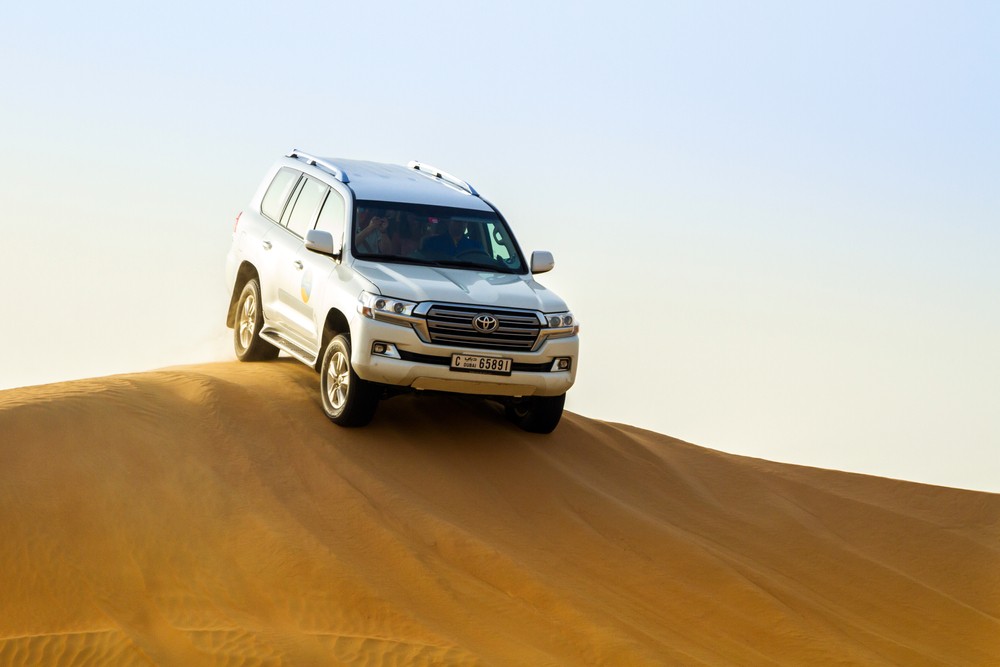
That history helps explain why the Land Cruiser became more than another large SUV in the local market.
For buyers searching for the most reliable car brands in the UAE, that history can influence perception, but reputation alone cannot determine how dependable a current model will be. Generation, engine, maintenance history, and individual condition still matter.
The Patrol Built Its Own Family History
Nissan’s Patrol followed a similar path.
The first Patrol appeared in Japan in 1951, initially as the 4W60. Early versions were basic four-wheel-drive utility vehicles rather than the large, increasingly luxurious SUVs familiar to UAE buyers today.
Nissan traces the Patrol’s regional arrival to 1956, when the first-generation model reached the Gulf and began building a following around its off-road ability and suitability for local conditions.
Later generations moved further towards family use, adding more passenger space, comfort and technology without abandoning the model’s four-wheel-drive identity.
That regional relationship was still visible in September 2024, when Nissan chose Abu Dhabi for the seventh-generation Patrol’s global debut.
Long-term ownership provides another measure of that relationship.
In a 2018 mileage campaign run by Arabian Automobiles, more than 350 Patrol owners entered. Some had owned their vehicles for more than 25 years, while the oldest winning Patrol dated from 1992.
For families, that kind of ownership history can carry more weight than a specification sheet. They are not judging the badge only from brochures. They have already lived with it.
Familiarity Can Reduce Ownership Uncertainty
A familiar brand does not guarantee reliability.
Two examples of the same model can have completely different maintenance histories, and even traditionally dependable cars can become expensive when neglected.
What previous family ownership can provide is a degree of predictability. That practical knowledge is one reason UAE car brand loyalty can survive across generations even as buyers gain access to more alternatives.
Owners may already know which workshops specialise in a particular model, how readily common parts can be sourced and what maintenance becomes more important as mileage rises.
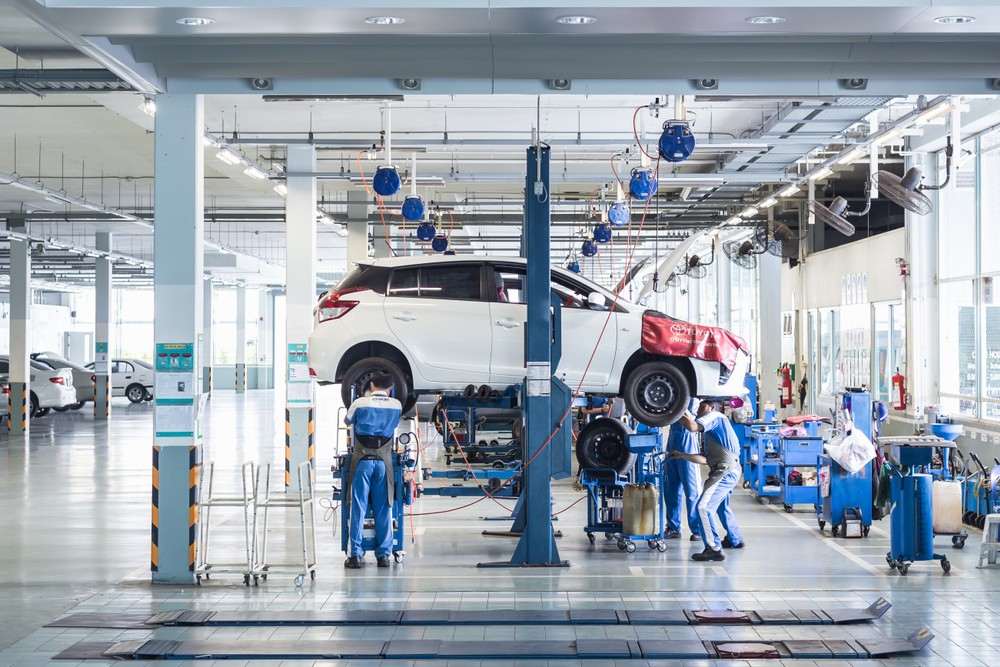
That can matter when the same vehicle has to handle school runs, daily commuting, inter-emirate journeys and weekend travel.
Aftersales familiarity also plays a role. Deloitte’s 2026 Middle East Automotive Consumer Study found that authorised dealers account for around 70% of servicing on new vehicles, although that share falls as vehicles get older and owners move towards independent workshops or other options.
A family that has dealt with the same distributor or service network for years therefore starts the next purchase with knowledge that a first-time customer does not have.
That relationship can begin before the first service visit. Deloitte also found that although Middle East buyers are highly willing to research vehicles online, building trust with a salesperson remains an important part of the purchase experience in both the UAE and Saudi Arabia.
For some families, loyalty may therefore extend beyond the manufacturer itself. They may already know the showroom experience, warranty process, service centre and distributor network behind the badge.
That convenience is real, although it should never be confused with proof that every model from the brand is equally good.
UAE Buyers Are Still Searching for Familiar Names
Current market behaviour shows that Toyota and Nissan remain highly visible on UAE shopping lists.
Dubizzle data reported by Khaleej Times showed Toyota generating more than 10.4 million SUV views during the first half of 2026. Nissan followed with 8.6 million, while the Nissan Patrol was the most-viewed individual SUV.
Those figures demonstrate interest rather than reliability or loyalty. A search does not tell us whether the person ultimately bought the vehicle.
Still, the scale matters.
Decades after both nameplates first developed regional followings, Land Cruisers and Patrols remain among the vehicles UAE shoppers continue to compare.
For UAE car brand loyalty, that continuing visibility matters because family familiarity overlaps with widespread market recognition. Buyers may inherit confidence in a model while also seeing the same nameplate repeatedly in showrooms, classifieds, and on UAE roads.
Resale Gives Familiarity a Financial Argument
Resale is where brand familiarity can start affecting the owner’s finances.
Popular models with active second-hand demand can be easier to price and attract a wider pool of buyers. That does not mean every Toyota or Nissan automatically retains its value well. Depreciation still changes according to the model, trim, age, mileage, condition, service history, and wider market.
However, resale demand matters because the purchase price is only the beginning of ownership cost.
A cheaper alternative might save money in the showroom but depreciate faster. Another vehicle may cost more initially but remain easier to sell several years later.
That is why UAE buyers should consider:
- Expected depreciation
- Service and repair costs
- Insurance
- Fuel consumption
- Warranty coverage
- Spare-parts availability
- Used-car demand
The strongest family advice often comes from experience with exactly these costs rather than from loyalty to the logo itself.
But Loyalty Is Becoming Less Automatic
In 2026, that heritage is competing with a much broader UAE car market.
Buyers can compare Japanese favourites with Korean models, European brands, hybrids, EVs and a rapidly expanding group of Chinese manufacturers competing on price, cabin technology, warranty packages and standard features.
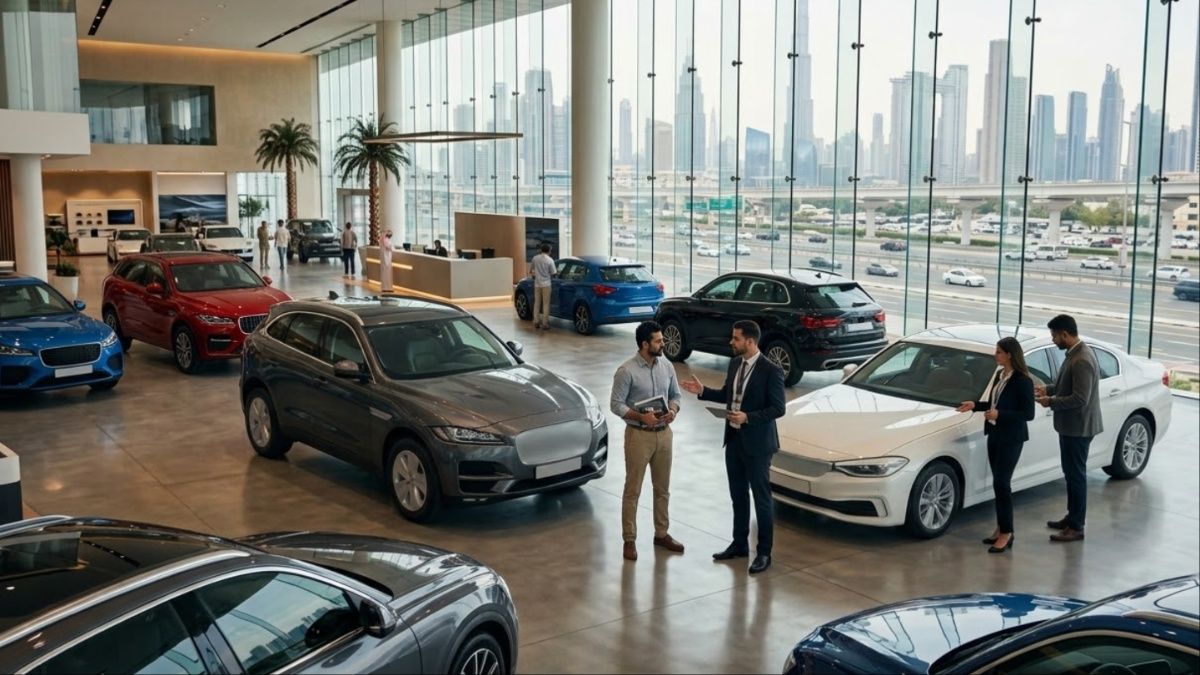
The variety also helps explain why questions such as why there are so many luxury cars in Dubai attract interest from car shoppers. The UAE market spans everything from affordable family cars to premium SUVs and high-end performance models, giving buyers unusually broad choice across price points.
That competition is no longer theoretical. The National reported in July 2026 that more affordable Chinese-made vehicles priced between AED 50,000 and AED 100,000 were attracting strong interest among some entry-level expatriate buyers, as affordability and practicality became more important parts of the purchase decision.
Deloitte’s 2026 study found that 82% of surveyed UAE consumers were open to changing vehicle brands, the highest level of brand-switching openness reported in EMEA.
That figure does not mean Toyota, Nissan, or other established brands are losing their audience.
It means familiarity no longer ends the conversation.
A buyer who grew up around a Patrol may now compare it with several newer SUVs. Someone whose family has always owned Toyota may still ask whether a competing model offers a longer warranty, lower running costs or more useful safety features for the same budget.
This is where UAE car brand loyalty faces its clearest test. Familiarity can secure a place on the shortlist, but competing brands now have more ways to persuade buyers to reconsider.
What Can Convince Loyal Buyers to Switch?
The incentive to switch is also not simply about a lower sticker price. Deloitte found that 40% of surveyed UAE and Saudi consumers would buy with the right offer, with extended warranties, zero-interest financing and comprehensive insurance among the incentives buyers identified.
For newer brands, that creates another way into households that have traditionally stayed loyal to familiar names. A long warranty, lower financing cost or stronger ownership package can reduce some of the uncertainty that comes with trying an unfamiliar badge.
Imported Cars Add Another Layer to the Choice
The UAE’s large and varied vehicle market also means shoppers frequently encounter imported cars alongside GCC-specification vehicles.
That makes topics such as UAE car import policy relevant to buyers considering vehicles that were not originally supplied through local distributor channels. An imported car may appear attractive on price or specification, but buyers should still check its market specification, service history, warranty position, parts availability, and suitability for local conditions.
For family buyers, those considerations reinforce the same lesson that applies to brand loyalty: familiarity can reduce uncertainty, but the individual vehicle still needs to be assessed on its own merits.
When Family Advice Helps, and When It Shouldn’t Decide
Family experience can be genuinely useful when it gives the buyer specific information.
“Parts were easy to find” is useful.
“We kept ours for 12 years without major repairs” is useful context.
“Our dealer handled warranty work well” is useful.
“We sold it quickly” can also tell the buyer something about previous resale demand.
But “we have always bought this brand” is not enough on its own.
Cars change between generations. Engines, transmissions, electronics, safety systems, warranties and pricing can all be different from the model a parent owned 10 years earlier.
The market changes too.
Before repeating the family’s previous purchase, compare the current vehicle on its own merits: price, warranty, features, safety, fuel economy, servicing, insurance, and resale outlook.

With a used car, go further. Check the individual vehicle’s service history, accident repairs, mileage, GCC specification, mechanical condition, and signs of demanding previous use.
Brand reputation should help build the shortlist. It should never replace an inspection.
Family History Should Start the Research, Not End It
Generational car loyalty in the UAE makes sense when viewed through ownership rather than nostalgia alone.
Cars such as the Toyota Land Cruiser and Nissan Patrol have been present in the Gulf for decades. Families have driven them through changing roads, cities, lifestyles, and generations of vehicle technology. That creates familiarity that newer competitors cannot reproduce overnight.
But the market is changing.
UAE buyers now have more brands, more powertrain choices, and more ownership packages to compare, while current research shows a strong willingness to consider switching badges when another vehicle makes a convincing case.
The useful lesson is not to ignore family experience. It is to use it as a reference point.
Listen to what previous owners in the family learned about reliability, servicing and resale. Then compare those lessons with the price, warranty, features, and ownership costs of the car sitting in the showroom today.
A trusted badge can narrow the shortlist. It should not end the research.
Stay informed about UAE car brand loyalty and changing car-buying habits with ArabWheels blogs, covering ownership trends, resale, servicing, buyer advice and automotive updates across the UAE.
