


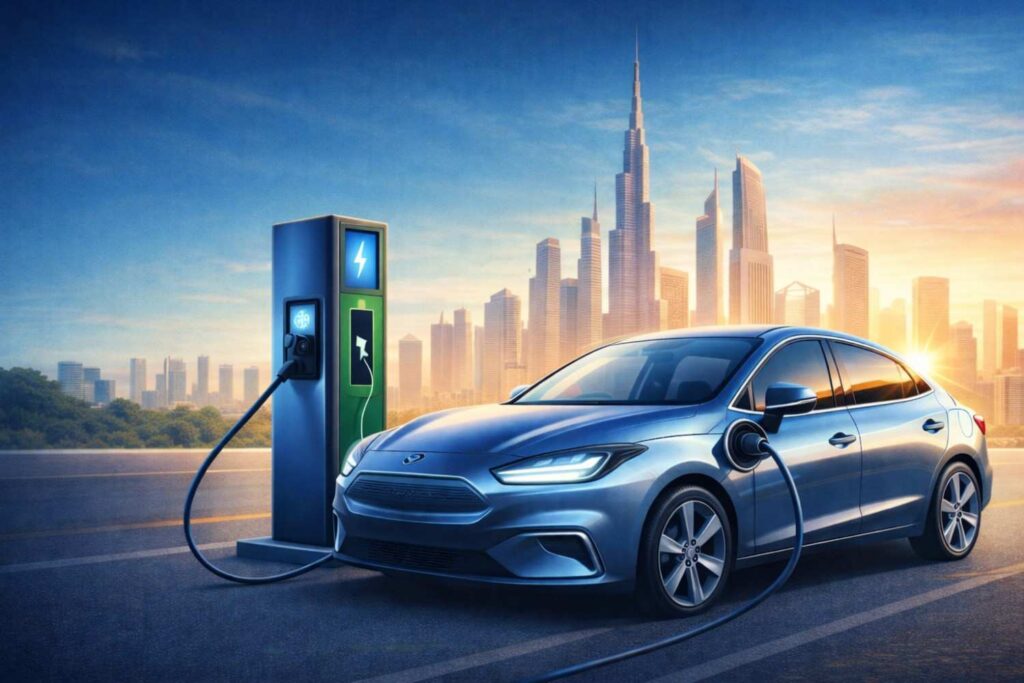
The UAE loves convenience. Valet parking, drive-thrus for everything, and deliveries that arrive faster than most people reply to texts. So when EV charging started being marketed as “easy,” expectations were basically: petrol-station speed, smartphone simplicity, zero drama. But here’s the real debate: EV charging in the UAE, convenient or overhyped?
Answer: both, depending on who you are and where you live.
Let’s break it down.

Why EV Charging Feels Convenient (Sometimes Shockingly So)
If you own an EV and you can charge at home, congratulations; you have unlocked the “fueling is now background noise” upgrade.
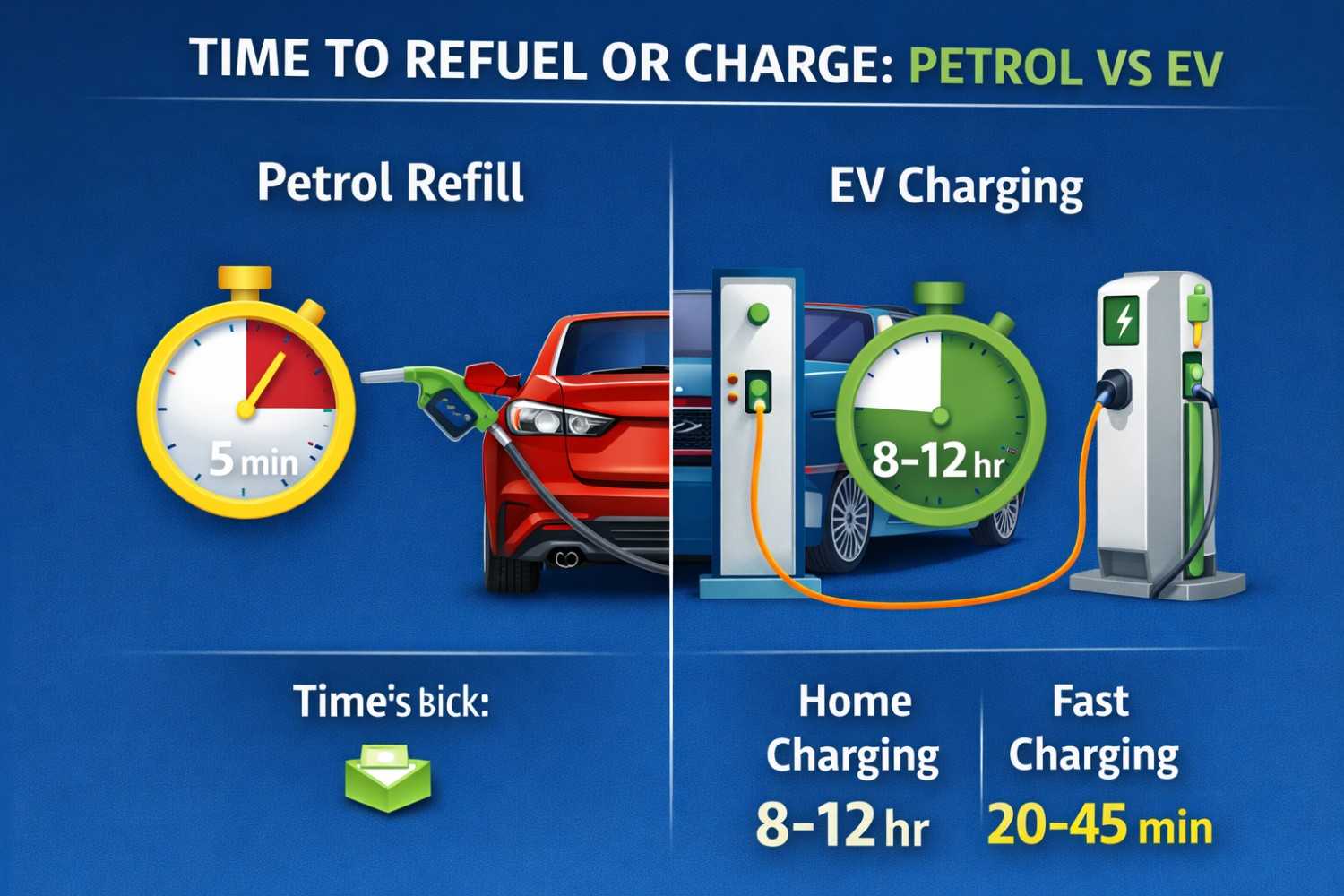
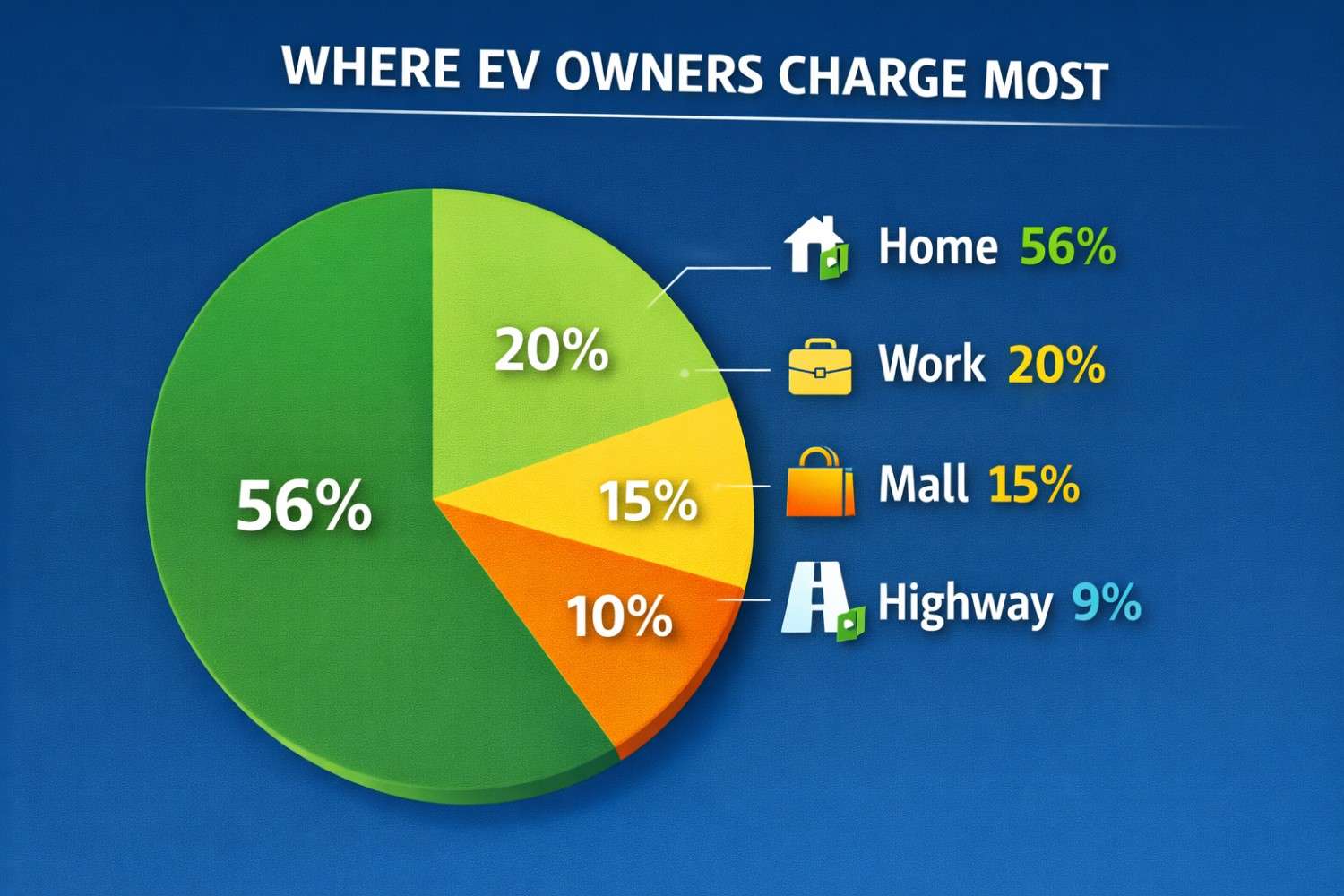
Home charging is the real cheat code. You plug in at night, wake up with a full battery, and skip fuel stations entirely. For villa owners, EV charging in the UAE can feel not just convenient, but better than petrol.
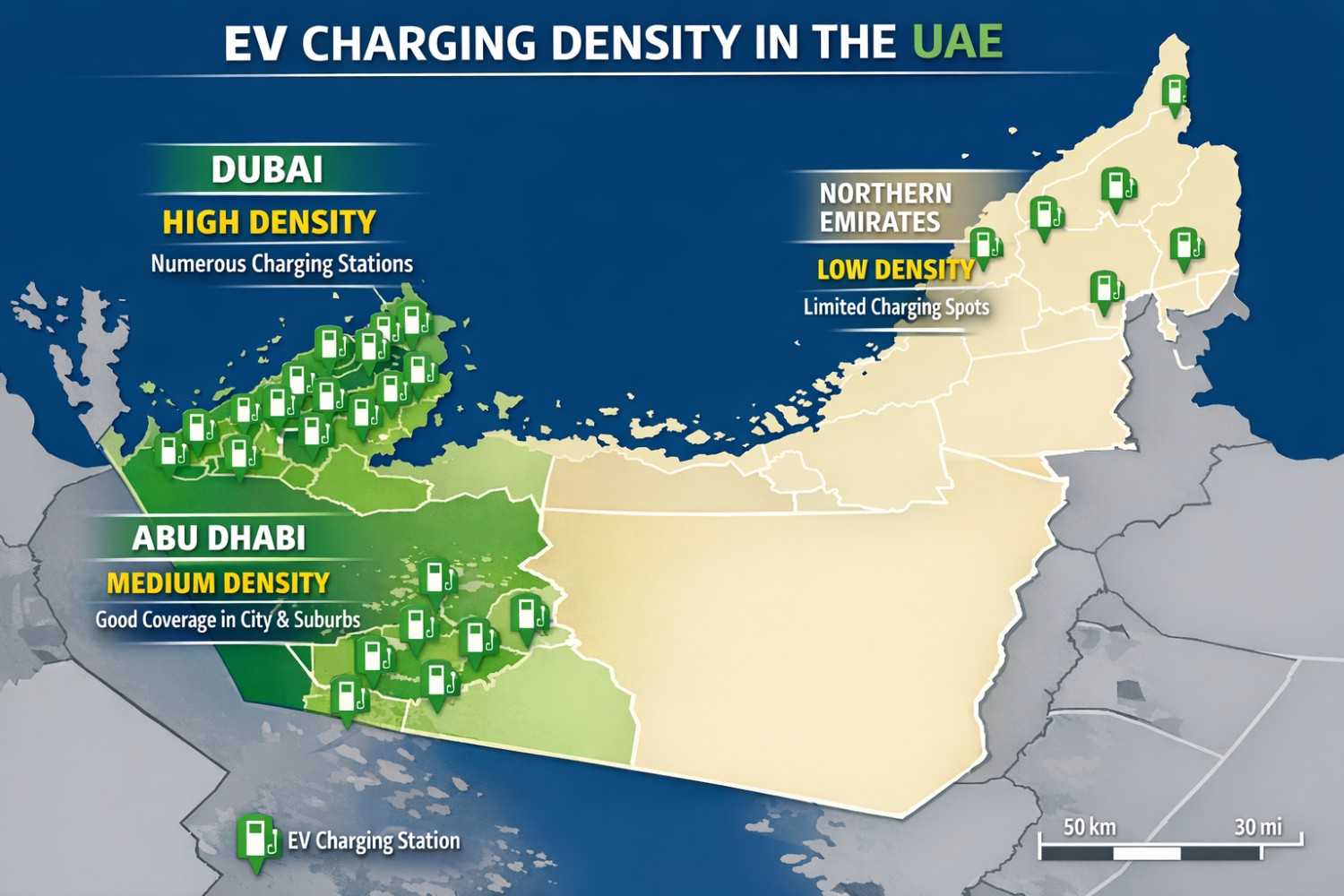
Public charging in cities is also improving fast. Dubai and Abu Dhabi in particular have charging points in malls, business districts, and popular parking hubs. For everyday commuting, that’s often enough to kill range anxiety.
-
City commute? Easy.
-
Mall visit? Top-up time.
-
Office parking? If you have chargers, you’re golden.
Quick Reality Check: Why It Feels Easier Than Petrol
You don’t “go” to refuel, you just plug in where you already park. Home charging turns fueling into a nightly habit rather than a weekly errand. And for most city driving, short top-ups during errands are usually enough. The biggest convenience is psychological: fewer detours, fewer stops, less planning.
Cost angle: Charging at home is usually cheaper than filling up, especially if your daily mileage is high. Public fast charging is more expensive than home charging, but still competitive versus petrol for many drivers. Either way, the real savings stack up when charging becomes part of your routine rather than a special trip.
For many UAE drivers, the EV lifestyle is already practical.

Where the Hype Starts to Crack
Now, the other side of the coin, the UAE is not just Dubai Marina and Abu Dhabi Corniche.
If you live in an apartment building without charging support, the “easy charging” narrative becomes a negotiation with building management, electrical approvals, and the occasional “we’ll get back to you” that never comes back.
In many cases, the bottleneck isn’t the EV, it’s the building. Without a dedicated parking spot and access to a charger, EV ownership can feel like a constant workaround.
Then there’s public charging reality:
-
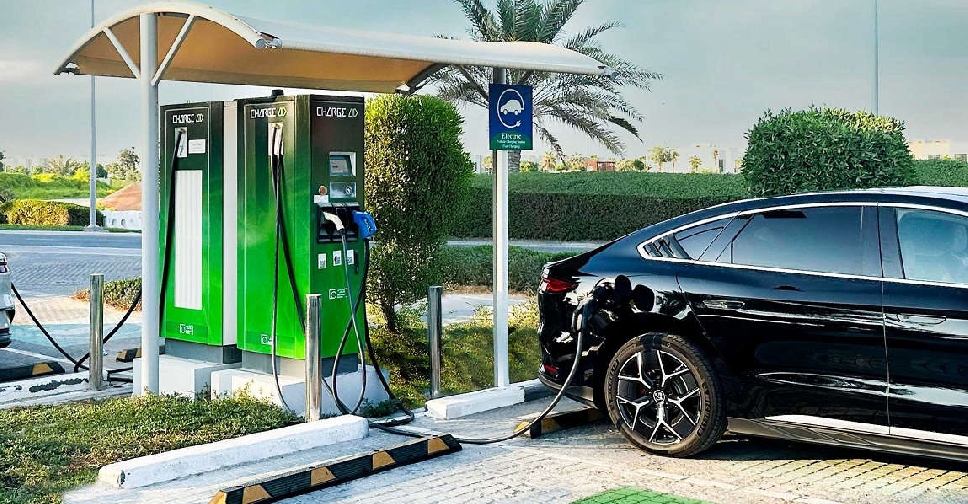
Chargers can stay occupied for long stretches
-
Charging speeds sometimes fall short of expectations
-
Location matters: many points only help if they match your routine
-
Peak hours add friction, and waiting becomes common
Fast charging helps, but it’s not petrol-fast. A good session can still take 20 to 45 minutes, depending on the car, charger speed, and battery level. That is fine when planned, annoying when rushed.
So yes, charging is improving. But “effortless everywhere” is still more slogan than lived reality.

Charging Infrastructure: Better Than Before, Still Not Fully Mature
The UAE is clearly building momentum: more stations, more partnerships, more visibility. Major highways are getting friendlier, and key urban zones are increasingly covered.
But the network still has gaps:
-
Rural and remote coverage is thinner
-
Not all chargers are reliably maintained
-
Availability can be inconsistent at popular hubs
The infrastructure is trending in the right direction, but it is not yet at the point where anyone, anywhere, anytime can charge with zero friction.

Aftermarket Reality: The Hidden EV Ownership Costs in the UAE
Charging is only half the story. The real EV shift in the UAE will show up in the aftermarket: home charger installations, building approvals, and the services that keep EVs running smoothly. Many new owners end up buying a wallbox, surge protection, and scheduling professional installation, especially in villas or EV-ready buildings. Apartment residents often face extra friction because approvals and access to wiring are handled by building management, not the driver.
Maintenance is usually lighter than petrol cars, but it is not “zero.” Tyres can wear faster on some EVs due to extra weight and instant torque and accident repairs can take longer if specialised parts are not readily available. Battery health checks, software updates, and clarity around warranties will also become key selling points in the used EV market.
In short, the UAE EV aftermarket is moving from accessories to essentials and the brands and service networks that solve installation, uptime, and repairs will win the next phase.
The Real Truth: EV Charging Is a Lifestyle Fit, Not a Universal Upgrade
Here’s the blunt take.
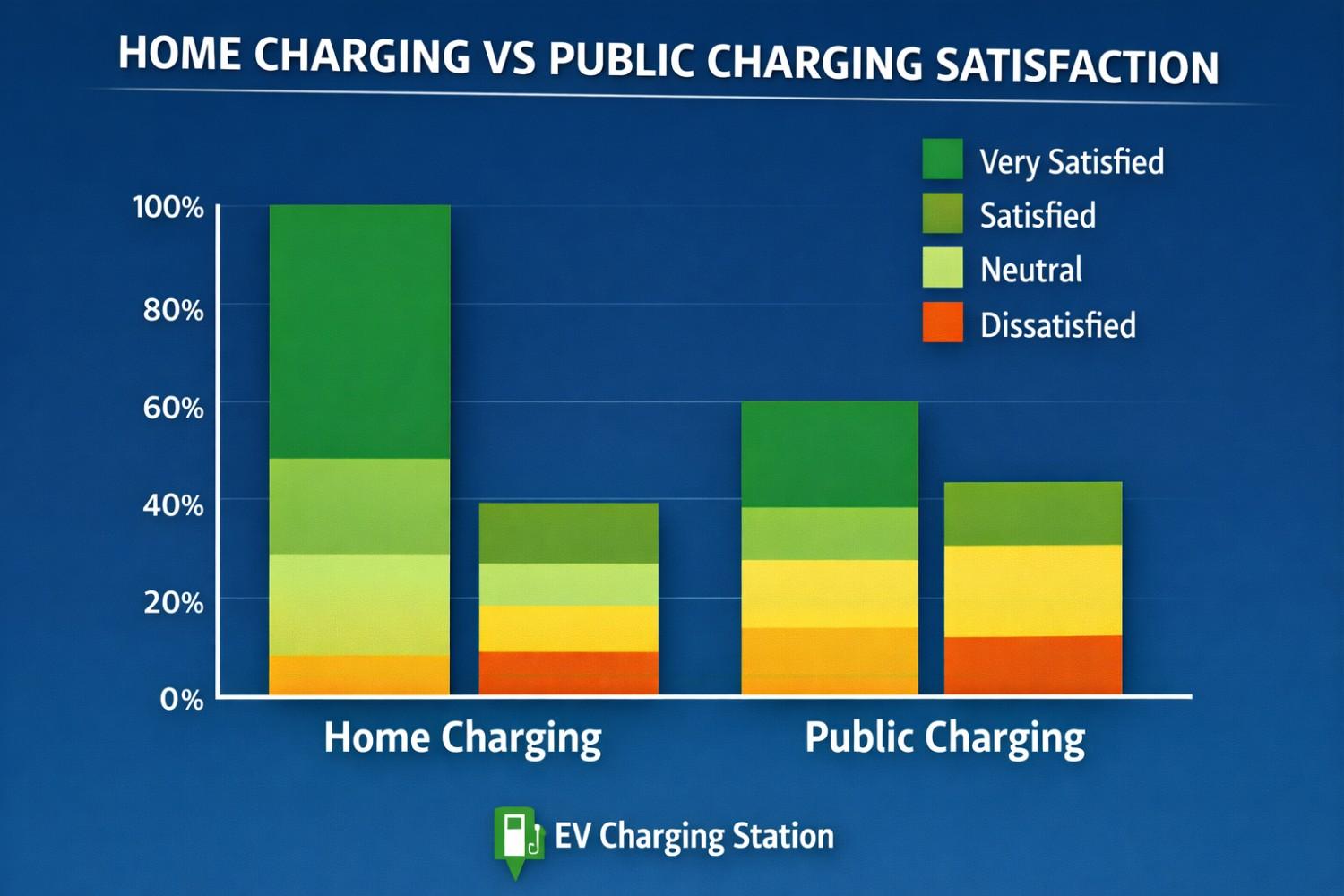
Most EV owners charge at home or work, which explains why EV charging feels effortless for some drivers, and frustrating for others who rely on public chargers.
EV charging in the UAE is convenient if:
-
You have home charging (villa or EV-ready building)
-
Your driving is mostly urban and predictable
-
You can plan charging as part of your routine
EV charging feels overhyped if:
-
You rely entirely on public chargers
-
You live in a building with no EV infrastructure
-
You do frequent long-distance driving without reliable fast-charging stops
EV ownership is becoming mainstream, but charging convenience is still unevenly distributed. In the UAE, charging is less about the car and more about your parking situation.

Summer Heat: Not a Dealbreaker, But Not a Myth Either
Let’s address the big, sweaty elephant in the room: UAE summers.
High temperatures can affect efficiency and, in some cases, charging speed. Modern EVs are designed with thermal management systems, but physics still applies. AC use is constant, batteries are working harder, and range may dip.
This does not mean EVs cannot handle the UAE. It means buyers should be realistic: your range in July will not feel like your range in January.
Final Verdict
EV charging in the UAE is not fake progress. It is real progress. But it is also not as universally smooth as the marketing makes it sound.
Right now, it is best described as:
Convenient for the prepared. Frustrating for the unplanned.
If the UAE solves apartment charging at scale and increases reliable fast-charging coverage across highways and secondary areas, the “overhyped” part will fade fast. Until then, EV charging is amazing for some drivers and mildly annoying for others.
The future is clearly electric. The only question is how quickly the last practical barriers get bulldozed.
Thinking of switching to an EV in the UAE? Before you buy, check our charging guides, EV comparisons, and ownership tips on the ArabWheels blog.